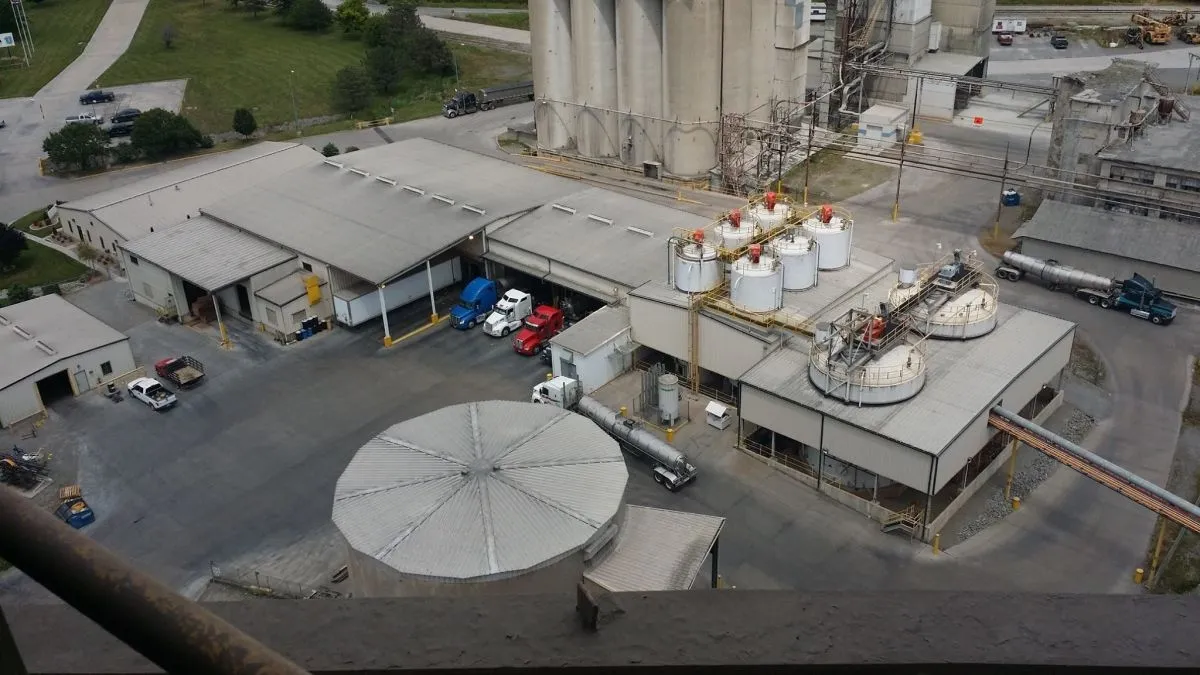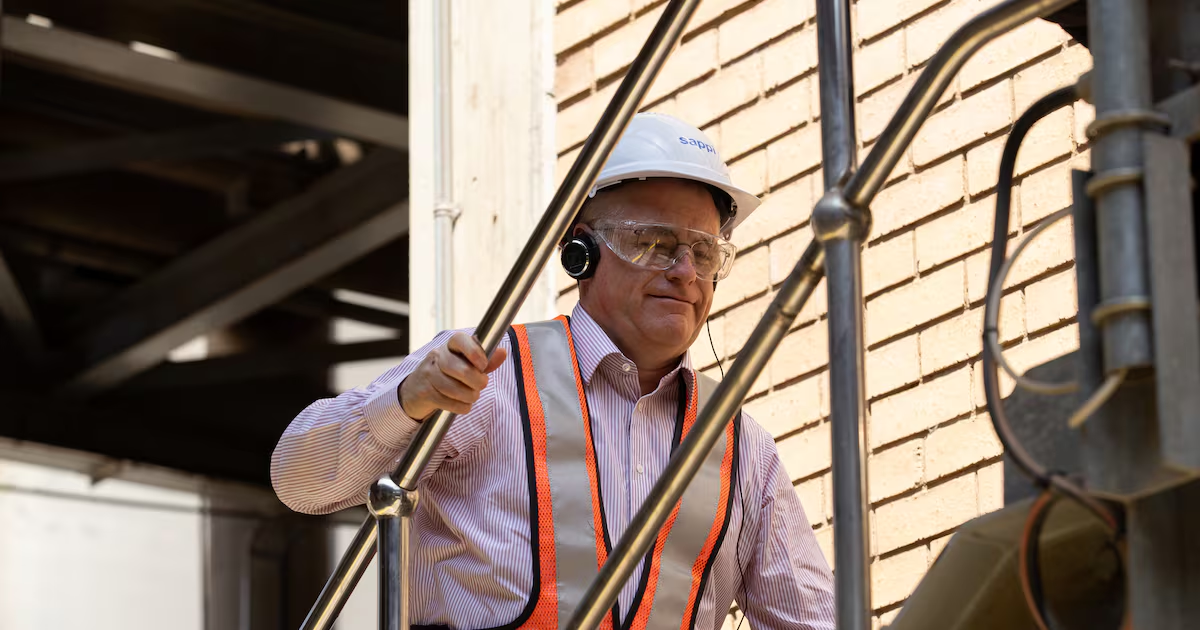
Shares in Sappi jumped almost 15% on Thursday, the most since October 2020, after the group announced a strong sales forecast for its newly expanded Somerset Mill in Maine, US, setting the stage for a better-than-expected third quarter.The company, which has been weighed down by weak prices for its products, trade wars and a lack of demand in recent years, had seen its shares hit a record low earlier in the day after losing 60% in the past year. By market close, however, they were near a three-week high.The group told investors that the steady ramp-up of its Somerset Mill PM2 plant had resulted in a “stronger-than-anticipated performance” in the US.Quarterly earnings before interest, tax, depreciation and amortisation, which were previously expected to fall, are now forecast to be in line with those of the second quarter to end-March.That’s still a long way from profit, though. The group reported a loss of $413m in the quarter to end-March, a staggering acceleration from a loss of $20m in the previous comparative quarter.Sappi has lost nearly 80% of its value over the past three years as weak prices and a growing debt burden have steadily eroded earnings. It reported a loss of $177m for the 12 months to September 30 2025 compared with a $33m profit the previous year.The performance, which Sappi blamed on geopolitical tensions, cautious consumer sentiment, asset impairments and a weak European economy, prompted a restructuring of operations in Finland and Germany, and several staff members were retrenched.Mounting tension between the US and China, culminating in an ongoing trade war, has also resulted in Chinese buyers, one of Sappi’s biggest markets, cutting back on purchases of its dissolving wood pulp.Prices for the clothing and textile ingredient, which contributes just less than a fifth of the group’s sales, have slumped as a result.Against that backdrop, Sappi has pinned much hope on the Somerset Mill, a large plant in Maine. The group has spent $500m converting the American mill from a graphics-paper machine into a packaging powerhouse in a bid to hedge against falling demand for graphics paper, which is used in commercial printing and publishing.The shift is key to Sappi’s recovery strategy and is expected to add at least $300m to annual revenue from this financial year. CEO Steve Binnie told Business Day last year that using paper packaging to replace plastics was “where the company’s future opportunities lie”.In recent months, it has also moved to cut costs at its European graphic paper business by merging some of its operations with rival UPM in a deal valued at R27bn.
Sappi thrills market with update on $500m revamp of Somerset Mill in US
Expansion of facility expected to boost group revenue by as much as $300m a year
429 words~2 min read