See more Daily Mail on Google - save us as a Preferred SourceBy MARK NICOL, DEFENCE EDITOR Published: 23:59 BST, 9 July 2026 | Updated: 00:54 BST, 10 July 2026
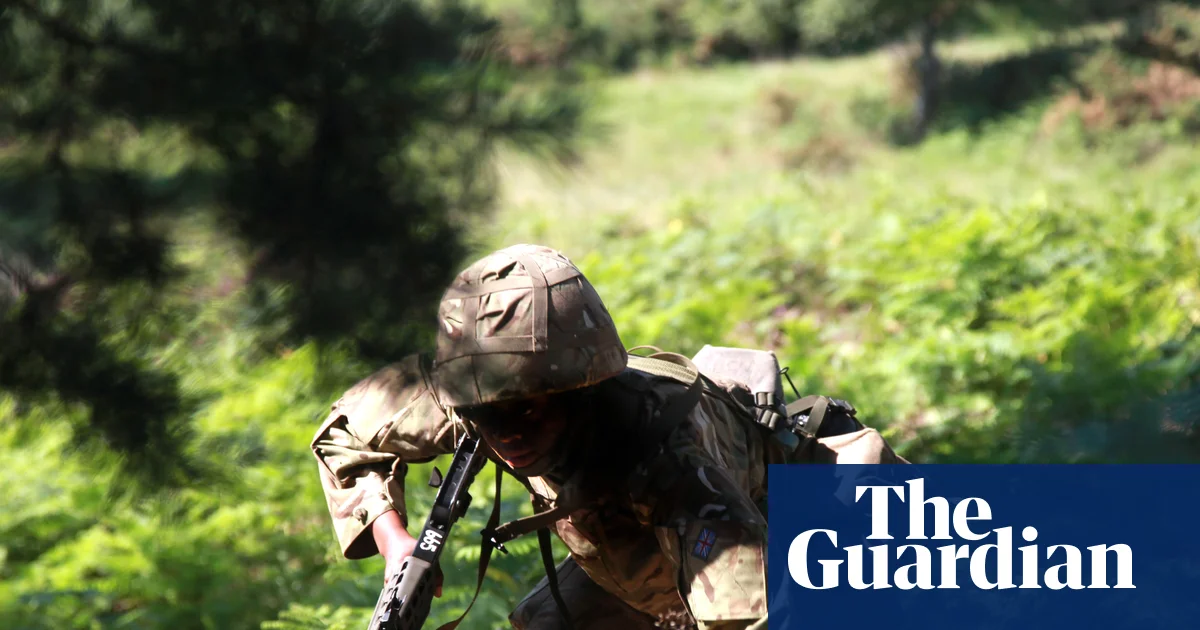
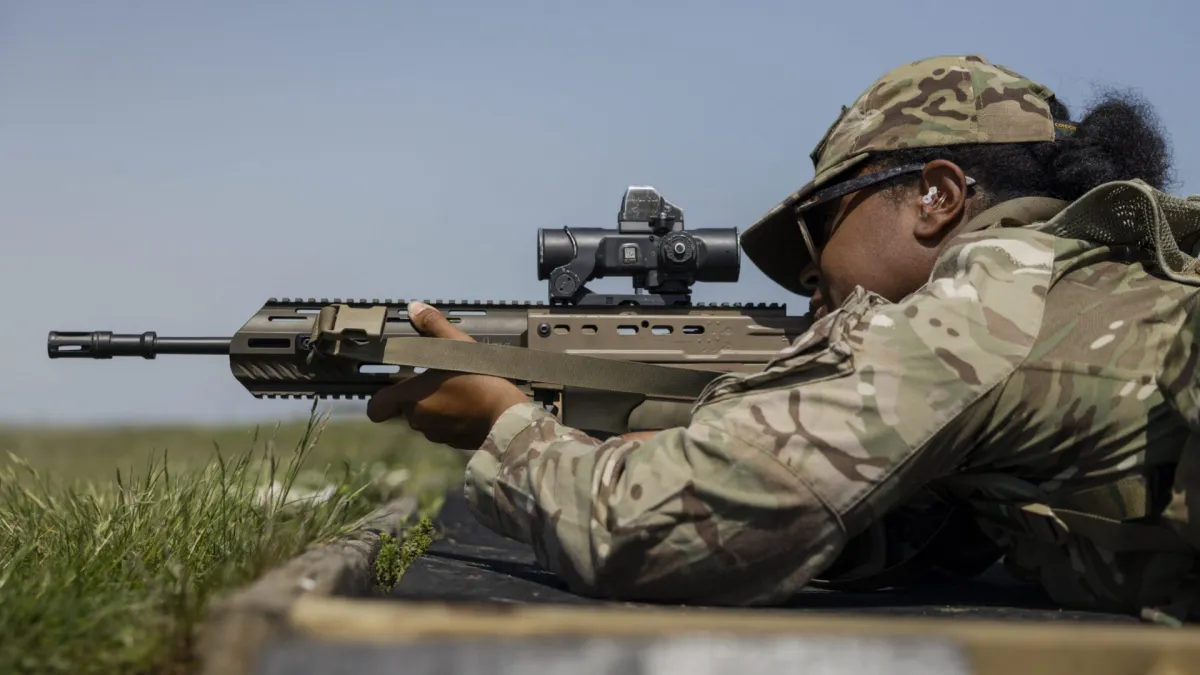
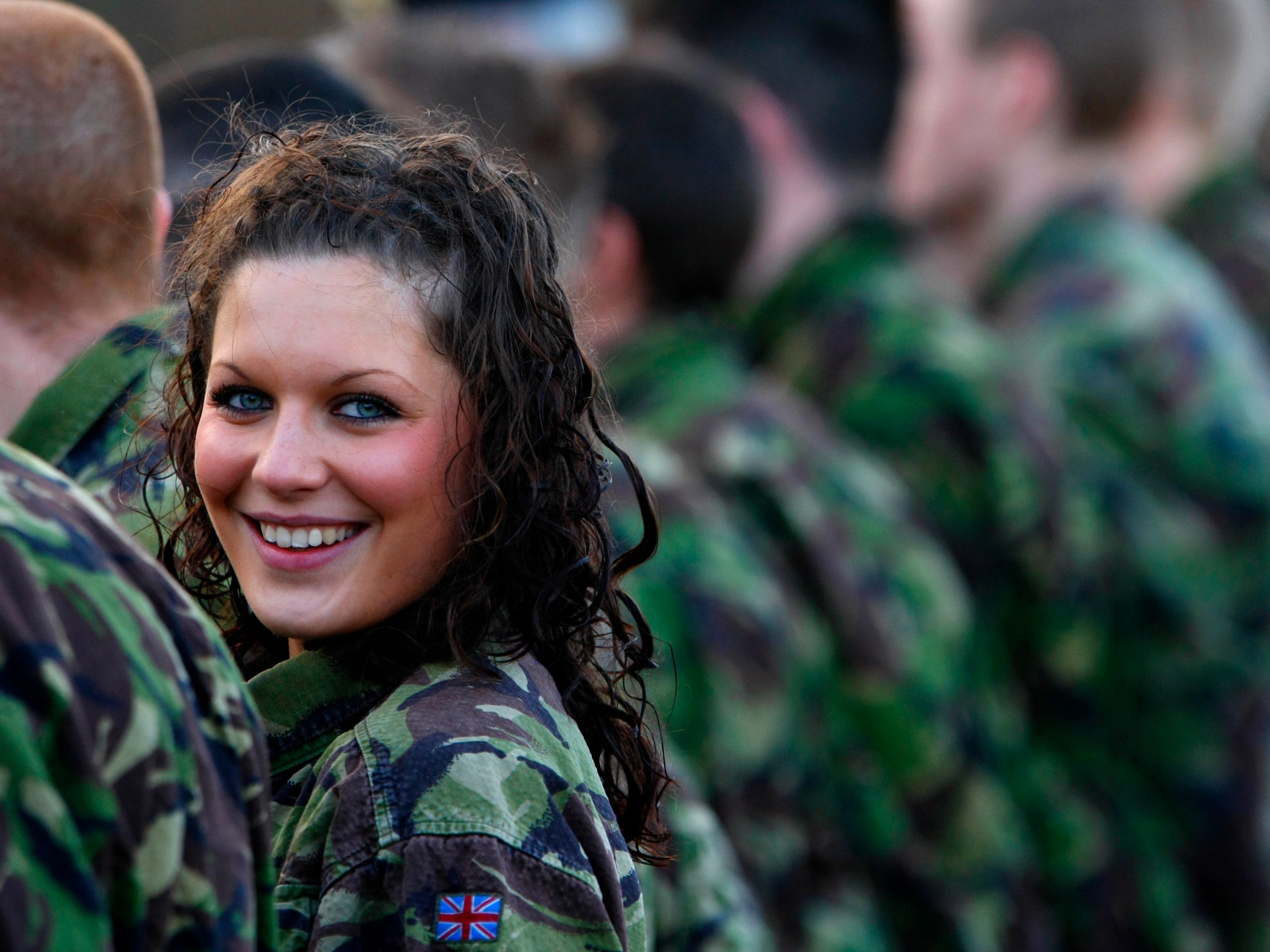
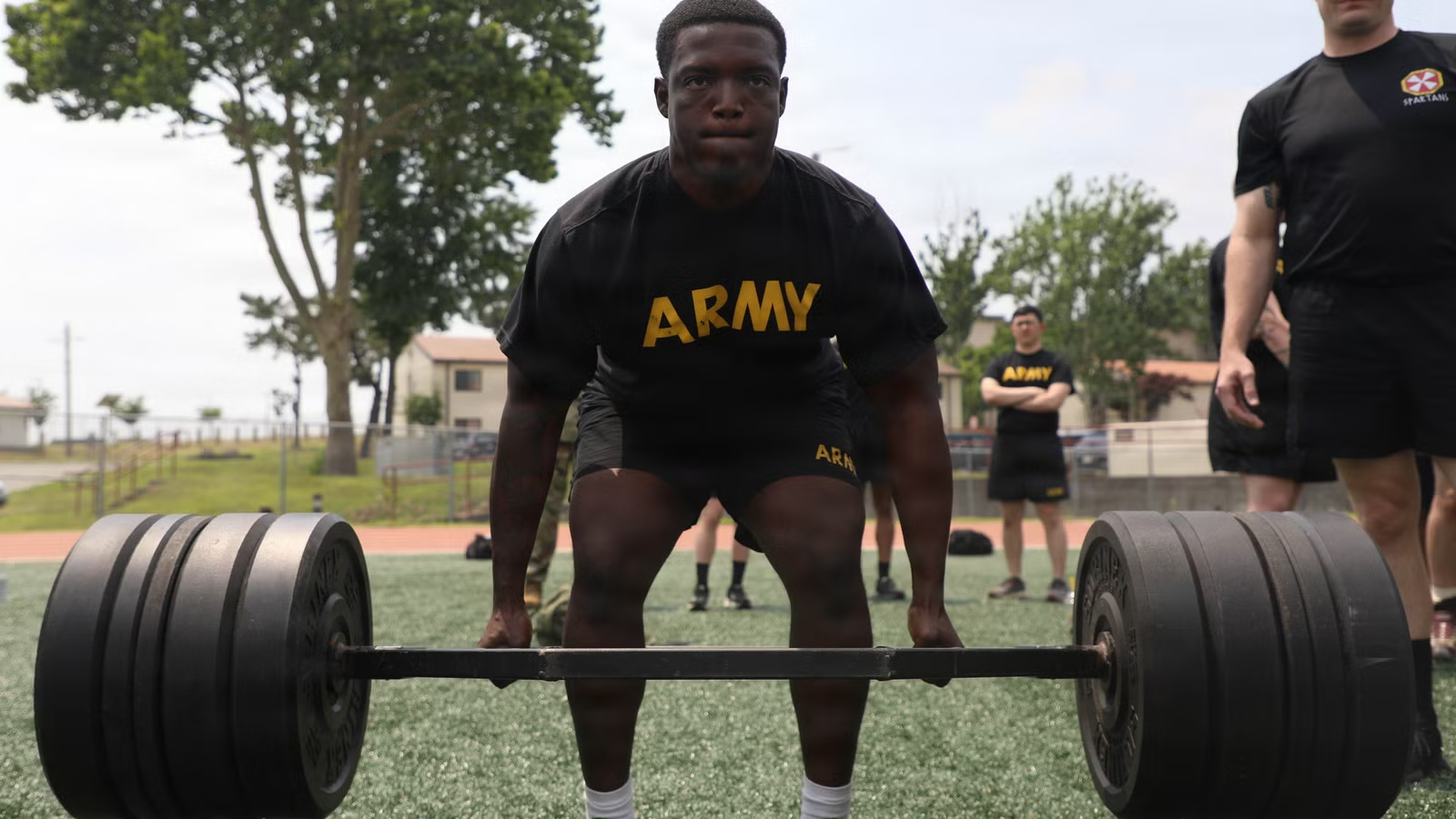
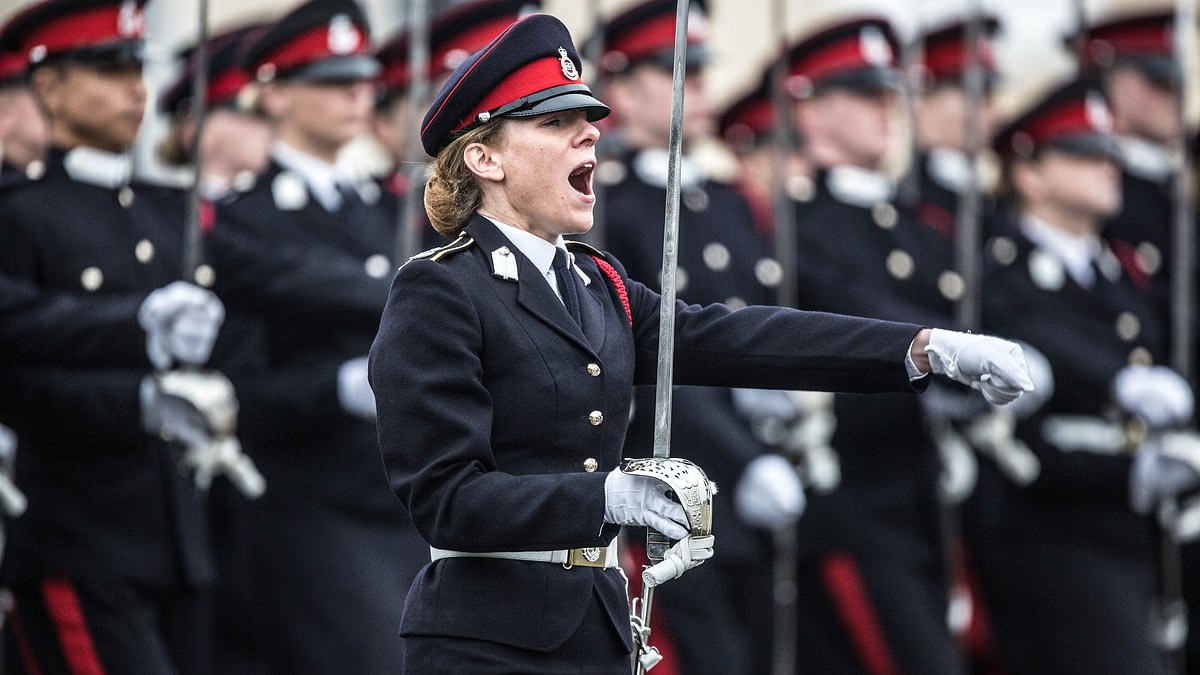
Female soldiers should eat twice as much and sleep more to cope with demanding military roles, according to new Ministry of Defence guidance.After decades of disputes over female troops being robust enough to serve on the frontline, today they can apply to join the same units as men, even the Parachute Regiment and the Royal Marines.However, since the rules changed only women from elite sporting backgrounds have proven up to the challenge.In 2020, trailblazing officer Captain Rosie Wild became the first female to pass P Company, regarded as the hardest series of physical challenges in regular forces.The course, which includes speed marches carrying heavy packs and 'milling', a form of boxing, is also the gateway to serving in airborne forces, including the Paras. But since Captain Wild's remarkable effort - exclusively revealed by The Mail on Sunday - few women have followed in her footsteps. Meanwhile, Rosie has transitioned from the British Army to being a professional triathlete.Now, in a bid to increase numbers of female soldiers in elite regiments, defence chiefs have issued new guidance. In 2020 trailblazing Captain Rosie Wild became the first woman to pass P Company - a feat many commanders thought was beyond the reach of any female soldierBased on the latest science on physical performance, servicewomen will have their fitness, nutrition and recovery 'revolutionised' accord to sources.Guidance includes women eating up to 3,500 calories a day, nearly double the previous advice to female personnel.Their diet should also include 30g of high-quality protein every day to support muscle growth. They should also get more sleep.According to experts, female troops who sleep for fewer than six hours are more likely to get injured or experience menstrual cycle disruption.Those averaging six hours also face a fourfold increase in risk of illness and more than double the injury risk of someone sleeping for seven hours.During military service, one in four non-pregnant women experience irregular or absent periods, and one in two report heavy menstrual bleeding, both of which signal performance-impairing hormonal imbalance.Women should also increase their intake of iron and Vitamin D, according to the guidance.The Ministry of Defence is also to continue its investment in equipment designed specifically for women, particularly backpacks, as women are more likely to sustain hip and shin injuries.Last night, Minister for Veterans and People, Calvin Bailey MBE MP, said:'Warfighting readiness depends on the strength, resilience and preparation of all our people. I know from my own service that women have always met the toughest standards – but too often without the tailored support they require.'I'm proud that this guide marks a first for UK Defence - ensuring our servicewomen have the tailored, evidence-based support they need to perform at their best and succeed in the most demanding roles.'It is part of our commitment to ensure talent, not background or barriers, determines how far you can go in today's Armed Forces.'