This is the first of a 3-part series on human-agent teamwork. In part one (this article), we'll cover "single-player" mode, in which team members run their own agents independently. Part two will explore "multi-player" mode, in which autonomous agents join teams. Part three takes the long view: what teams look like once human-agent teamwork is the default, not the exception. We'll link to parts two and three here once they're published.
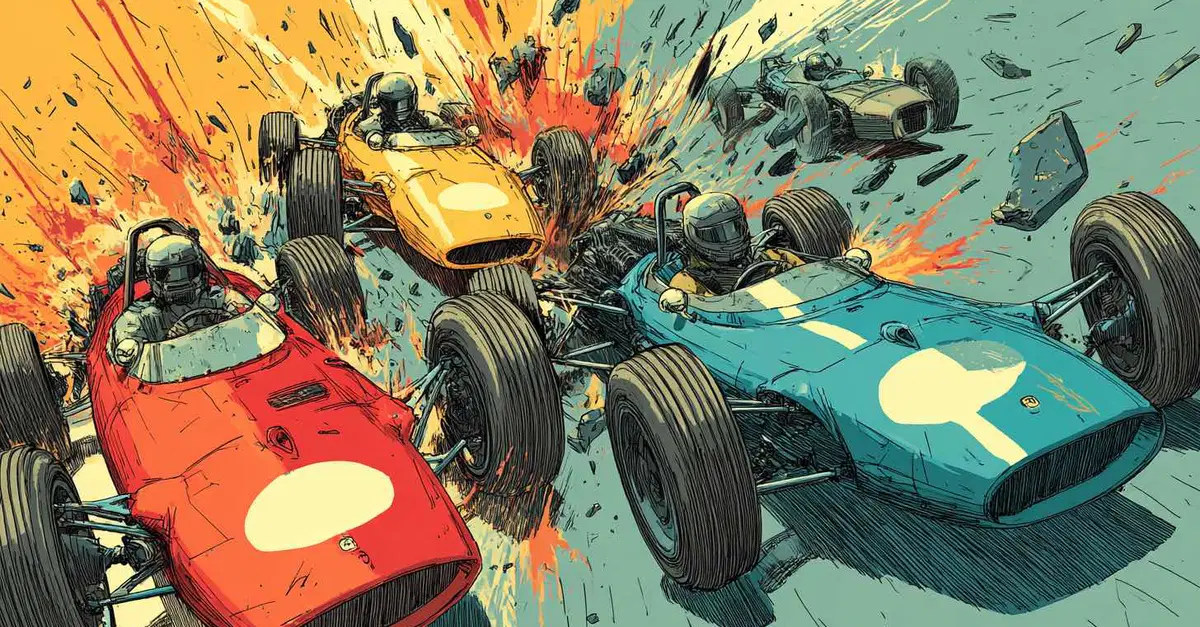
Two people on the same team spent a week -- and millions of tokens -- solving the same problem. Neither found out until the retro.
Nobody caught it earlier because nobody could see it. The engineer has Claude Code working three branches before standup. The PM's research briefs come out of a ChatGPT project she's spent months tuning. The designer runs Figma files through an agent that drafts the specs. Output is way up, but the team can no longer answer the most basic question: who's doing what, and why?
That's human-agent teamwork, today. Nobody on that team would use the phrase -- there's no bot in the org chart. There's just three people expensing their own AI subscriptions on the corporate card, running past whatever threshold finance budgeted for it. The dollar cost is fully visible -- it's sitting right there on an expense report. But the coordination cost isn't visible anywhere. Until that retro.