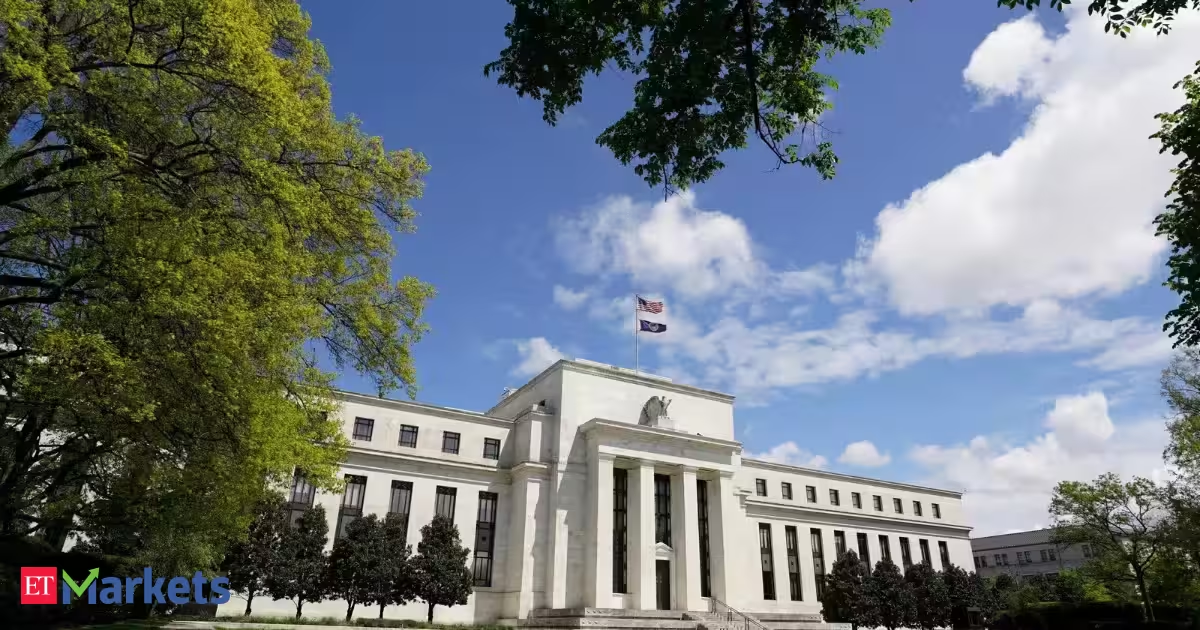
Lorie Logan, president of the Federal Reserve Bank of Dallas, made the case on July 9 that the Fed should voluntarily route its open market operations through central clearing. Speaking at a New York Fed conference on market liquidity, Logan argued the move would reduce intermediary costs, sharpen the Fed’s grip on short-term interest rates, and improve the central bank’s ability to inject liquidity when markets seize up.
Here’s the thing: the Fed doesn’t have to do this. An SEC mandate requiring broader central clearing for Treasury securities and repo transactions is set to take effect by June 30, 2027, but that rule doesn’t directly apply to the central bank itself. Logan is essentially saying the Fed should volunteer for a system it helped design for everyone else.
What central clearing actually means, and why it matters
Logan pointed to several specific benefits. Voluntary central clearing could lower intermediary costs for the Fed’s operations and improve netting under accounting rules, meaning the Fed and its counterparties would need to hold less capital against their positions. That freed-up capital can flow elsewhere in the financial system.
She argued it would also bolster the Fed’s influence on the Secured Overnight Financing Rate, or SOFR, the benchmark that replaced LIBOR as the reference rate underpinning trillions of dollars in financial contracts.