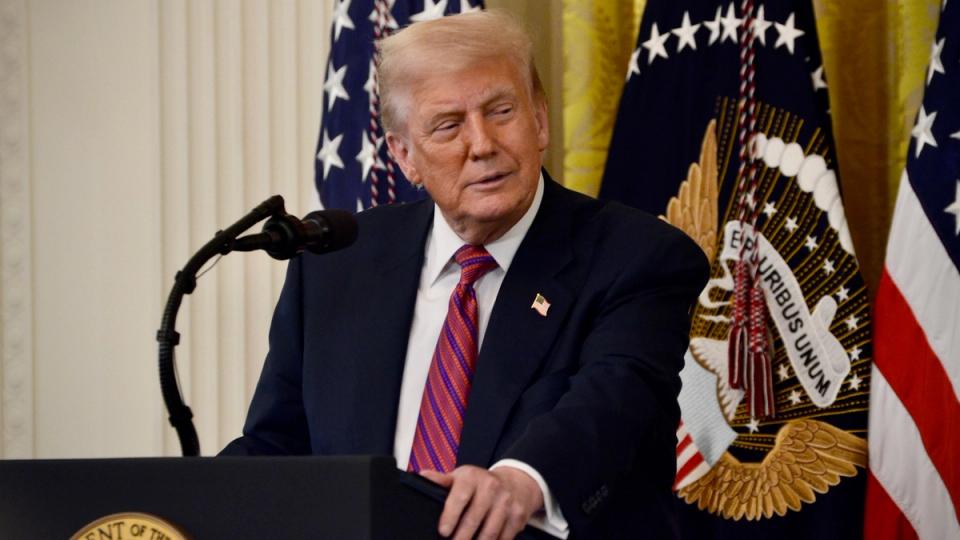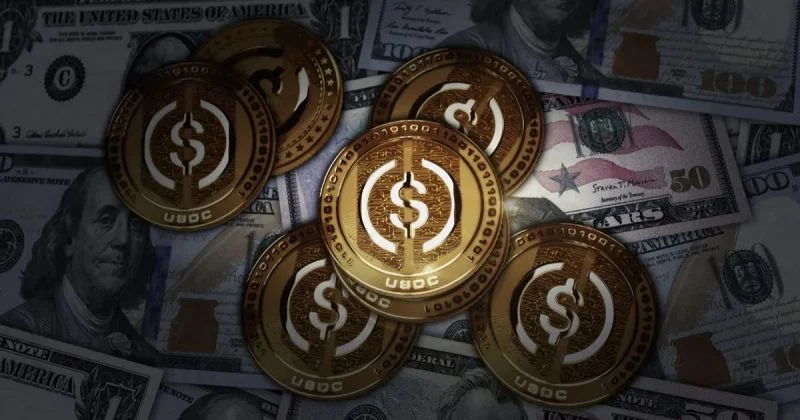
After years of white papers, pilot programs, and conference keynotes about the inevitable rise of central bank digital currencies, the public-facing CBDC agenda in Western economies has been dramatically scaled back. The shift is most pronounced in the US, where a January 2025 executive order from President Trump effectively slammed the door on federal CBDC ambitions.
The American U-turn
Executive Order 14178, signed in January 2025, prohibited federal agencies from establishing or promoting a CBDC.
The Federal Reserve has stated plainly that it does not intend to proceed with CBDC issuance without clear support from both the executive branch and Congress. Technical pilots reportedly continue in an exploratory capacity, but the public-facing enthusiasm has evaporated.
The political calculus is straightforward. Privacy concerns around a government-issued digital dollar became potent campaign material, and the current administration decided that private-sector solutions could handle the digital payments problem without the surveillance baggage.