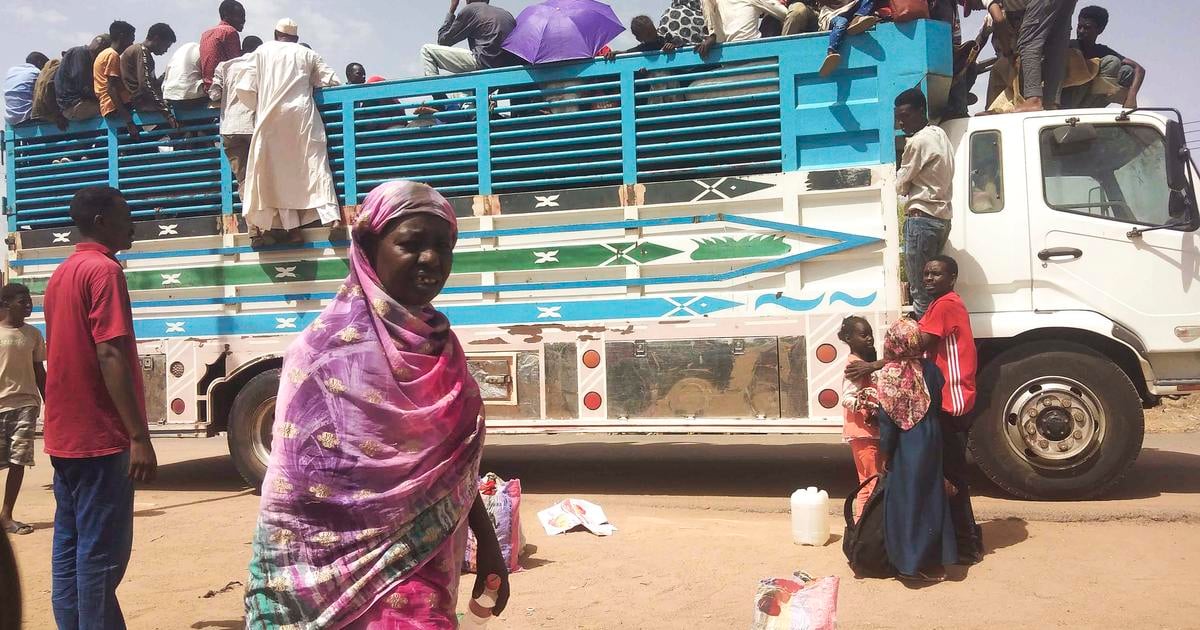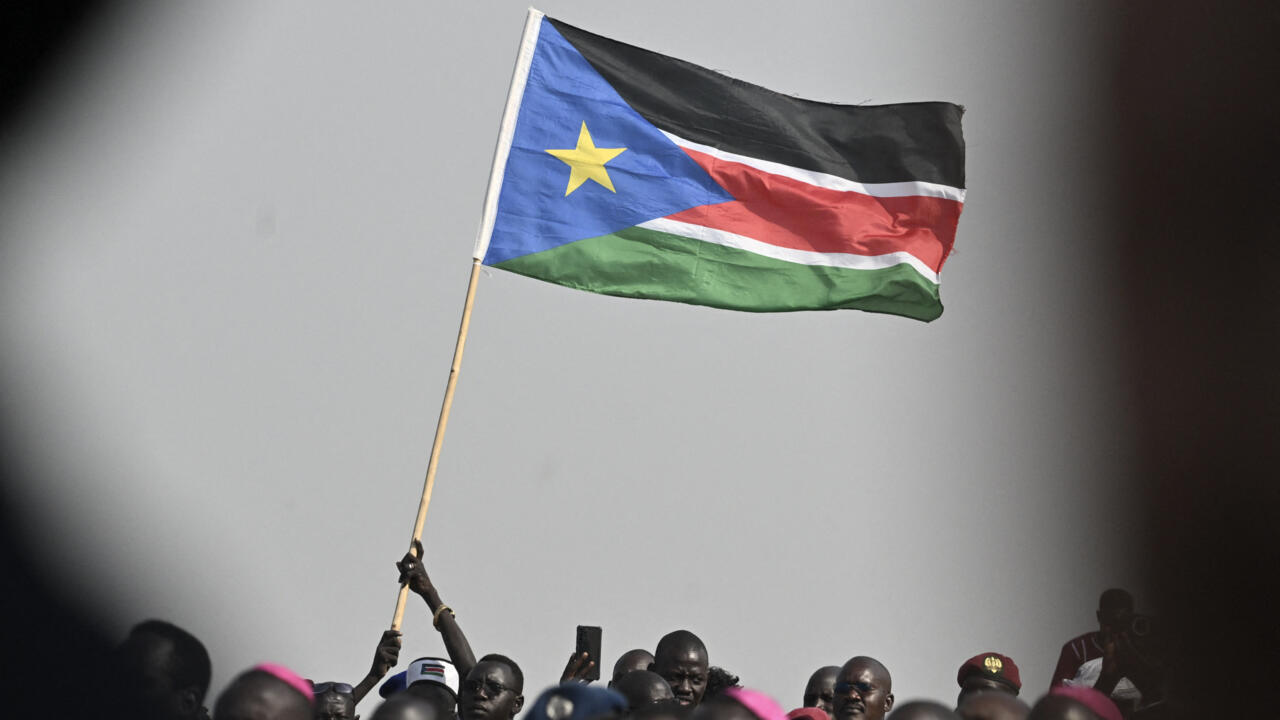
South Sudan, the world's youngest country, on Thursday marks the 15th anniversary of its independence, following decades of war with Sudan, a 2005 peace agreement and a 2011 self-determination referendum in which almost 99 percent of voters backed statehood. But the hopes that came with it have given way to renewed conflict, economic collapse and political deadlock.
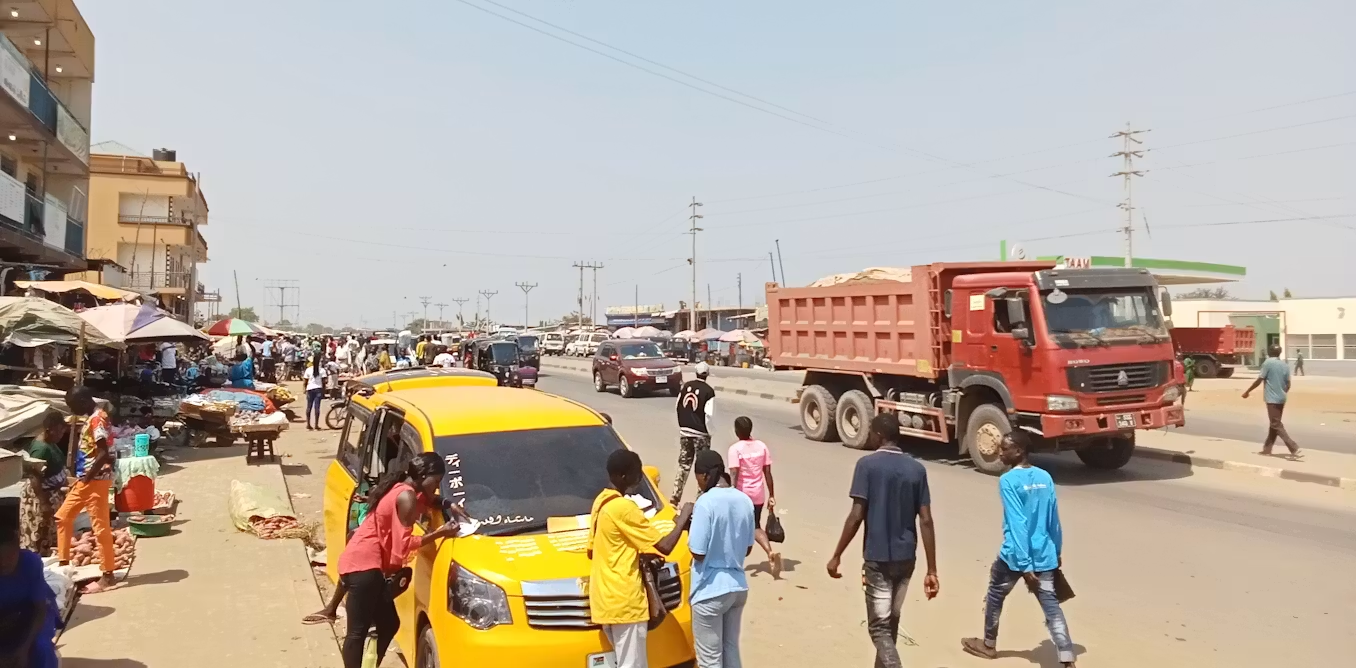
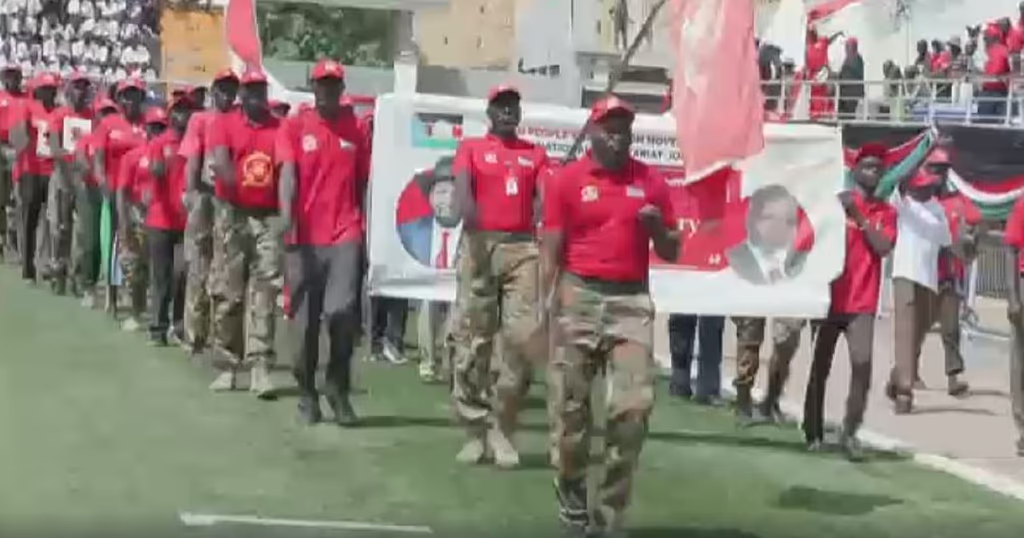
For several years now, the government of President Salva Kiir has cancelled large Independence Day celebrations, saying they are too expensive and the authorities have other priorities. "Fifteen years after independence, the country is almost at a dead end," Daniel Akech, a researcher at the International Crisis Group, told RFI. "We have a financial crisis, which is really the main reason as to why they cannot celebrate." He added: "And the country has not transitioned to what was expected... people are frustrated. People need to see some kind of transition, a peaceful democratic transition. Independence was meant to improve things. That achievement has not been realised. The country is risking basically disintegration”. According to the International Monetary Fund, South Sudan was the sixth-poorest country in the world in 2025, with a GDP per capita of $470. Oil revenues, the country's main source of income, have fallen in recent years – mainly because of the war in neighbouring Sudan, through which South Sudan's oil exports pass. Edmond Yakani, director of the Community Empowerment for Progress Organization, told RFI that the country's civil servants received their first salary in two years last week. Just 8 percent of the population has access to electricity, and South Sudan is ranked alongside Somalia as the most corrupt country in Africa. Short-lived jubilation Akech says the people feel they are being held hostage by the ongoing conflict between Kiir and his former vice-president Riek Machar. Kiir and Machar both fought for South Sudan's independence from Khartoum as members of the armed group, the Sudan People's Liberation Movement/Army. After decades of war with the north, South Sudan became an autonomous region in 2005. Kiir was appointed president and Machar vice-president. They remained in those positions as the country officially became independent on 9 July, 2011. In Juba, there was jubilation. People who had long been marginalised within Sudan saw the day as the culmination of more than half a century of struggle. UN warns of resurgence of violence in South Sudan following massacre