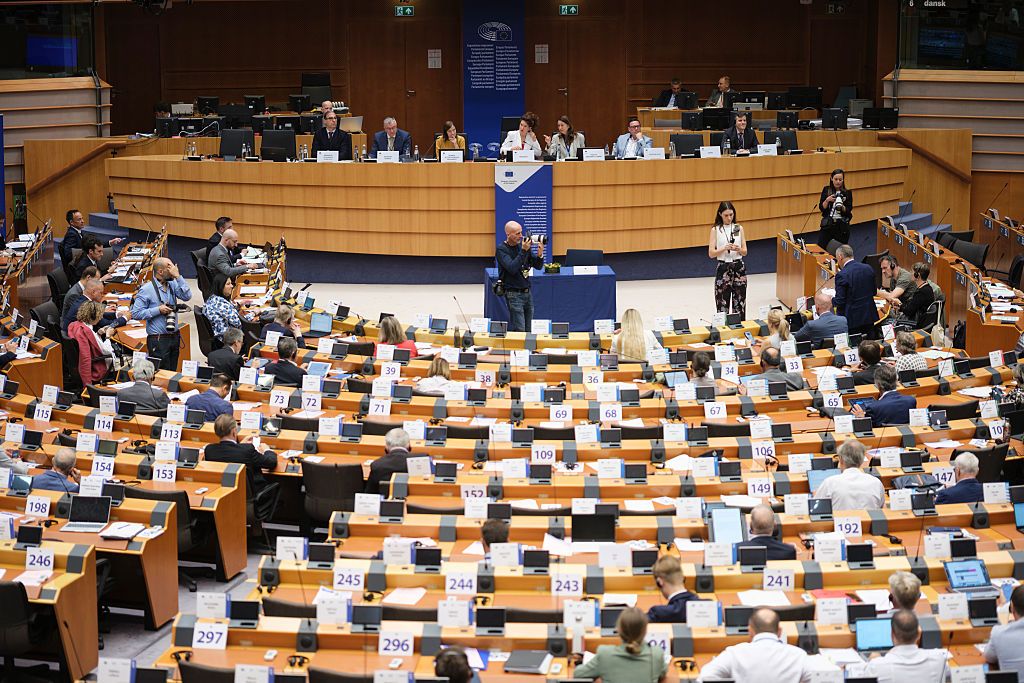
More members of the European Parliament voted to kill Chat Control 1.0 than to keep it. The law survived anyway. That sentence tells you almost everything you need to know about what happened in Brussels on July 9, 2026.
In a vote that will frustrate privacy advocates for years, 314 MEPs rejected the extension of the temporary derogation known as Chat Control 1.0, while 276 voted in favor, with 17 abstentions. By any intuitive reading of democracy, opposition won. But the second-reading procedure required an absolute majority of 361 votes to formally block the extension, a threshold the opposition fell short of. The result: voluntary scanning of private messages by digital platforms continues until 2028, or until permanent legislation arrives, whichever comes first.
How a majority loss became a legal victory
Under the second-reading rules that applied here, blocking the extension required not just more “no” votes than “yes” votes, but an outright absolute majority of the full chamber. The procedural gap matters because it represents a meaningful shift from how earlier Chat Control votes were conducted, where a simple majority was sufficient.
An amendment that would have narrowed the scope of scanning to individuals already under judicial suspicion received 322 votes in favor, more support than the extension itself attracted. That amendment also failed to clear the absolute majority bar.