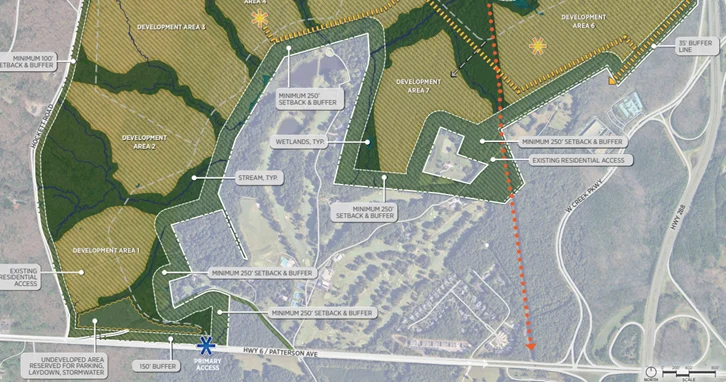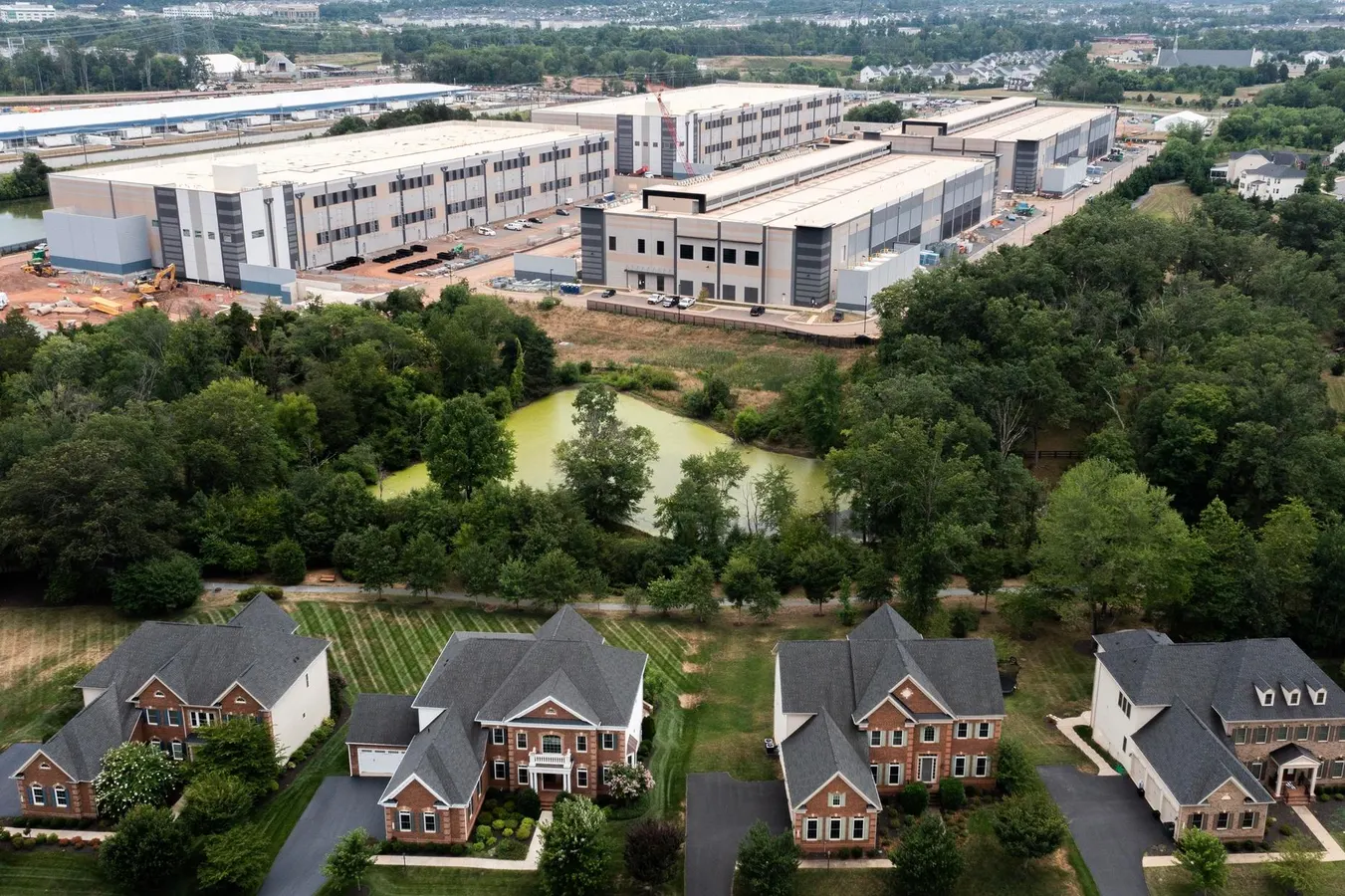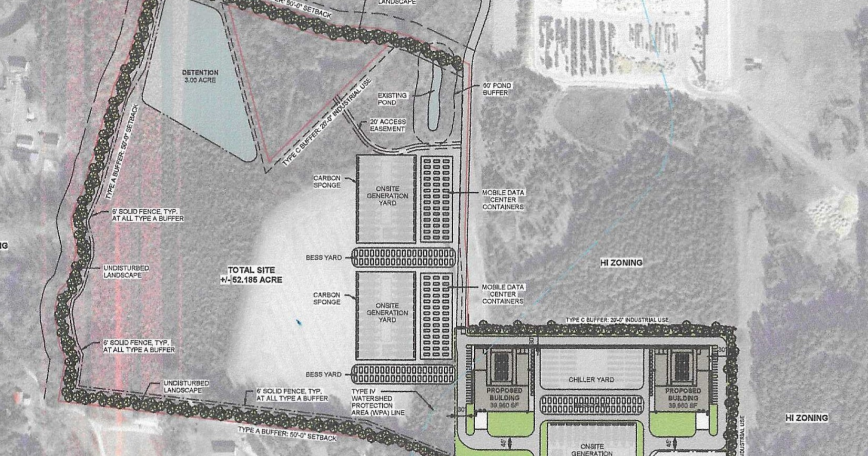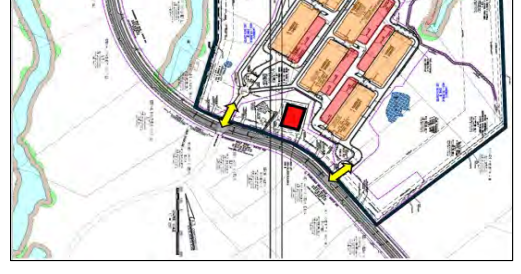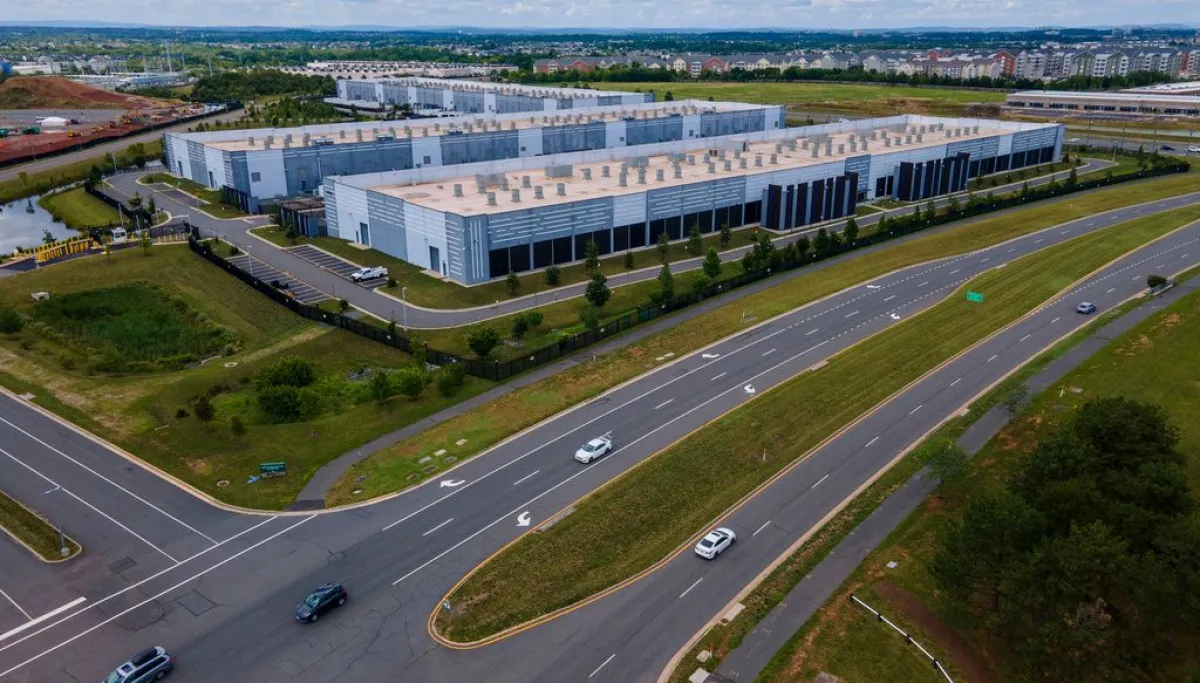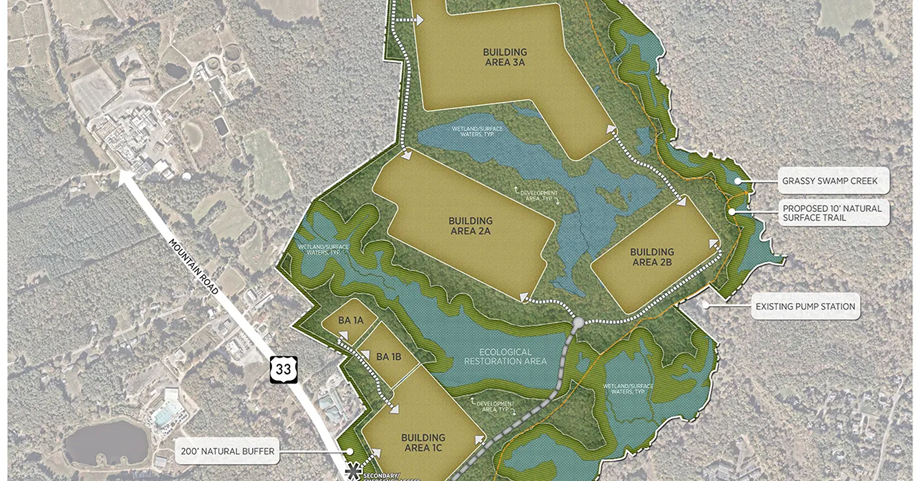
The Stafford County, Virginia, Board of Supervisors voted Tuesday to halt development of a proposed 99-acre data center over concerns that it would infringe on a 200-year-old slave cemetery.The county’s decision comes as tension rises over the ever-growing number of data centers in Northern Virginia, a region known as “Data Center Alley.” Virginia’s robust digital infrastructure, tax incentives, and cheap power have led tech companies to stake their claims, often to objections from local activists. Concerns over the Potomac Creek Project center on claims that it would intrude upon a historic cemetery that is reportedly home to slave remains. Neither the size of the cemetery nor the number of people buried there is known.
“My mother is in an unmarked grave, so this is very important to me,” Stafford County Board Chairman Deuntay Diggs said. “I could not support it if we were going to do anything outside of protecting that.”In a 4-3 vote, the board moved to defer planning, zoning, and building height proposals until the project’s developer completes an archaeological survey of the site. In another 5-2 vote, the board gave the developer an extension of six weeks to two months to complete the investigation.The Virginia Department of Historic Resources maintains a directory of pre-approved archaeological consultants whom the developer could hire under the terms of the agreement.Concerns over Virginia data centers infringing on historical cemeteries have surfaced before.The Prince William County Historical Commission alleged in 2024 that the Northern Virginia Electric Cooperative had cut down trees within a protected 25-foot buffer zone around two historic African American cemeteries.SPANBERGER DRAWS A HARD LINE ON DATA CENTER BANS: ‘WALKING AWAY FROM THE TABLE’Also on Tuesday night, the Prince William County Board of Supervisors voted down plans for the Dulles South Innovation Center. That project, poised to cover nearly 2,000 acres, could have been the largest in the world.Demonstrators rallied before the vote, with one warning board members to “listen to the citizens here today” and reminding them that “we are watching.”