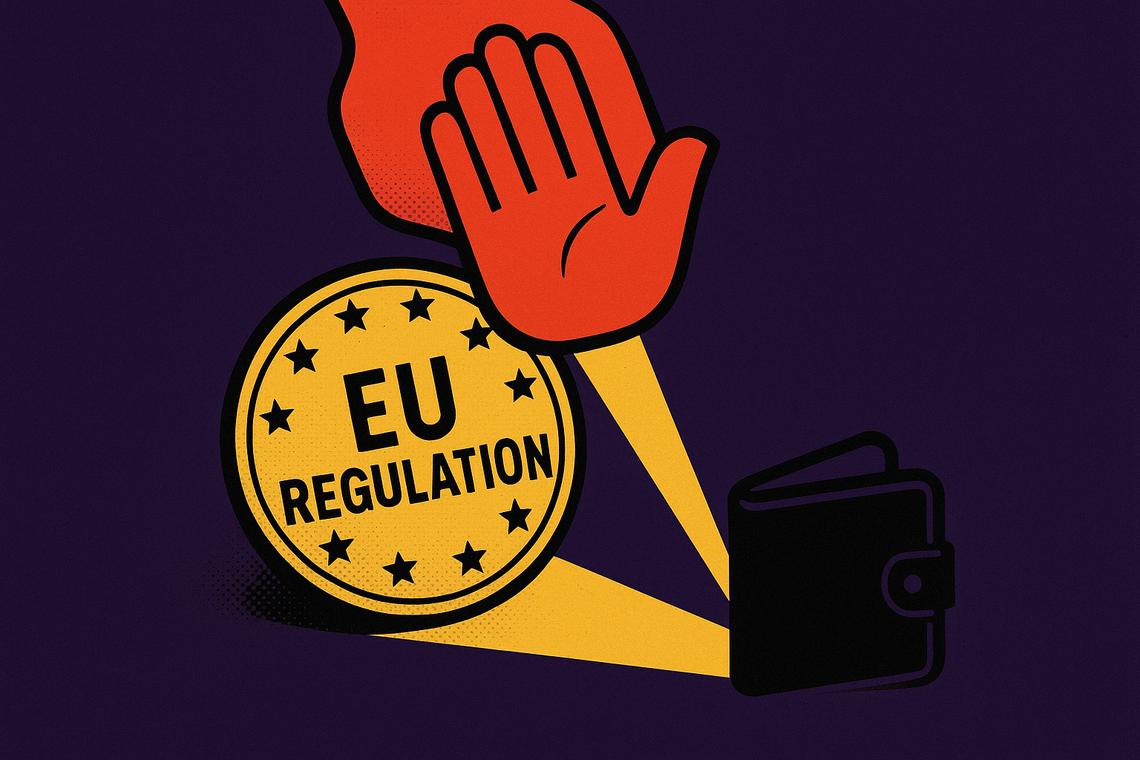
Here’s the thing about regulation designed to protect people: it only works if people stick around to be protected. Binance Co-CEO Richard Teng dropped a striking number at the Reuters NEXT Asia conference on July 9. Following the exchange’s pause of EU services, 70% of funds withdrawn by European users landed in self-hosted wallets. Only 30% moved to other MiCA-compliant platforms.
What happened and why it matters
Binance pulled its Markets in Crypto-Assets (MiCA) license application in Greece on June 24, citing approval delays. The EU’s transition period for MiCA compliance ended on July 1. Without a license, Binance couldn’t keep operating normally in the bloc, so European users were left with one option: withdraw their funds.
Net outflows from Binance hit $1.23 billion during the week beginning June 29, a 207% increase from the prior week. That’s a substantial chunk of capital exiting one platform in a single week, driven entirely by regulatory friction rather than market panic or a security breach.
Teng cautioned that the migration toward self-custody wallets could undermine the very consumer protection objectives that MiCA was built to achieve. Self-hosted wallets operate with significantly less regulatory oversight compared to licensed platforms.