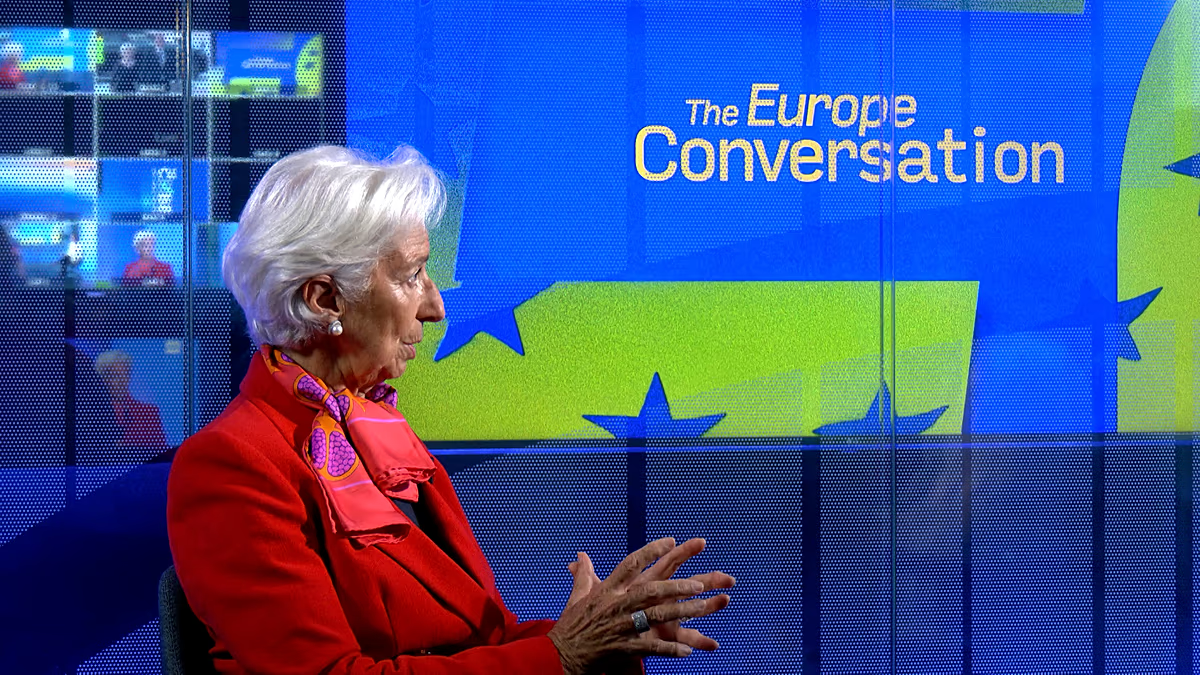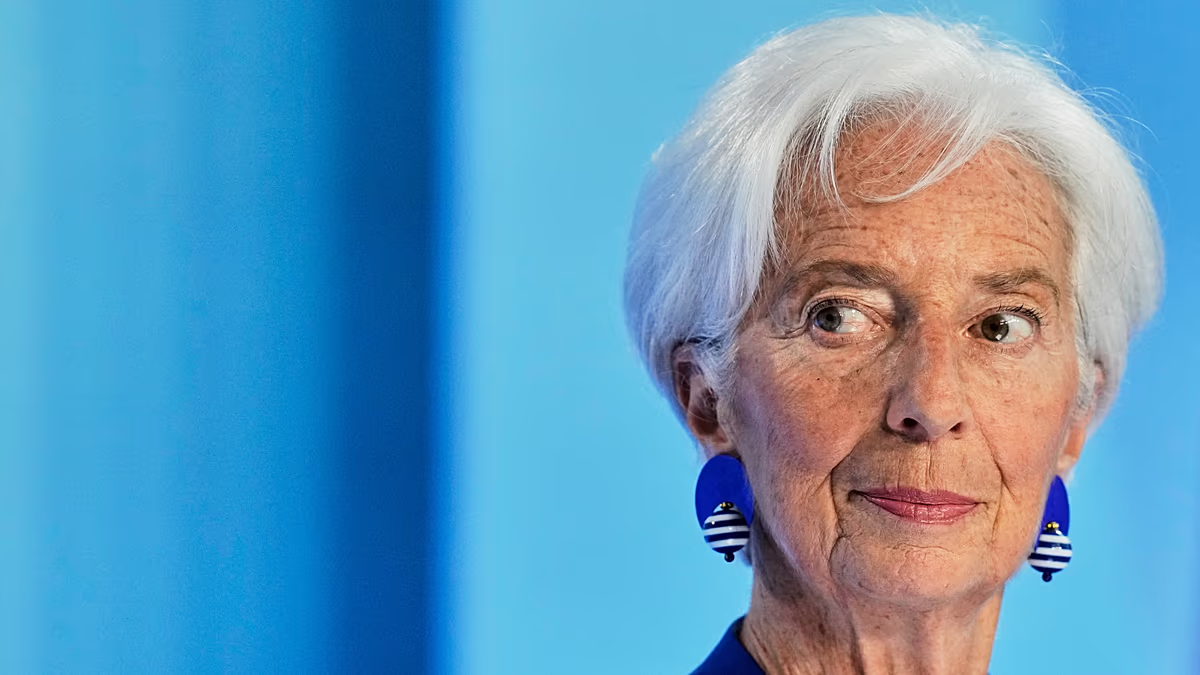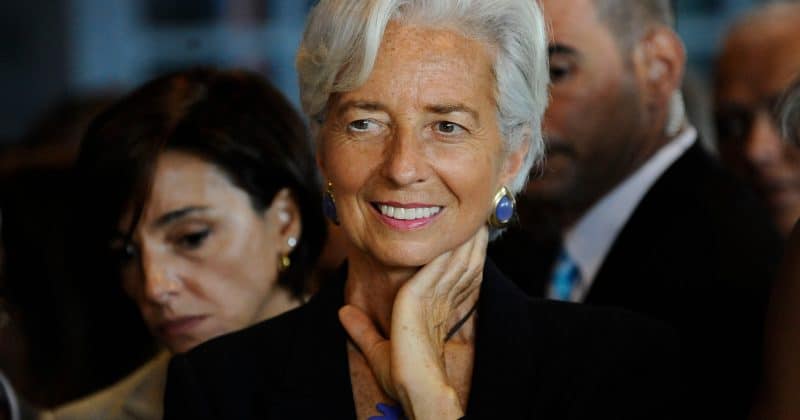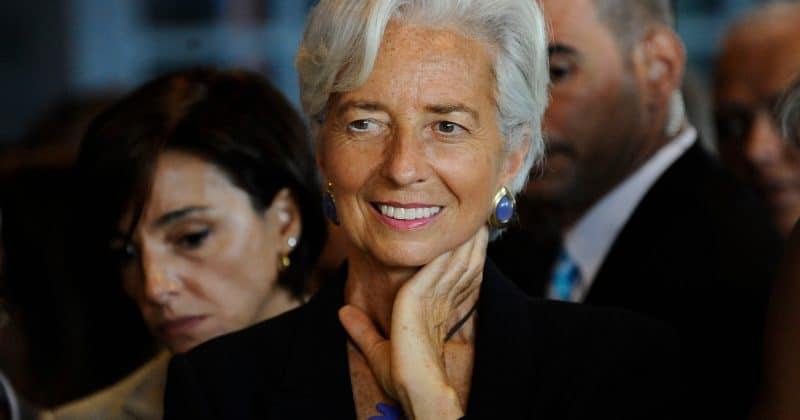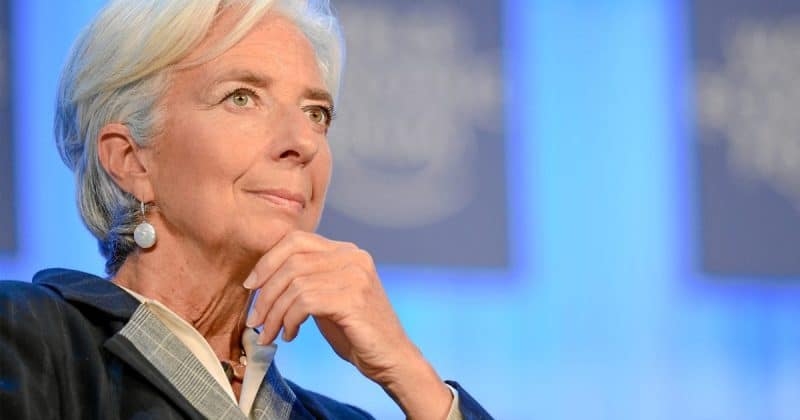
Christine Lagarde has a habit of saying the quiet part loud. In an exclusive interview with Euronews, the European Central Bank president declared it “pretty obvious” that Europe needs a safe, liquid asset that can compete with the United States on the global stage.
The problem with European safe assets today
German government bonds are the closest thing Europe has to a benchmark safe asset, and even those fall short. The convenience yield on German bunds rose from roughly 60 basis points in 2023 to about 90 basis points in 2025. US Treasuries, by comparison, carry a convenience yield of around 190 basis points.
The ECB’s own research, including a keynote address by Executive Board member Philip Lane delivered in April 2026 titled “Expanding the supply of euro safe assets,” has flagged this undersupply problem directly. The ECB’s June 2026 report on the international role of the euro noted that the currency did behave as a safe haven during multiple risk-off events in 2025 and early 2026. But safe-haven behavior in a crisis is not the same as being the default store of institutional capital in calm times.
The EU’s NextGenerationEU program has made some progress here. Common EU debt issuance is projected to reach roughly €1 trillion in outstanding bonds by the end of 2026. But analysts have noted that NextGenerationEU debt still lacks fully sovereign-like features, meaning it does not carry the unconditional, permanent backing that would make it a true Treasury equivalent.