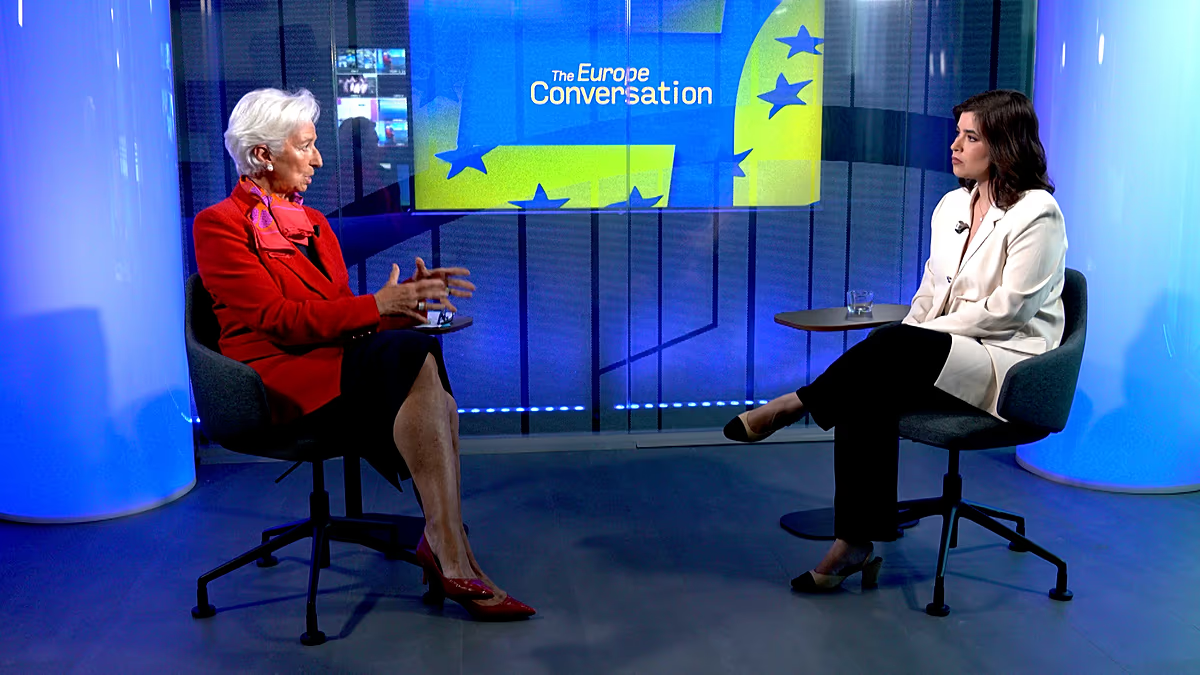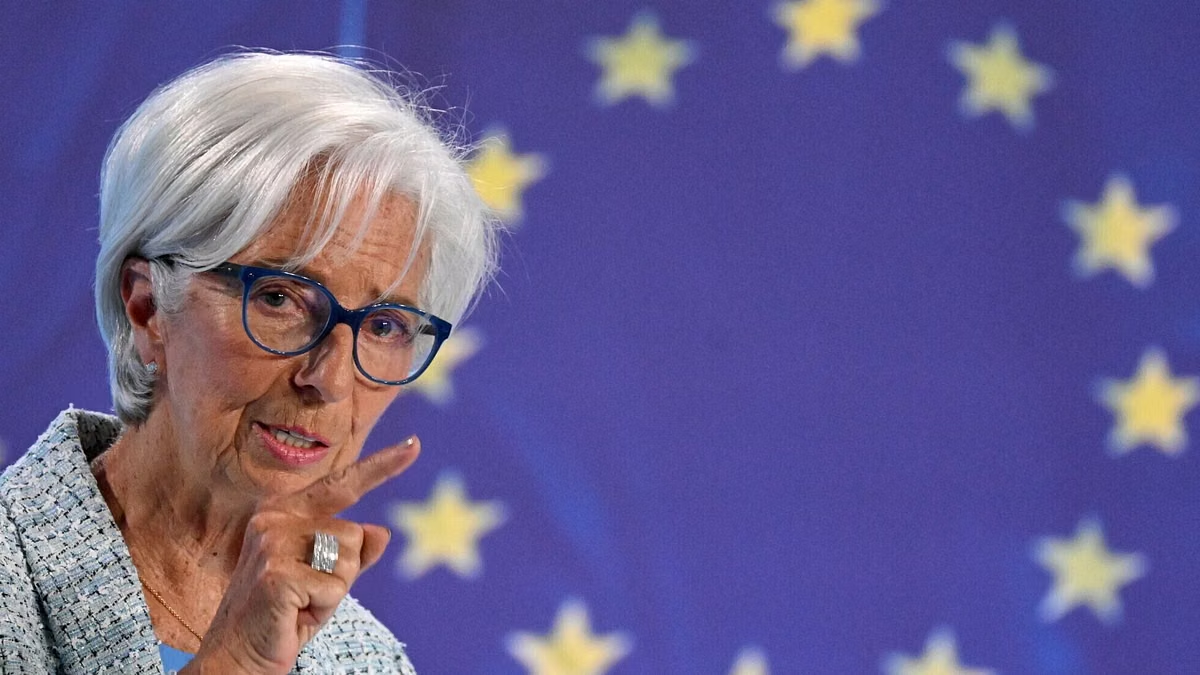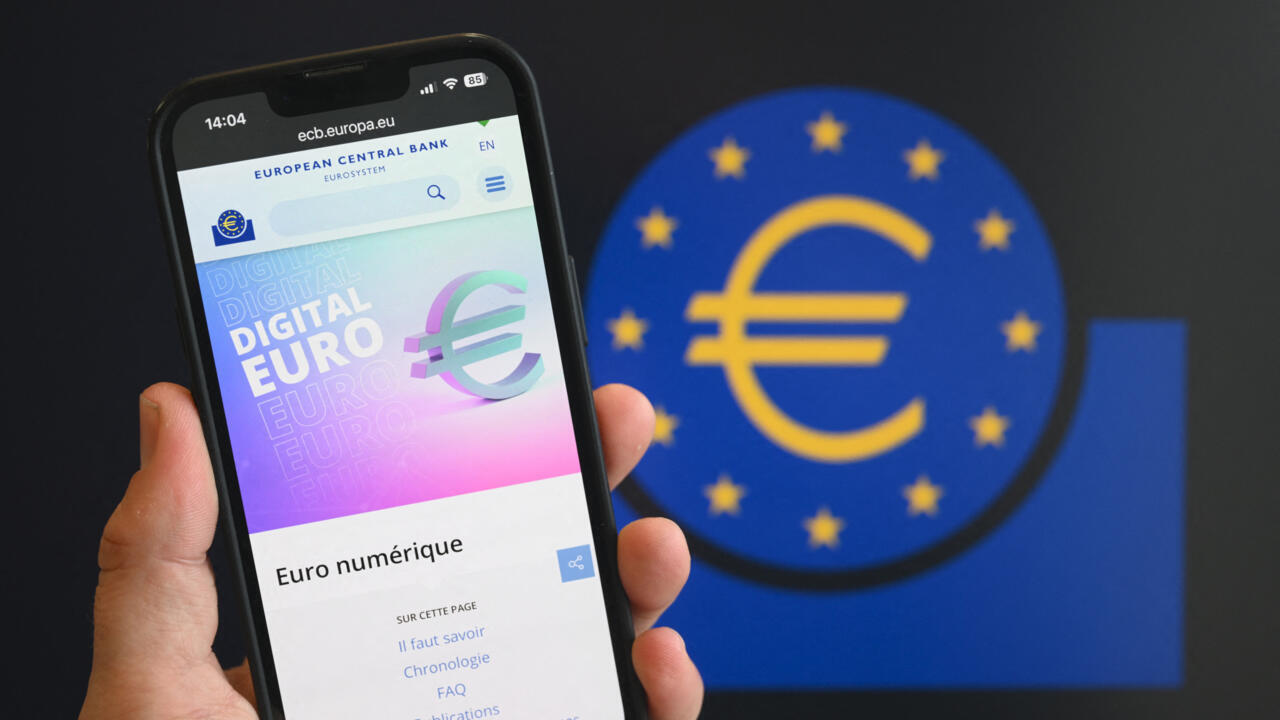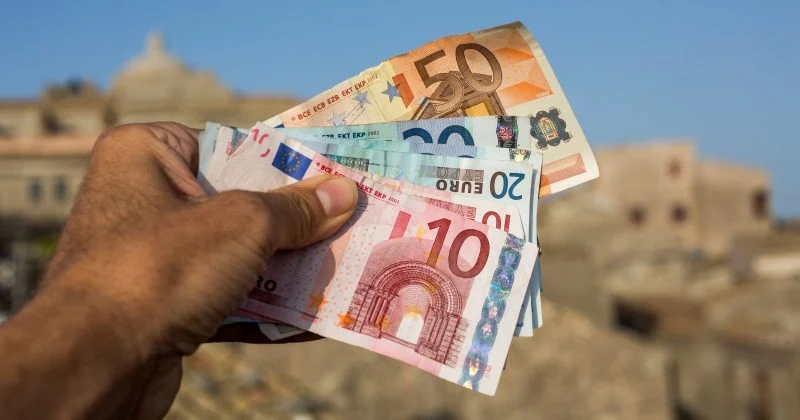
Christine Lagarde has a message for the euro area’s cash-loving public: the digital euro is not here to take anything away. In an exclusive interview with Euronews on July 9, 2026, the European Central Bank President made the case that Europe’s proposed central bank digital currency will sit alongside physical cash, not replace it, with both holding legal tender status across the eurozone.
The timing matters. The interview came just weeks after the European Parliament’s ECON Committee voted 43 to 14, with one abstention, on June 23, 2026, to advance the digital euro’s regulatory file. That vote moved the project into a new legislative phase, and the political noise around it, specifically the fears about surveillance and cash elimination, got loud enough that the ECB’s president felt compelled to address them directly.
What Lagarde actually said
Lagarde pushed back on both concerns. She framed the digital euro as a privacy-conscious project designed to give Europeans a public alternative to the private payment networks that currently dominate the continent.
Roughly 60% of card transactions in Europe currently flow through US-operated networks like Visa and Mastercard. The ECB’s pitch for the digital euro is partly a geopolitical one, reducing Europe’s dependence on foreign infrastructure. Lagarde described the project as essential for monetary sovereignty in the digital age.