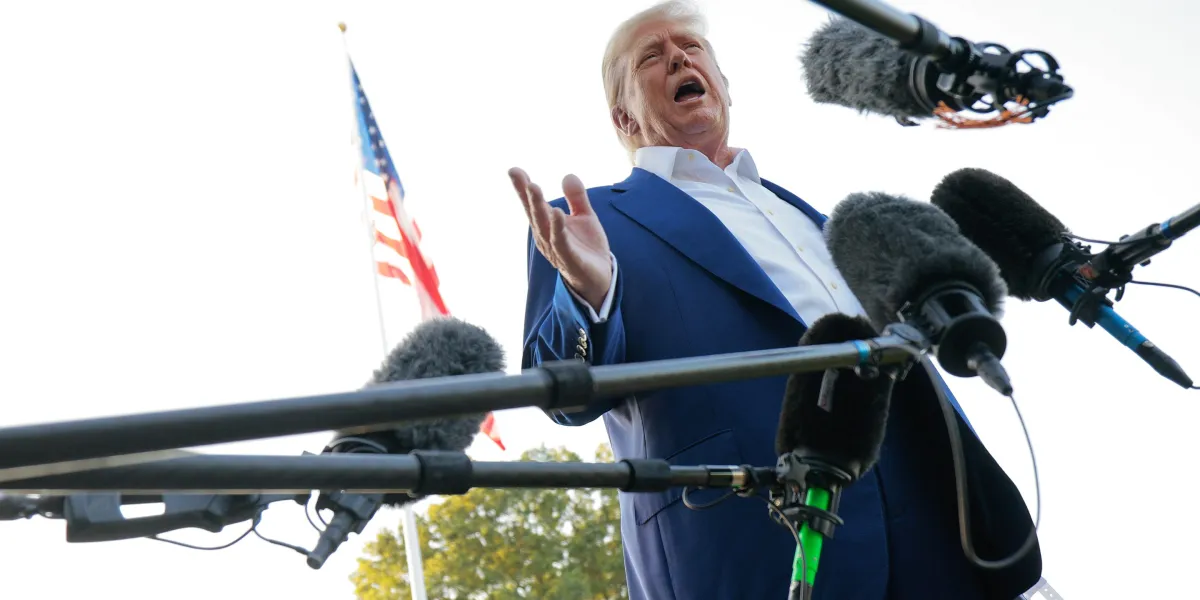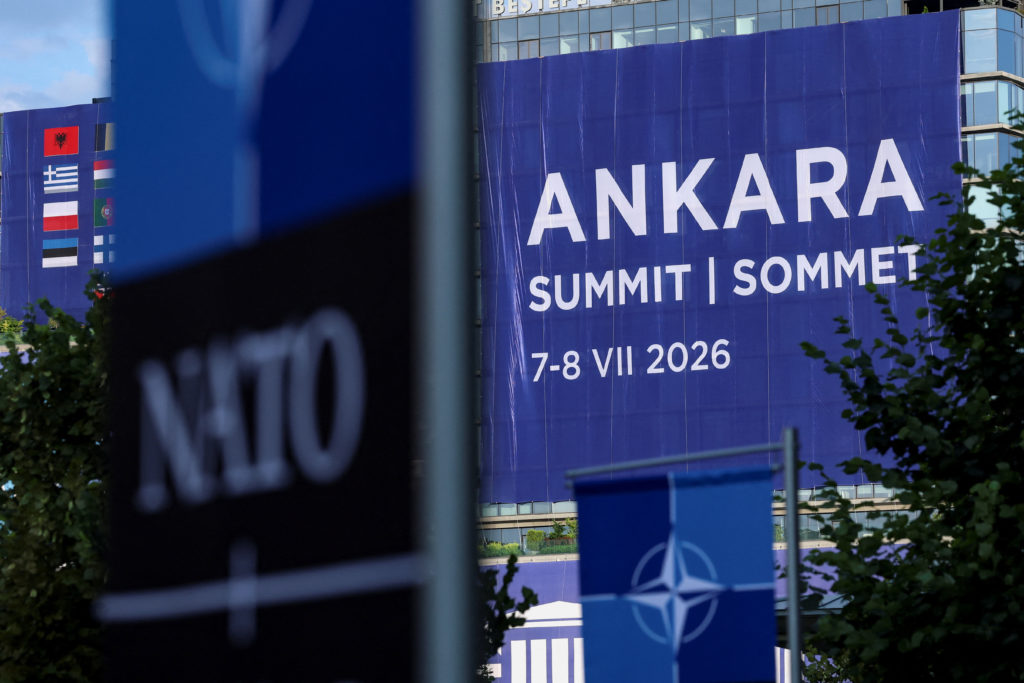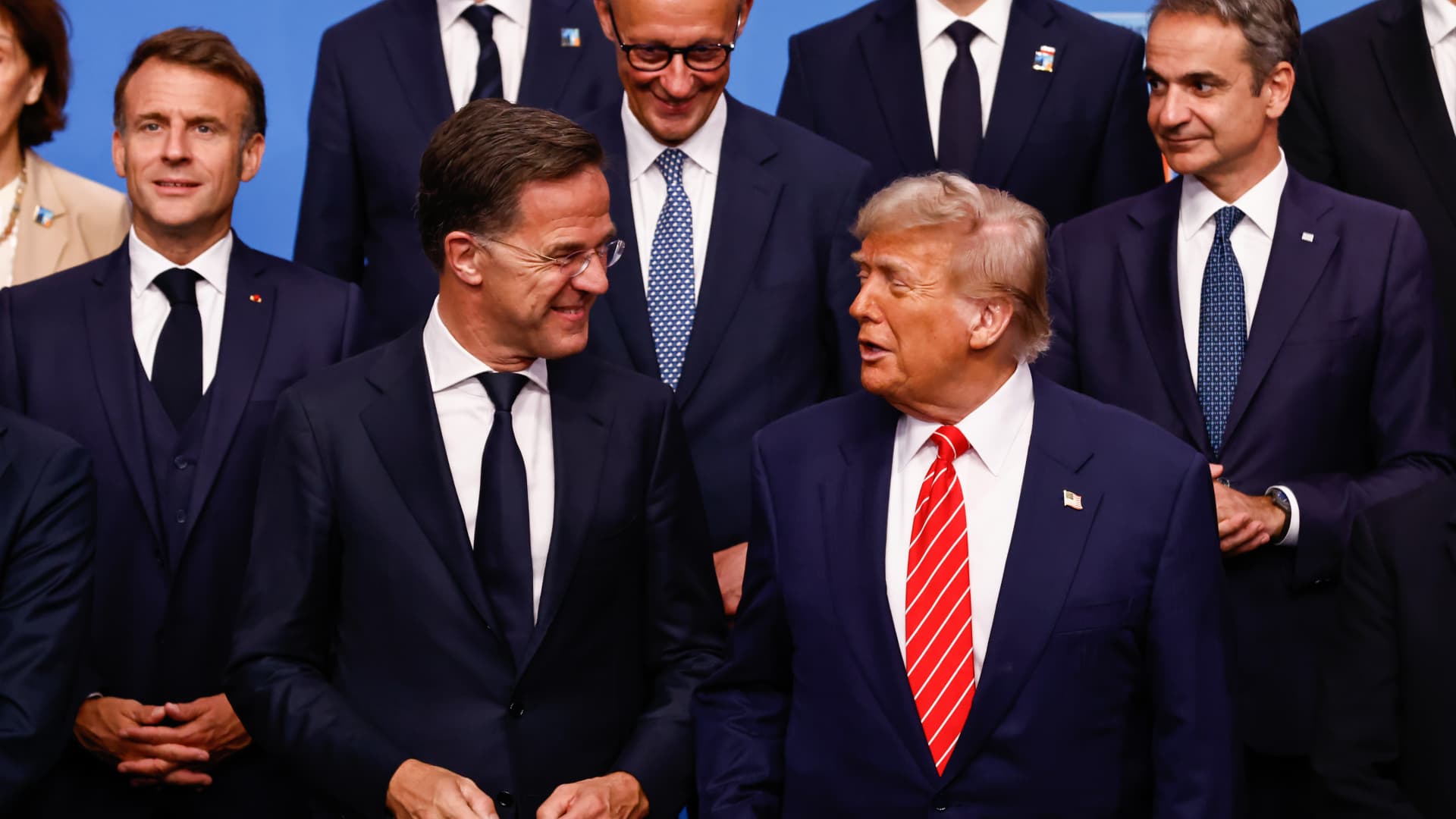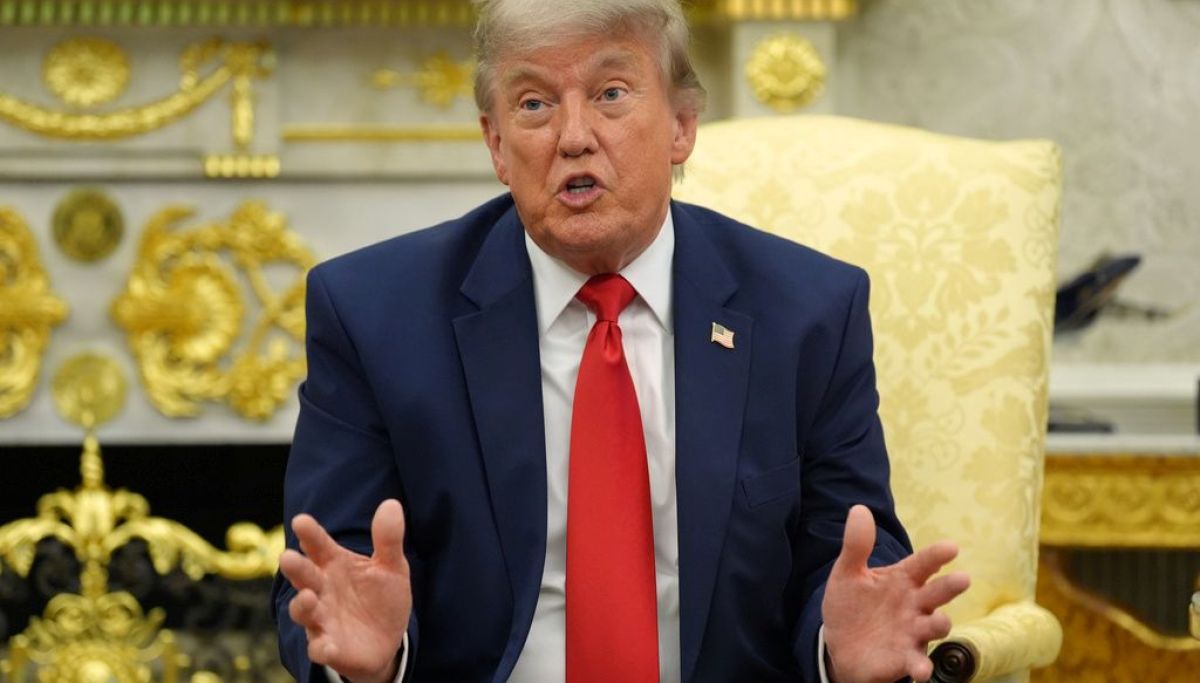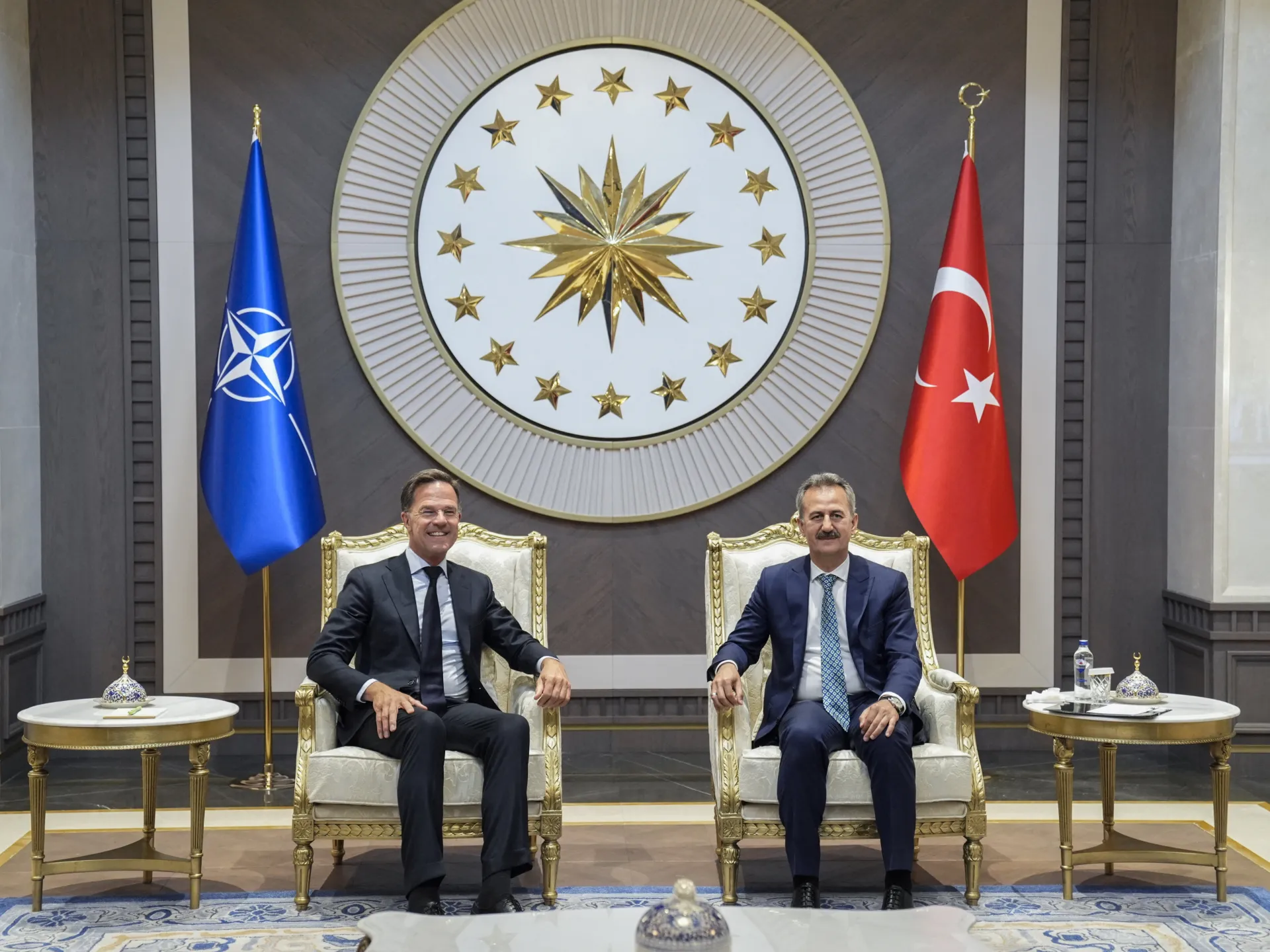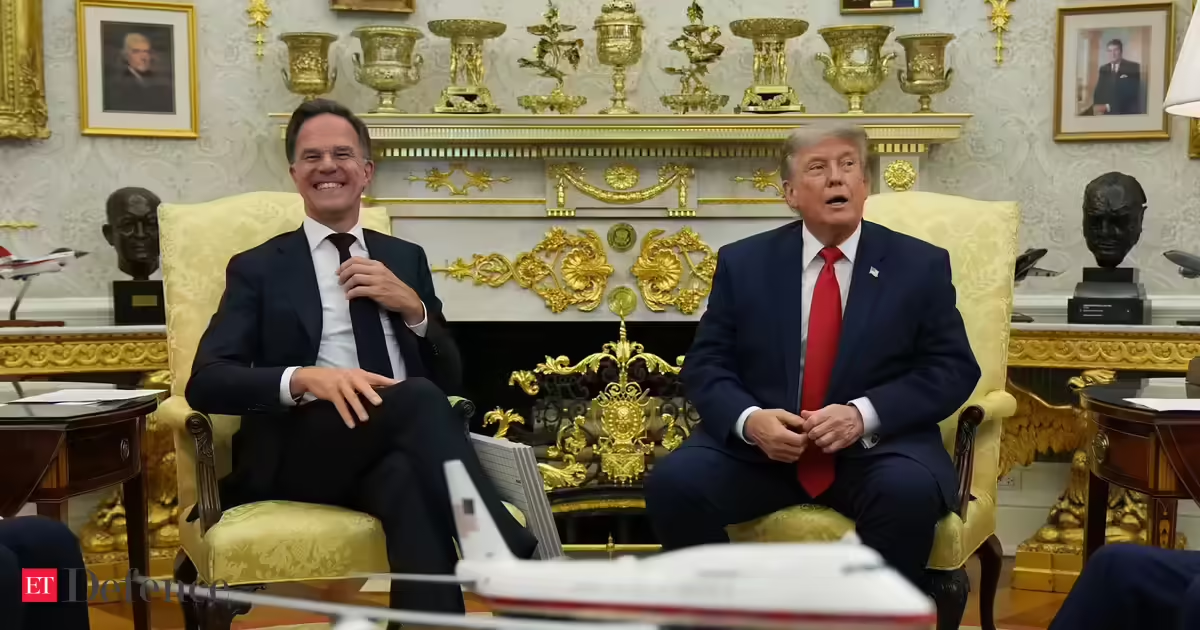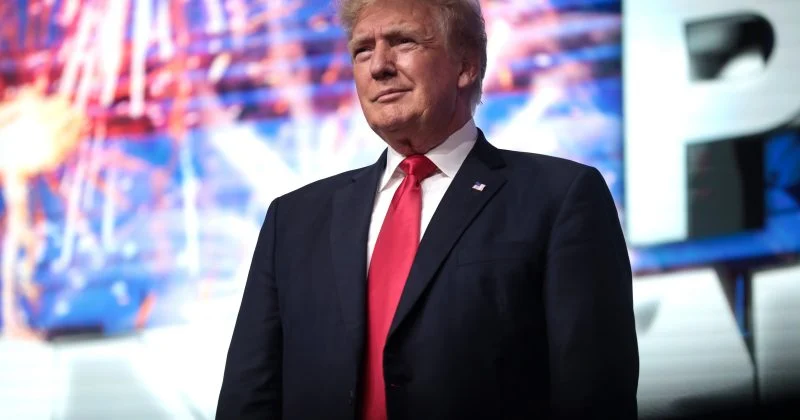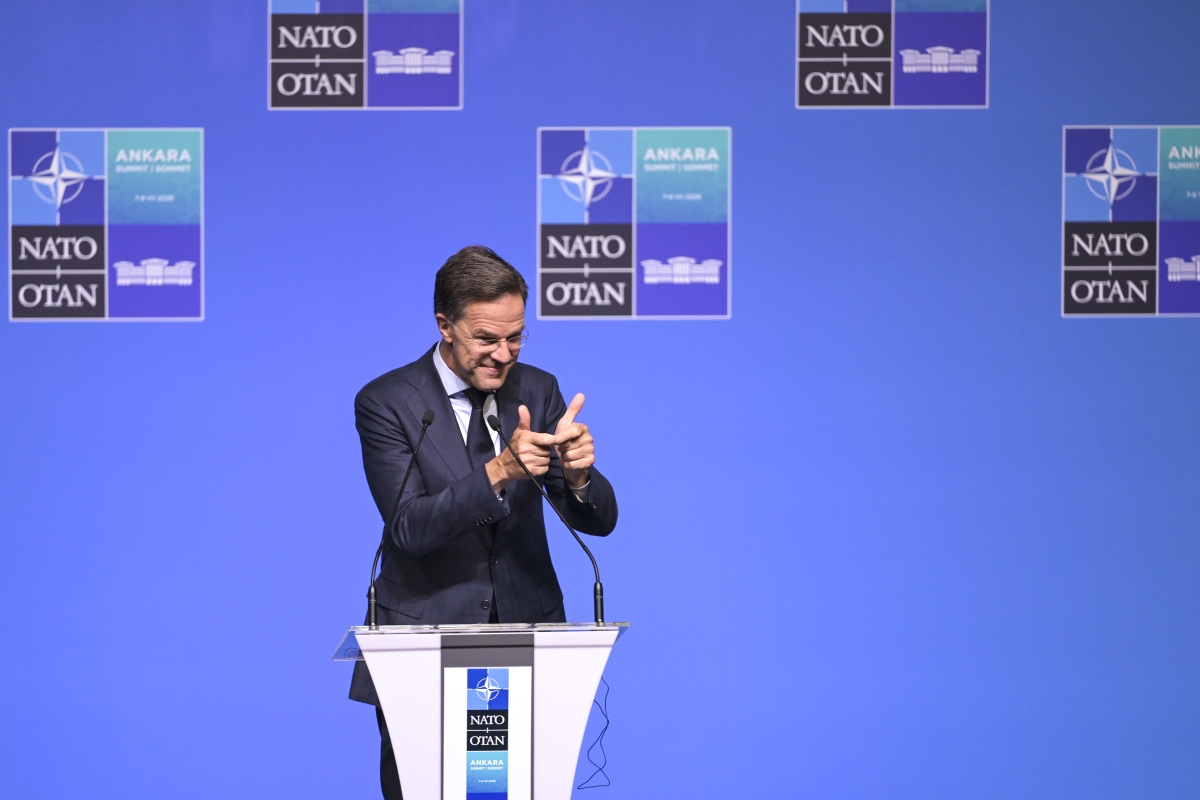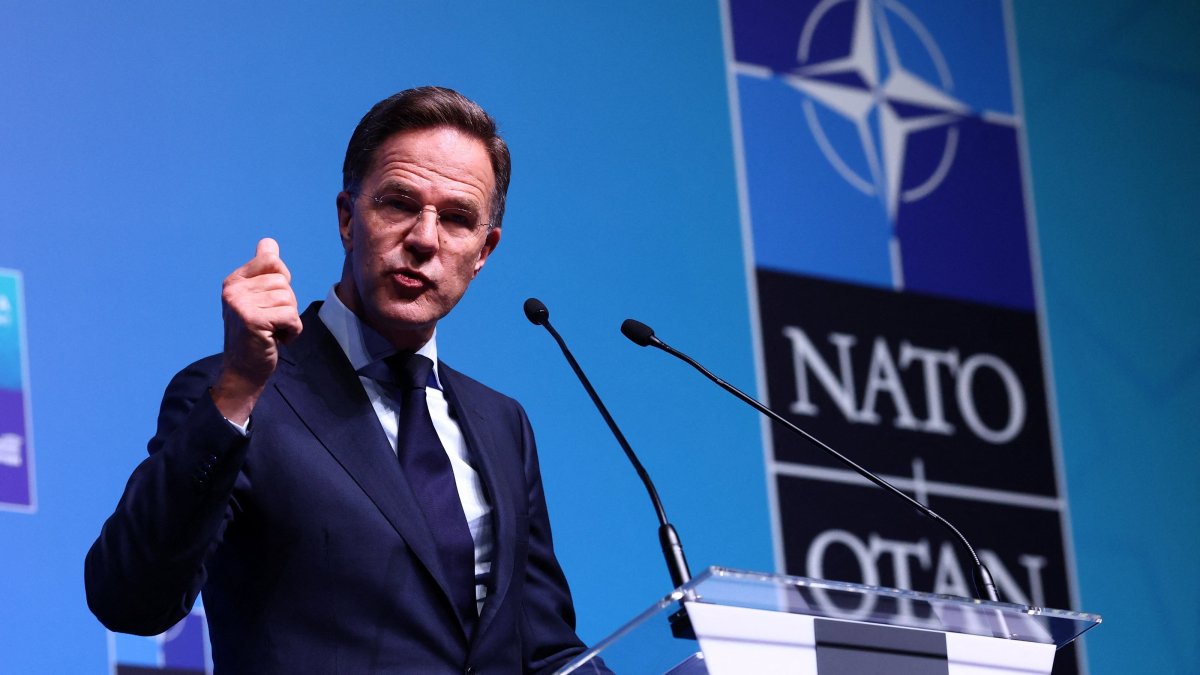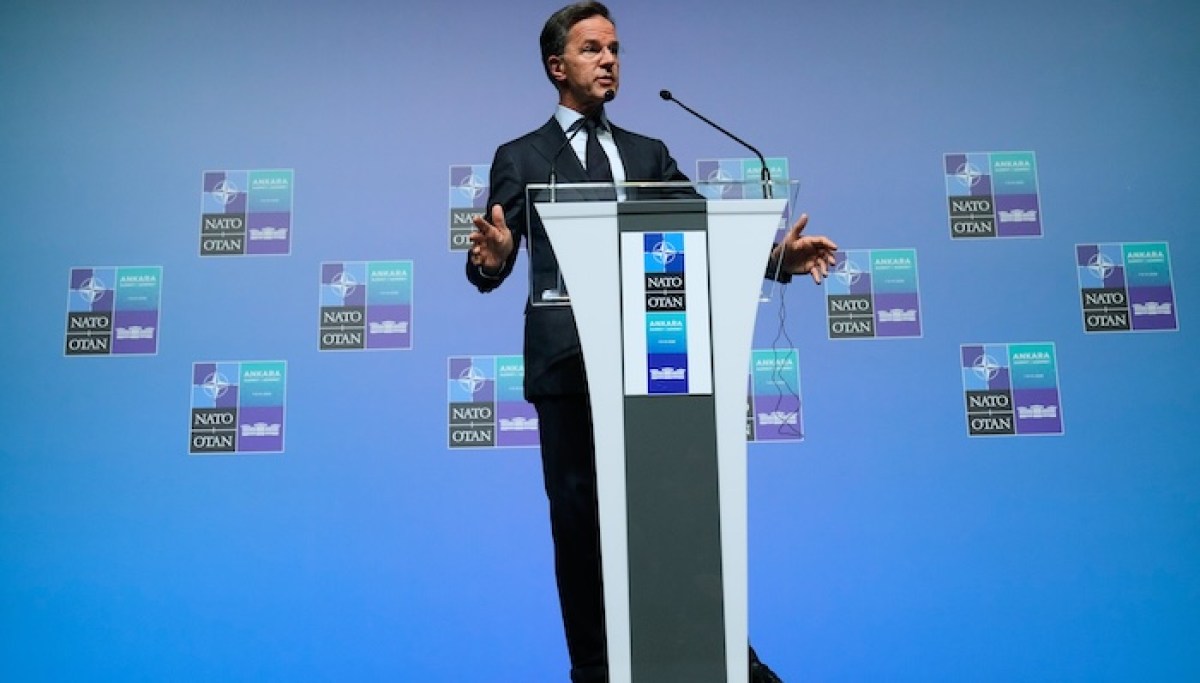
Before and during this year’s NATO summit, President Donald Trump was adamant that members of the alliance sincerely pledge to reach 5% of GDP spending by 2035.NATO Secretary-General Mark Rutte attempted to appease Trump’s pressure at the summit in Ankara, Turkey, this week by announcing new defense contracts that include increased funding for drone training, counter-drone technology, new aerial refuelers, and high-end space capabilities.It didn’t stop Trump’s criticisms. “I was very disappointed with NATO,” the president said at the start of the summit.
But he did appear willing to change his tune on NATO after closed-door meetings with leaders. “I just want to say there was tremendous love in that room,” Trump told reporters during a final press conference before returning to Washington. Yet, the president’s willingness to play nice doesn’t mean he wasn’t serious about Europe taking more financial control of NATO. There is still the possibility that Trump could reduce troops on the continent if he’s not appeased or follows through on his threat to halt trade with Spain and other countries that have angered him. The nations that are on target to reach 5% of GDP spending
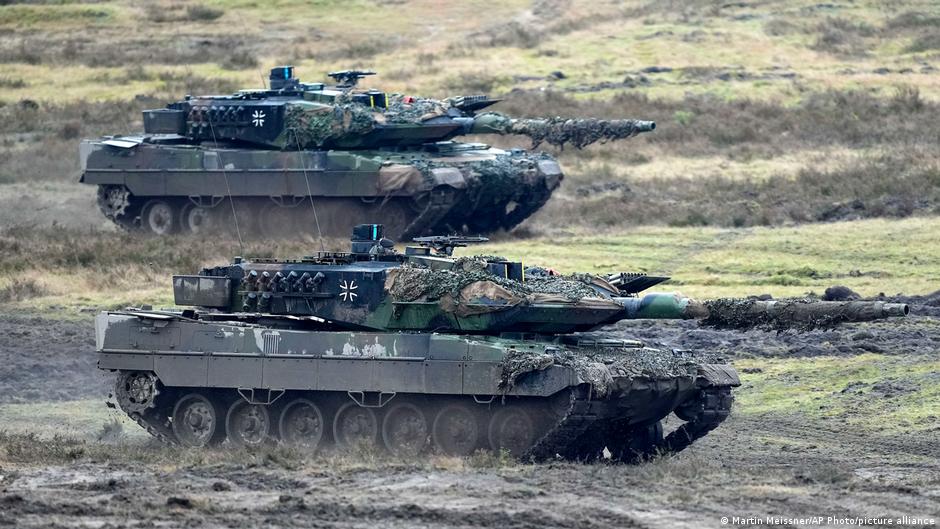
At last year’s NATO summit in The Hague, the Netherlands, the alliance agreed to spend 3.5% of GDP on core military capabilities and 1.5% on broader defense- and security-related investments by 2035, an increase from the 2% of GDP previously established. At least five members will hit the target of spending 3.5% of GDP on core defense items this year, according to updated data from the alliance. Lithuania took the top spot with core defense expenditure estimated at 5.33% of GDP, with Estonia at 5.1%, Latvia at 4.92%, Poland at 4.68%, and Greece at 3.65%.Denmark is estimated to be just short of the target goal at 3.49%. NATO also claimed that 17 members will reach the 1.5% goal for defense and security-related investments this year. The nations that are not on track to hit their goal