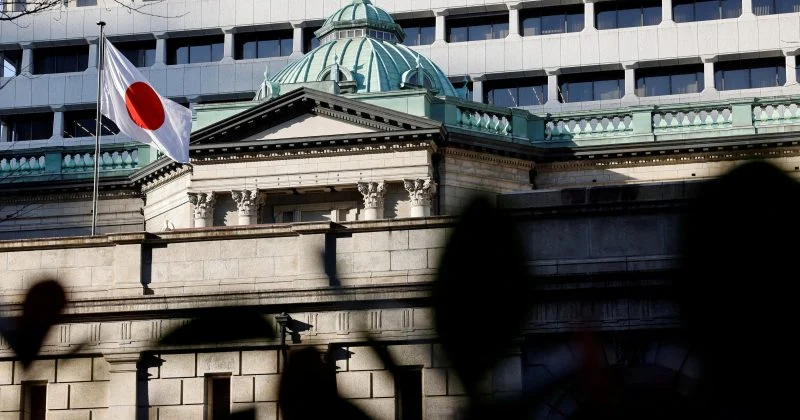
Japan’s government just blinked. After floating an economic blueprint in June that essentially asked the Bank of Japan to play nice with the ruling party’s growth agenda, Tokyo is now revising that document to explicitly affirm the central bank’s independence. The about-face came on July 8, and it tells you everything you need to know about how much markets hate the smell of political interference in monetary policy.
Prime Minister Sanae Takaichi’s administration proposed the revisions after the June draft drew sharp backlash from investors. That earlier version had urged the BOJ to align its policies with boosting private demand and supporting the government’s reflation strategy.
The numbers tell the story
Japan’s 10-year government bond yield hit 2.865% on July 8, its highest level in 30 years. The BOJ’s policy interest rate now sits at 1%, a 31-year high. The central bank has raised rates multiple times in 2026 to combat inflationary pressures, with inflation hovering around the 2% target for roughly four years running.
The revised blueprint attempts to draw a clearer line between fiscal policy, which the government controls, and monetary policy, which the BOJ is supposed to manage independently. That distinction might sound obvious, but the June draft had blurred it enough to make institutional investors genuinely nervous.