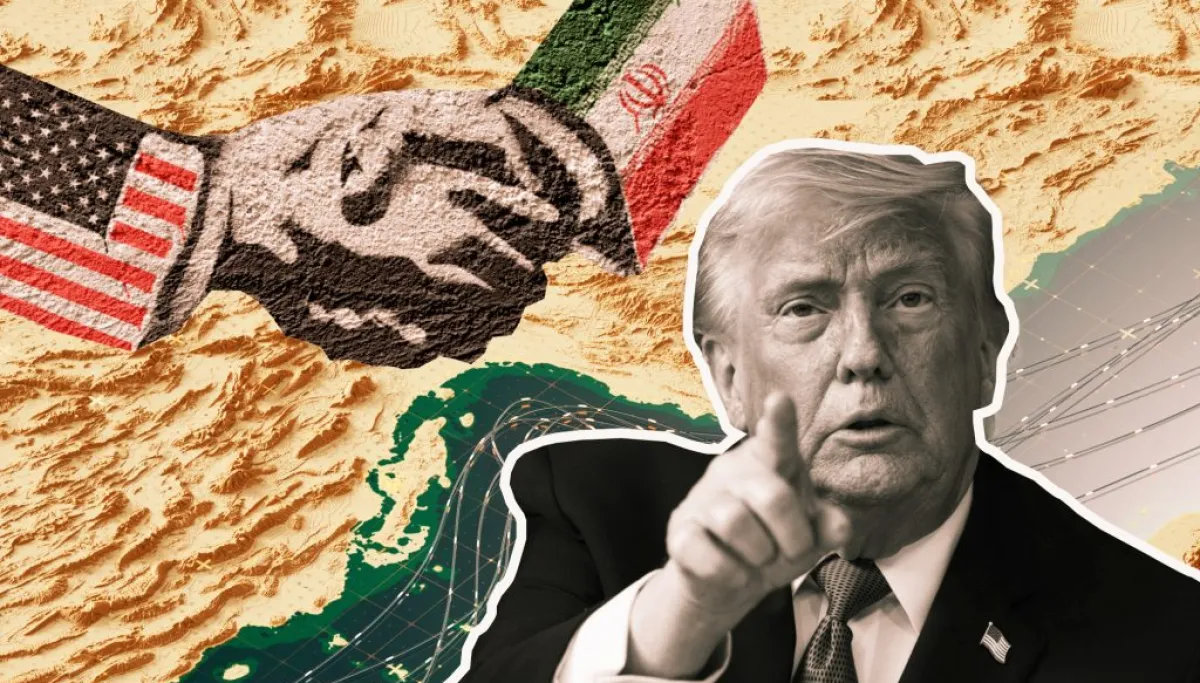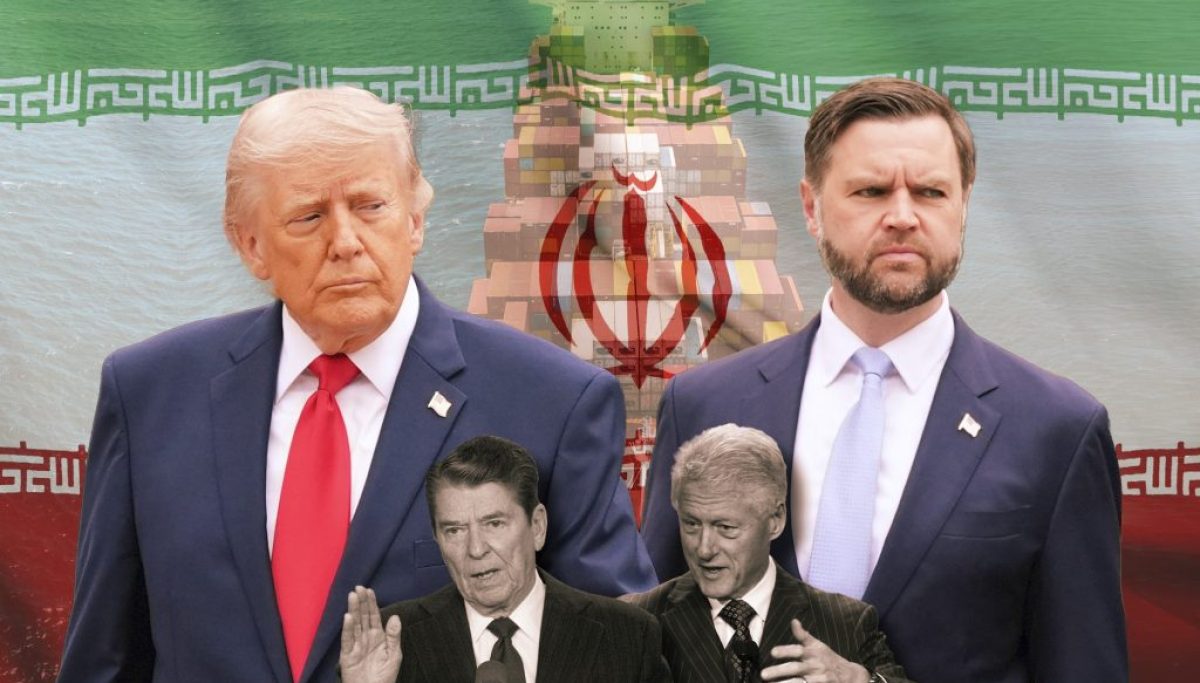
In Focus delivers deeper coverage of the political, cultural, and ideological issues shaping America. Published daily by senior writers and experts, these in-depth pieces go beyond the headlines to give readers the full picture. You can find our full list of In Focus pieces here.“History repeats itself,” Karl Marx famously observed, “first as tragedy, second as farce.” When it comes to American presidents and Iran, someone has been holding the repeat button.In his remarks prior to signing a memorandum of understanding with Iran, President Donald Trump said that the Iranian regime’s leadership was “very rational” and “not radicalized.”
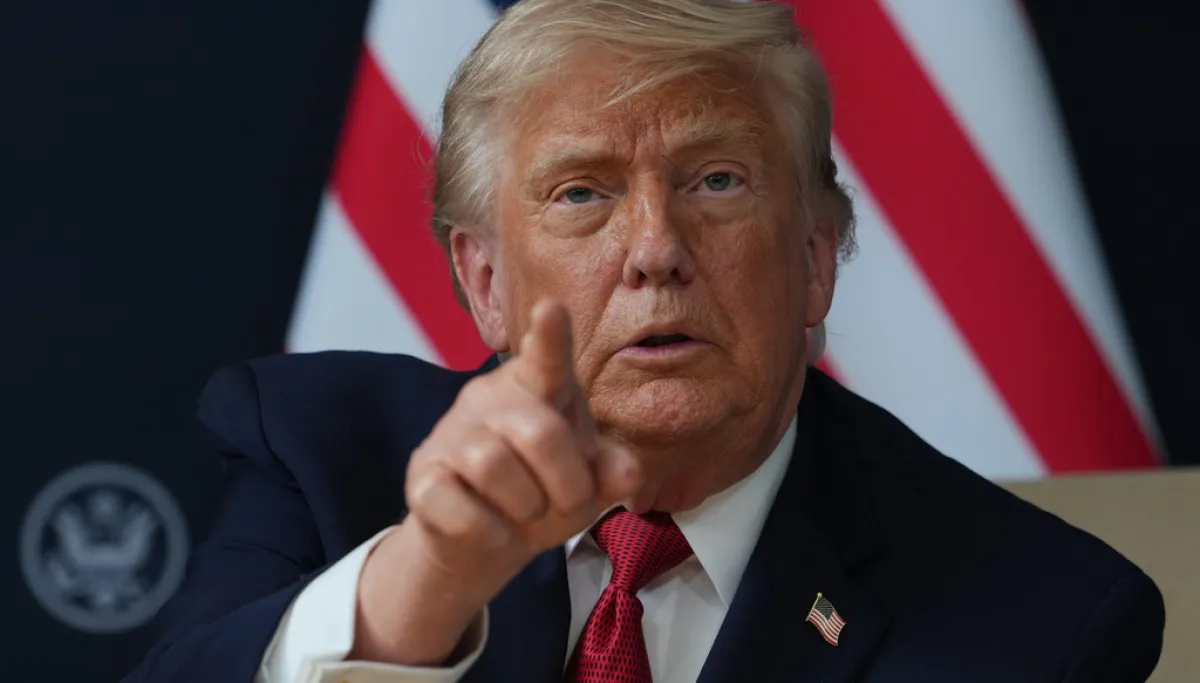
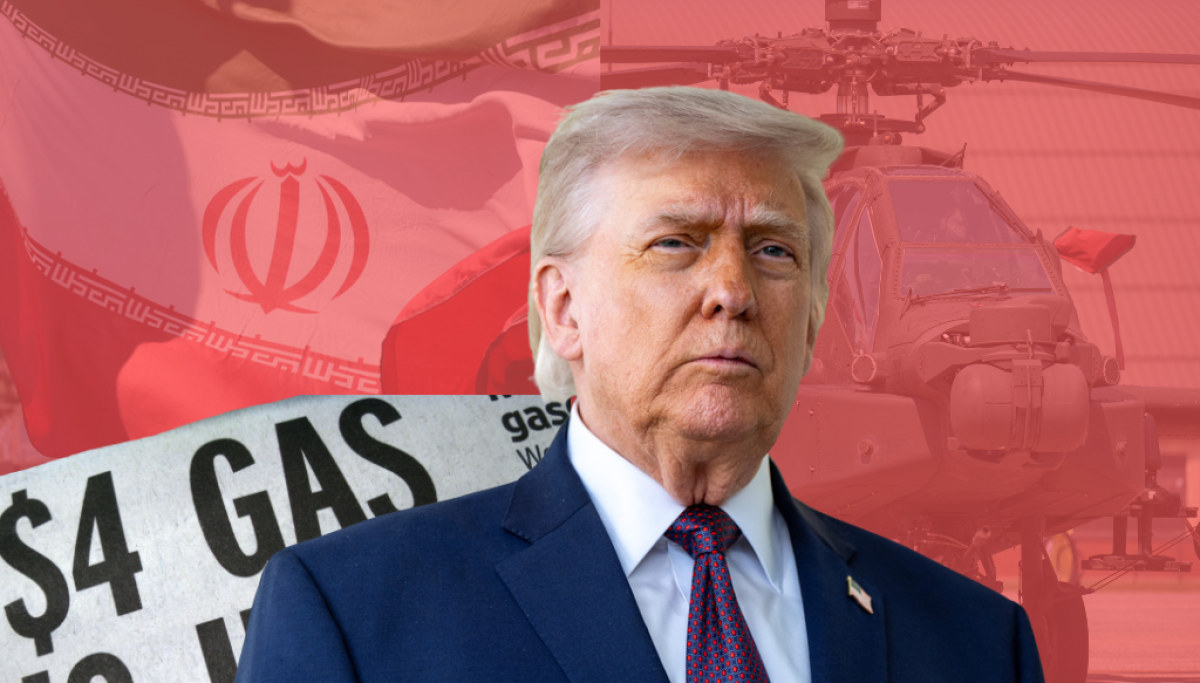
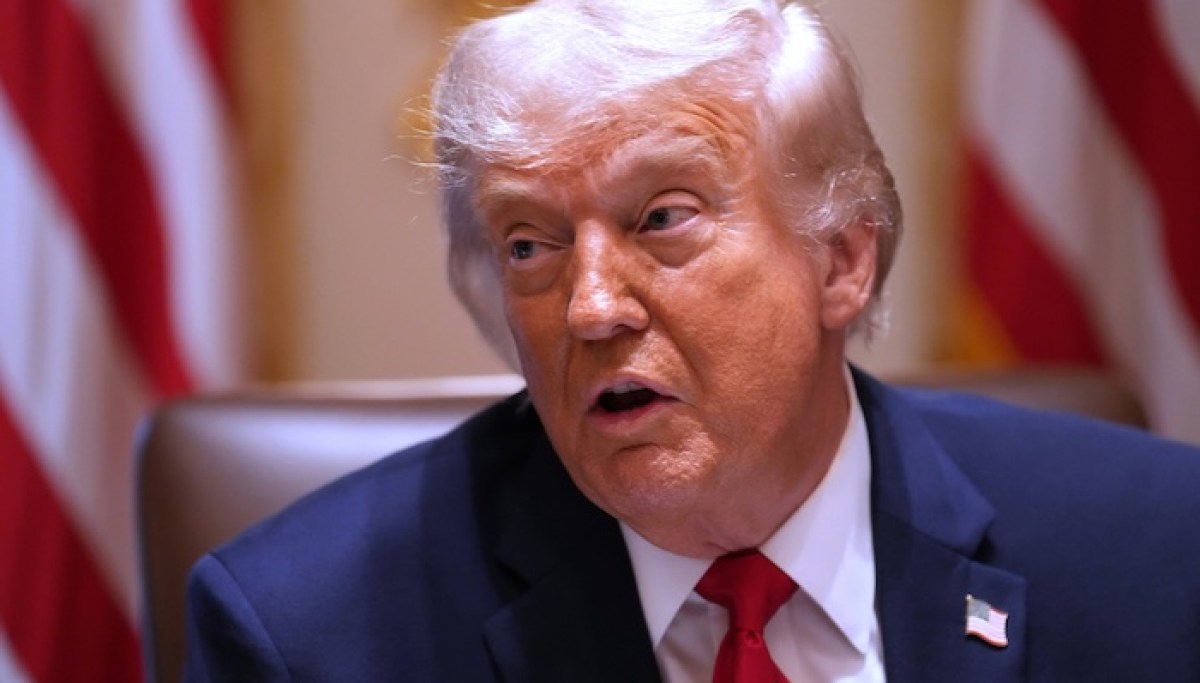
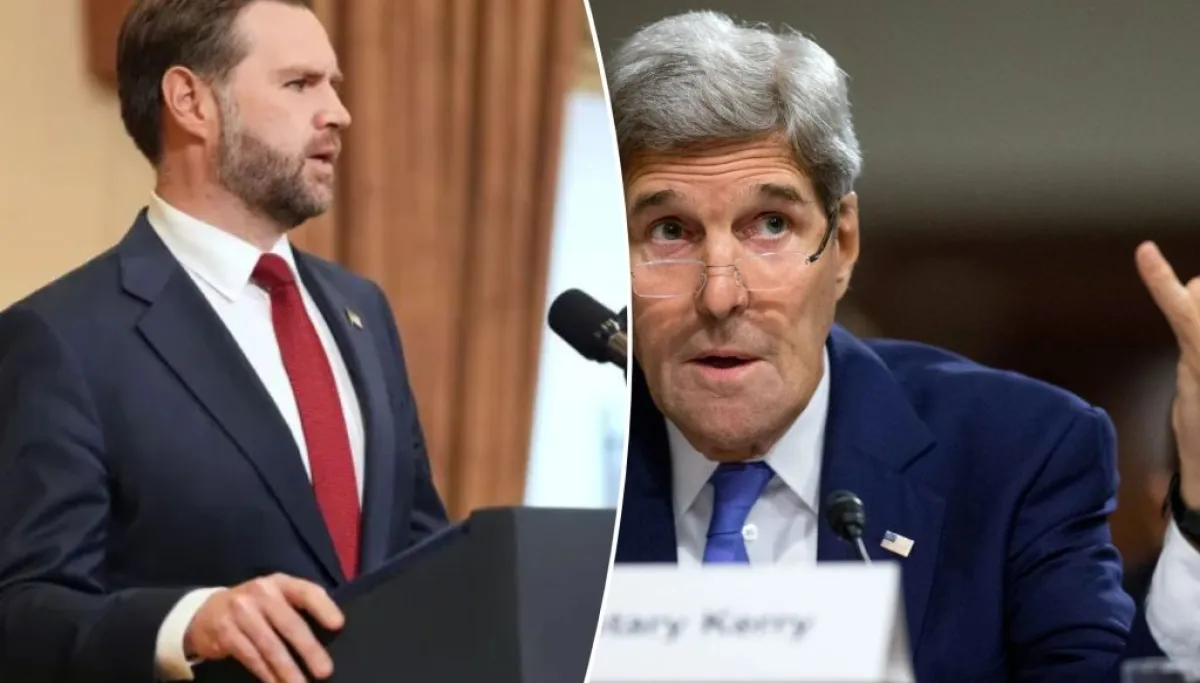
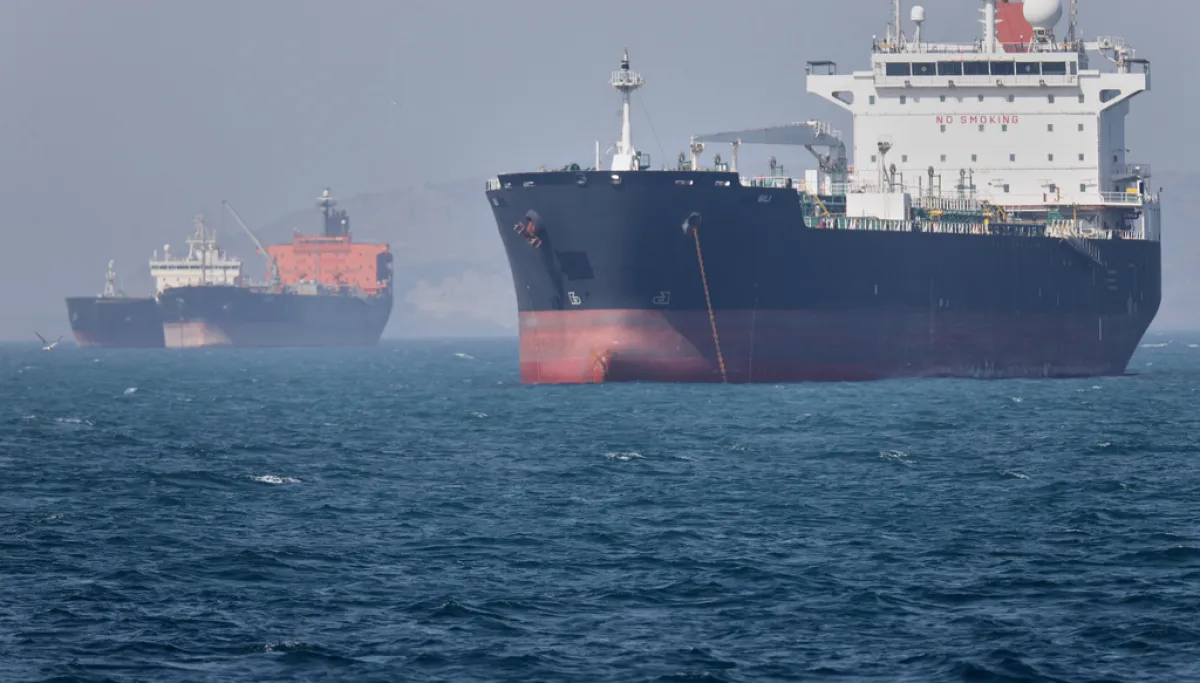
On June 16, the president told reporters, “We’re dealing with people that I think are very rational people. They were nice to deal with. They were strong people, smart people. I think actually they’re smarter than the first and second group, but they’re not radicalized, and they’re, you know, looking to help their country.”Vice President JD Vance said that “it’s worth seeing” if the “incredible pressure” that the United States has put on Iran will lead the regime to change its behavior.The vice president is correct to note that the U.S. not only has tremendous leverage over Tehran but that the circumstances preceding negotiations with the Iranian regime are very different than they were more than a decade ago under then-President Barack Obama.The Trump administration and its Israeli ally took the fight to Iranian soil and delivered massive and devastating blows. The upper echelons of the regime’s political and military leadership were eliminated and its defense industrial base severely degraded.The U.S. easily obtained air supremacy and put Iran’s navy into “the bottom of the ocean,” as War Secretary Pete Hegseth memorably put it.This is a significant achievement that is singular in the annals of American history.(Washington Examiner illustration; AP photos; Getty Images)