Show Caption
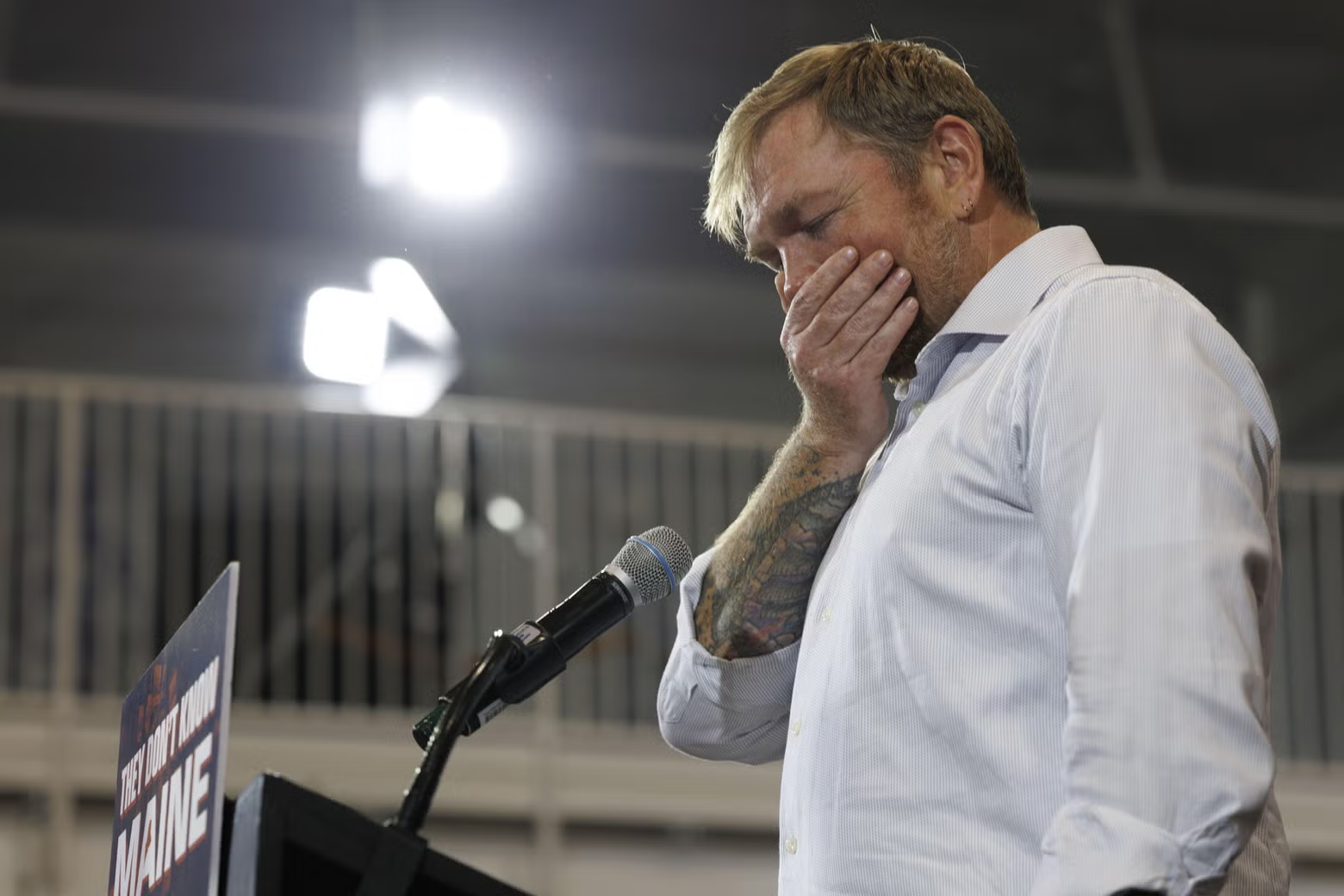
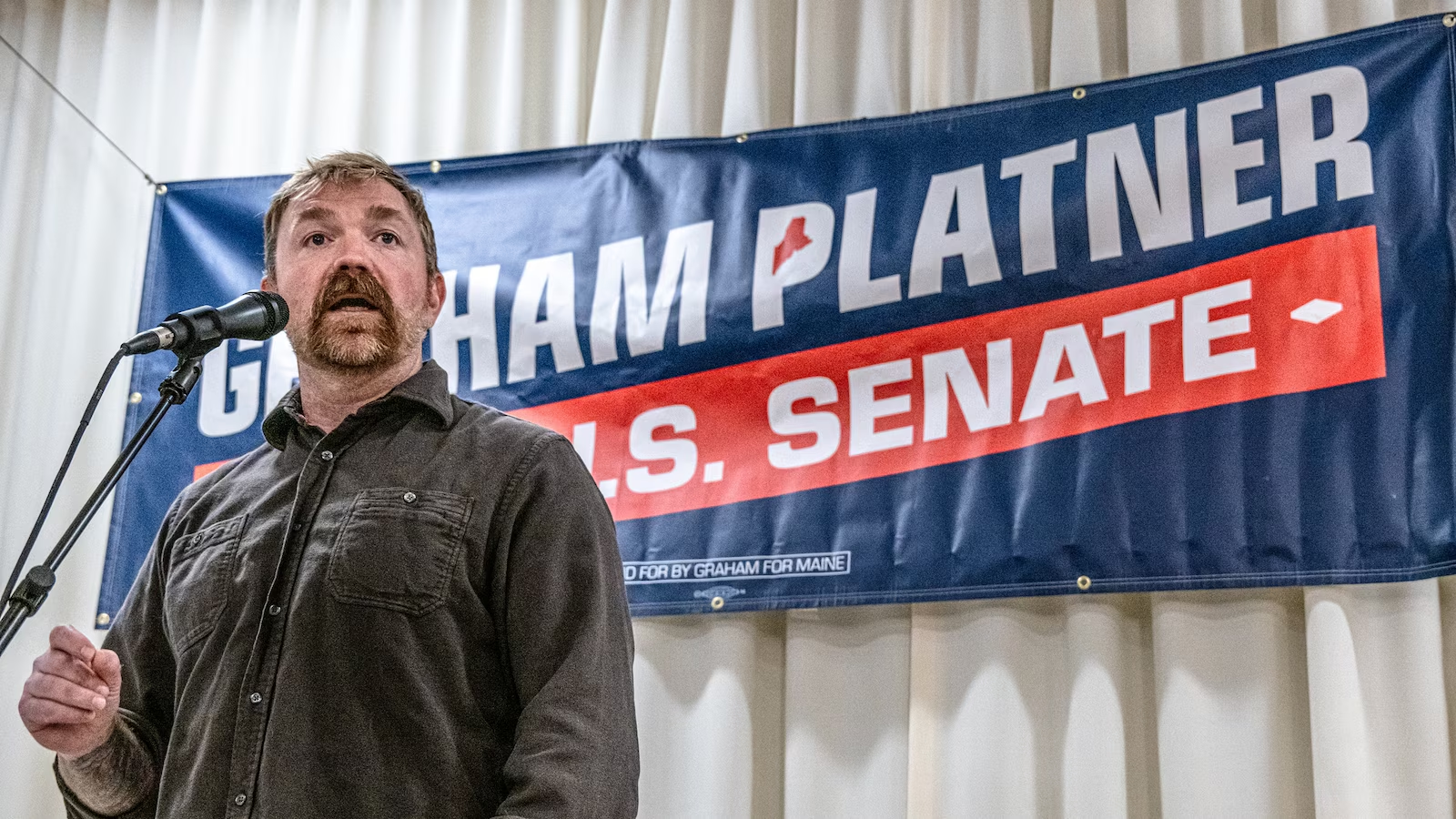
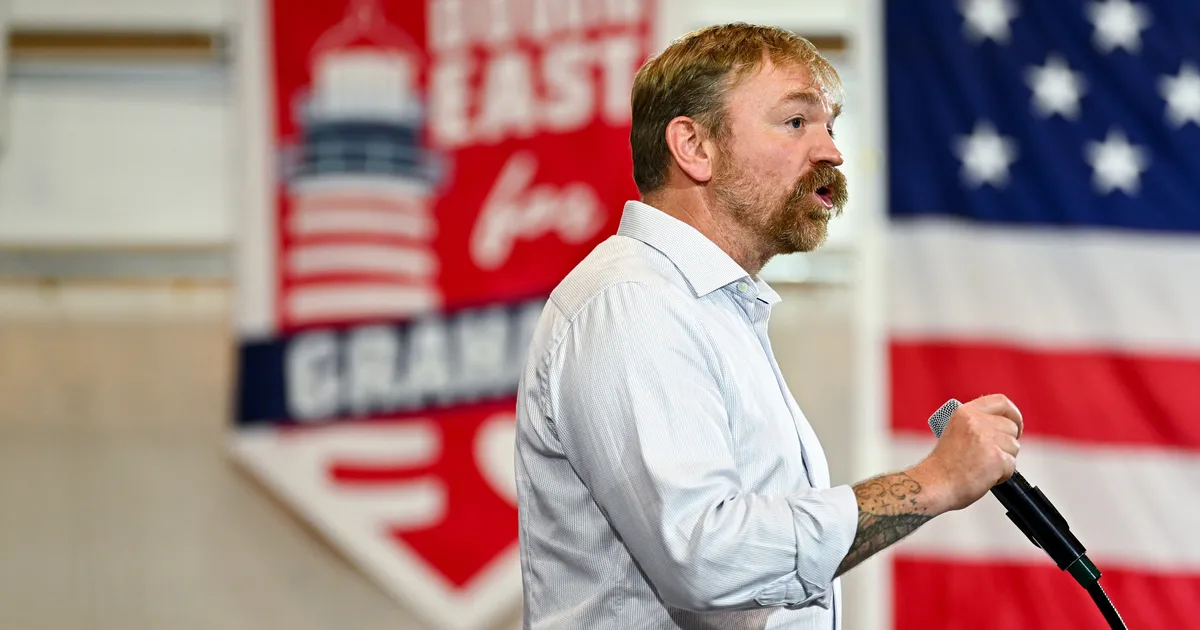
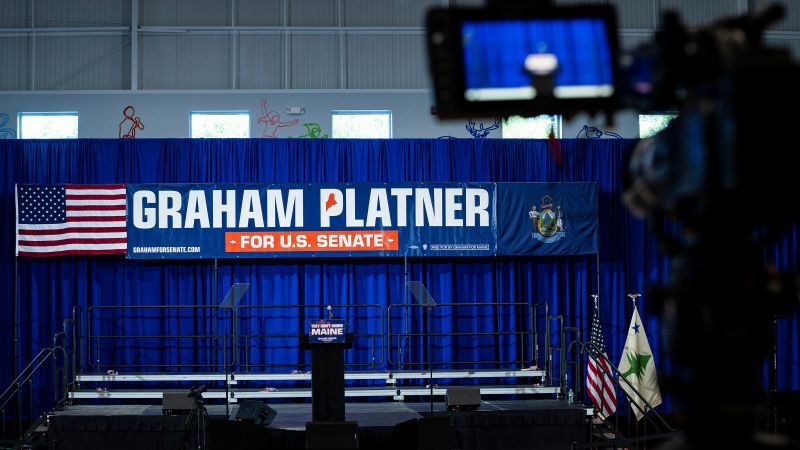
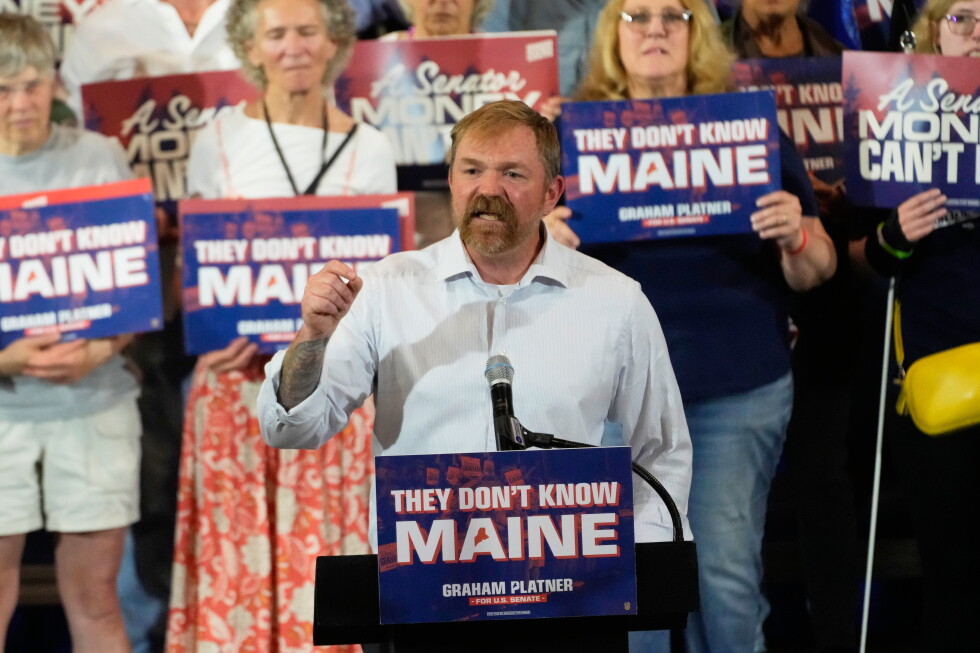
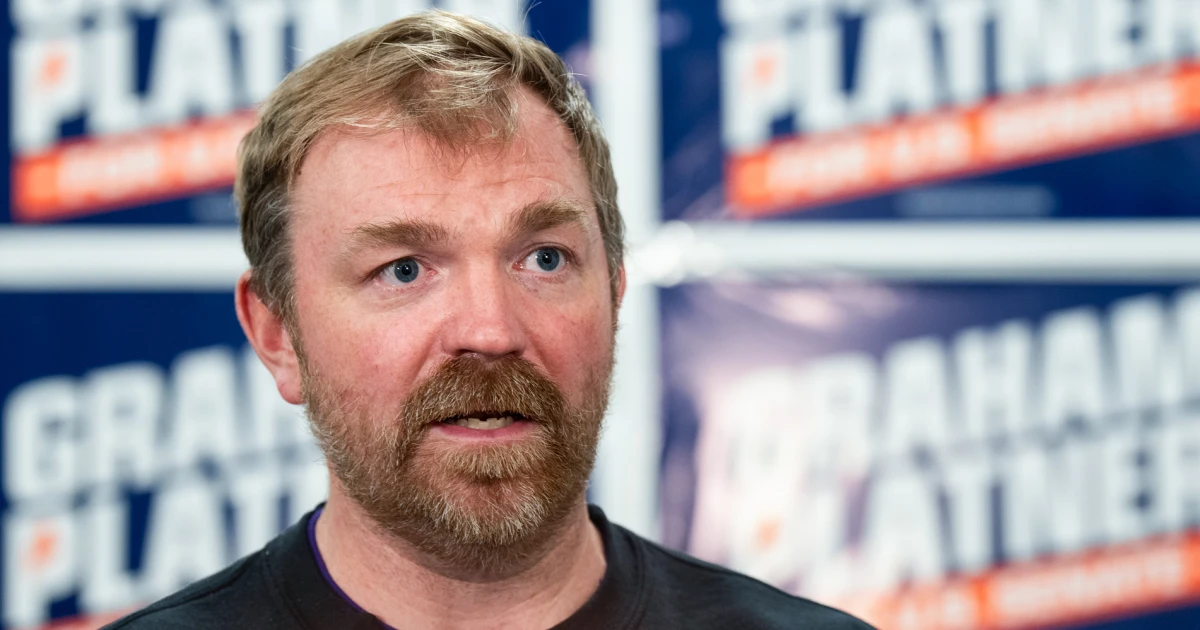
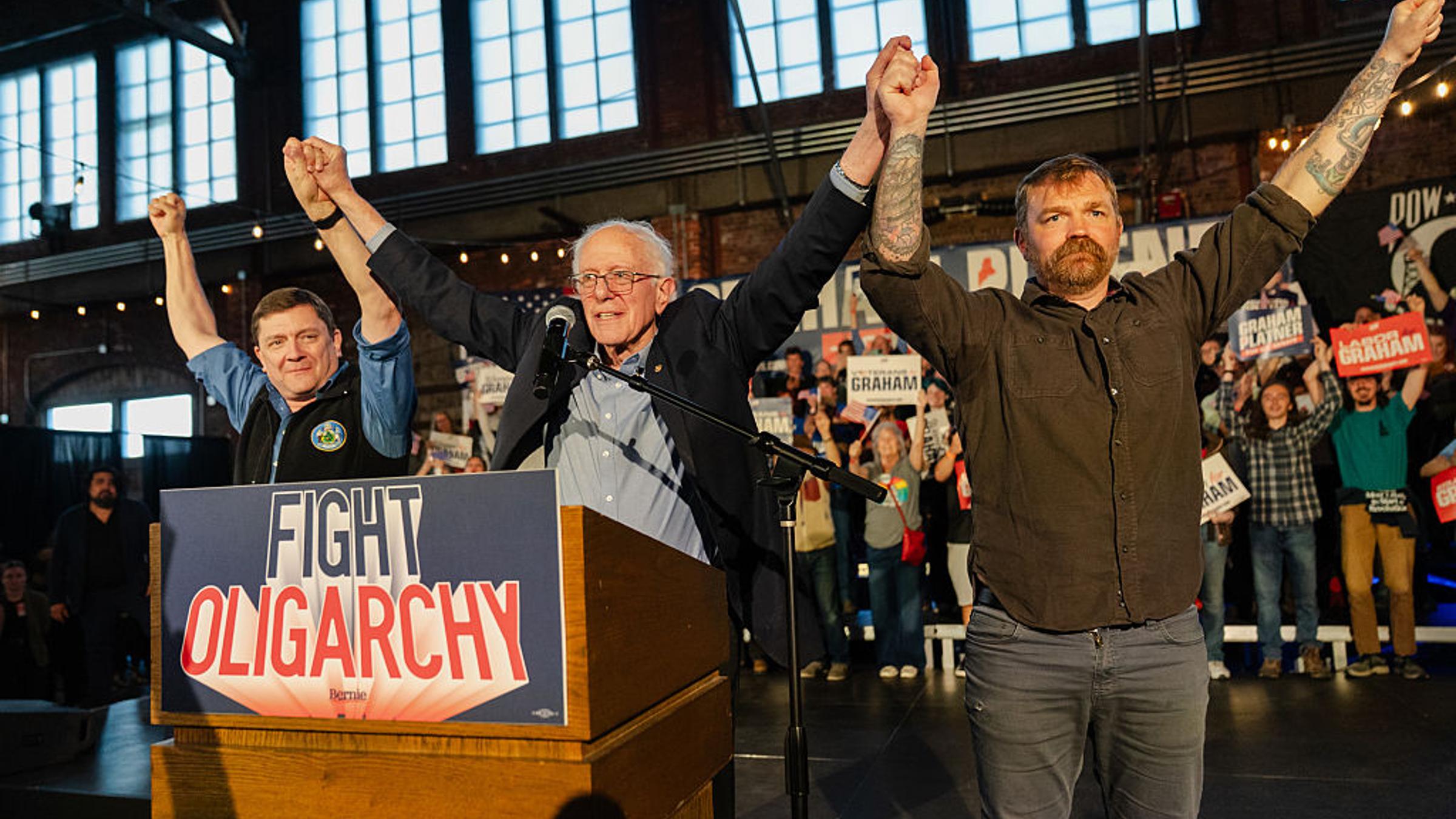
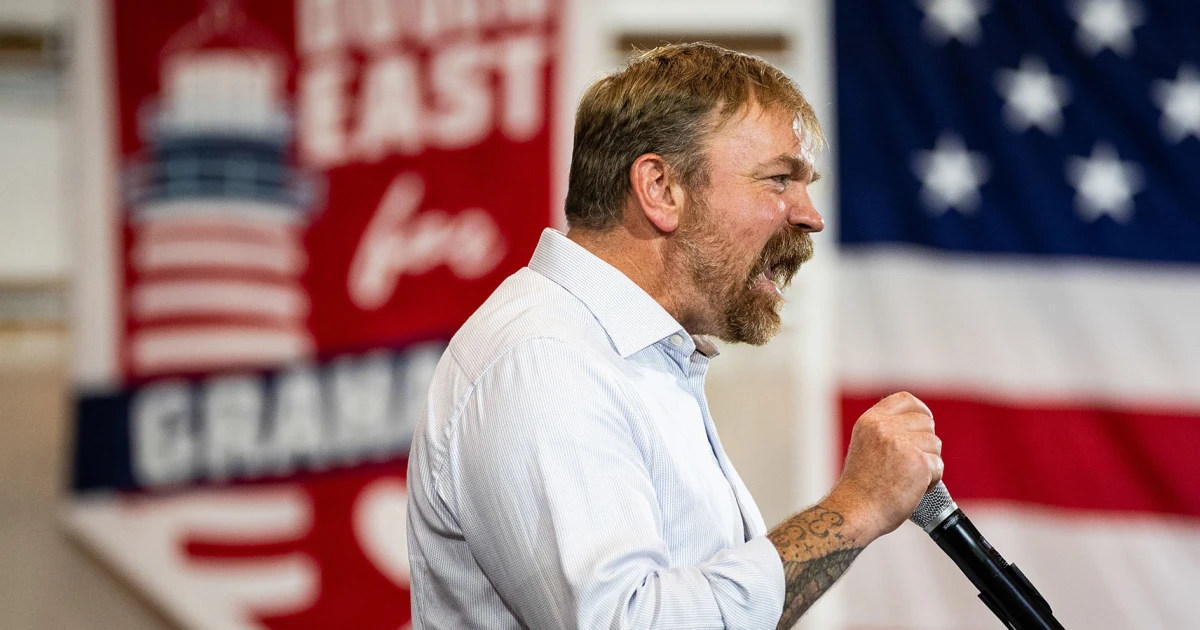
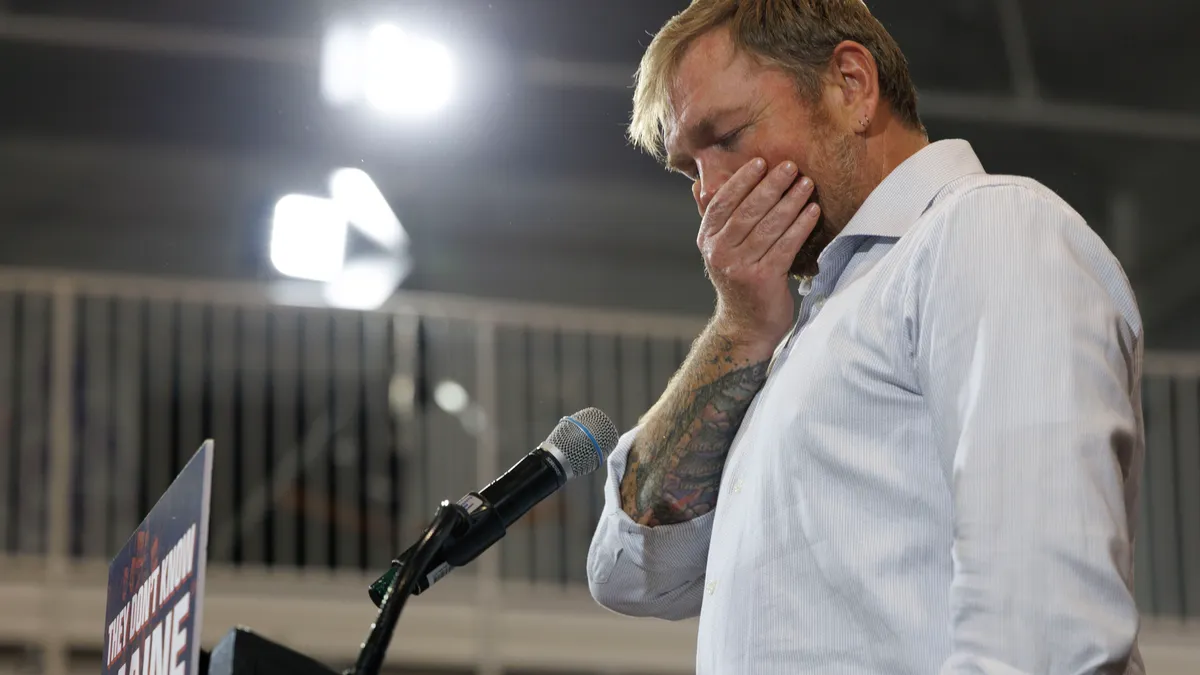
It's a war.The chaos over the Democratic Senate nomination in Maine − with a scramble on to replace scandal-scarred Graham Platner − is only the latest and messiest battle in this summer's debate over the direction and definition of the Democratic Party as it heads to crucial midterm elections.The explosive energy of the far left, which last November helped elect Zohran Mamdani as the first Democratic Socialist mayor of New York, has this year ousted longtime officeholders and nominated progressive insurgents in New York and Colorado. In all, five Democratic House incumbents have lost primaries.That has freaked out the party's establishment, concerned that the populists' success in solidly blue territory could allow Republicans to paint even moderate Democratic candidates in purple states as radical and dangerous.Adam Green, cofounder of the Progressive Change Campaign Committee, called it a battle for the soul of the party. "One faction within the Democratic Party wants to shake up the system," especially on the economy, he told USA TODAY, "and the other is perfectly willing to treat this as a status-quo" moment."It's skirmishes right now," Matt Bennett, cofounder of the centrist organization Third Way, told USA TODAY. He sees the midterm challenges as a precursor to the 2028 presidential campaign. "The battle will be joined when we start trying to pick a leader, because nominees and presidents define political parties."Though Democrats are united in their opposition to President Donald Trump, they disagree over issues including Israel and the war in Gaza, funding for the police and border patrol, protections for immigrants, and support for the expansive health care plan called "Medicare for All."At stake now: the November elections and what Democrats hope will be a landslide. Trump's final two years in the White House and its oversight by Congress. Not to mention 2028.Trump has been jumping on Democratic Party's direction almost every day in speeches and question-and-answer sessions with reporters."It's becoming a communist party," he said. "These are not social Democrats. These are hardcore, godless communists."For the record, none of the Democratic candidates in the spotlight identify themselves as communists. And it's not clear how potent the charge of a "red menace" will be nearly four decades after the Berlin Wall fell and the Cold War ended.But Republicans are grateful for the opening, a chance to hammer an issue other than the cost of groceries and the unsettled and unpopular war with Iran.The saga of the oysterman in MainePlatner's success in claiming the Senate nomination in Maine was an early sign of the progressives' power − a case study of the Democratic establishment's failure to understand the depth of voter unhappiness with their leadership.Senate Democratic leader Chuck Schumer of New York recruited two-term Maine Gov. Janet Mills, 78, to run against Platner. The Marine veteran and oyster farmer, 41, had the backing of Vermont Sen. Bernie Sanders, the progressives' longtime standard-bearer.Platner's appeal with a message denouncing corporate interests and focusing on the plight of working people allowed him to survive a series of personal controversies. By the June primary, Mills had suspended her campaign in the face of his certain victory.But new allegations by a former girlfriend that Platner raped her in 2021, which he denies, forced his own reluctant exit on July 8 − another case study, this time of insurgent strategists' failure to fully vet someone who had never before gone through public scrutiny.Now he is the one who had to suspend his campaign, demanding in a defiant 11-minute video that his replacement reflect "the will and the values of Maine voters" who had backed him, not that of party insiders who opposed him.Of course, it is now up to the state's party insiders to devise the way to choose a new nominee by the July 27 deadline to get on the ballot. They have announced plans to hold a nominating convention, with timing and details to follow.Why Maine matters. Michigan, too. And Wisconsin.Close to a century has passed since Maine was seen as a political bellwether for the country − "As Maine goes, so goes the nation" was the onetime adage − but the Pine Tree State is back as crucial for control of the Senate.With Republicans holding a 53-47 majority, Democrats need to retain every seat they have and flip four GOP seats to regain control. Their top target is Maine, where five-term Sen. Susan Collins is the only GOP incumbent on the ballot in a state that Trump lost in 2024.Meanwhile, a top target for Republicans among Democratic-held seats is Michigan.The Democratic primary there on Aug. 4 is the next big showdown between moderates and the left − and in a quintessential swing state.Abdul El-Sayed, a doctor and former county health official, has been endorsed by Sanders and other progressive organizations. El-Sayed has been leading Rep. Haley Stevens, a centrist member of Congress who is backed by former Sen. Debbie Stabenow and former Gov. Jennifer Granholm.Then it's on to Wisconsin, another swing state in the heartland.The prospect that Francesca Hong, a Democratic Socialist who serves in the state Legislature, might win the Democratic gubernatorial nomination prompted David Crowley, the Milwaukee County executive, to withdraw from the race July 8 in an effort to consolidate support for Lt. Gov. Sara Rodriguez.In a Wedgewood Poll of 413 likely Democratic primary voters released July 6, Hong had jumped to a narrow lead at 30%, trailed by former Lt. Gov. Mandela Barnes at 28% and Rodriguez at 19%.That primary is Aug. 11.