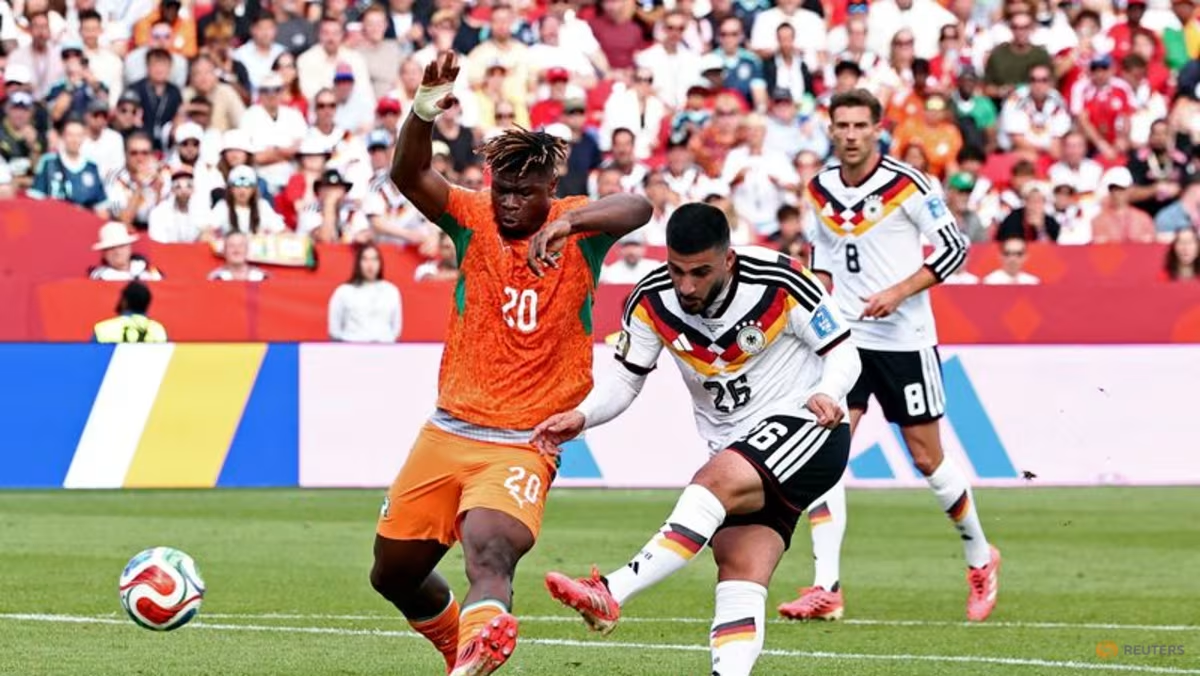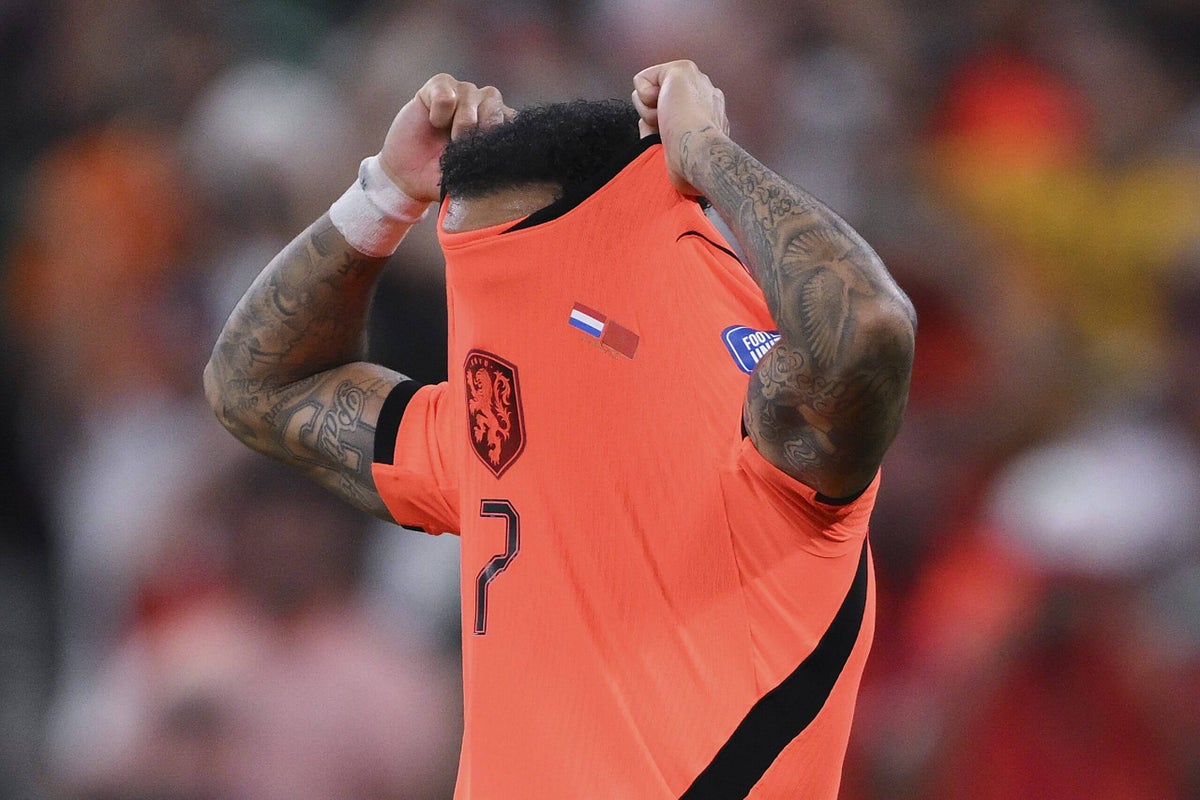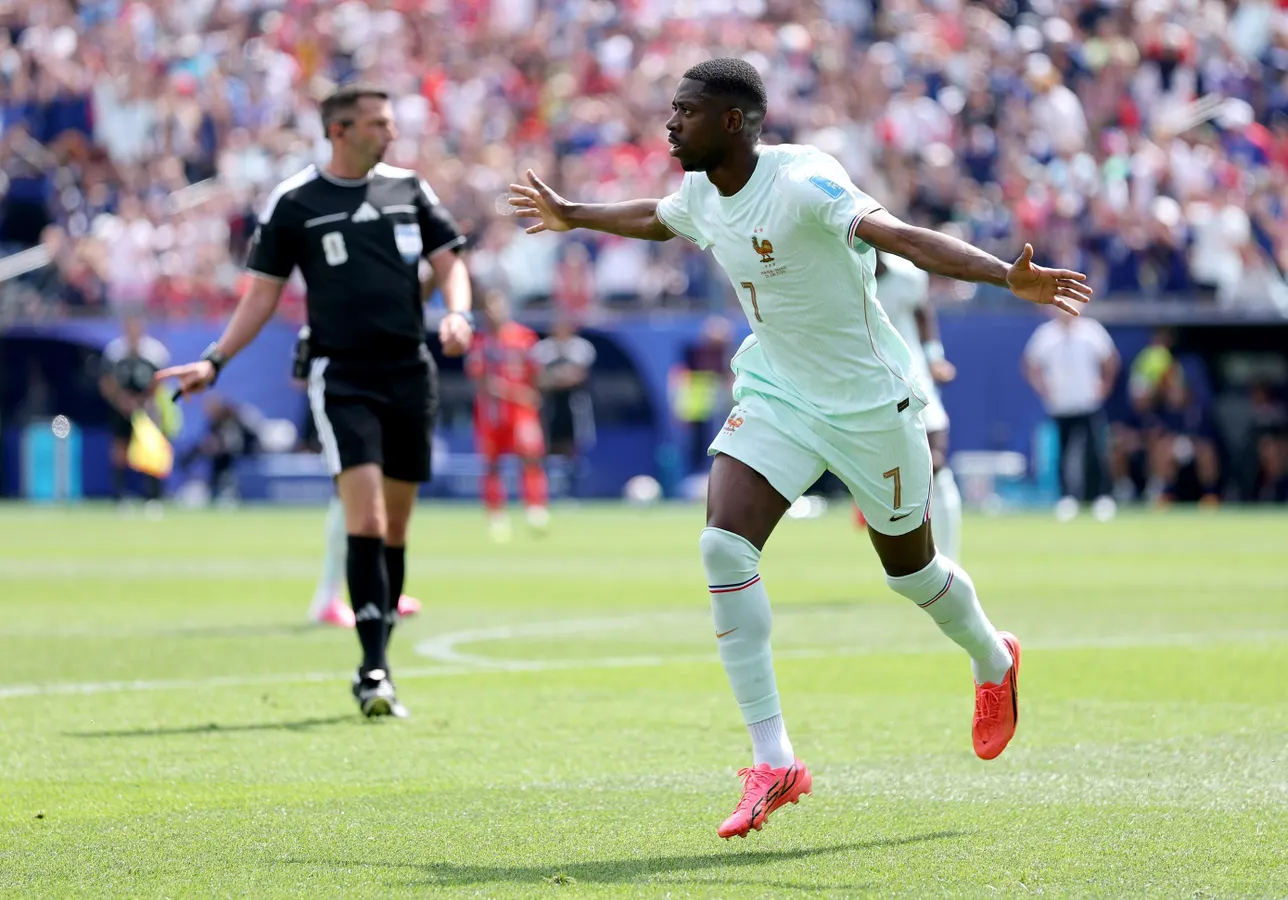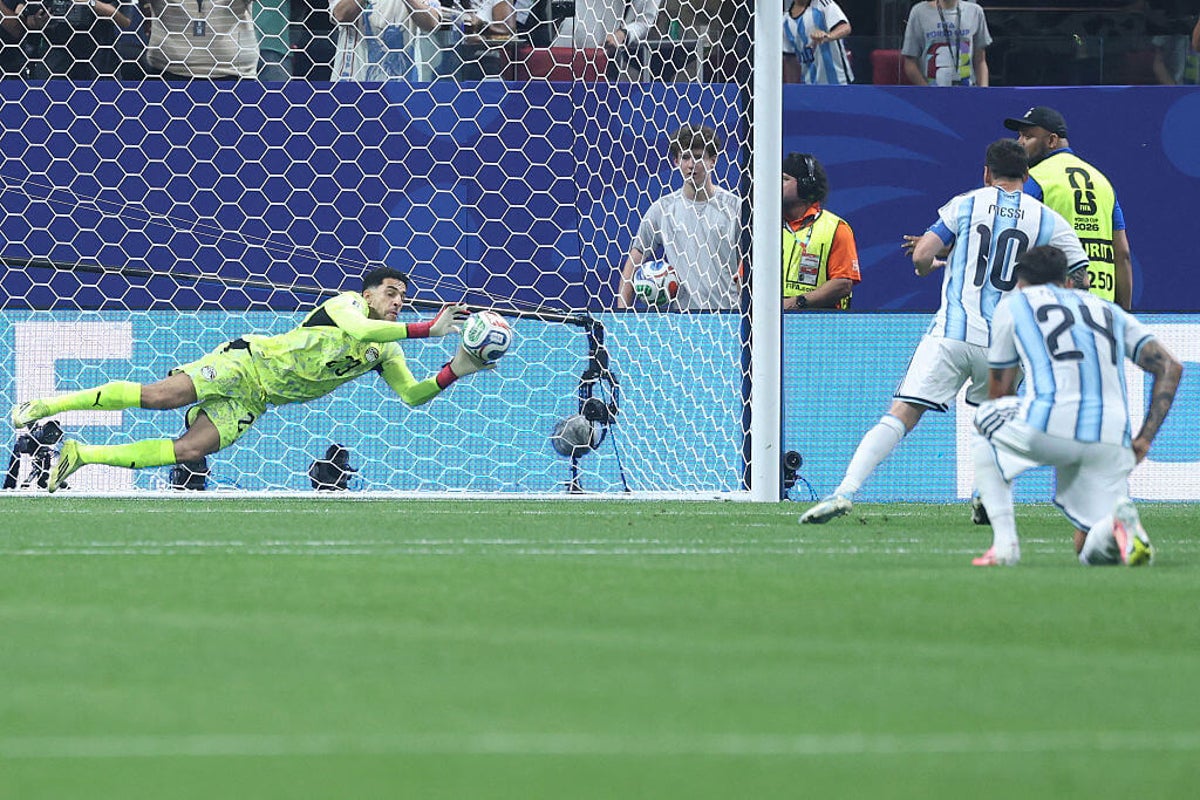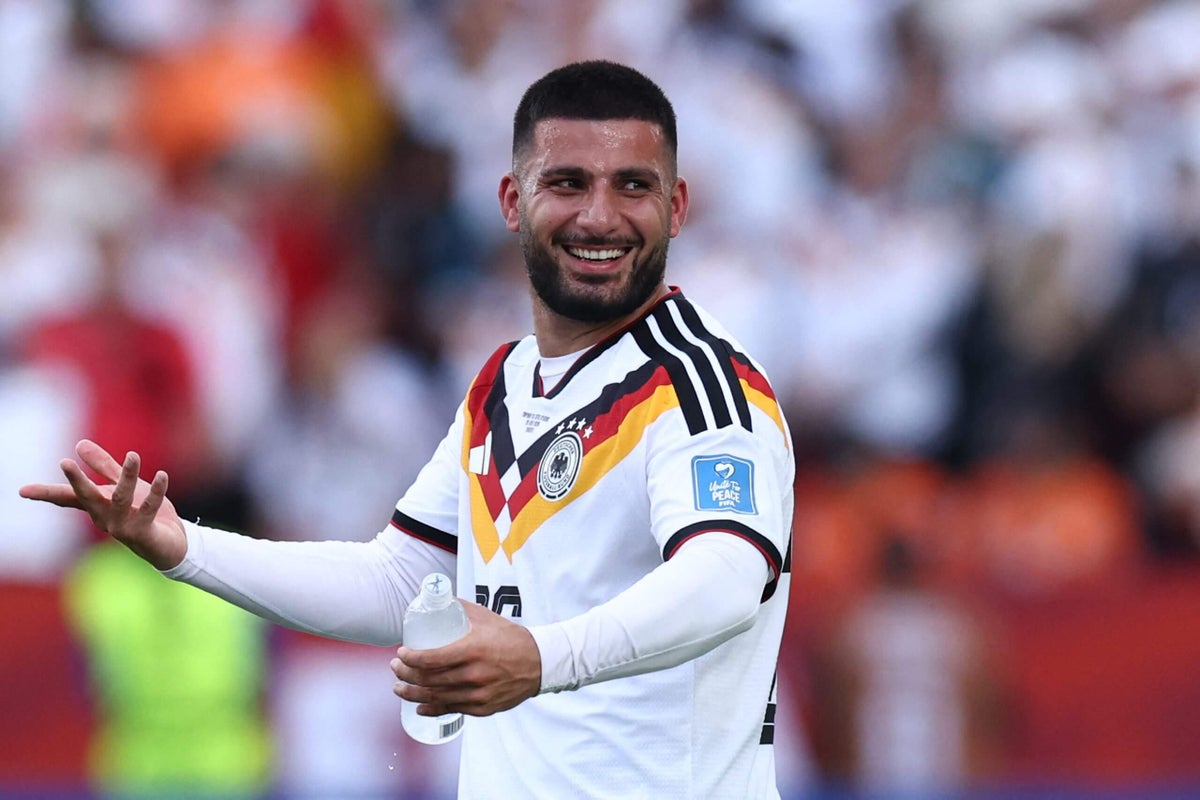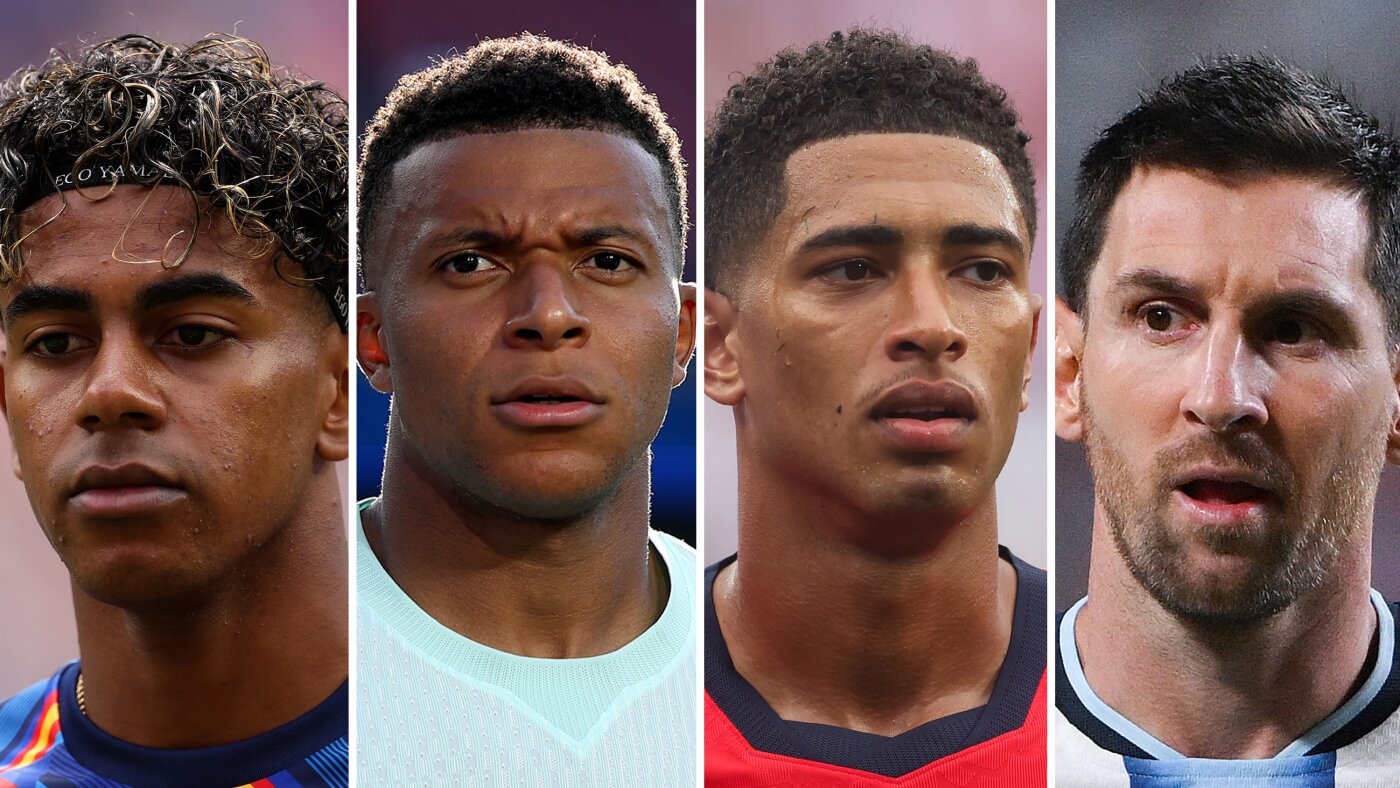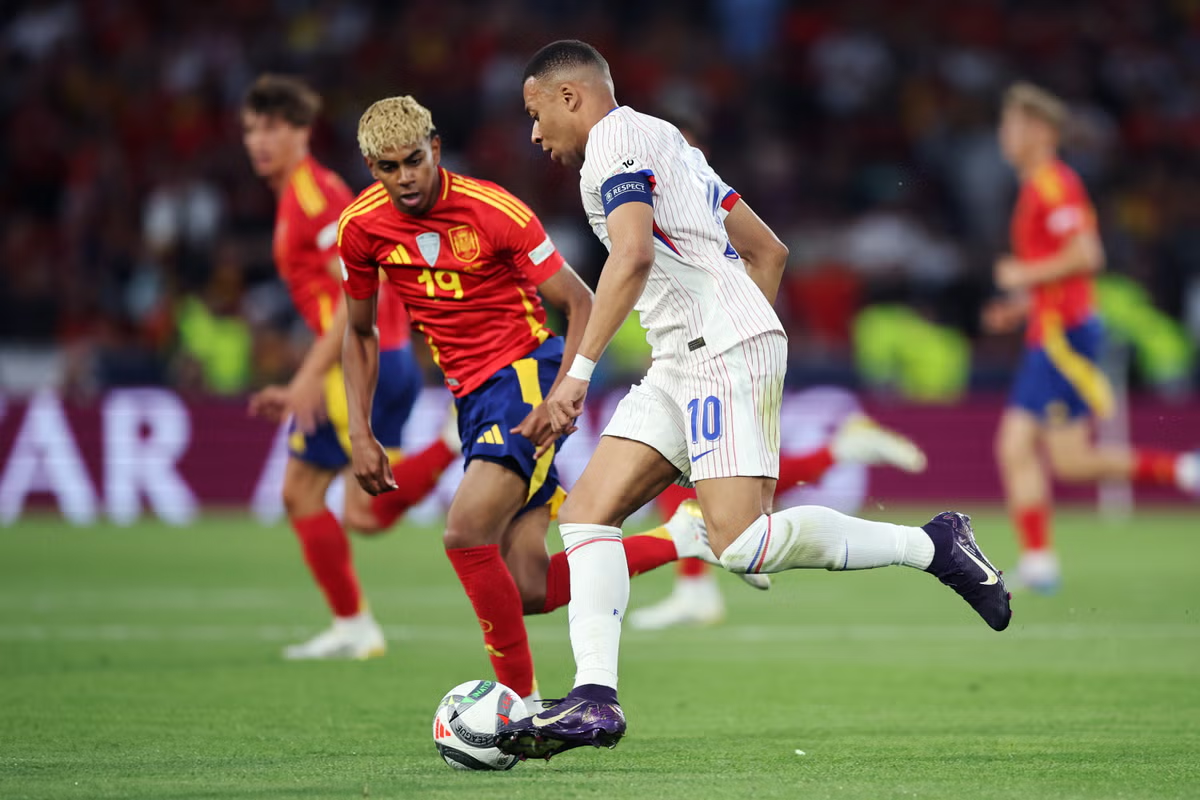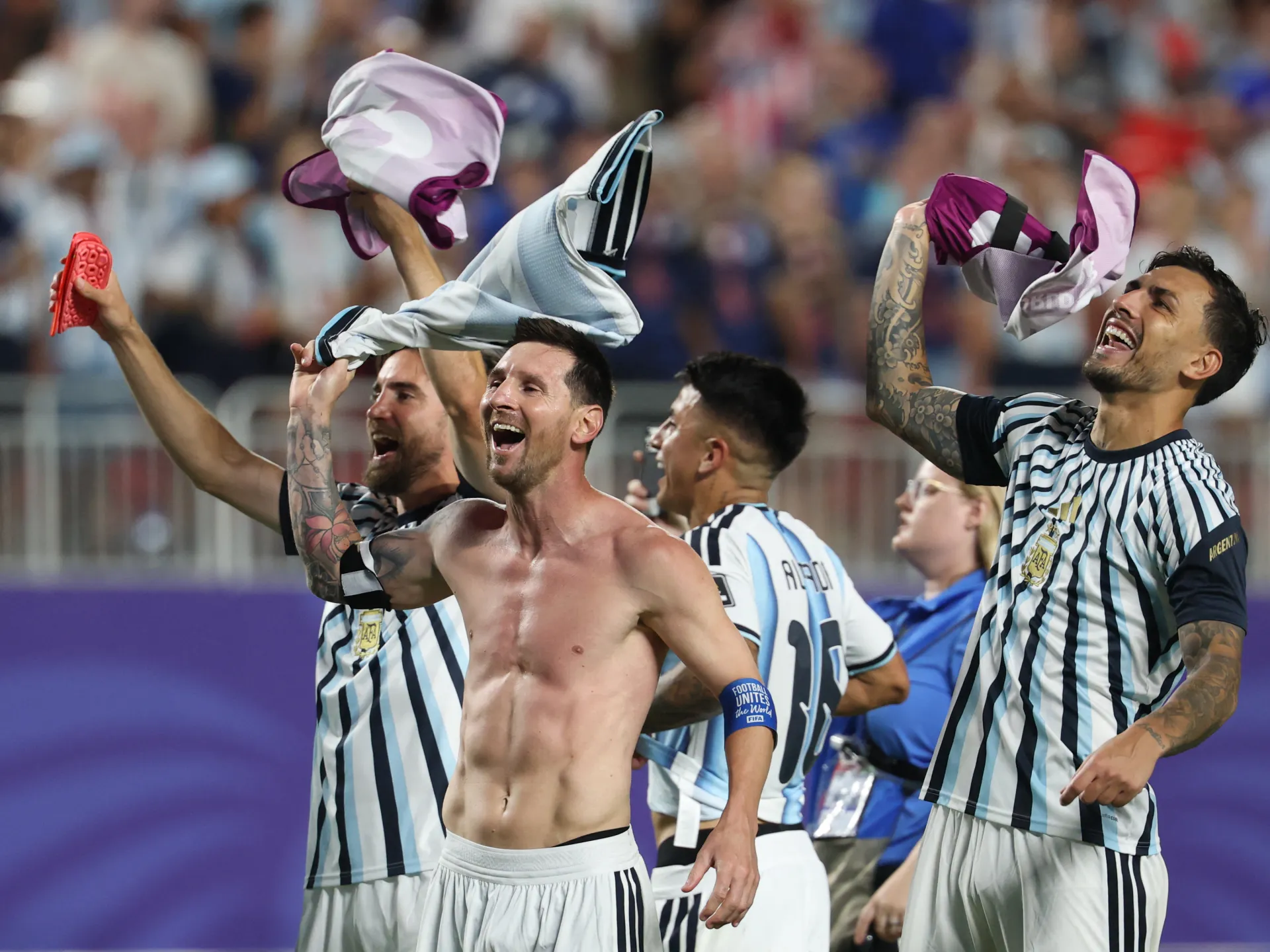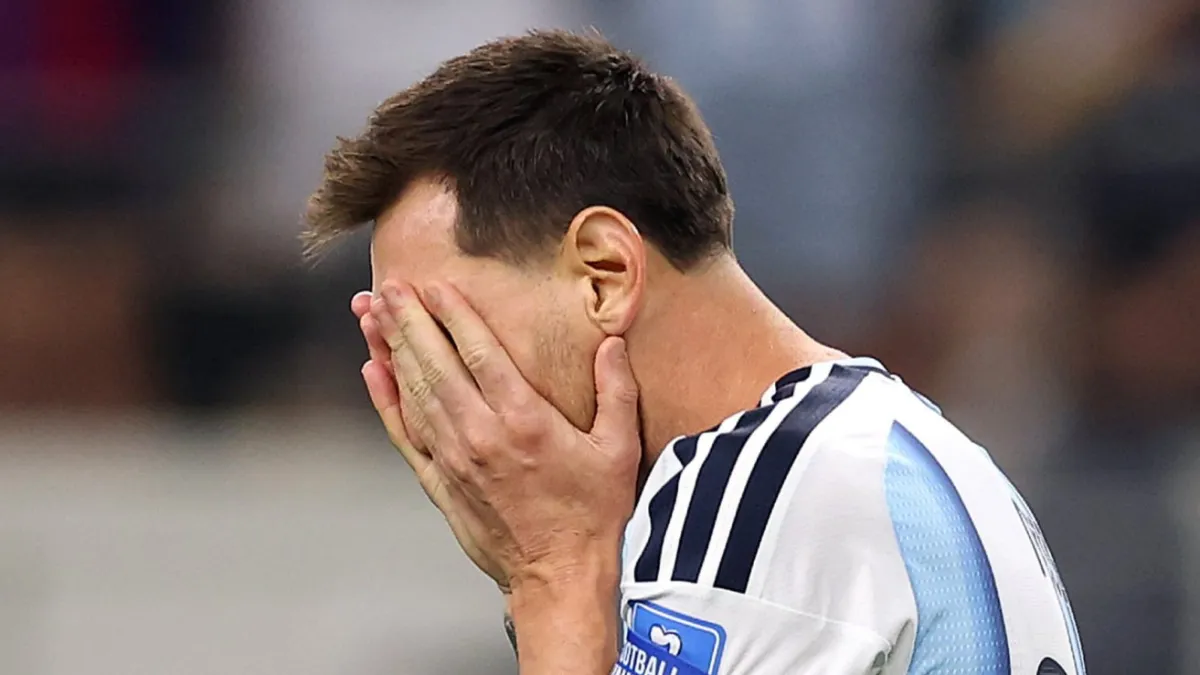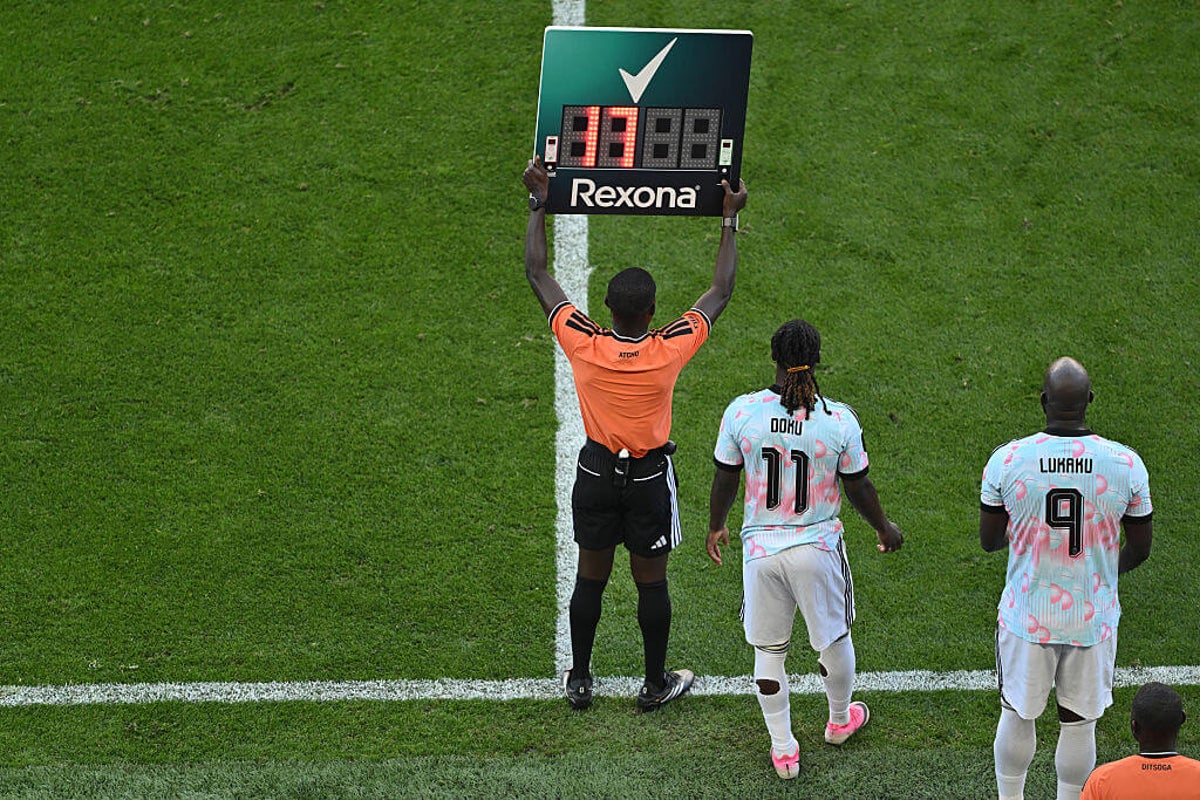
The business end of a World Cup is defined by big moments in front of goal, and time and again those moments belong to a player rising from the bench.Cesc Fàbregas came on to slip Andrés Iniesta through in the 2010 final; Mario Götze entered late in 2014 and scored Germany’s winner; and Louis van Gaal famously brought on Tim Krul in the 120th minute solely to save penalties in a 2014 quarter-final — and he did.In 2022, Didier Deschamps turned a final on its head: with his side dead and buried, he introduced Randal Kolo Muani and Marcus Thuram before half-time and gave us one of the greatest World Cup finals ever played.These moments are elusive and cinematic — the kind etched into memory and passed down through generations. This time around, substitutes have been used more sharply, and the impact pouring off the bench has been more consequential than ever.Substitutes scored 43 goals in the group stage alone, more than in any entire World Cup, shattering the previous record of 32, set at Brazil 2014.As we head into the quarter-finals, 52 of the 280 goals in North America have come off the bench: 18.6 per cent, a whisker short of 2014’s all-time share of 18.7.Argentina’s late escape against Egypt also materialised through two substitutions and a change of system. At the Azteca, England’s defensive changes helped them hold the fort and weather the storm after being reduced to 10 men.In the group stage alone, a substitute came on and swung the game state in their team’s favour 13 times. That is more than the whole of 2022 (11) or 2018 (seven), and just shy of 2014’s 17.The 2014 World Cup stands apart in the data. It broke every previous record for goals scored by substitutes, even though teams were limited to three changes. The spike was driven by searing heat and stifling humidity, plus a tactical shift away from Spain’s 2010 tiki-taka toward a faster, more physically demanding style built on transitions and high-intensity pressing.Climate and football punished bodies in tandem, and fresh legs, deployed by proactive managers, became a decisive advantage.
How substitutions are deciding World Cup games like never before
Substitutes are playing a huge role in this World Cup. Why has that been and how will they affect the final rounds?
1,067 words~5 min read