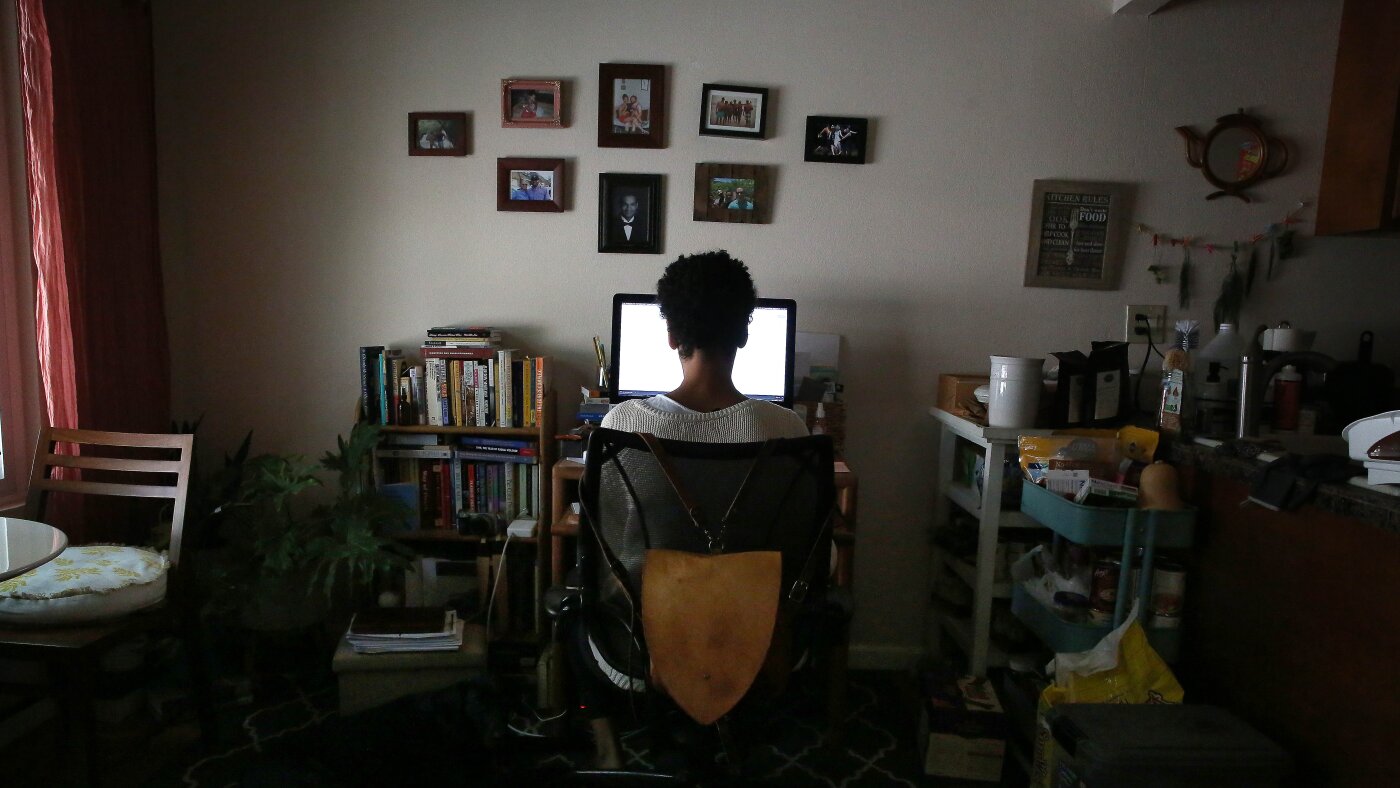
Photo creditgettyCOVID-19 transformed remote work from a perk into a mainstream way of working. It also ignited an ongoing tug-of-war between employees who value flexibility and employers pushing for a return to the office (RTO). Since 2020, the number of people working remotely has quadrupled. Workers overwhelmingly prefer having the option to work remotely. Only 16% of professionals want fully in-office jobs, and just 25% would even consider a job that requires five days in the office, according to a recent Robert Half survey. Remote Work Comes With Many BenefitsThe benefits of remote work are hard to discount. Instead of sitting in traffic, your commute might simply be walking down the hallway. You have more control of your day. You only have to get dressed from the waist up (and only if you have Zoom meetings scheduled!). You can often choose where you live instead of living where your employer is located. And, you feel more productive (and actually are, according to research). Remote Work Is A Perk Many Are Unwilling To Give UpFor many professionals, working remotely has become one of the most valuable workplace benefits. It’s so popular, people are willing to give up some of their salary to have the privilege of working from home. While most research finds little or no decline in productivity, many organizations worry about something harder to measure: culture, collaboration, mentoring, and employee connection. Some CEOs like JPMorgan Chase’s Jamie Dimon have been on a mission to get everyone back to the office five days a week. In fact, he just opened the new supertall at 270 Park Avenue with 2.5 million square feet of office space that he wants filled every day.Remote Work Has Implications For Your Mental HealthBut there may be a hidden cost to remote work that many people don't recognize. A landmark study published in Science by researchers from the Federal Reserve Bank of New York, Harvard University, and the University of Virginia found that remote workers spend substantially more time alone than people who primarily work in offices. Human beings are wired for connection. Regular face-to-face interaction helps regulate stress, improve mood, strengthen cognitive function, and build a sense of belonging. When those interactions disappear, our mental health often suffers. The study suggests that remote work has made people more socially isolated, anxious, and depressed compared to those who are working in-person in offices. Researchers found a 58% increase in time spent alone during the workday and a 72% increase in the likelihood of going an entire day without any in-person human interaction. Remote workers were also more likely to seek mental health care and report poorer mental health. Overall, the researchers concluded that greater social isolation appears to be one of the unintended consequences of remote work.How To Make Remote Work More HealthfulThe research is an alarming warning about the impact of remote work on mental health, and it suggests that remote work itself isn't the problem. The biggest risks come when remote workers become socially disconnected, have little separation between work and life, and spend too much time alone. The good news is that these are all things you can actively manage. Here are evidence-based strategies that make a meaningful difference.MORE FOR YOUCreate a CommuteOne unexpected finding is that many people miss the psychological transition between work and home. Create a replacement ritual. If you’re used to taking the hallway to work instead of the highway, take a detour on the way. For example, get out of the house and walk around the block or to the local café before starting work. Do something similar at the end of the day. Simply changing into work clothes can help signal to your brain that the workday has begun.Commit to Leaving the House Every DayWhen you spend the whole day at home, you miss the opportunity to connect with people. Create a schedule that allows you to work from a coffee shop, library, coworking space, or even a park (weather permitting). Just being around strangers can reduce feelings of isolation. Make it a goal to leave the house every day, even if it's only for an hour. Schedule Social InteractionDon't wait for invitations. Be deliberate in incorporating social connection into your agenda. Put recurring activities on your calendar: Dinner with neighborsExercise classVolunteer workBook clubNetworking eventTreat these appointments like important meetings.Go for Video over Text or AudioWhen possible, turn your camera on during online meetings. Facial expressions, eye contact, and body language create a stronger sense of connection than email, Slack, or text messages ever can. Virtual meeting platforms are not as powerful as in-person meetings, but they give you an opportunity to connect that’s richer than text-based tools.Expand Your Weak TiesResearch shows that casual interactions with people we don’t know well contribute surprisingly strongly to well-being. Simple actions like chatting with your barista, saying hello to neighbors, having a quick chat with people in the elevator, and attending networking events give you an opportunity to engage with others, and it helps you grow your professional network and expand your personal brand. Exercise with Other PeopleEven if you invested in the most expensive home gym, consider joining a gym or taking a fitness class. If you’d rather exercise outdoors, join a walking or running group or play pickleball, tennis, or another social sport. You improve both physical and mental health at the same time.Establish and Protect Your Work-Life BoundariesOne challenge of remote work is that it can feel like you're always at work. Create clear boundaries between work and personal life. Create a dedicated workspace if possible. Then, establish a non-work buffer. Shut down your computer at a consistent time and turn off work notifications in the evening.Build a Richer Life Outside WorkWhen you work remotely, your job shouldn't be your only source of connection. Invest in hobbies, learning programs, or community and volunteer organizations. The richer your life outside work, the less isolated you'll feel.Connect with NatureResearch consistently links time in nature with lower stress, better mood, greater focus and better sleep. There’s no downside to being outside. Even spending 20 to 30 minutes outdoors each day has been shown to improve mood and reduce stress.Have Lunch CompanionsWhen possible, meet someone for lunch or create a regular lunch date with a close friend or colleague. Or simply eat lunch in a public place where you're around other people. Meals are naturally social, and preserving that ritual matters.Check in with YourselfIsolation can develop gradually. Pay attention if you notice you are:Less motivatedMore irritableUnable to sleep soundlyFeeling disconnectedAvoiding peopleLosing interest in activities you used to enjoyThese can be signs that it's time to reconnect or seek support.Effective Remote Work Requires A New MindsetThe biggest mistake remote workers make is treating social connection as optional. It isn’t. Relationships are part of the job. They fuel creativity, resilience, collaboration, and mental well-being. As more work becomes digital and AI automates routine tasks, our need for human connection doesn’t diminish. It becomes even more valuable. When it comes to remote work, investing in relationships, community, and shared experiences isn’t just good for your health, it helps develop the uniquely human qualities that will matter most in the future of work.William Arruda is a keynote speaker, personal branding pioneer, and Senior Contributor to Forbes. Join his complimentary Maven Lightning Lesson, Public Speaking Myths: What Great Presenters Really Do.
Remote Work Is Popular. Turns Out, It Could Be Bad For Your Health
As more work becomes digital and AI automates routine tasks, our need for human connection doesn’t diminish. It becomes even more valuable.
1,225 words~6 min read