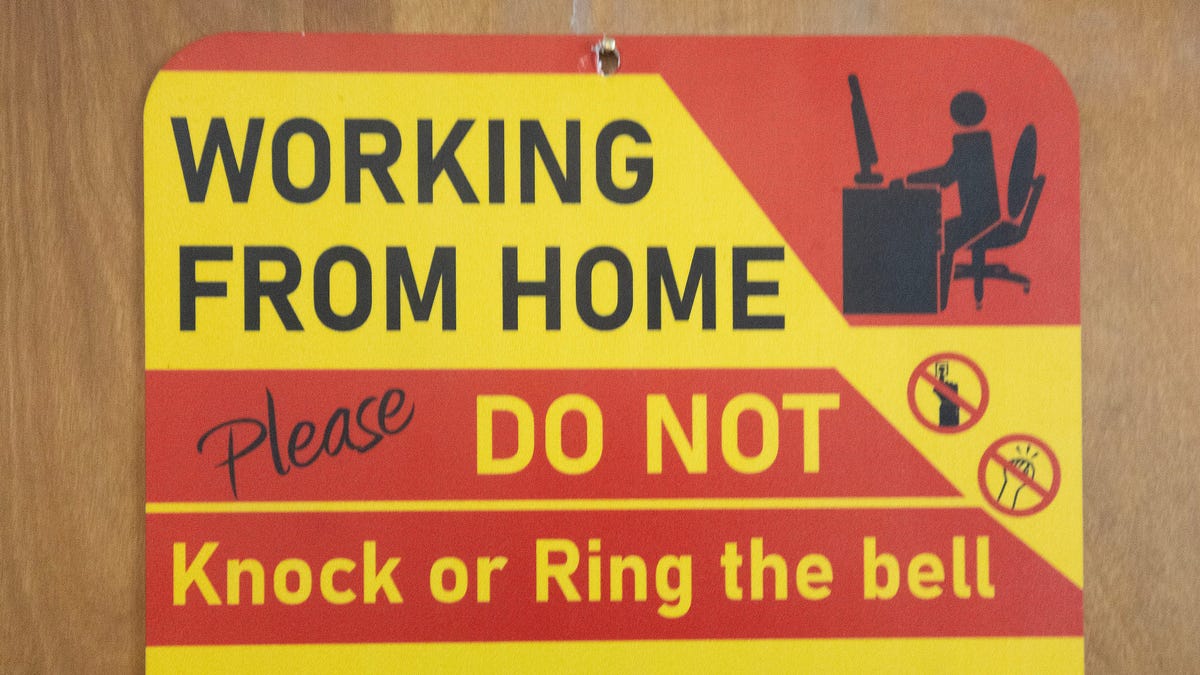
gettyCompanies are continuing to roll back remote work and roll out return-to-office mandates. Will the cubicle solve corporate productivity issues? Not everyone is convinced. Investor and TV personality Kevin O’Leary recently said on Instagram: “If you force people back into offices, you’ll only hire the bottom quartile. I want my competitors to hire those people. Not me.”Only 10% of workers want to work onsite, according to a Gallup Poll last year. Yet nearly half of companies will mandate employees to work in office at least four days a week in 2026, a survey from Resume Builder finds. At the same time, almost 70% of managers report that hybrid and remote teams are more productive, according to a recent survey by Owl Labs.Here’s what to consider if you have to navigate a return to the office:Figure out what you want. You can’t negotiate unless you have a standard of measurement. Create a list of five non-negotiables and how flexible you’re willing to be on these.Lead with facts and figures. Show your boss how flexible scheduling will boost the bottom line for the business. Back it up with research on increased motivation and productivity.Gather work testimonials. Ask your team members and even former managers to support you. Create a list of evidence that reflects your character, talent and good work ethic.These three strategies won’t always work in your favor. Some companies won’t budge on their RTO policies. But if there’s room to negotiate, lead with clarity, show your research and prove that you can get the job done. It can put you at the top of the list for consideration.This is a published version of Forbes’ Careers newsletter. Click here to subscribe and get it in your inbox every Tuesday. WORK SMARTER Practical insights and advice from Forbes staff and contributors to help you succeed in your job, accelerate your career and lead smarter.Learn how to advance your career in a frozen job market, including new skills training and how to build social capital. Workforce expert Michael Collins offers advanced strategies here.Can legal marijuana use cost you a job? The answer has to do with how employment laws treat drug testing and workplace safety, legal expert Alonzo Martinez says. Learn more here.There are three common mistakes that new bosses make, management professor Harry Kraemer says. Learn how to avoid them to become a better leader.Want to switch careers? The key is to make it look like you aren’t actually new to the industry. Here are seven steps to make the pivot from executive coach Caroline Ceniza-Levine.Careers Q&A: How Both Sides Should Think About The RTO DebateColleen BatchelderNo one has figured out a solution that works best for corporations and employees. I sat down with Forbes careers editor Anjelica Tan to discuss the tension on both sides of the return-to-office debate. As someone who’s consulted Fortune 500 companies and other large organizations, I’ve seen how this plays up and down the org chart.Anjelica Tan: You argue return to office is a trust issue, not a productivity issue. Why?Colleen Batchelder: Productivity is about the bottom line. If the company is excelling, work location shouldn’t matter. But trust takes time. And managers want to see employees handle different circumstances in person before cutting the strings. Remote work options remain off the table until trust is established.JPMorgan Chase CEO Jamie Dimon said remote work stunts the growth of young workers. Do you agree?Each generation sees workplace culture and professional growth differently, Dimon included. I don’t believe remote options stunt the growth of all young workers, but they should be able to earn it after six months of in-person onboarding. Every worker has different needs.What happens to people who never work in person? Do they lack certain skills?Not all homeschooled kids lack social skills, and I can say this as a former homeschooled student. Not all remote workers lack professional capabilities, either. Workplace culture has shifted to a more organic approach where people use their strengths while staying mindful of where they can grow.Why do so many Gen Z workers say a hybrid work schedule is their top choice? Hybrid to Gen Z is like open office spaces to millennials. It’s workplace evolution. Many Gen Z workers went through college remotely during the pandemic, so their baseline is fundamentally different from that of other generations.How can both sides of the return-to-office debate find some common ground?Companies can offer structured flexibility where employees work in person for a certain period of time. This gives managers visibility into performance before discussing remote options and gives employees the chance to prove themselves and show they can do the work.TOUCH BASENews from the world of work. gettyA new study from Arkansas State University finds that a majority of MBA students and graduates believe AI has already made their studies obsolete—with only 53% of students saying that the MBA curriculum was applicable to their career.Still, many workers view AI as both a tool and a competitor. According to Resume Now, 29% say it could handle half of their daily tasks, while 41% say it’s replacing, devaluing or overlapping with parts of their job.The Labor Department proposed a new rule that would require companies to pay higher wages to high-skilled foreign workers who come to the U.S. on H-1B visas, the Wall Street Journal reported. It’s the latest move by the Trump Administration aimed at encouraging tech firms and other major companies to prioritize hiring American workers over foreign nationals.Thanks for reading! This edition of the Careers newsletter was edited by Anjelica Tan, Chris Dobstaff and Jeffrey Marcus.
Remote Work Shift: Navigating The Rise In Return To Office Policies
This week’s Careers newsletter offers advice for responding to return-to-office mandates, tips for successfully switching careers to enter a new industry and more.
925 words~4 min read