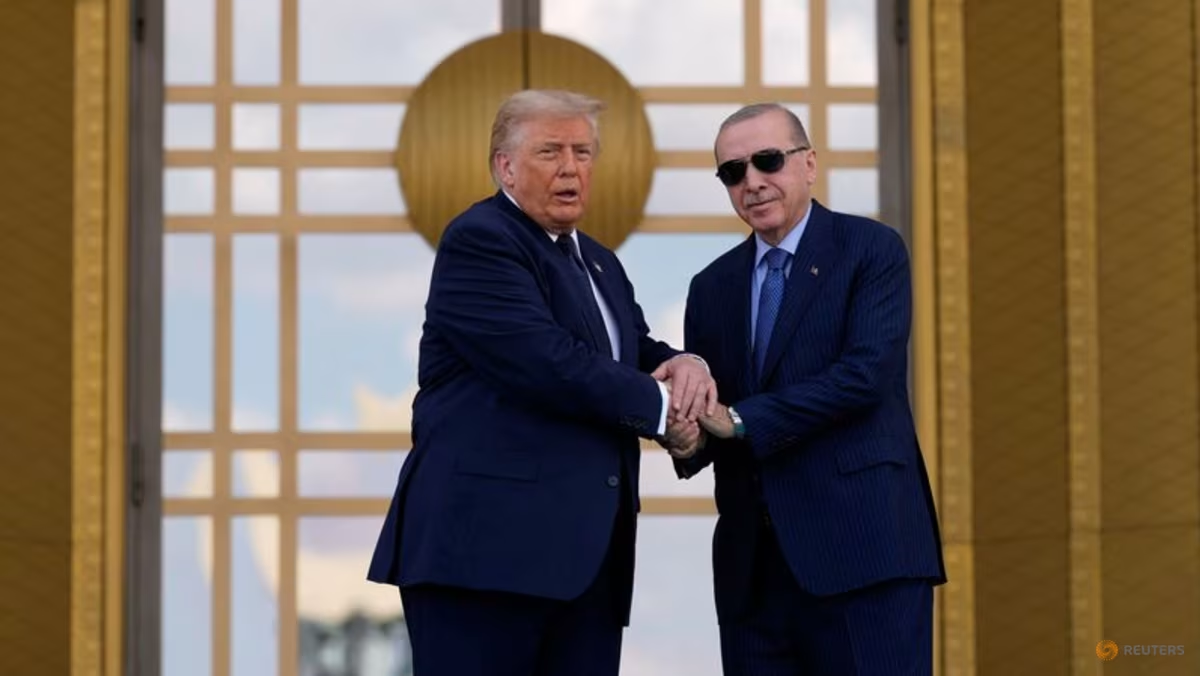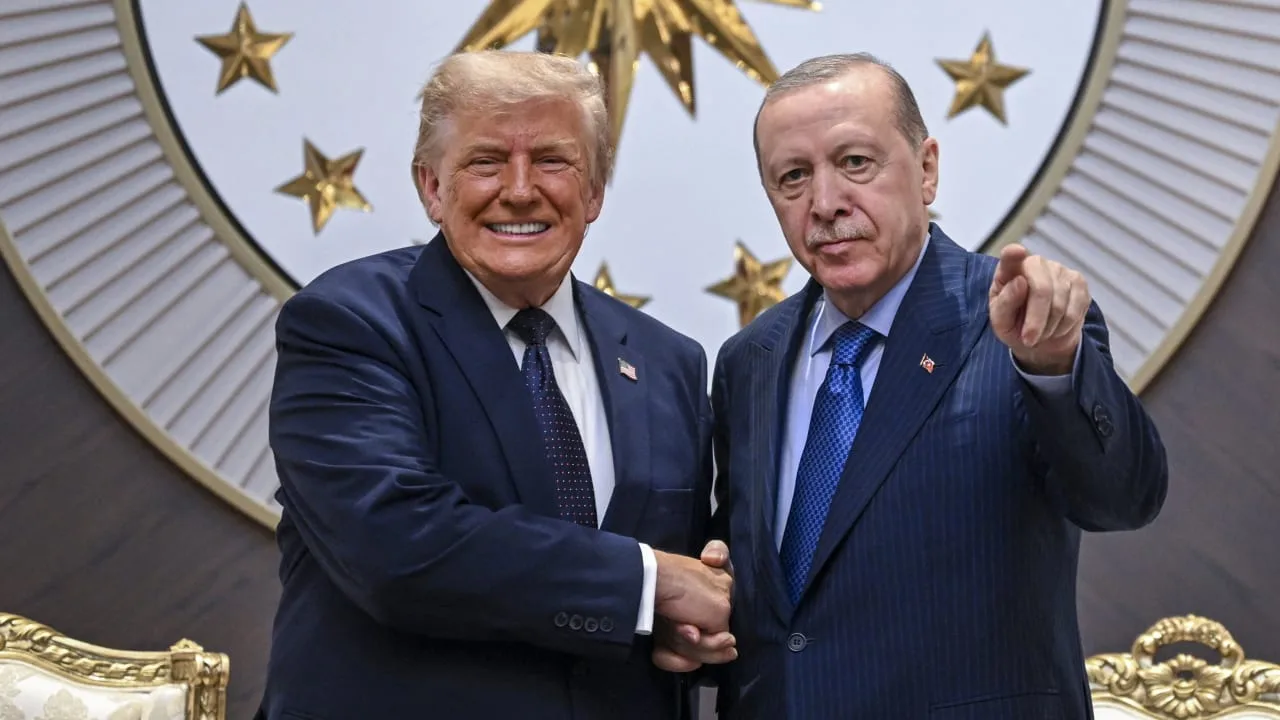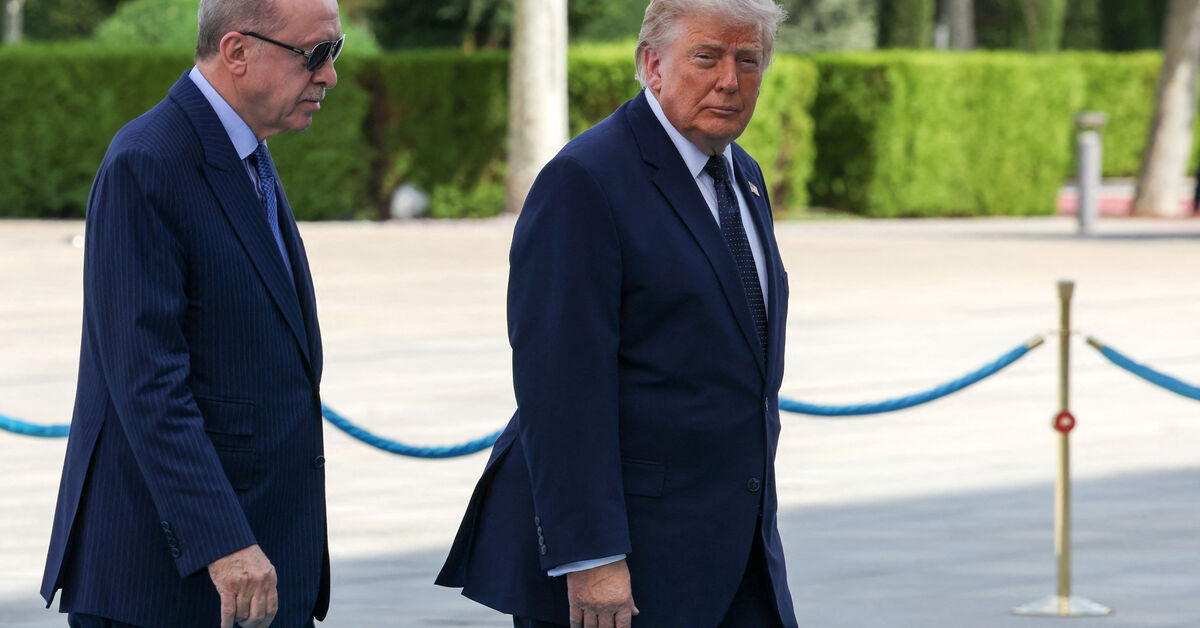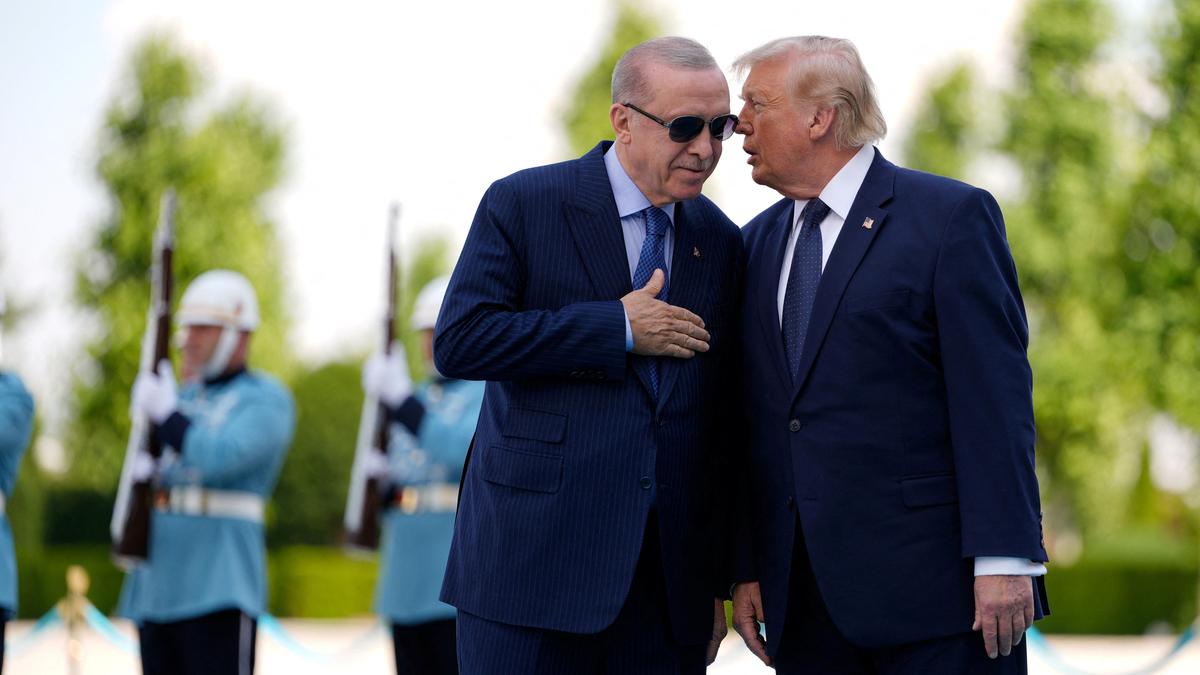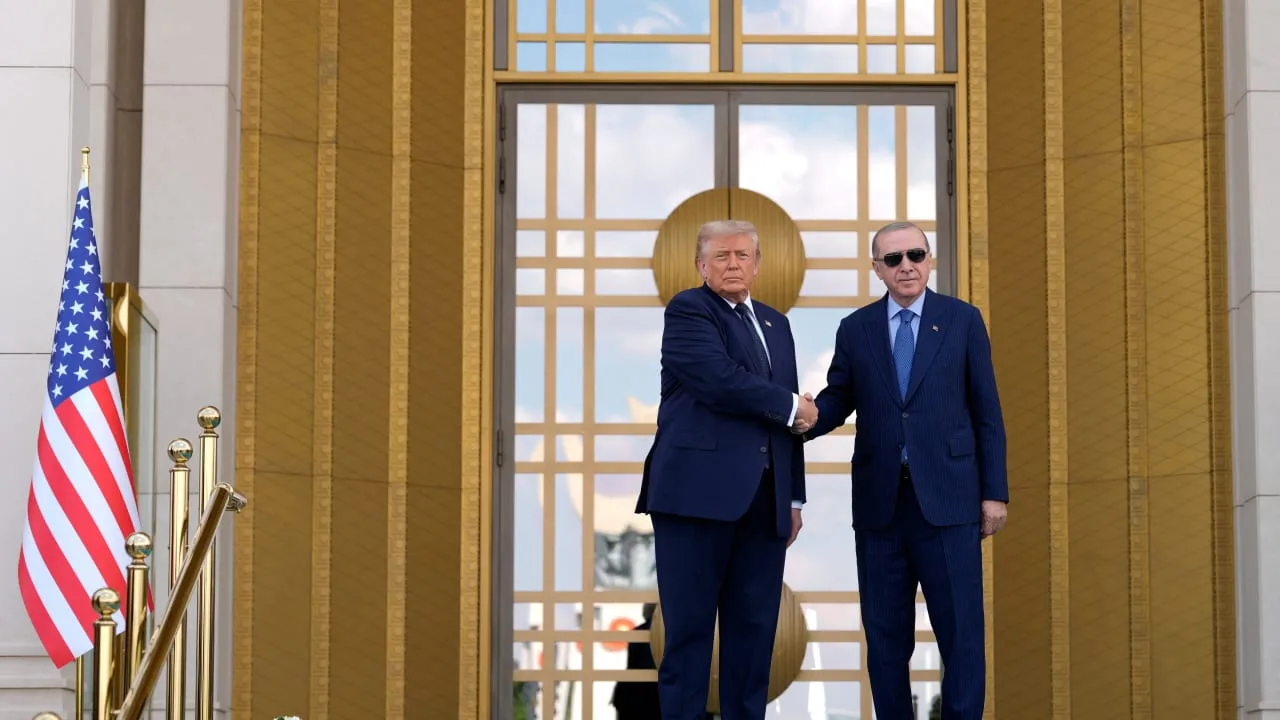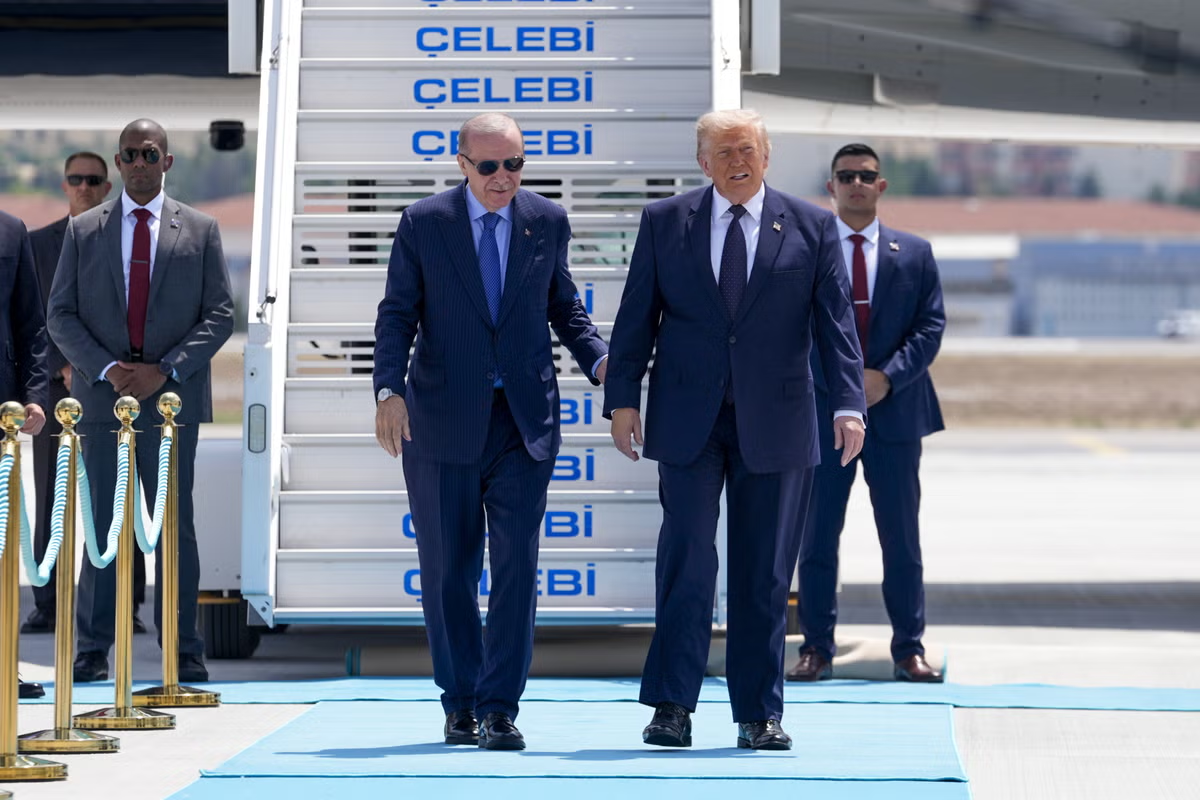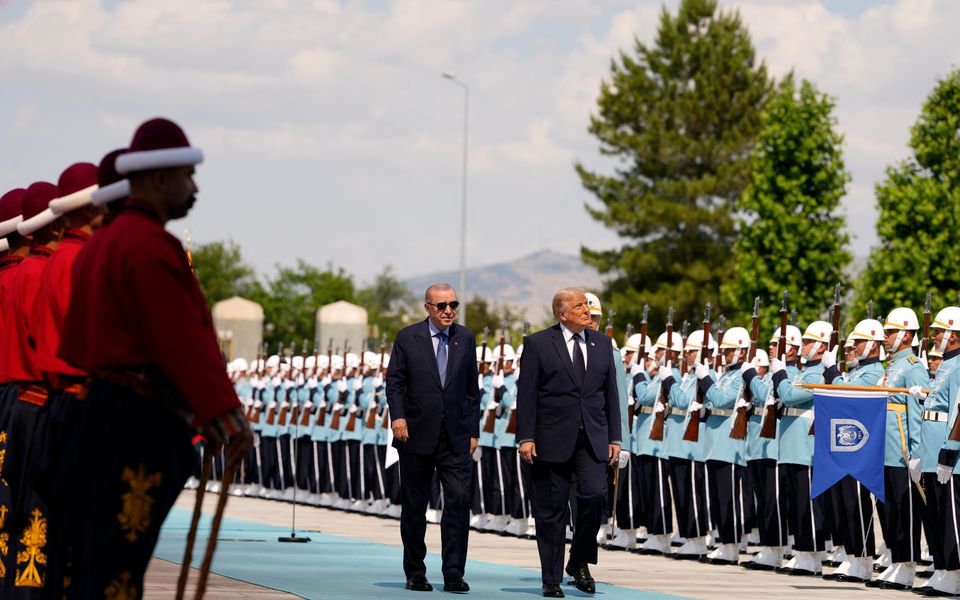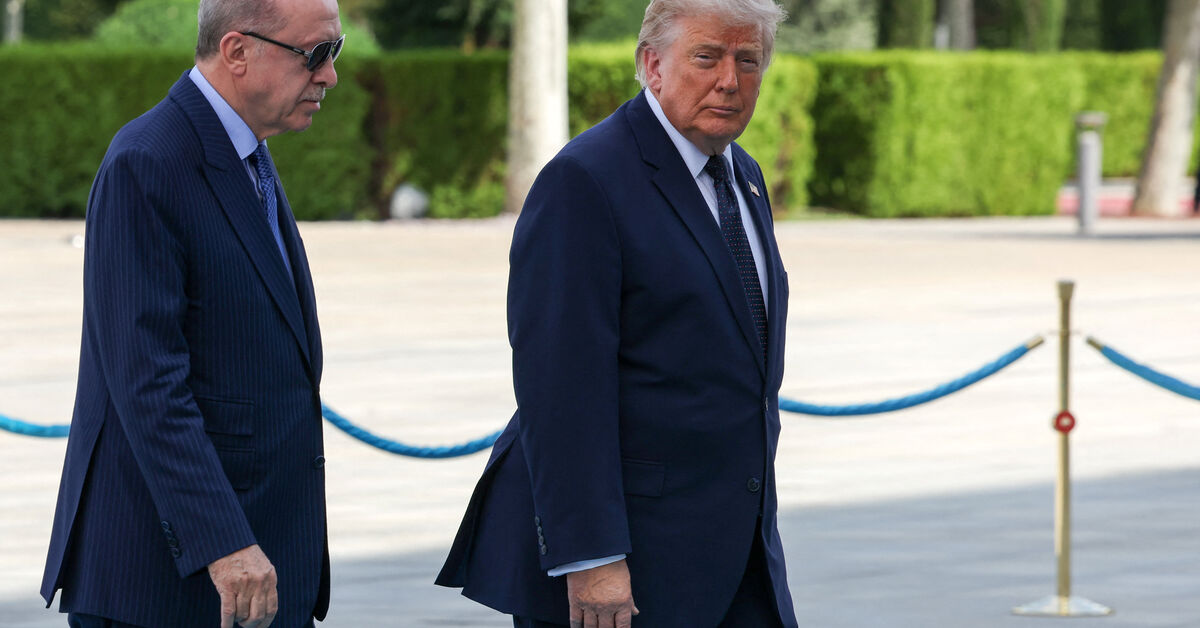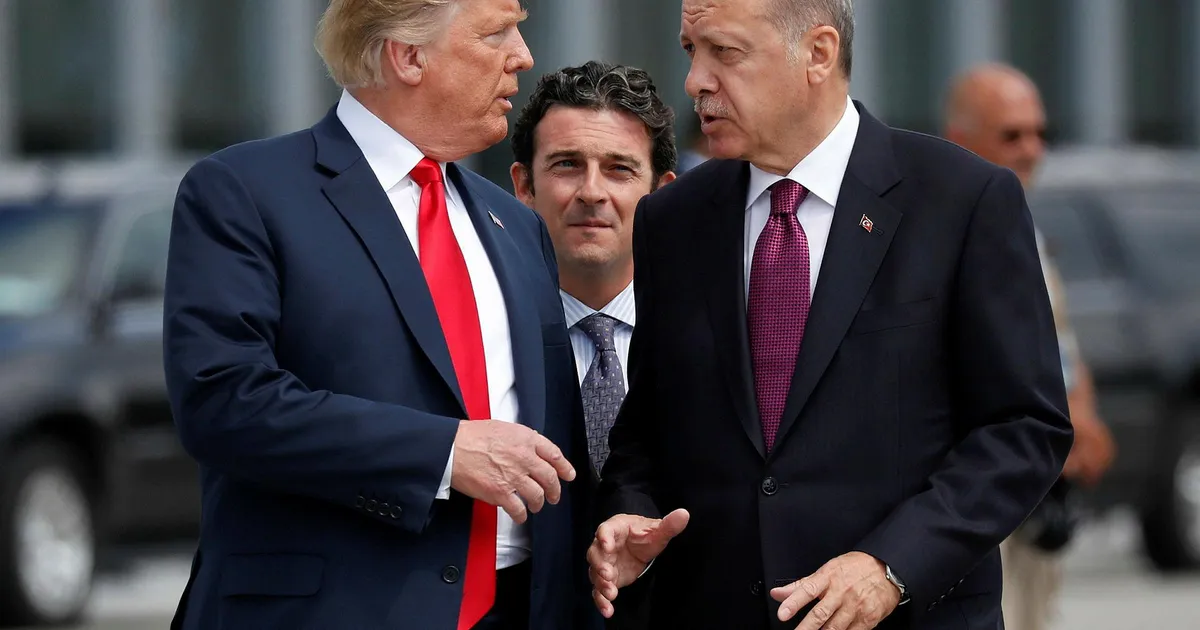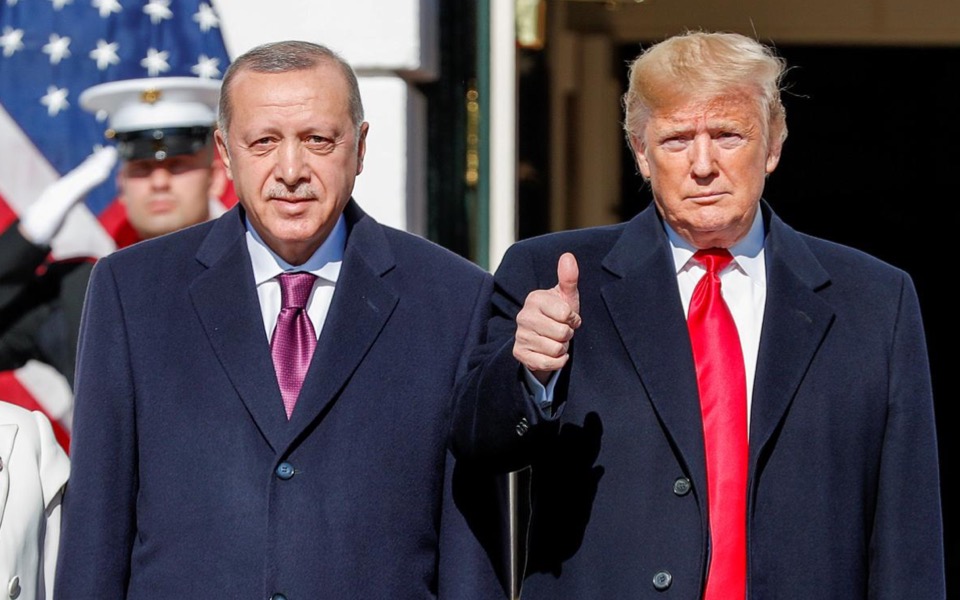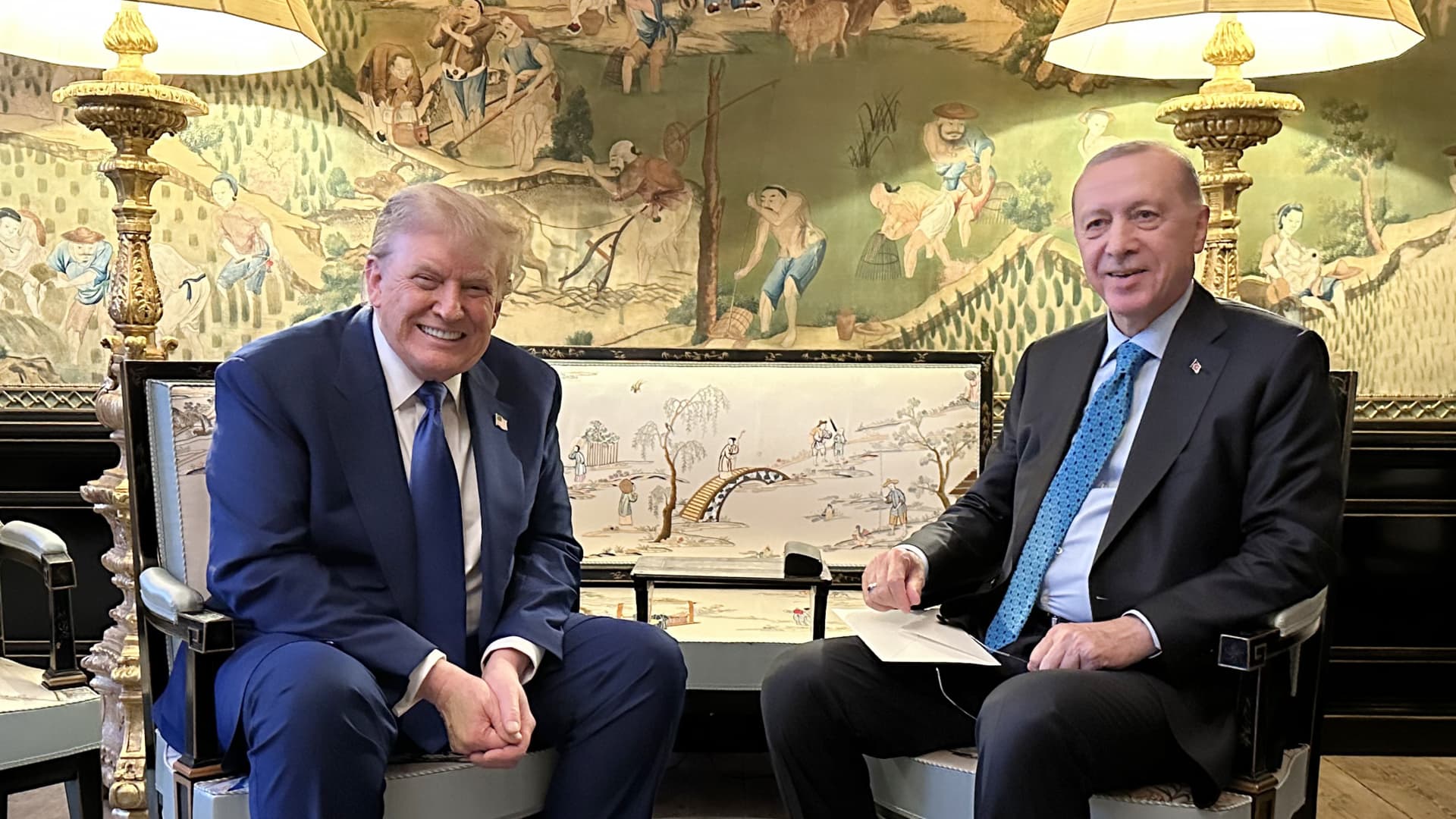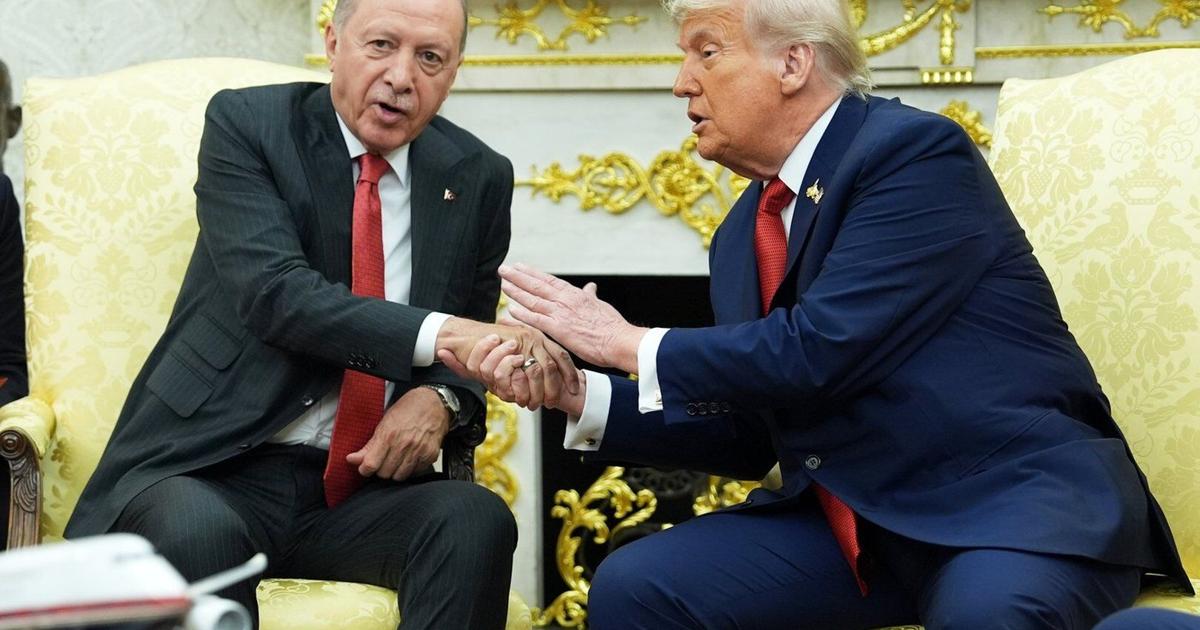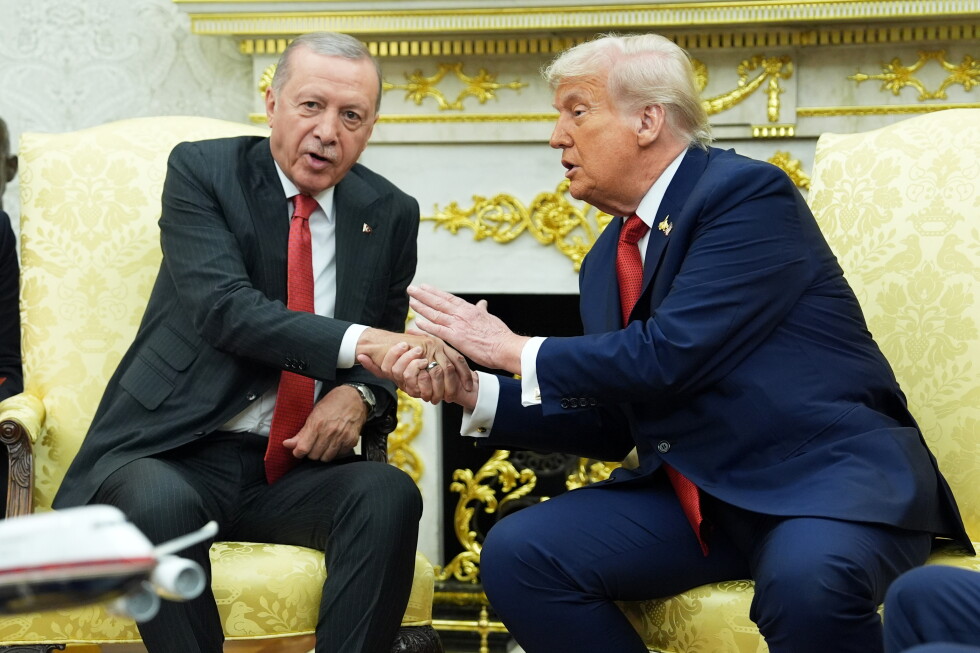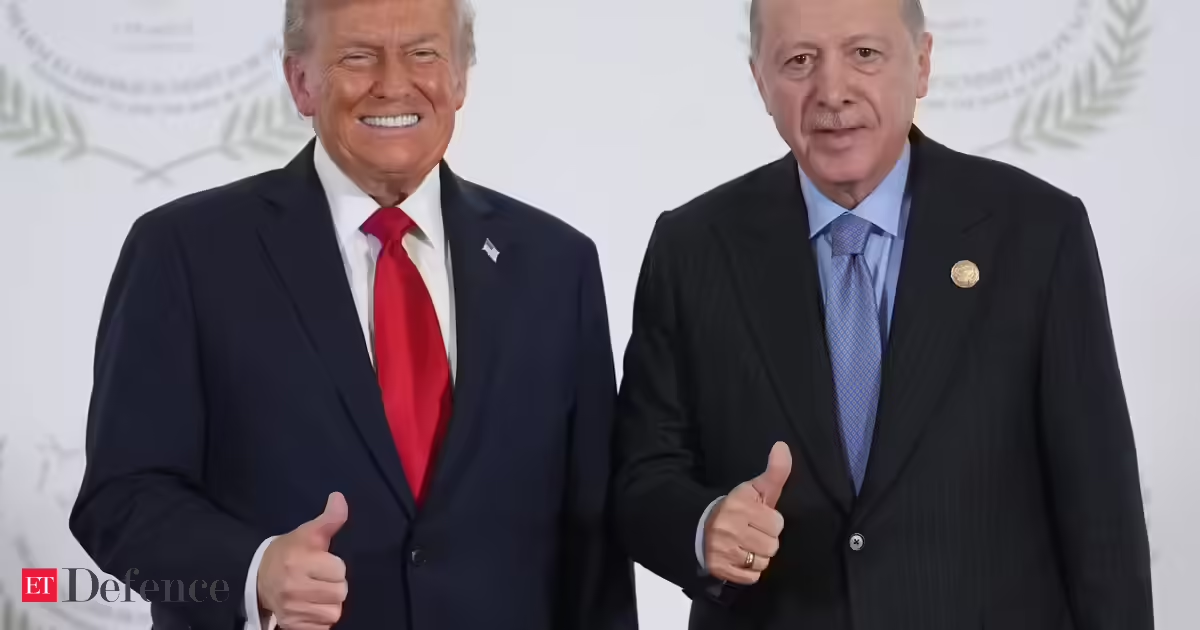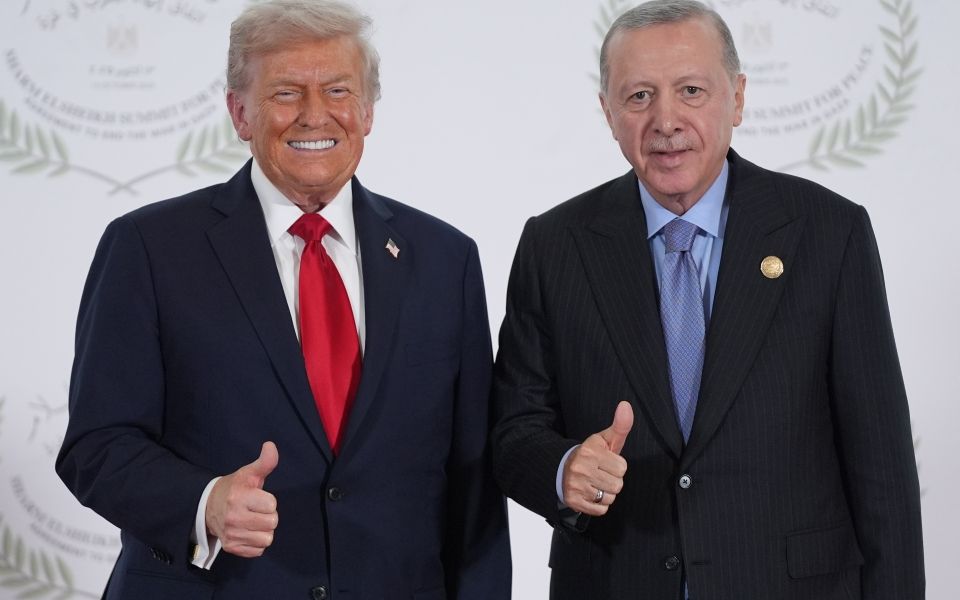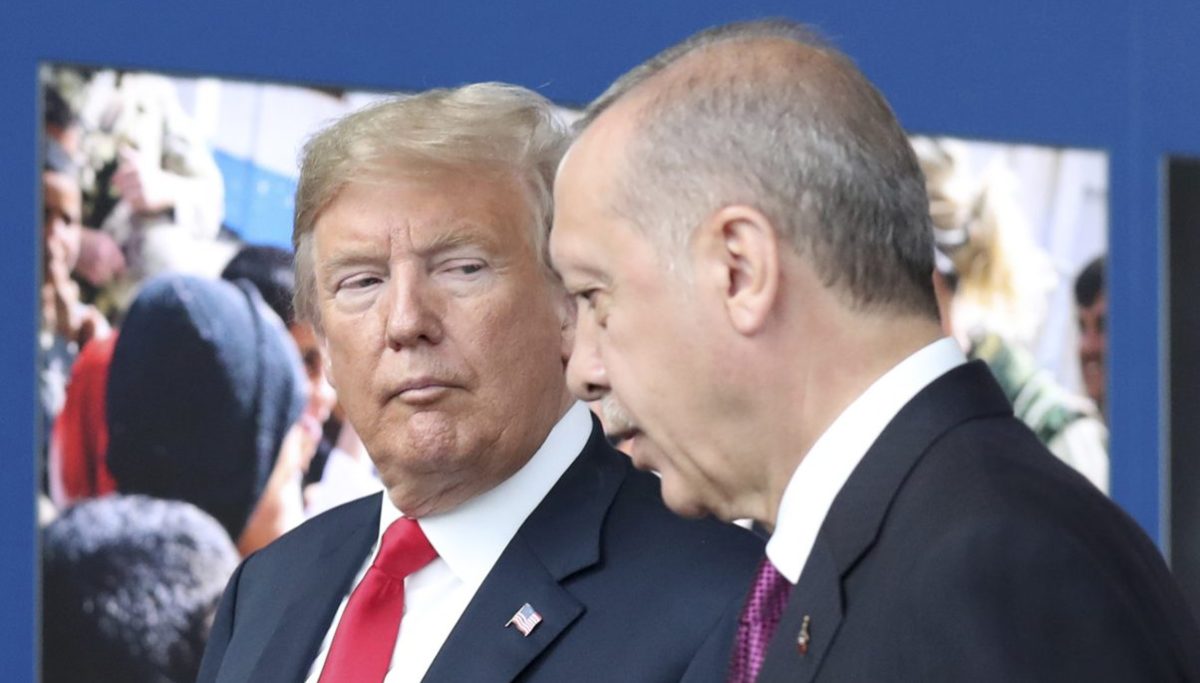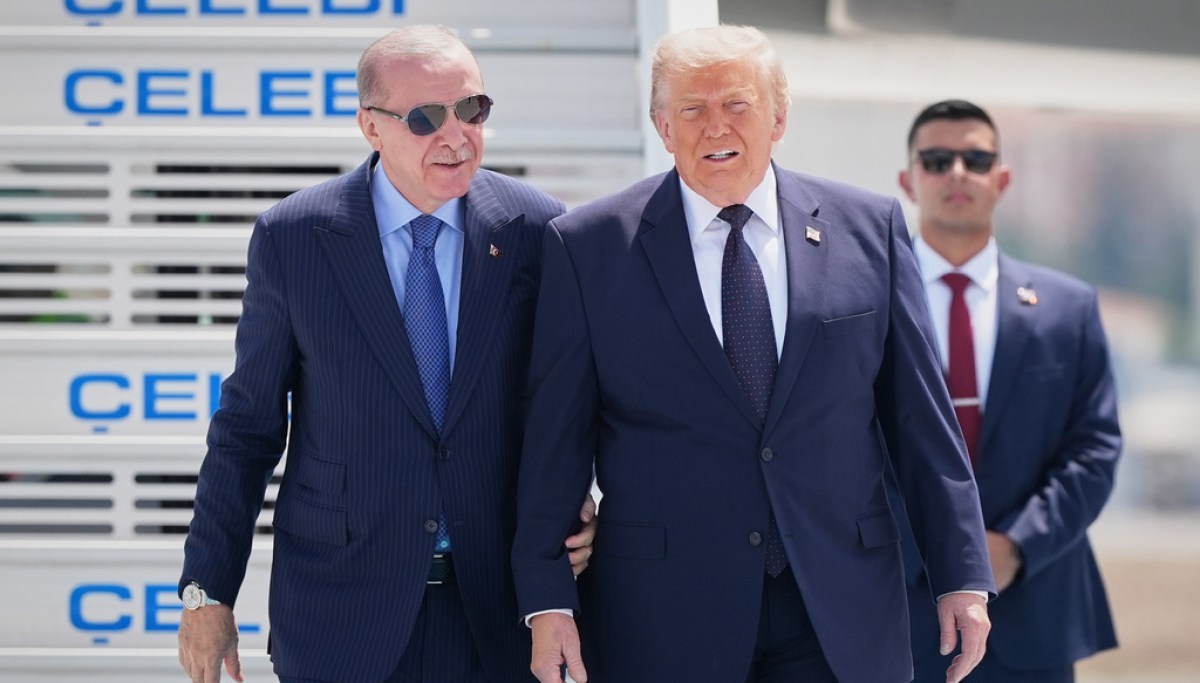
Despite the happy talk, the Ankara NATO summit failed to restore unity within the alliance and refocus NATO on its core mission of deterrence. Still, there is one country that can confidently declare success: Turkey.Turkish President Recep Tayyip Erdogan’s government had been gearing up for this summit, fully aware of the opportunities it presented. From sanctions relief to renewed access to the F-35 fighter jet program, Erdogan played the long game ahead of the meeting. He curried favor with Trump while carefully balancing Turkey’s position across the region.From the Russia-Ukraine war to the conflicts in Iran and Lebanon, Erdogan played his cards masterfully. In the Black Sea, Ankara continues exerting pressure on Russia by supplying Kyiv with combat drones while limiting the movement of Russian warships through the Turkish Straits. During the Iran conflict, Turkey stayed out of the fighting despite the risk of border instability and a possible influx of refugees. In Lebanon, Ankara ensured that Trump would not endorse an offensive by Syrian President Ahmed al Sharaa against Hezbollah, fearing it would further destabilize the region.
These efforts earned Erdogan’s renewed admiration from Trump. During his first term, Trump imposed sanctions on Ankara after Turkey acquired the Russian S-400 air defense system, effectively freezing its participation in the F-35 program in 2019. This time, however, Trump has repeatedly praised Erdogan, even suggesting that he would not have attended the summit had it been held anywhere else.There is one country, however, that is viewing Turkey’s success with growing concern.Israel has made it abundantly clear that it opposes Turkey’s return to the F-35 program, arguing that doing so would alter the regional balance of power by eroding Israel’s air superiority and challenging America’s military posture in the region. Turkey and Israel are increasingly locked in a regional rivalry, with both countries competing for influence across the Middle East. In Syria, both maintain a military presence, but while Turkey backs the centralized government, Israel seeks to prevent the emergence of military threats along its northern border and continues carrying out strikes against Iranian-linked targets. In Lebanon, Israel maintains military positions in the south as a buffer zone, while Turkey views many of Israel’s actions as destabilizing and has increasingly described them as a direct threat to its national security.Ankara’s gains from this summit could significantly strengthen its position in its rivalry with Israel.First, renewed access to the F-35 program would narrow the military gap between the two countries, strengthening Turkey’s ability to project power in Syria, where Israel routinely conducts airstrikes against Iranian-linked targets. Although Ankara chose not to take sides during the recent conflict with Iran, enhanced military capabilities could embolden Turkey to challenge Israeli aircraft operating in areas where Turkish forces or interests are present. In the long term, this could complicate U.S. and Israeli efforts to contain Iran’s regional influence.MAINE DEMOCRATS VOTE TO HOLD NOMINATING CONVENTION AFTER PLATNER EXITS SENATE RACESecond, Erdogan’s increasingly close relationship with Trump — underscored by personally welcoming him upon his arrival in Ankara — could allow Turkey to wield greater influence in Washington than Israeli Prime Minister Benjamin Netanyahu. In Lebanon, for example, Trump has already criticized Israeli strikes during the monthlong ceasefire with Iran, calling them “too much” and accusing Israel of undermining negotiations. Meanwhile, Ankara is pushing for consolidating Lebanese sovereignty rather than continuing armed hostility with Hezbollah, attempting to secure a seat at the table to secure its own interests.As America’s regional partners increasingly compete with one another rather than acting in concert, Turkey appears to be winning the race for Washington’s attention.