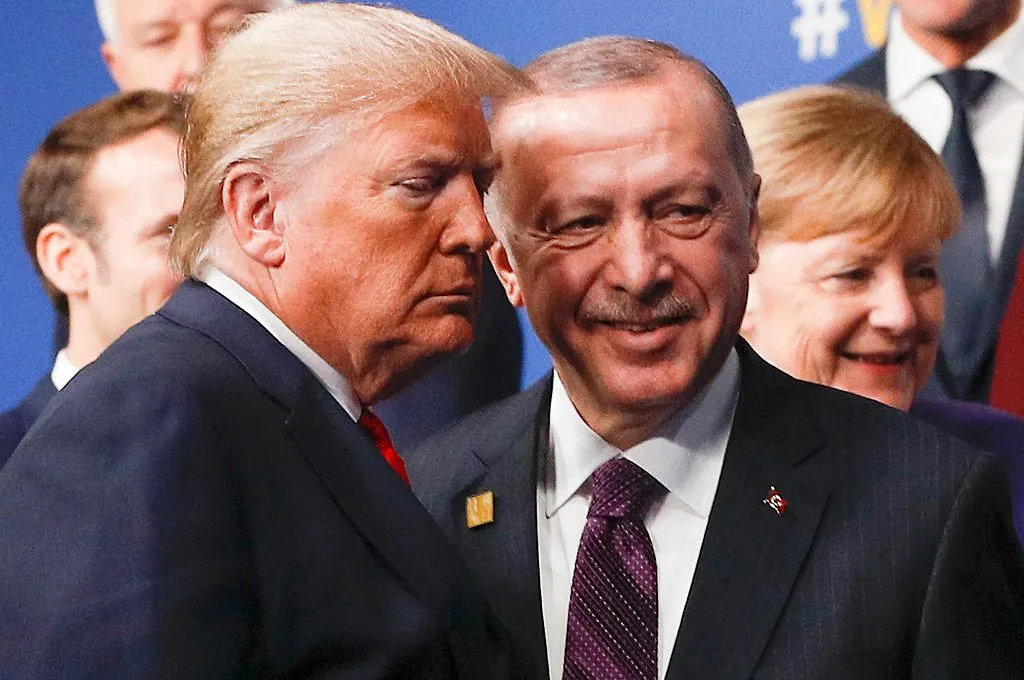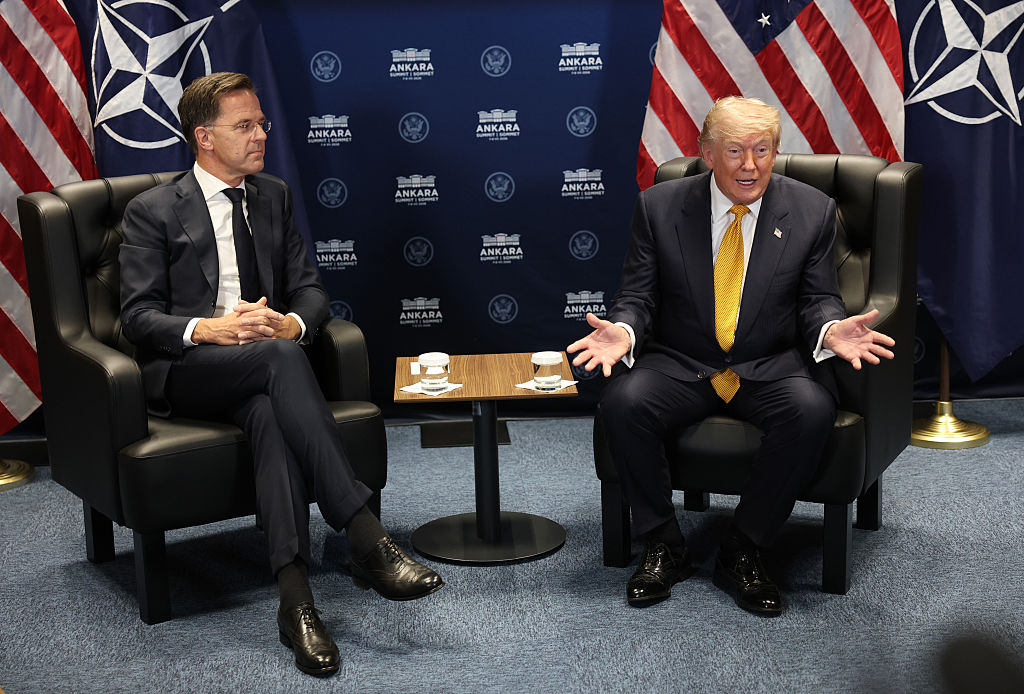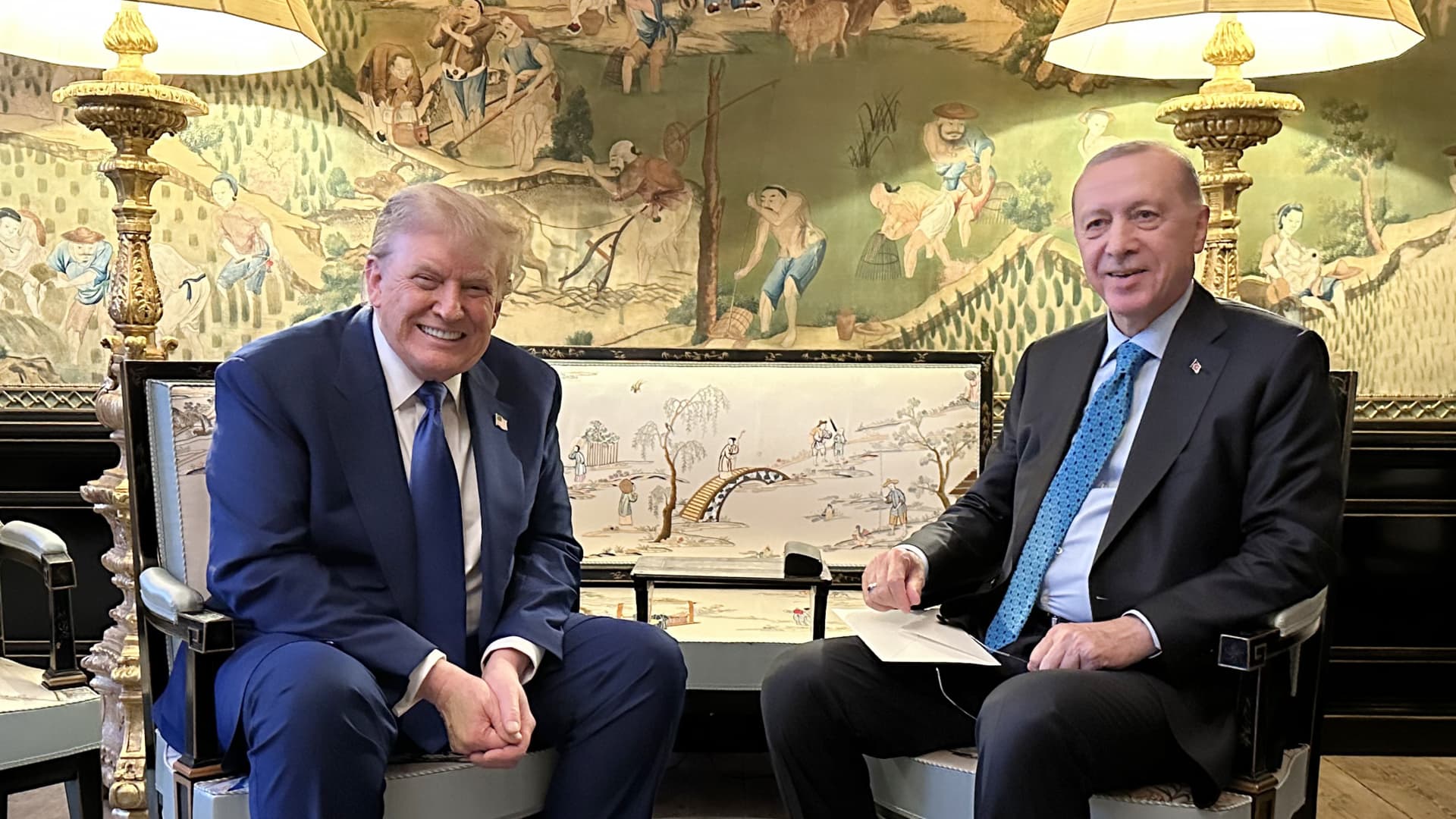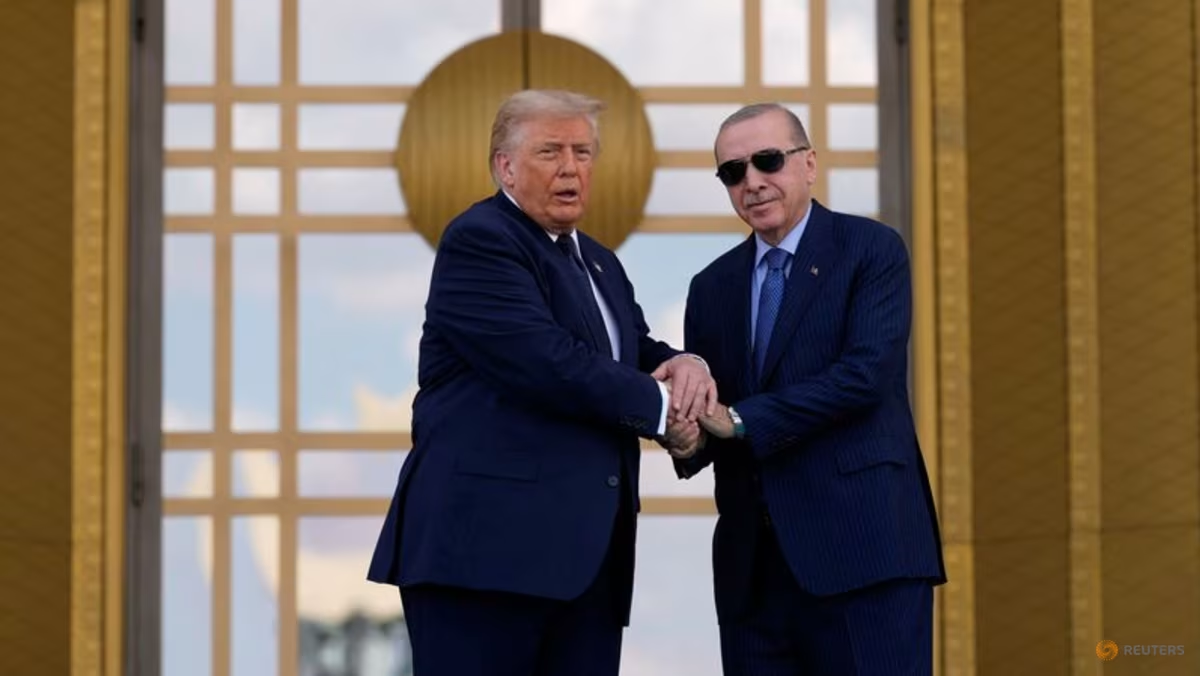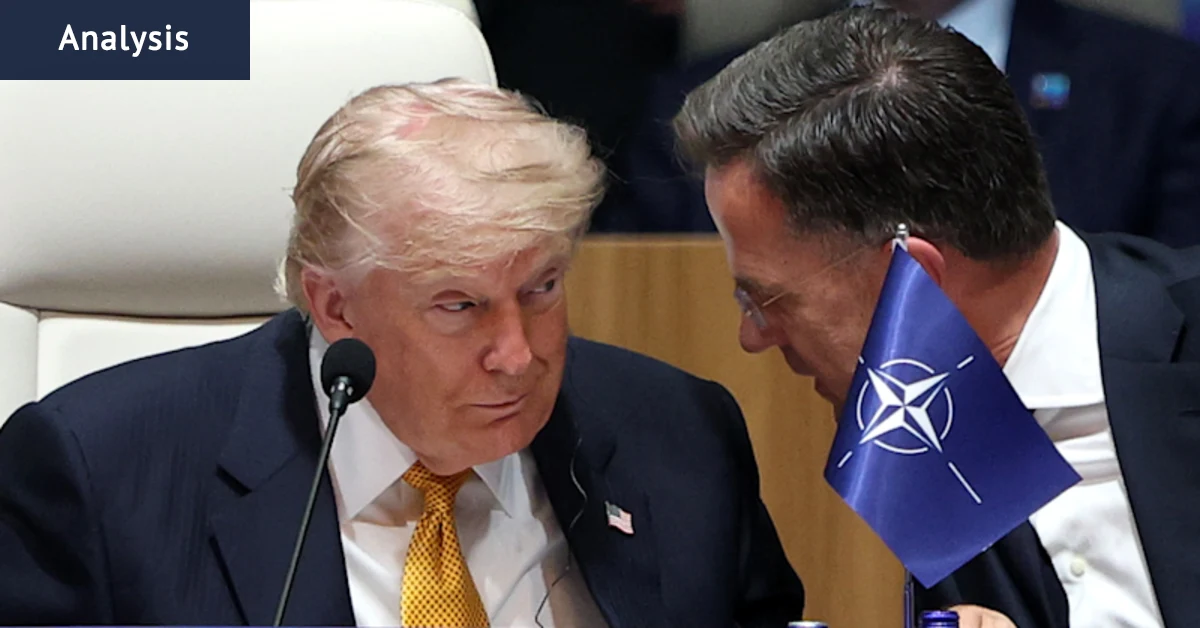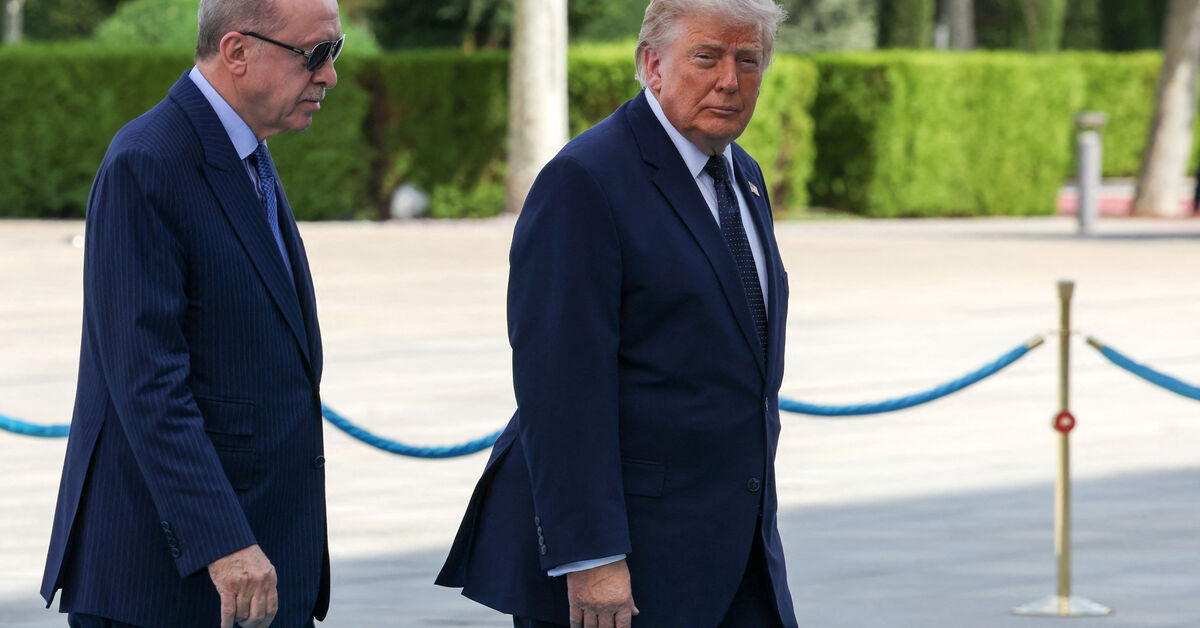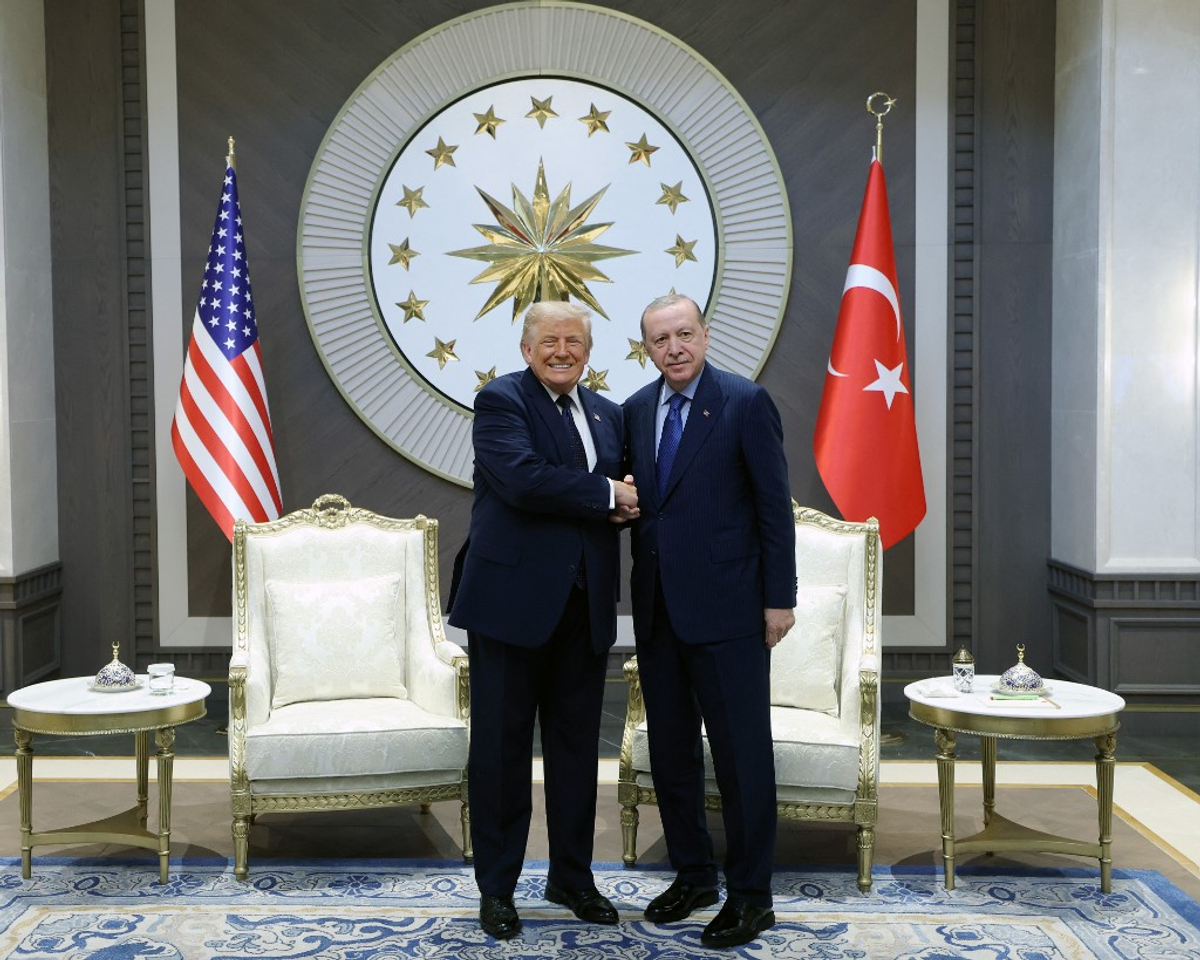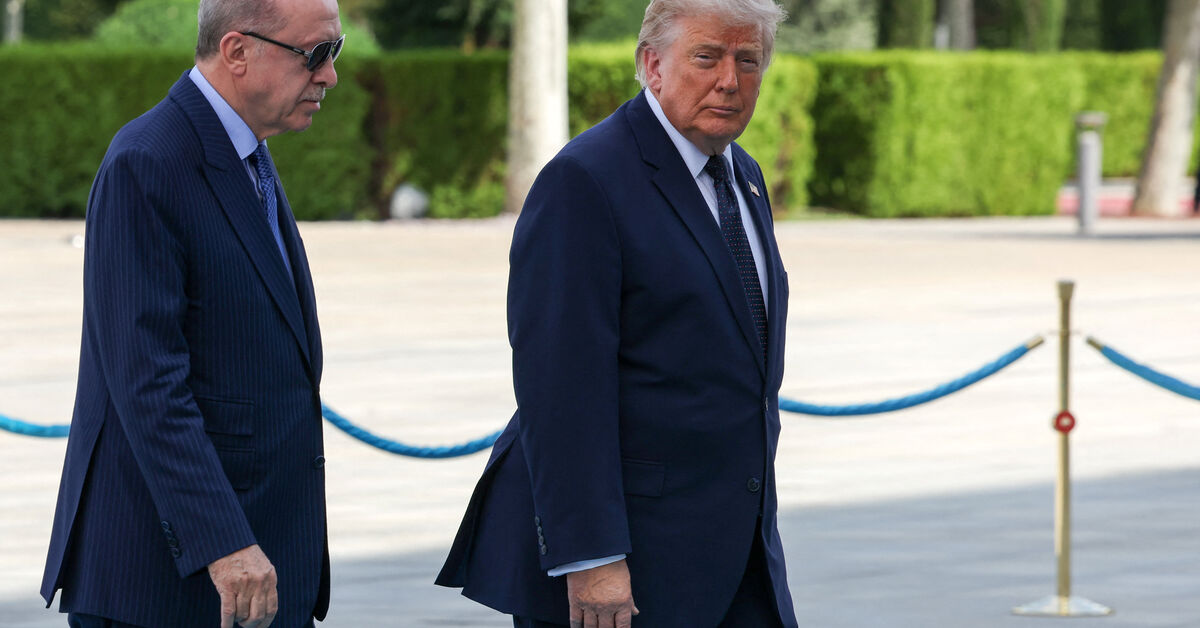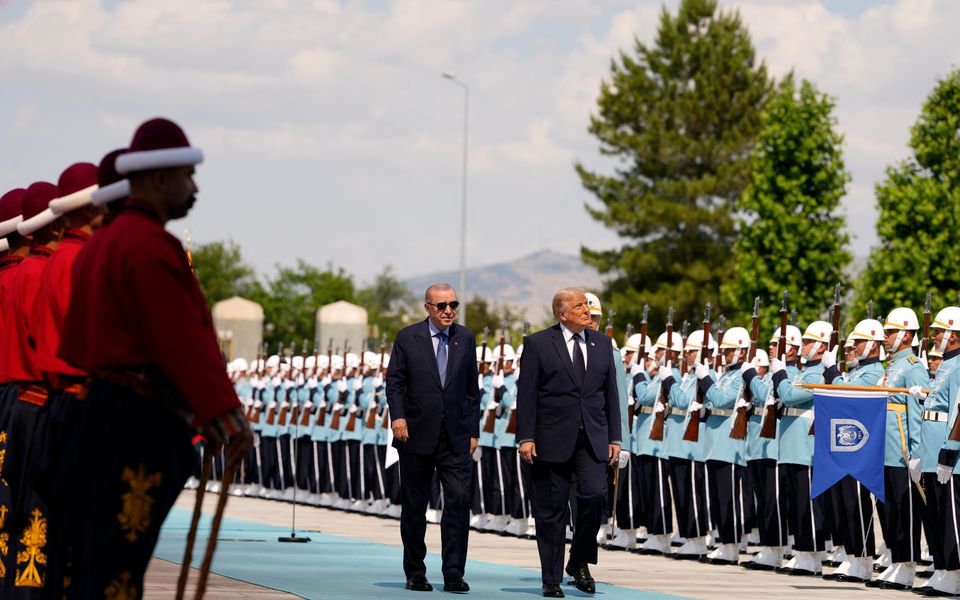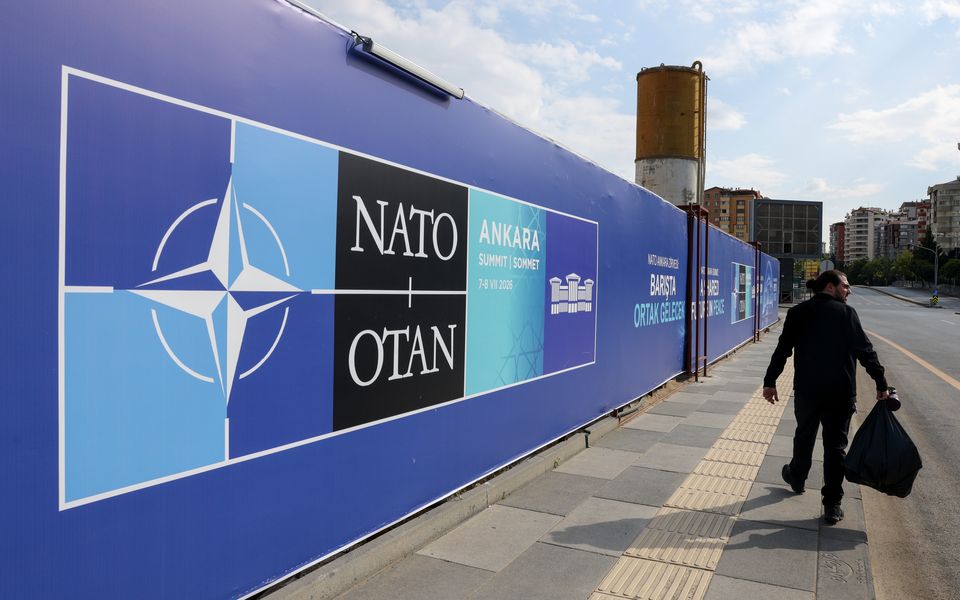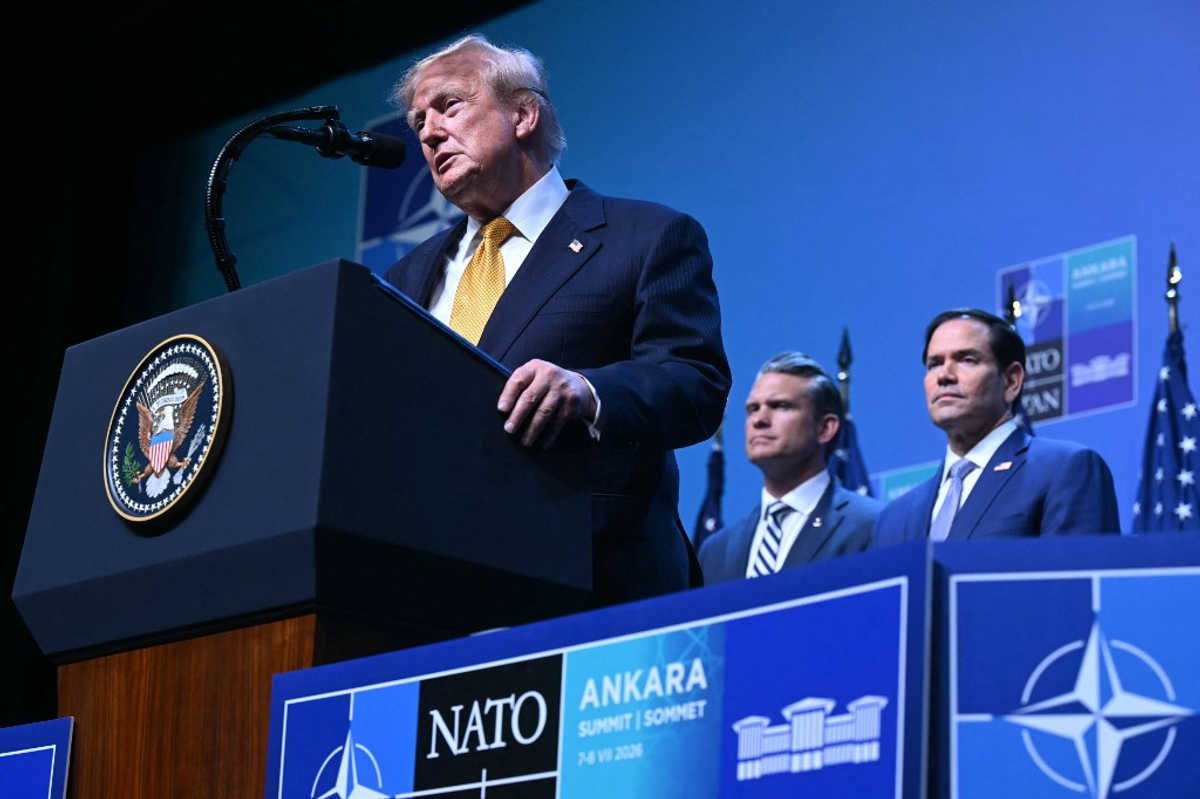
During its summit, held today and tomorrow in Ankara, NATO will try to heal some of its wounds, although no one thinks the effort will succeed in drastically reducing the prevailing sense of unease and friction.
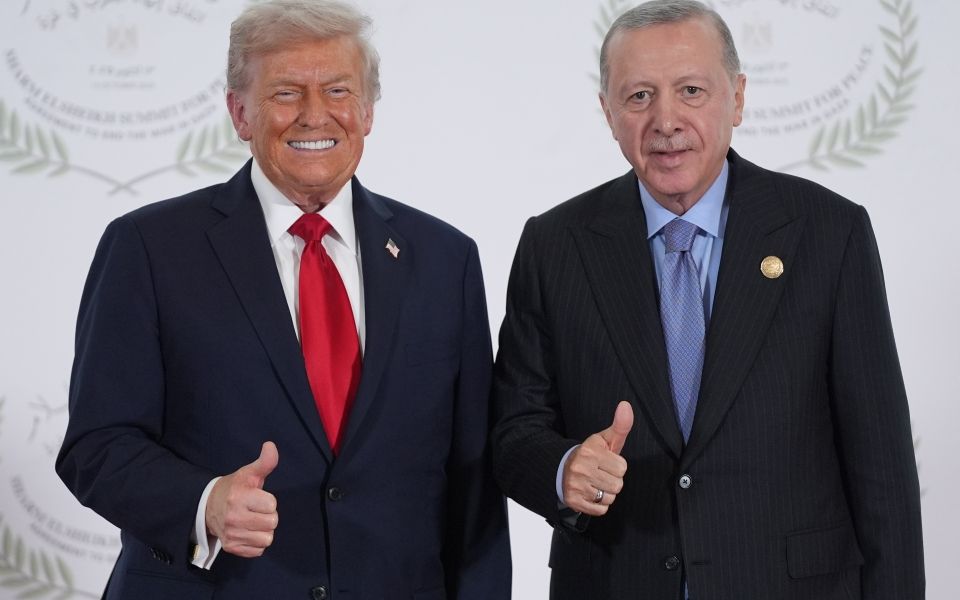
There will be moments when the atmosphere will seem relatively festive, but we will not witness a resurrection of the personal bonds between the leaders and the steady, predictable relationships between the United States and the other member-states that for decades were the cornerstone of the alliance.
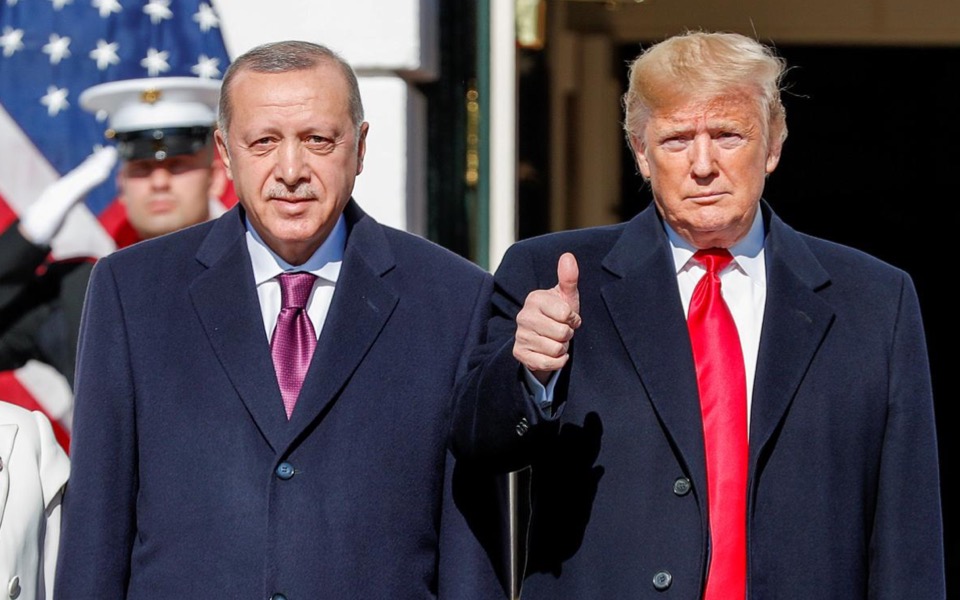
What is particularly upsetting for Greece, a country fulfilling its obligations to the alliance and actively supporting the US on the operational level in numerous ways, is the US president’s seeming insistence on further strengthening his Turkish counterpart militarily, even by looking for a way to get around the legal restrictions imposed on Ankara for its intransigent behavior and violations of US law.
In this context, we should point out Turkey’s attitude toward Greece, its aggressive rhetoric and, most importantly, its revisionist strategies in the Aegean and the wider Eastern Mediterranean, which create constant friction instead of ensuring regional stability.
Donald Trump has personally intervened to unblock the sale of US-made F110 engines to Turkey, while also ordering a legal review of whether the statutory conditions exist for Turkey to rejoin the F-35 program, from which it was excluded after it purchased the S-400 air defense system from Russia.