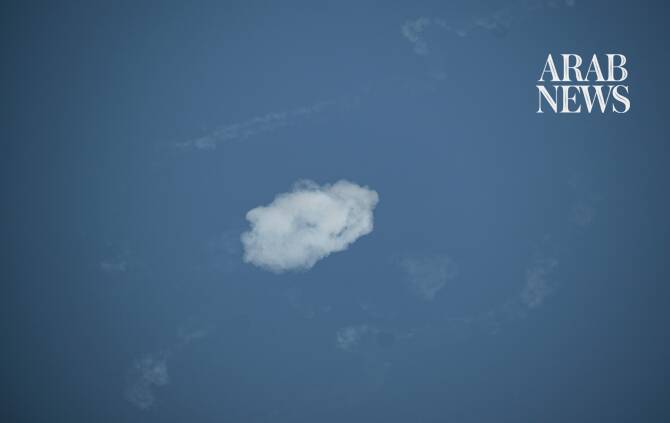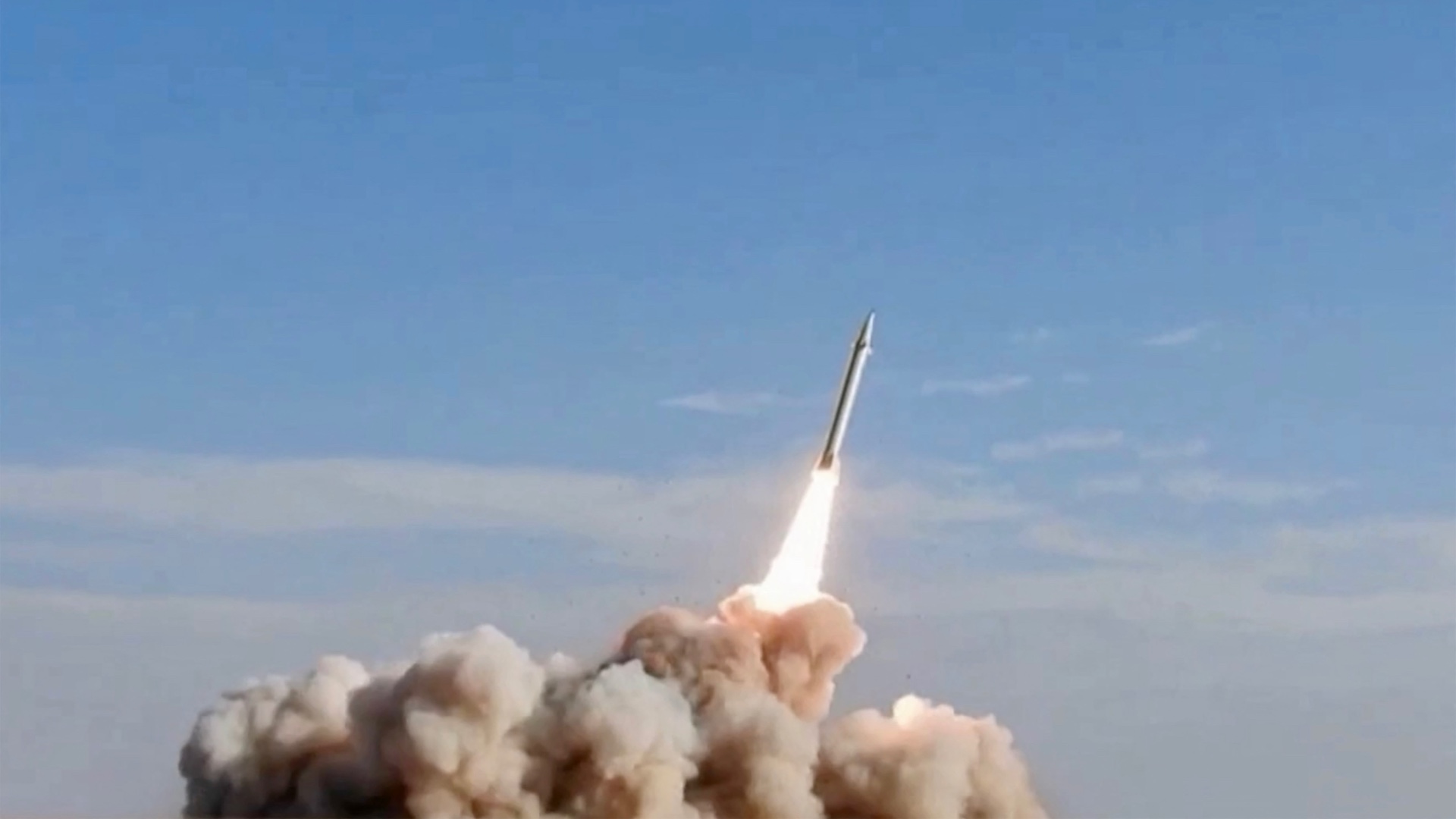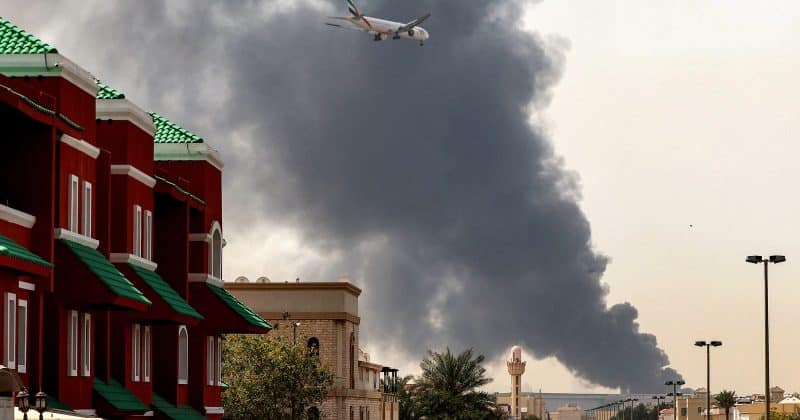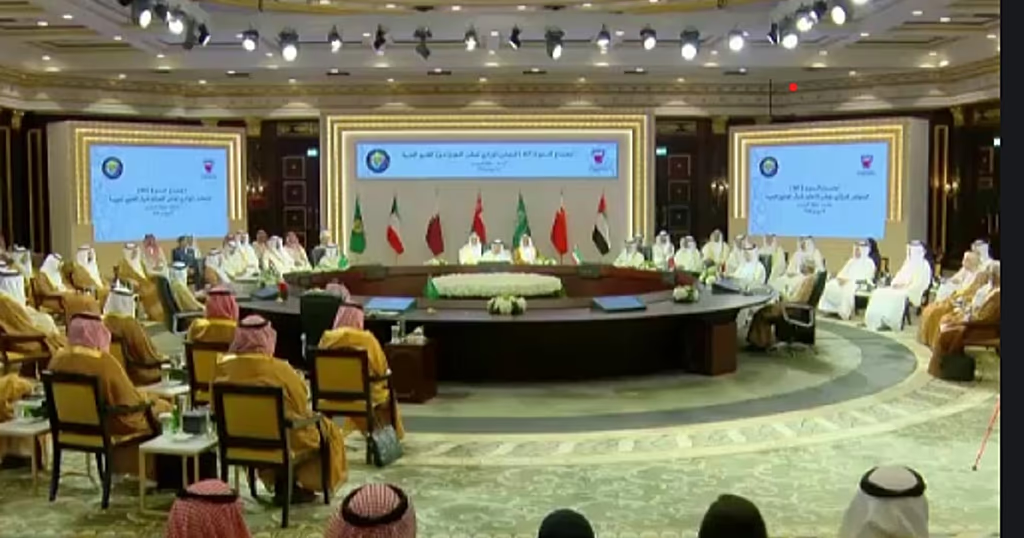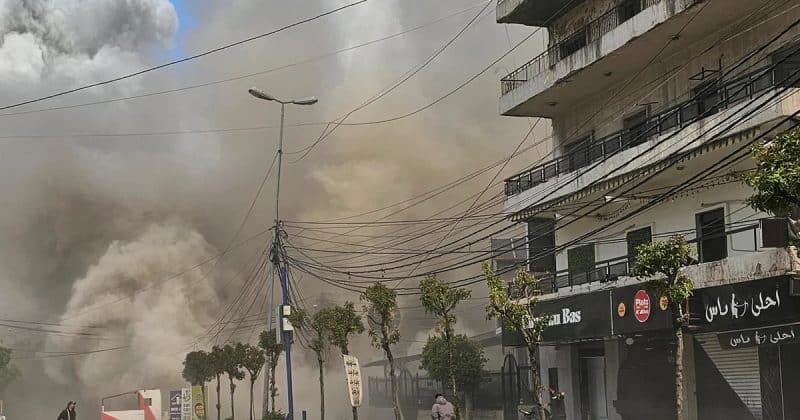
Saudi Arabia formally condemned Iran’s missile and drone strikes targeting Kuwait, Bahrain, and Jordan on June 10, calling the attacks a direct threat to regional stability. The Gulf Cooperation Council followed with its own statement, labeling the strikes a “flagrant violation” of international law and demanding free navigation through the Strait of Hormuz.
What happened in the Gulf
Iran launched coordinated missile and drone attacks against three countries: Kuwait, Bahrain, and Jordan. The strikes occurred within the broader context of escalating US-Iran tensions that have defined much of 2026’s geopolitical landscape.
Saudi Arabia’s Ministry of Foreign Affairs issued a forceful response, with the GCC quickly aligning behind Riyadh’s position. The collective diplomatic front emphasized two priorities: condemning the attacks themselves and safeguarding maritime transit through the Strait of Hormuz.
Roughly one-fifth of the world’s oil supply passes through the Strait of Hormuz on any given day. When the GCC starts explicitly calling for “free navigation” through that corridor, it’s a signal that regional leaders view the threat to energy flows as existential, not hypothetical.