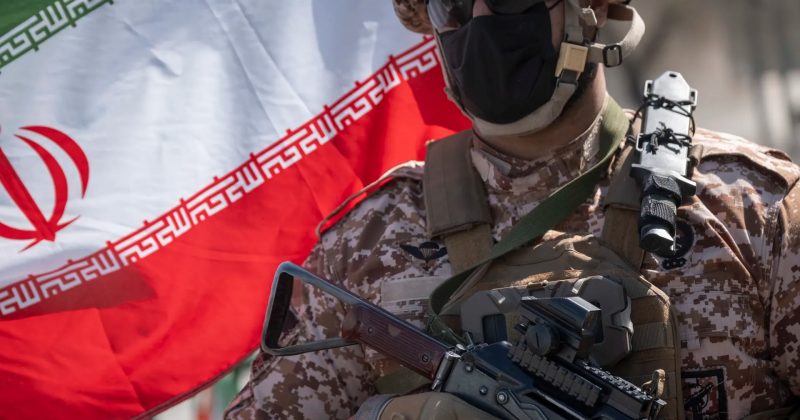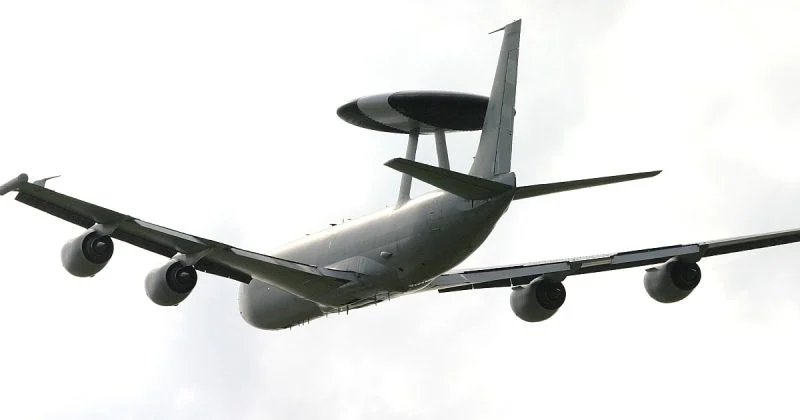
The US military launched a significant package of airpower from Middle Eastern bases toward Iran, deploying F-35s, F-22s, KC-135 tankers, and E-3 Sentry AWACS aircraft in what marks one of the most visible American force projections in the region in years. For crypto markets, the timing matters: Bitcoin and Ethereum both saw sell-offs following the escalation.
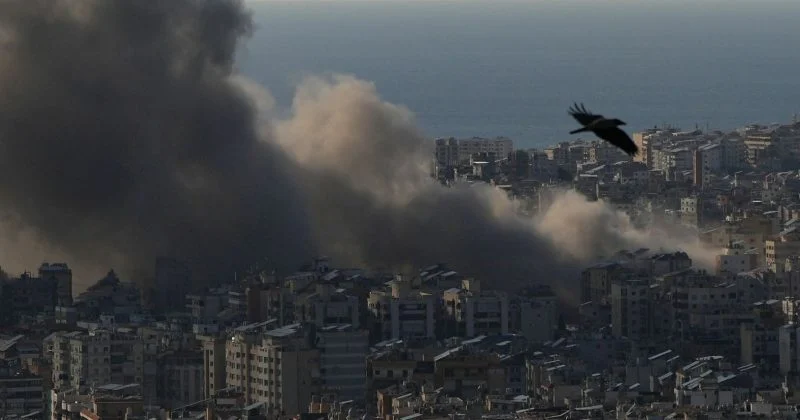
The US struck over 80 Iranian targets on July 7 and 8 in direct response to Iranian attacks on shipping lanes. More than a dozen military aircraft were tracked airborne during the strike package.
How we got here
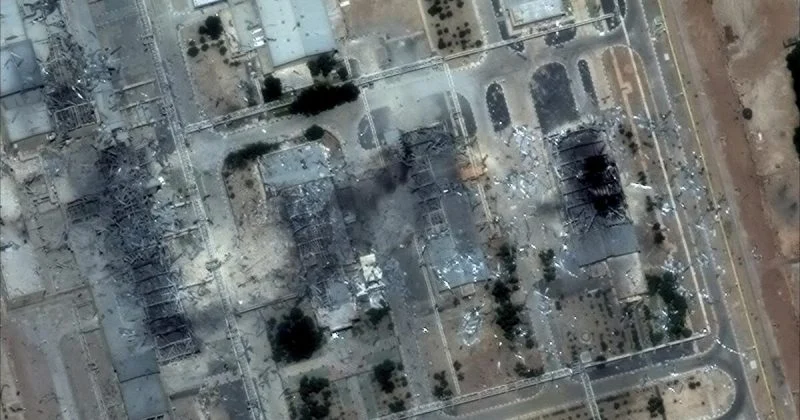
In March 2026, Iranian forces struck Prince Sultan Air Base in Saudi Arabia, damaging US E-3 AWACS and KC-135 tanker aircraft on the ground. A ceasefire attempt in June 2026 collapsed without holding, and within weeks the US had responded with its largest strike package of the conflict. The over-80-target figure covers a range of Iranian military infrastructure, and the deployment of both stealth aircraft like the F-22 and multirole fighters like the F-35 alongside tanker and surveillance assets signals a sustained air campaign rather than a one-off retaliatory strike.
The Strait of Hormuz sits at the center of the strategic pressure. Roughly 20% of global oil supply transits that narrow waterway, and any sustained disruption would ripple through energy markets, shipping costs, and ultimately the broader macro environment that crypto trades against.