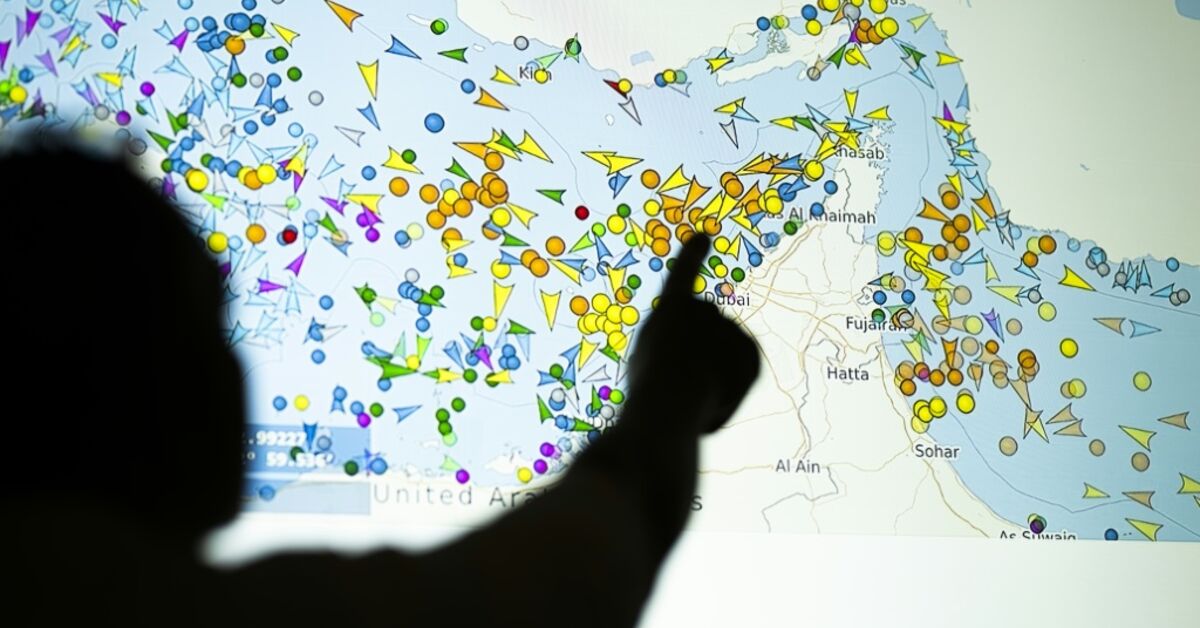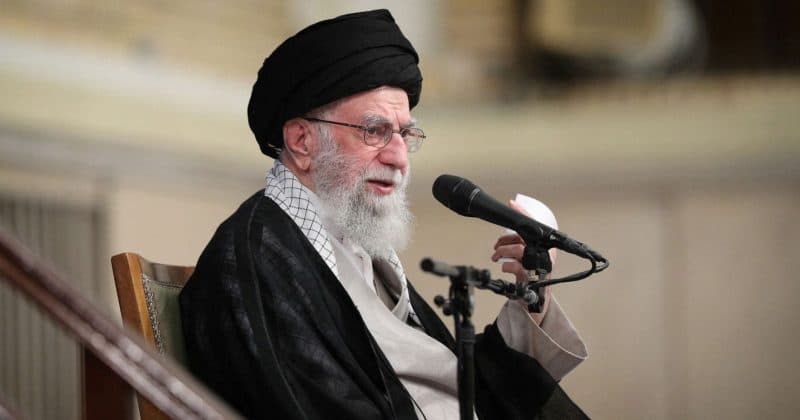
Ayatollah Ali Khamenei, who served as Iran’s Supreme Leader since 1989, was killed during coordinated US-Israeli airstrikes on February 28, 2026. Iranian state media confirmed his death on March 1, triggering a regional crisis that has reshuffled nearly every assumption about Middle Eastern geopolitics.
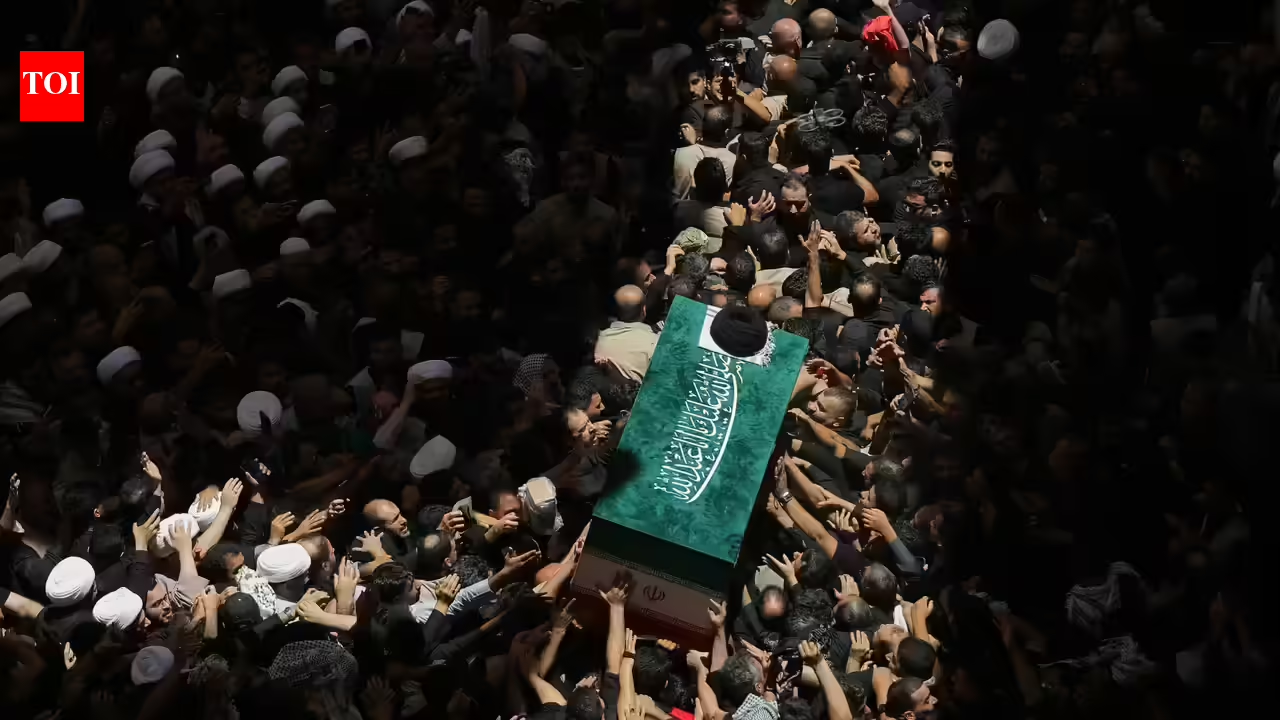
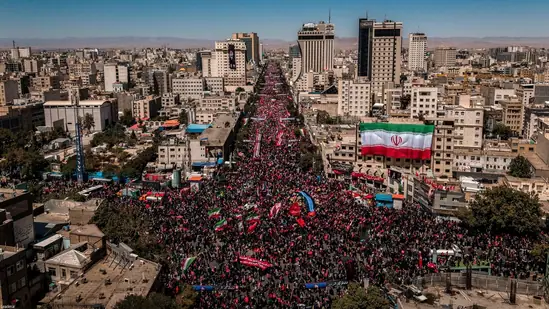
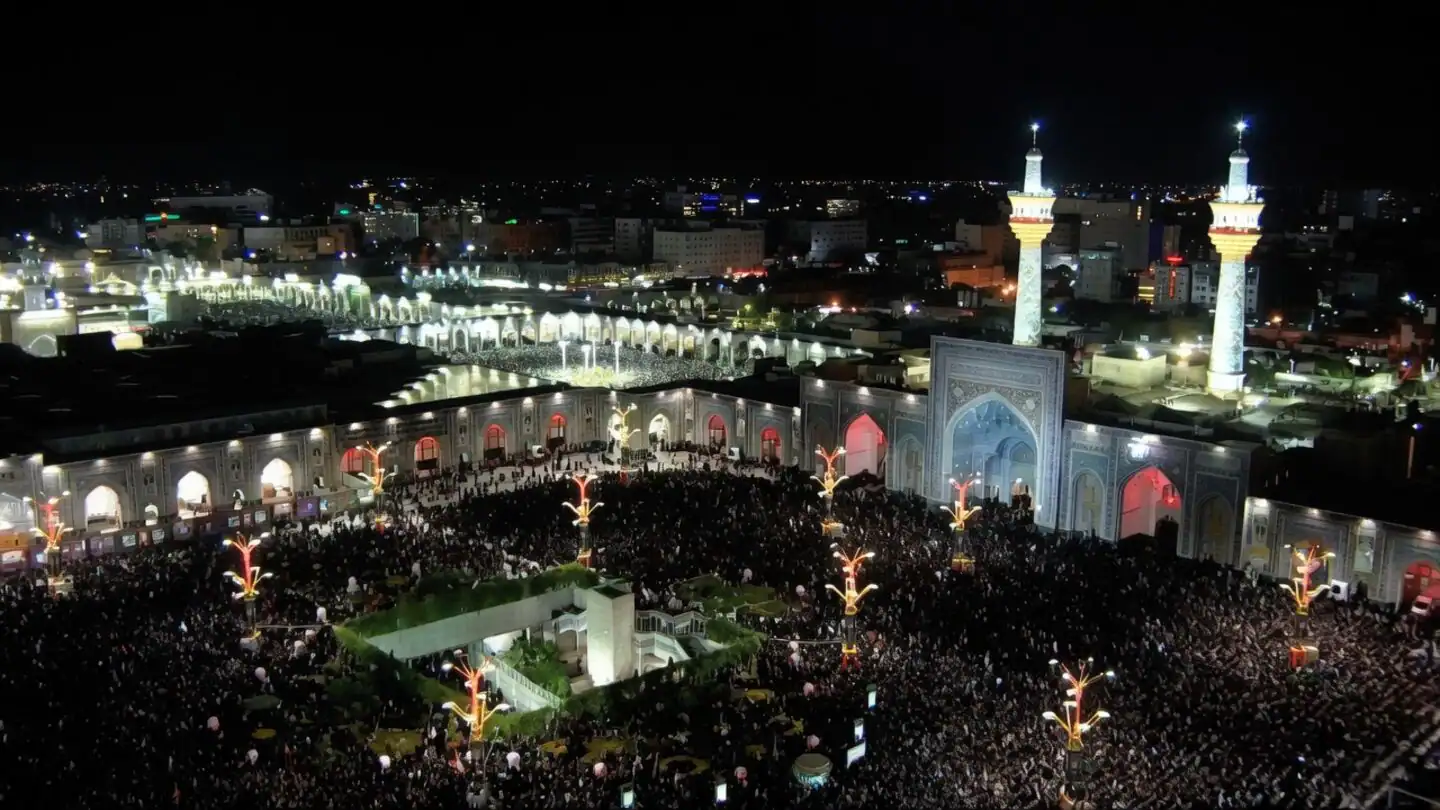
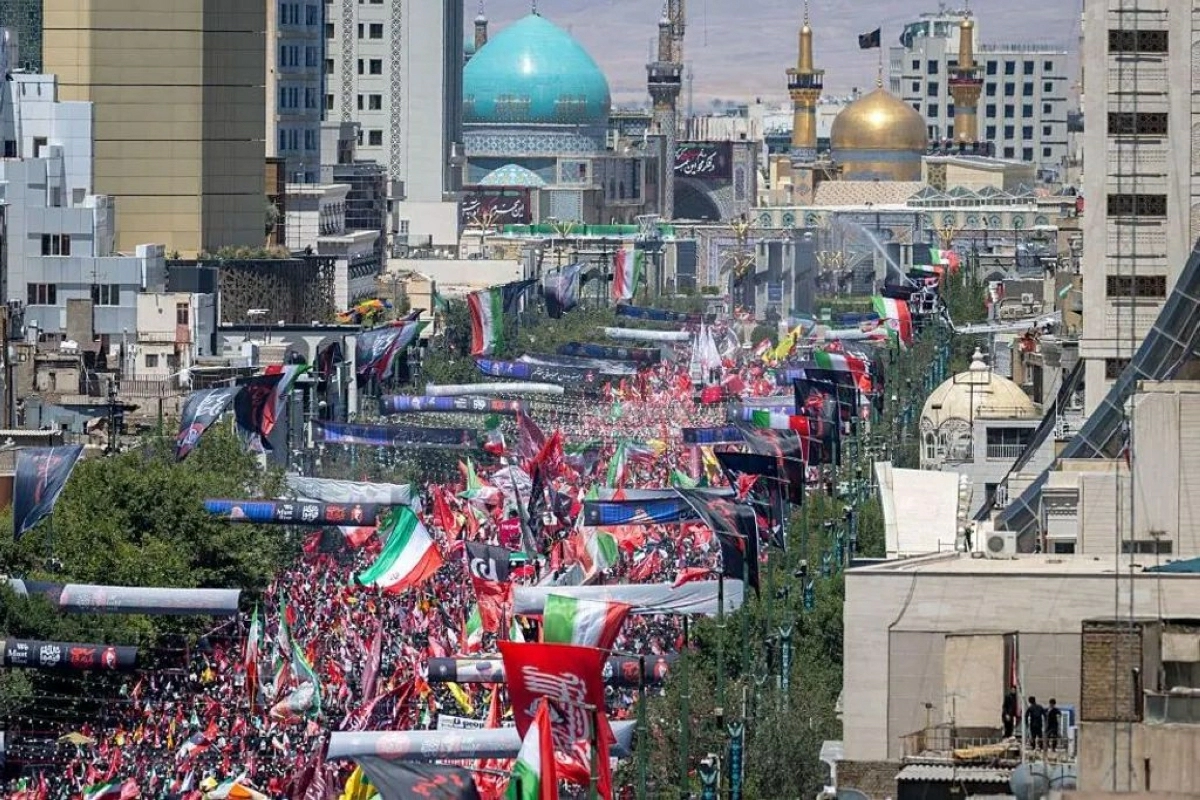
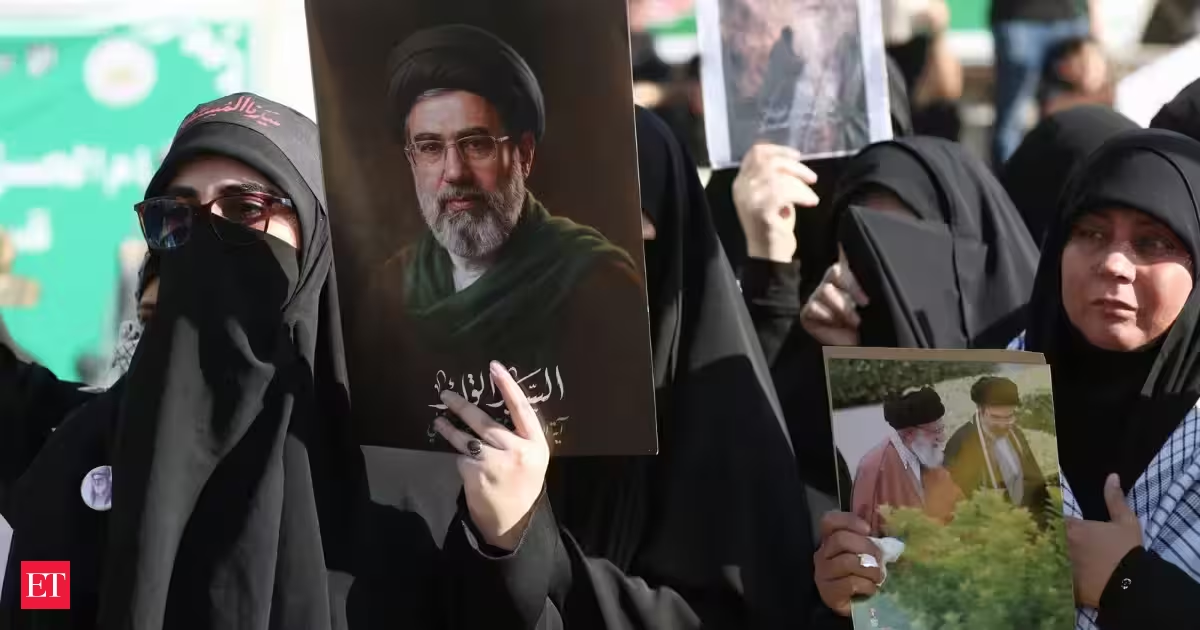
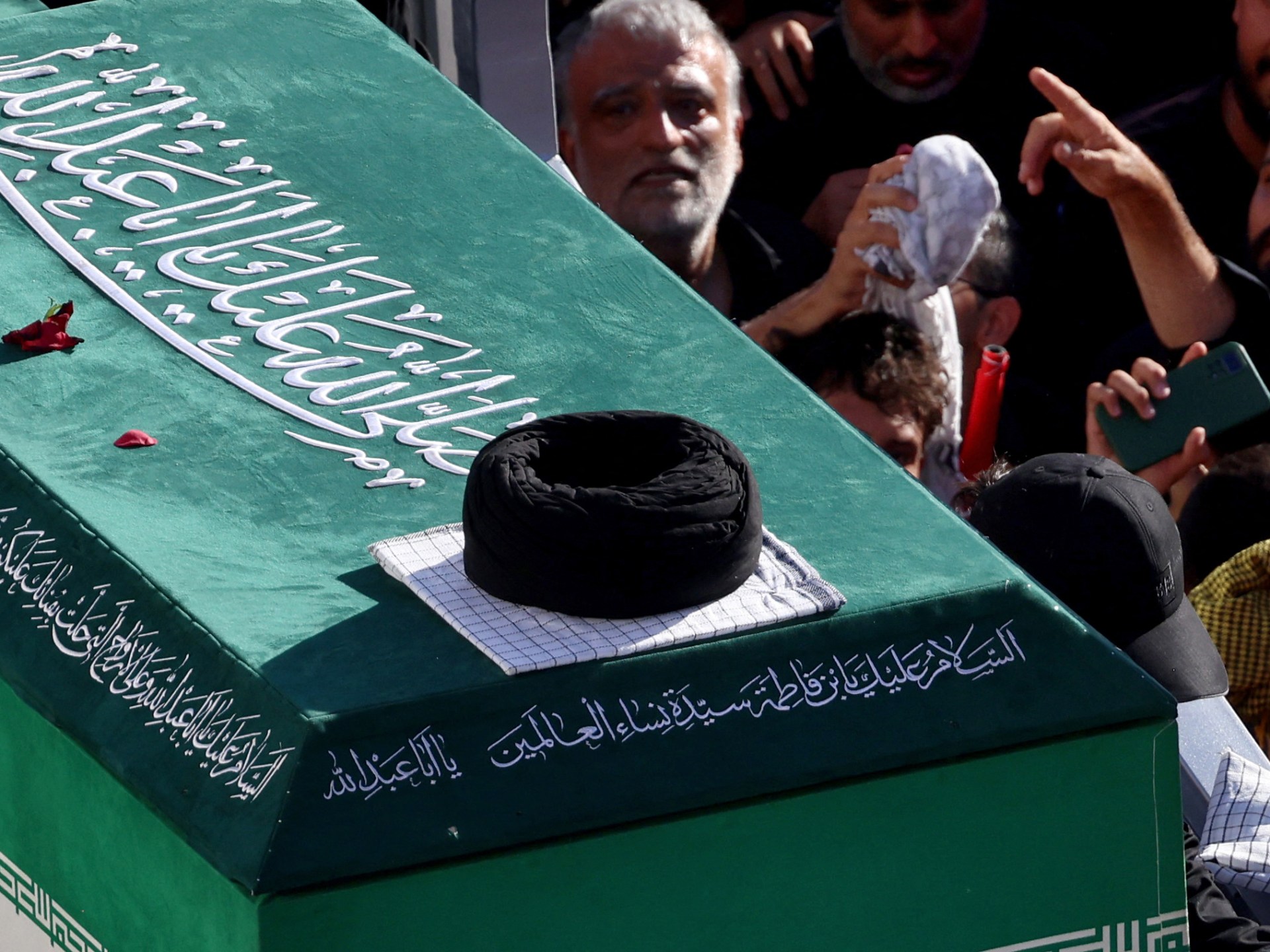
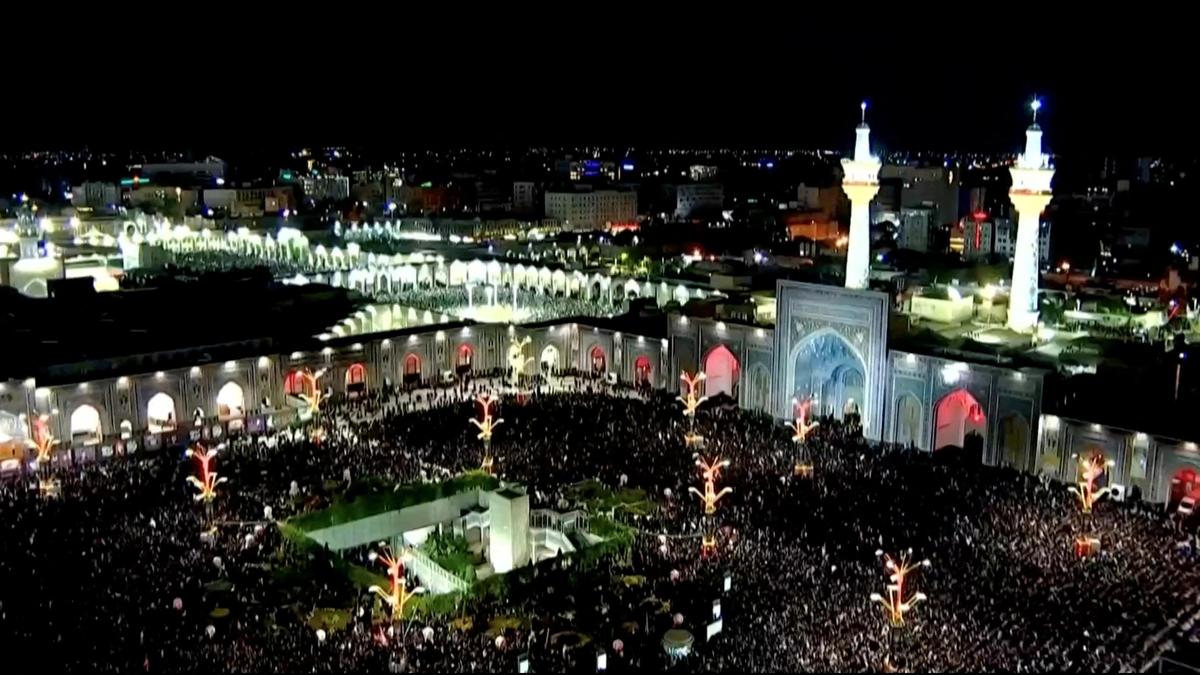
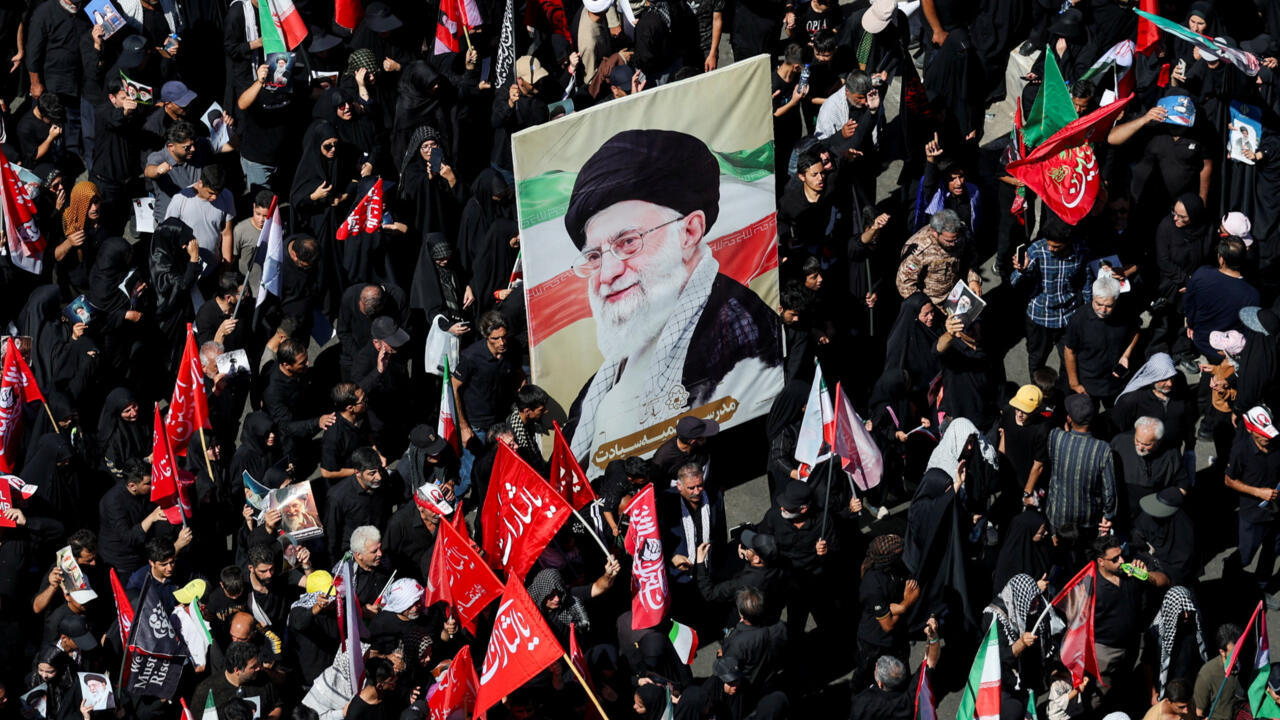
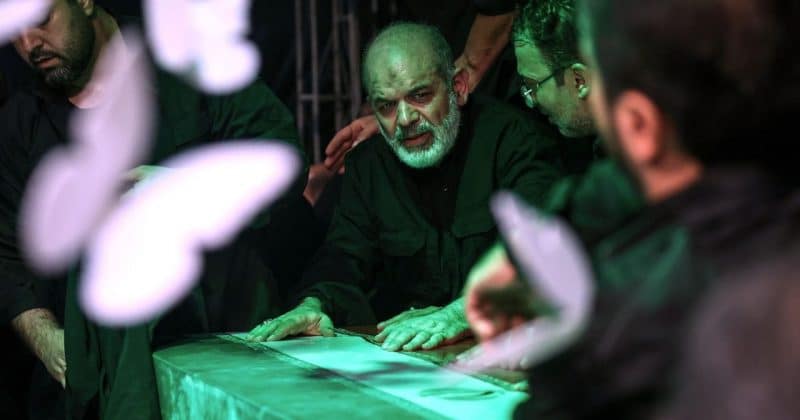
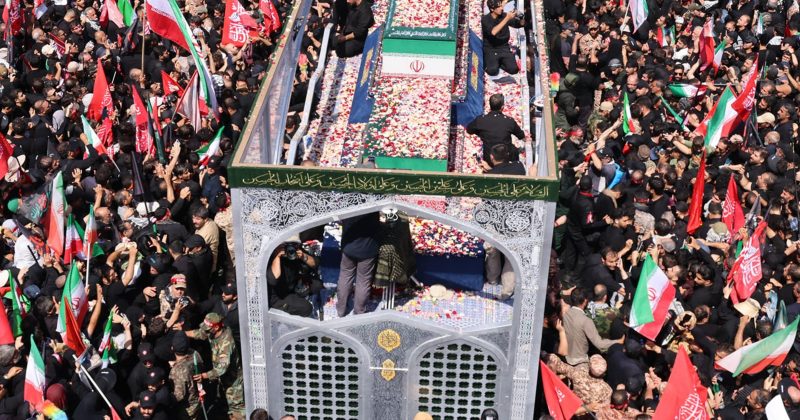
The burial, scheduled for around July 9-10, 2026 at the Imam Reza shrine in Mashhad, marks the end of a months-long procession that wound through Iranian cities and extended internationally to Karbala and Najaf in Iraq. Millions of mourners attended along the route, making it among the largest public funeral events in recent Iranian history.
What happened and why it matters now
Khamenei held a level of authority in Iran that had no real Western equivalent. He controlled foreign policy, the military, the judiciary, and the nuclear program.
His son, Mojtaba Khamenei, has emerged as the frontrunner to succeed him, according to reporting from state-adjacent Iranian media. Whether the Assembly of Experts, the clerical body formally empowered to select a new Supreme Leader, ratifies that choice or fractures over it is the central political question hanging over Tehran right now.