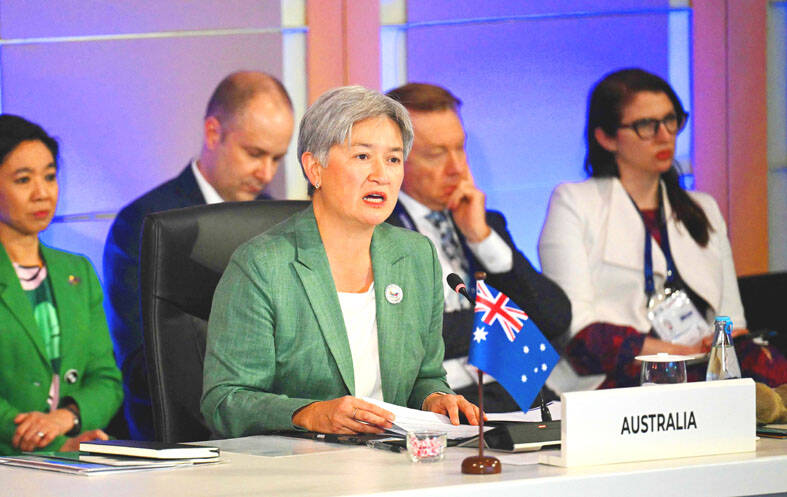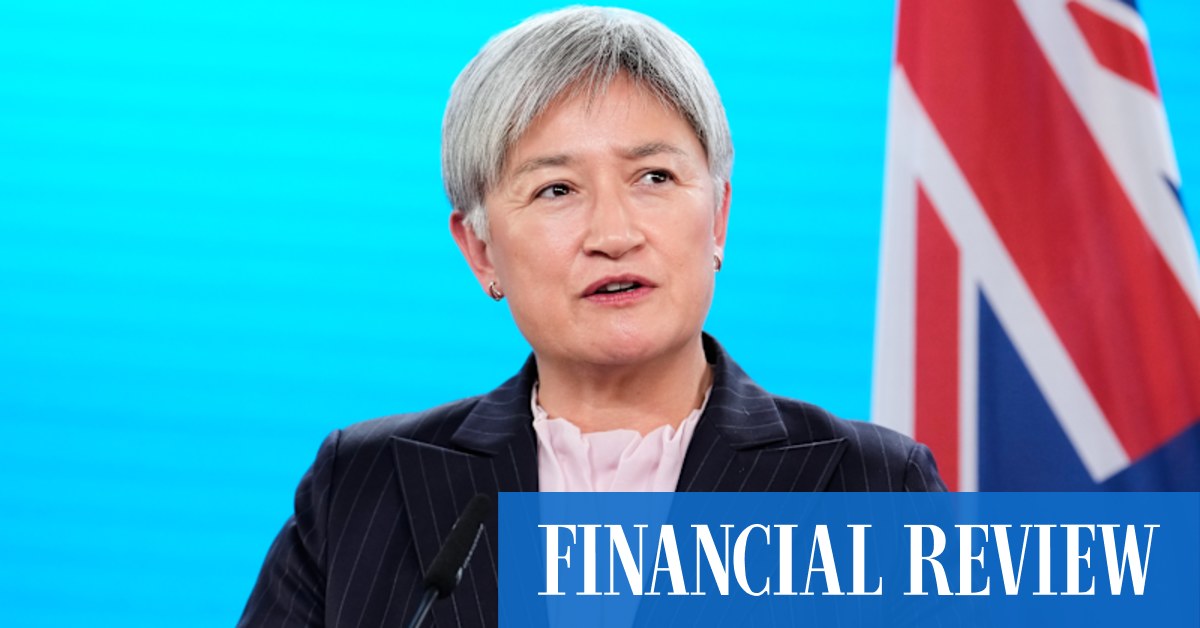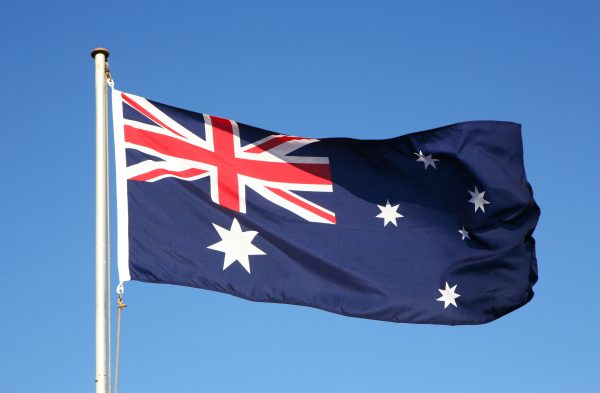
Foreign Minister Penny Wong has said she wants Australia to be an active, “architect” middle power – a stabilizer, mediator, and constructive partner in the Indo-Pacific.
For anyone concerned about peace in Australia’s neighborhood, that is good to hear, because a number of factors are conspiring to make future conflict more likely: the return of big power politics, the erosion of long-accepted international norms, marginalization of competent multilateral organizations (such as the United Nations) from peace processes, and the growing complexity of conflicts themselves.
Such times call for trusted middle powers to play a sensible good offices role. Australia, which is running for the U.N. Security Council in 2029-30, would be a welcome addition at the international mediators’ table, a rarefied though expanding group of states that insert themselves between conflict protagonists with a view to crafting diplomatic solutions. Apart from the obvious lifesaving benefits of skillful mediation, the diplomatic kudos Australia earns from positioning itself this way would certainly enhance its standing as a prospective Security Council member.
Australia has already earned the requisite trust for such a role and, through clever diplomacy, built a privileged global reputation. This includes a proud peacemaking record in its region, leading the 1999 peacekeeping intervention in East Timor, the Regional Assistance Mission to Solomon Islands, mediating between factions in Bougainville in partnership with New Zealand and the U.N., and earlier playing a pivotal role in the Cambodian peace agreement.