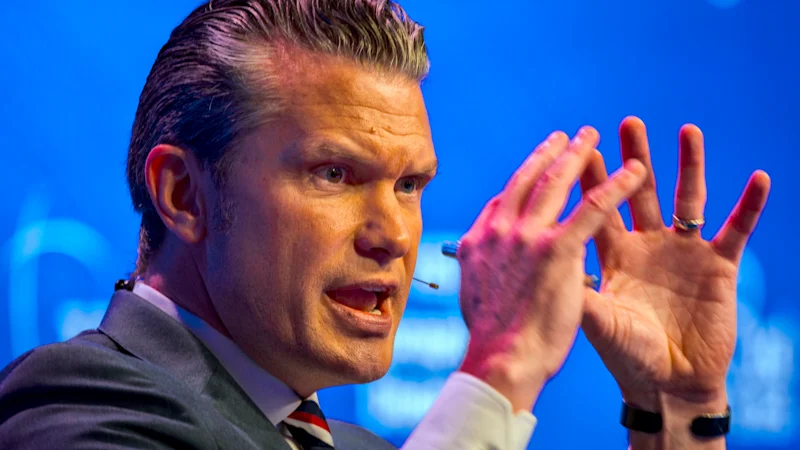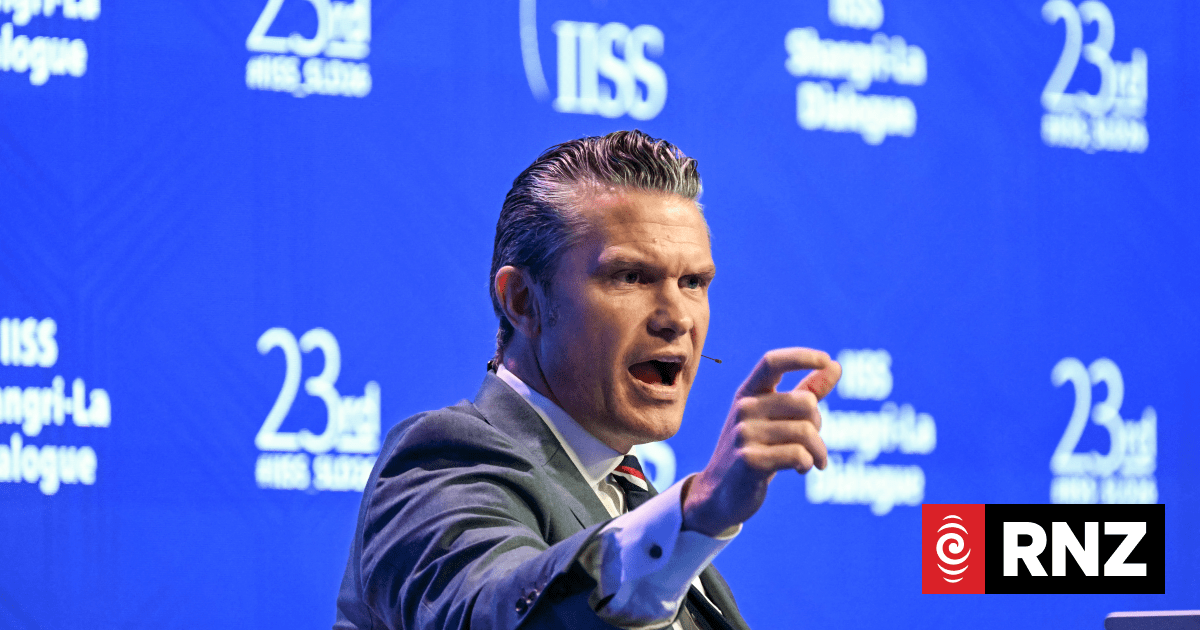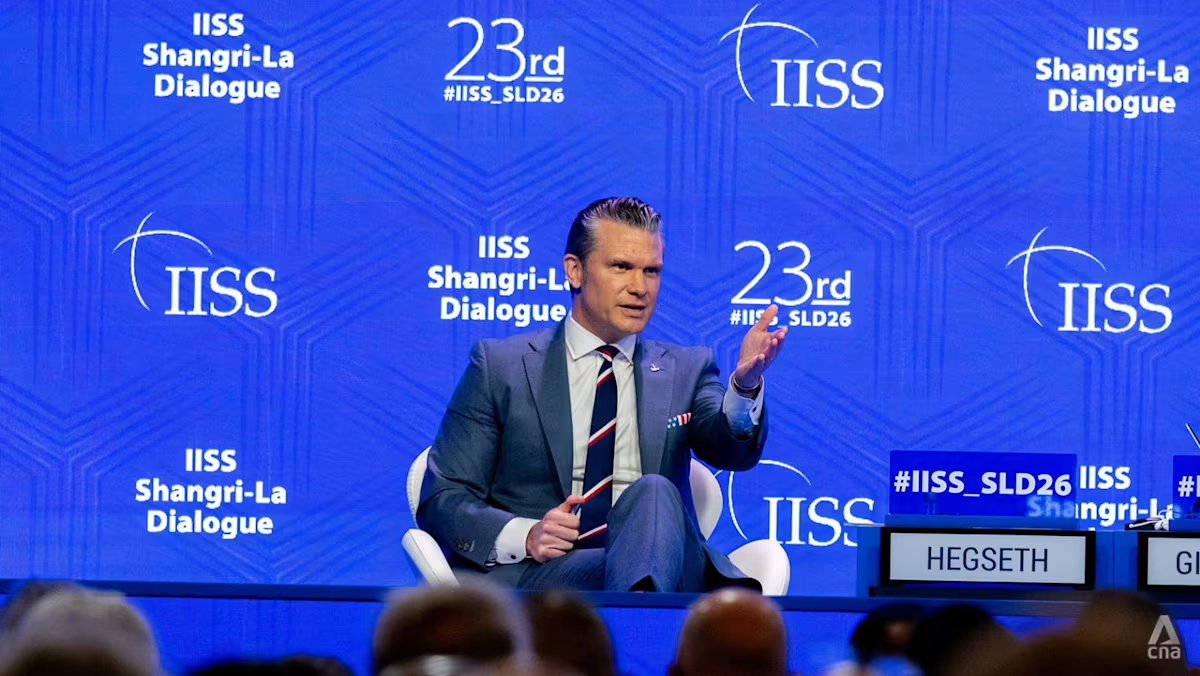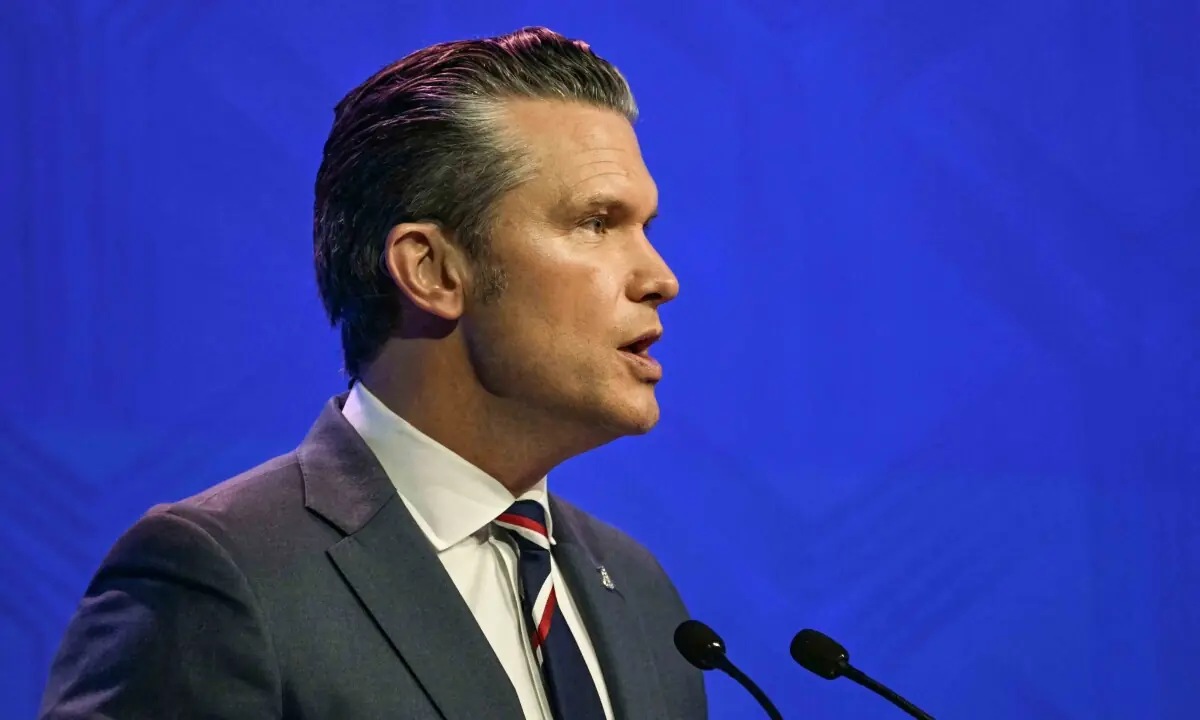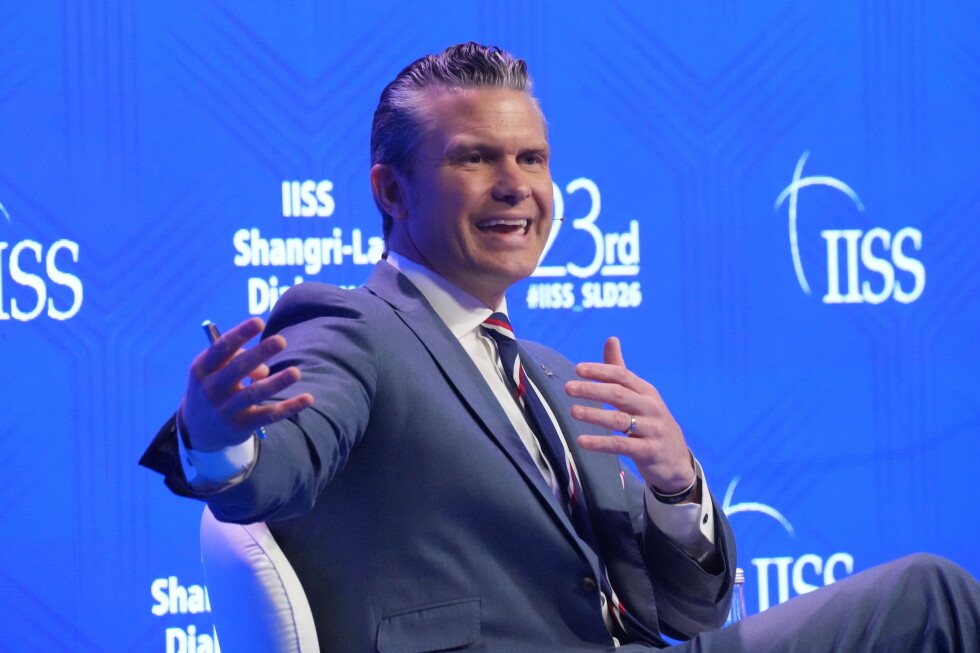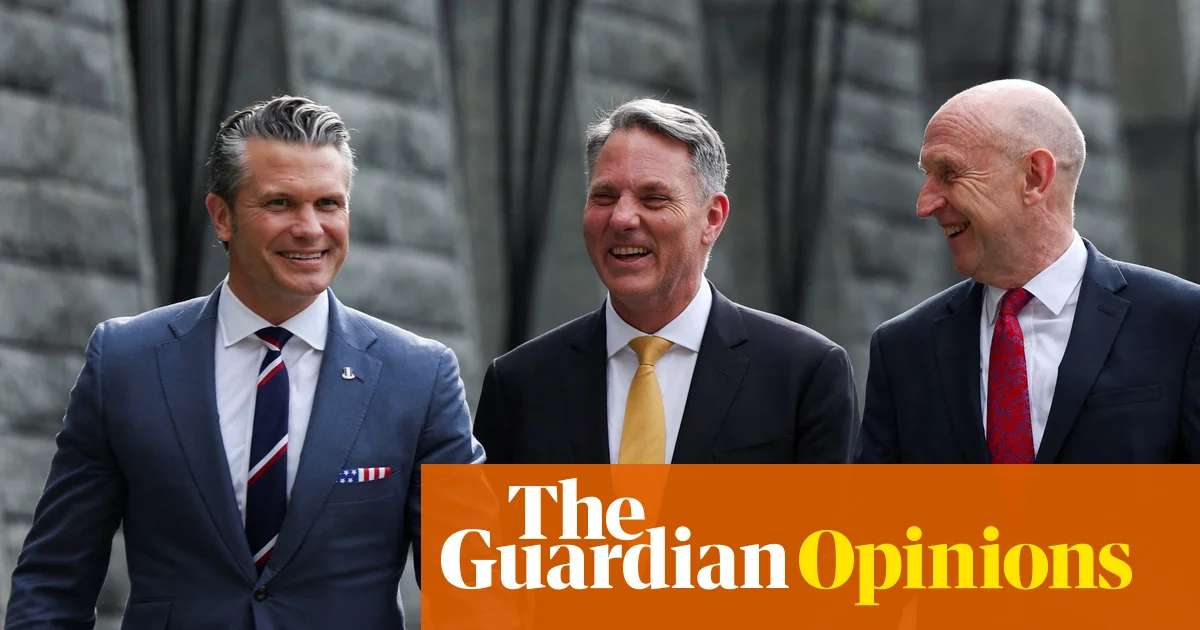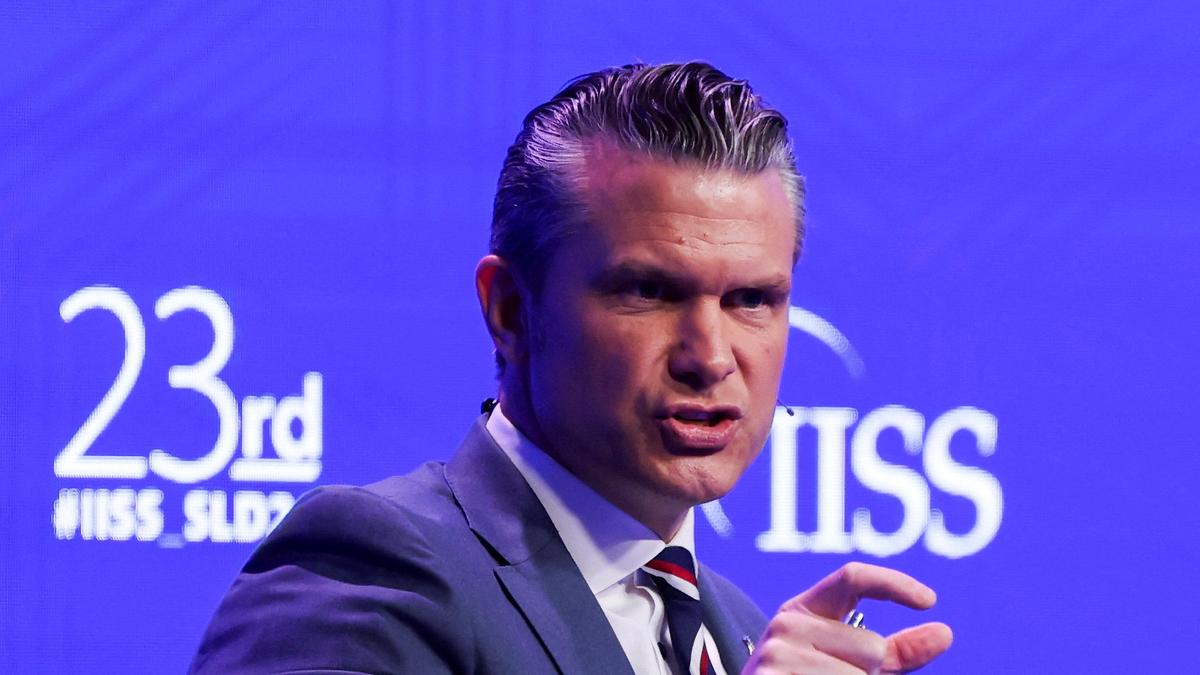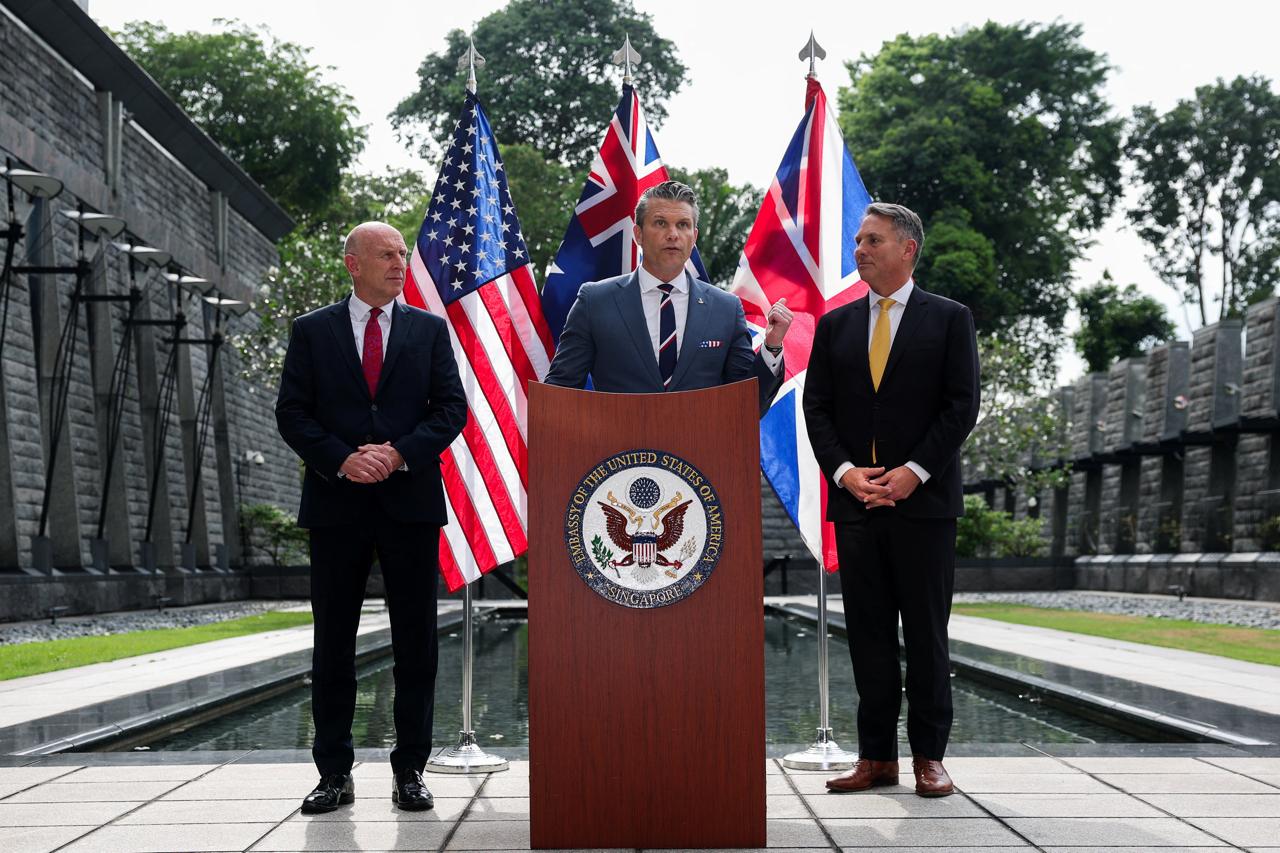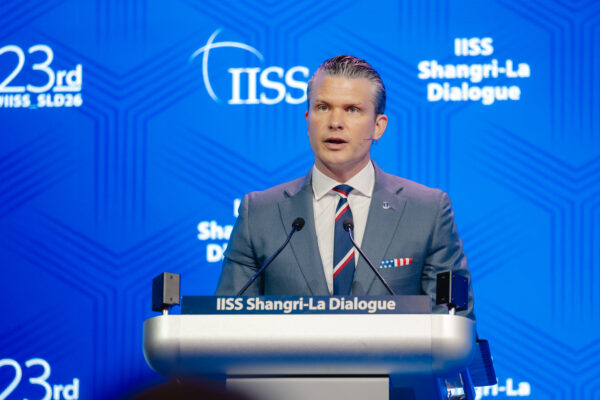
At the 2026 Shangri-La Dialogue in Singapore, U.S. Secretary of War Pete Hegseth delivered a message Australia cannot afford to ignore. He sounded what he called a “rightful alarm” over China’s rapid military buildup, warned against any single power dominating the Indo-Pacific, and urged regional allies and partners to lift their defense spending.
At the same time, Hegseth struck a more measured tone toward Beijing, despite China sending only a lower-level delegation to the Shangri-La Dialogue for the second year in a row. He spoke of strategic stability, military-to-military contact, and the need to avoid miscalculation. He made no direct mention of Taiwan and, when asked about future arms sales, declined to give a firm commitment.
For Australia, the speech could mark a turning point. Canberra is being asked to spend more and align more closely with U.S. strategy just as Washington’s commitments look less predictable and Beijing becomes less patient with Australia’s strategic ambiguity.
In Hegseth’s framing, Australia sits among Washington’s model allies, alongside Japan, South Korea, and others. Facing a more contested strategic environment, Australia needs greater military capability, more resilient supply chains, and a larger defense-industrial workforce.