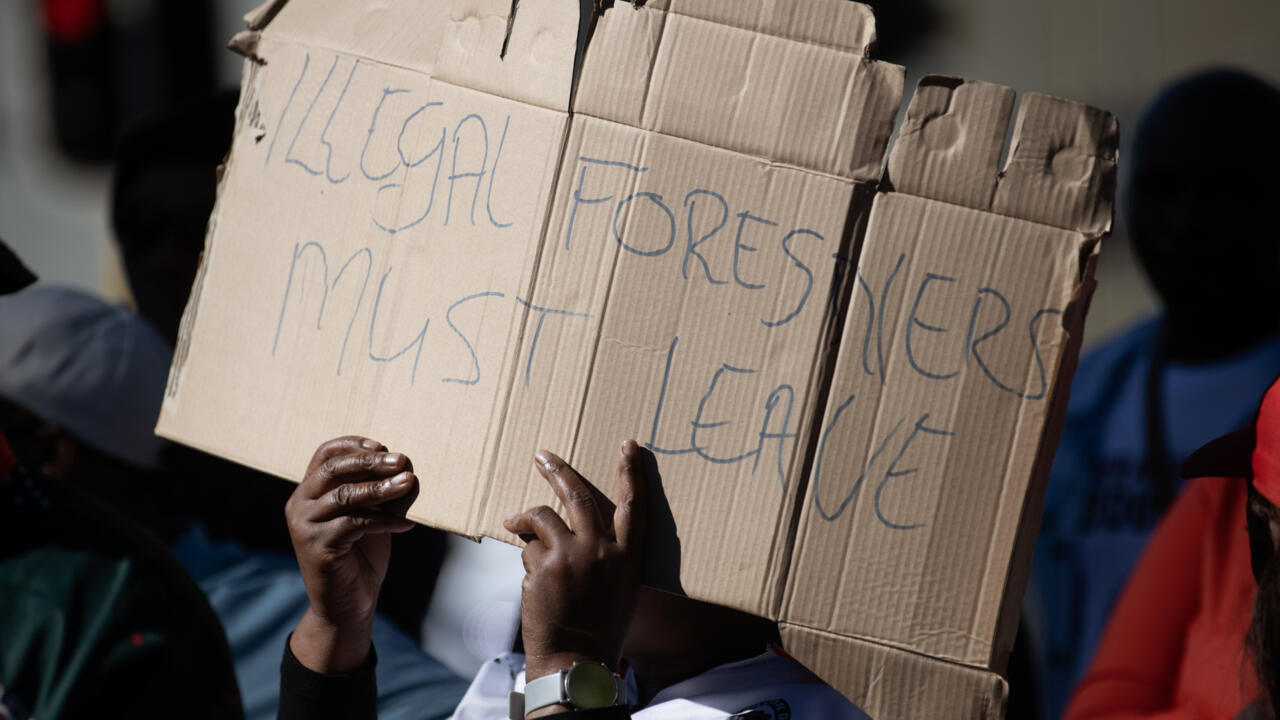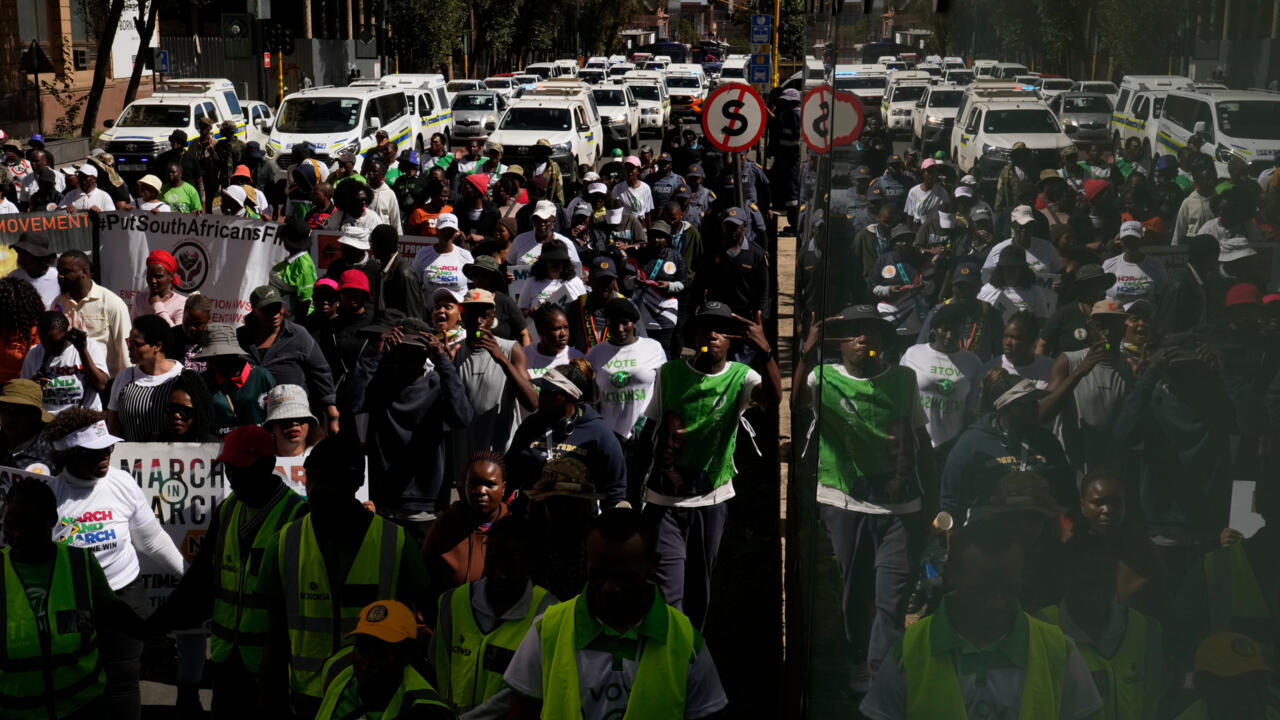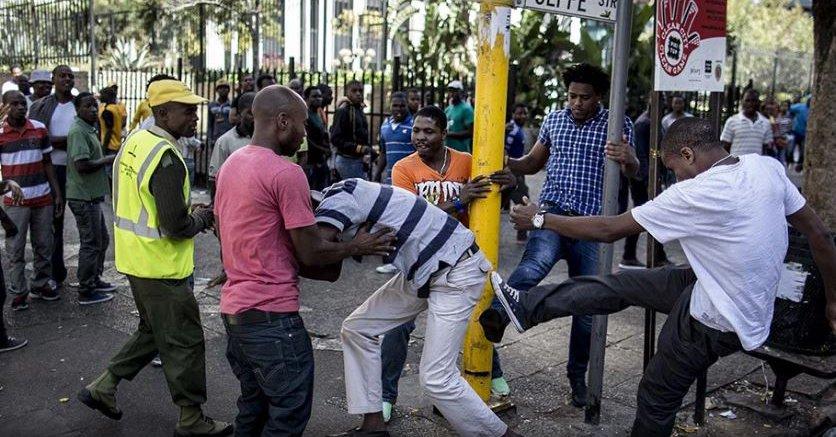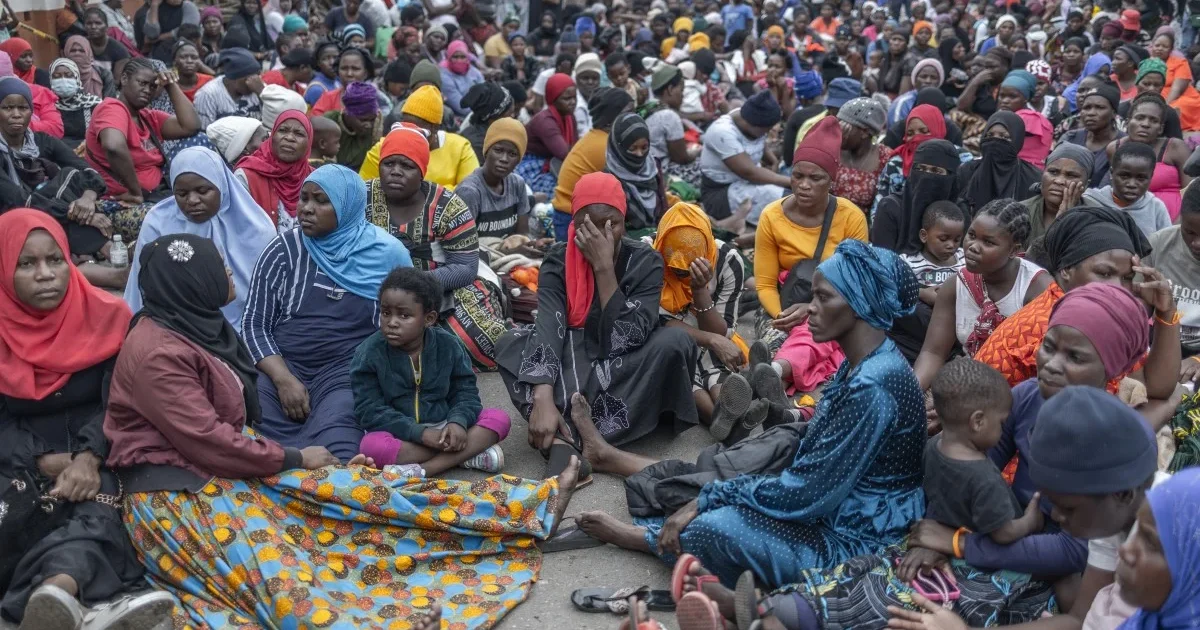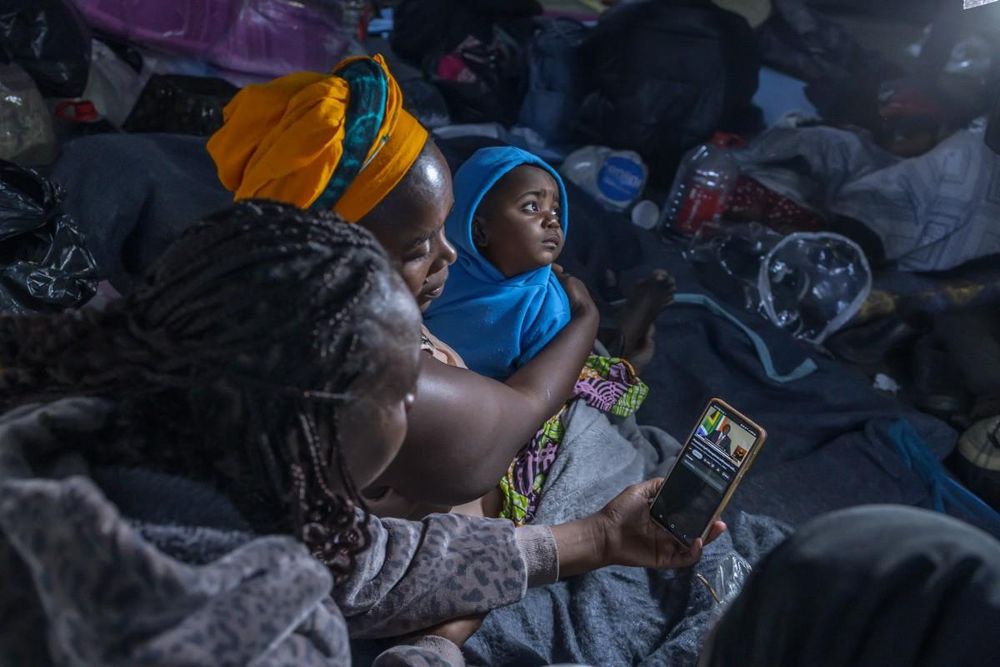
Foreign nationals camped outside the Department of Home Affairs offices in Durban on 7 June, 2026 use their mobile phones to watch South African President Cyril Ramaphosa addressing the Nation on its immigration crisis. Anti-migrant incidents display typical pogrom features: mob violence, vigilantism, deaths, vandalism, displacement, mobilisation, and inflammatory rhetoric, says the writer.
Eddy Maloka
If there is one report an African country does not want to feature in, it is to find itself on the list of countries of interest of the African Commission on Human and Peoples’ Rights (ACHPR).
When a policy meeting of the African Union reaches this agenda item, some ambassadors use the time to take a smoke break, knowing they have nothing to worry about. The same cannot be said for a country whose name regularly appears in the ACHPR report. This is a stressful time for them. Some act proactively and raise their flag in anticipation of requesting to speak even before the floor is opened for discussion.
No one ever knows if South Africa will one day end up in the ACHPR report, in the league of bad actors in the African Union state system. But there is one place in world history where South Africa’s name will be inscribed: in the list of countries where mass expulsions of people and pogroms occurred.