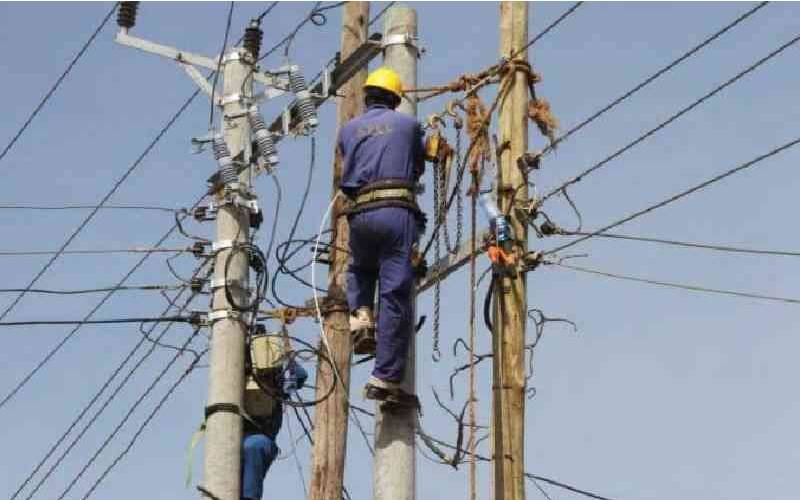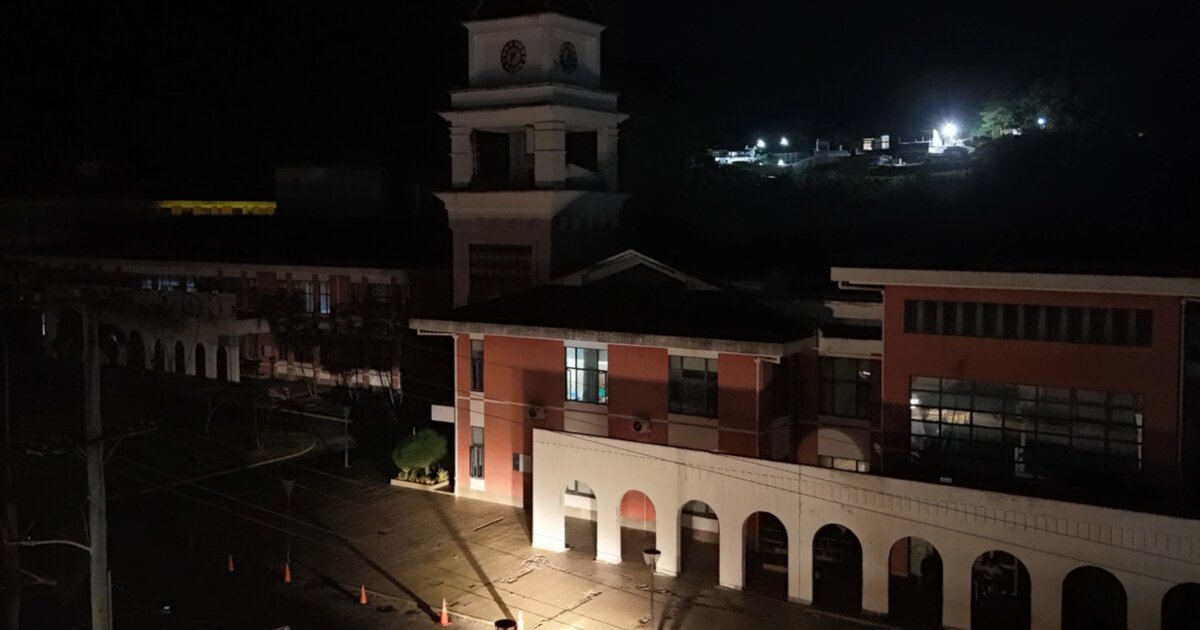
The birth of my first child in 2018 revealed how unreliable electricity can undermine healthcare in rural Kenya. Frequent power outages disrupted vaccine storage, forcing families to travel long distances only to discover vaccines were unavailable. While I could sometimes find alternatives, many mothers could not afford the extra transport costs or time away from caregiving.
My experience as a technical manager in a rural hospital had already exposed me to the challenges healthcare workers face in preserving vaccines and other temperature-sensitive medicines during blackouts. Many clinics lack refrigeration, requiring health workers to transport vaccines over long distances, often in extreme heat that threatens their effectiveness. It became clear that this was not just an energy problem but a healthcare access challenge that disproportionately affects women and rural communities.
That realisation inspired us to establish Drop Access in 2021, a Kenyan company developing locally manufactured technologies for underserved and off-grid communities. Our flagship innovation, VacciBox, is a portable solar-powered refrigerator that safely stores vaccines, blood, oxytocin and other temperature-sensitive medical supplies between 2°C and 8°C without relying on grid electricity. Its portability enables healthcare workers to take lifesaving services closer to remote communities.