FICCI, CII, ACMA, SEAI argue blanket duties lack an evidence base and risk disrupting integrated US-India supply chains
| Photo Credit:
Kagenmi
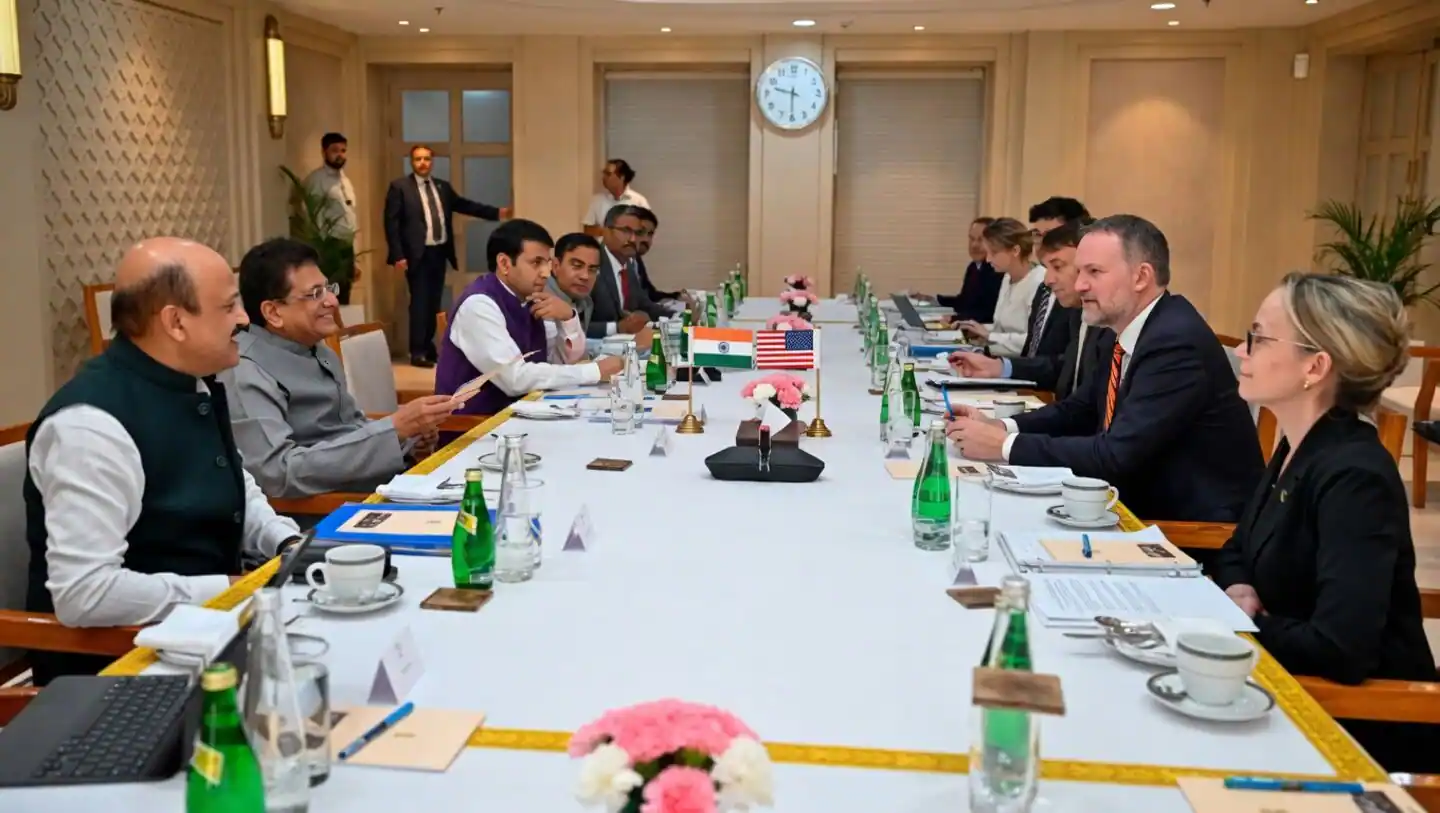
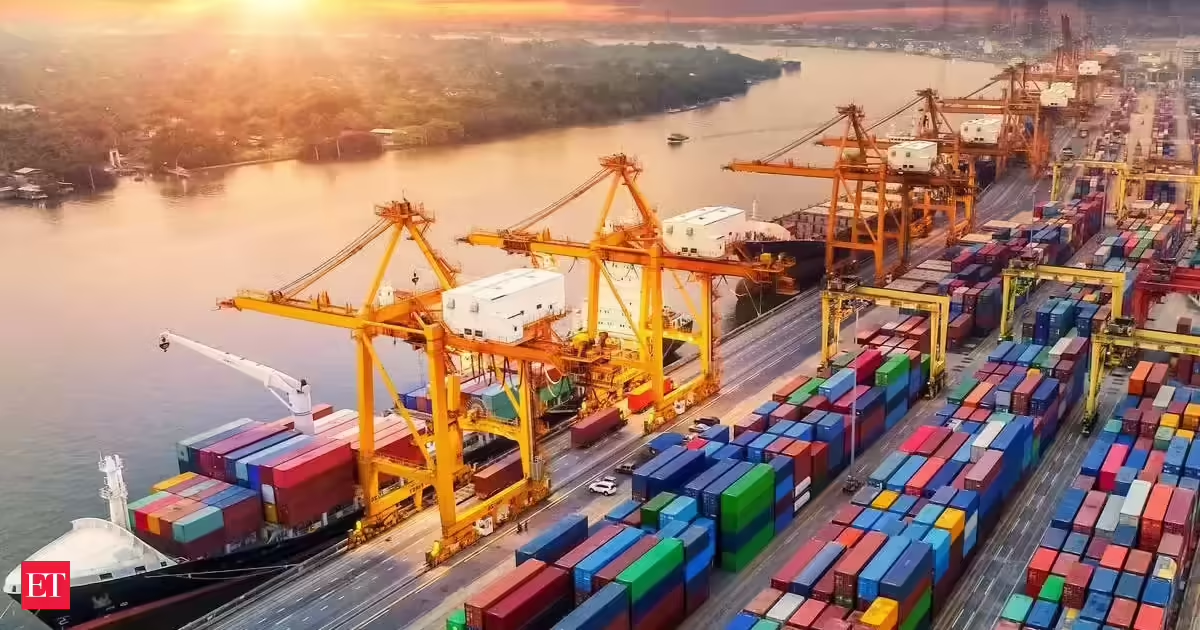
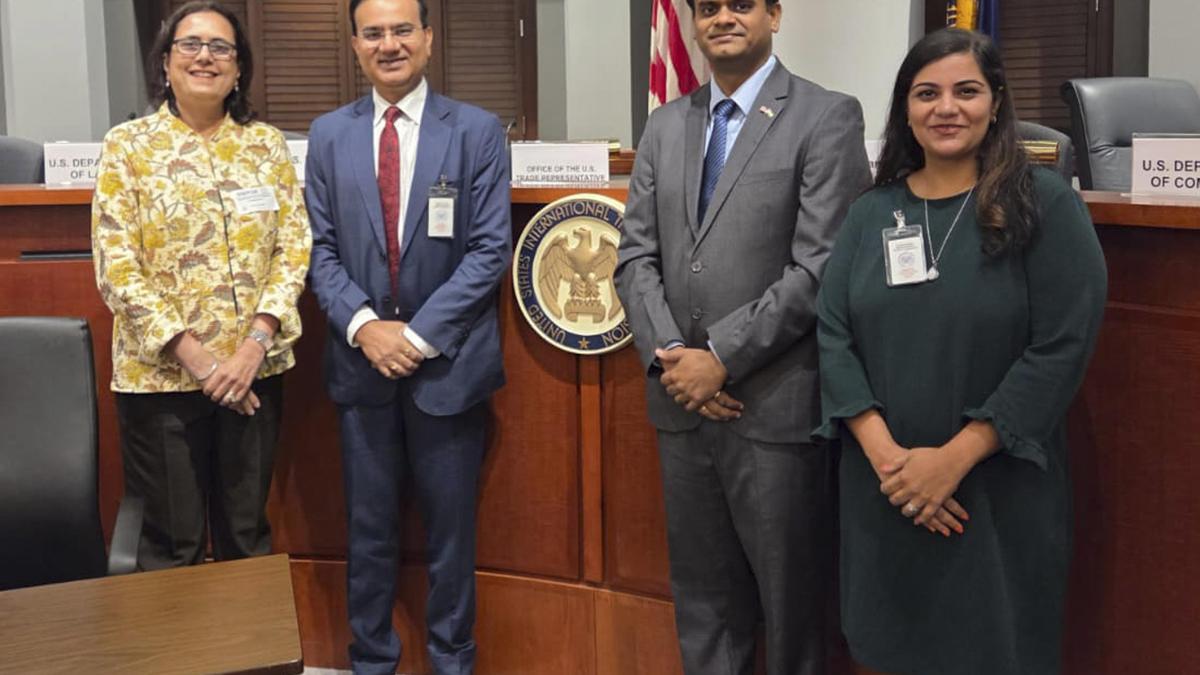
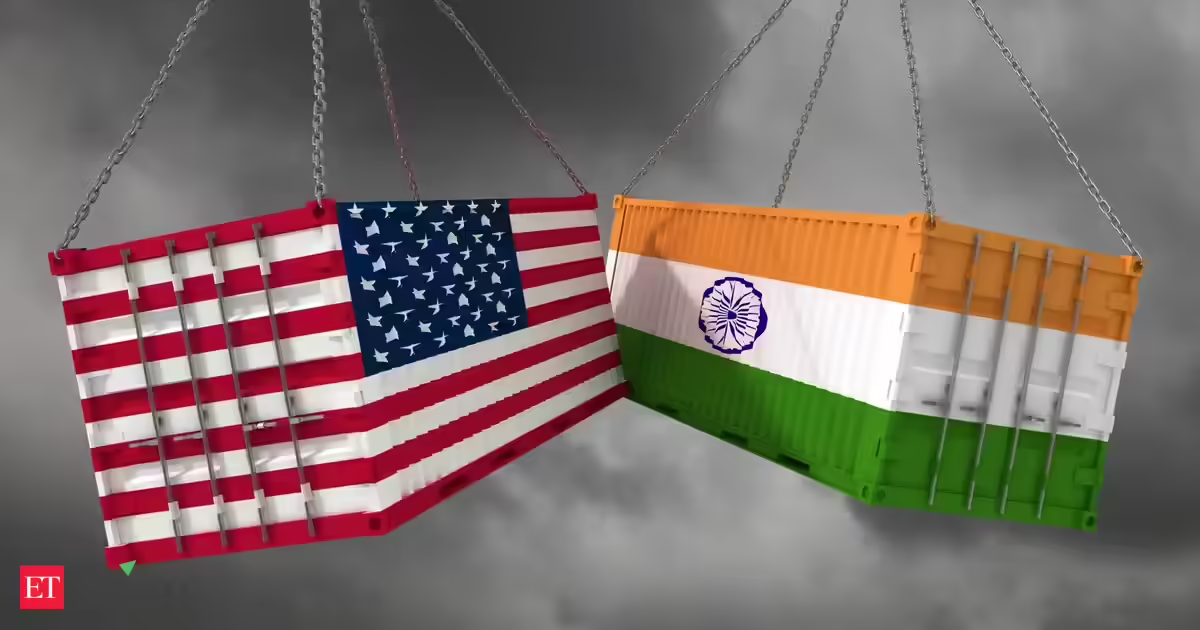
Indian industry representatives have urged the United States Trade Representative (USTR) to reconsider proposed Section 301 measures against India on alleged use of imports produced with forced labour, arguing that a blanket 12.5 per cent additional tariff would penalise compliant businesses, disrupt established supply chains, and fail to address demonstrated forced labour risks.The written submissions were made for consideration at the USTR’s ongoing public hearing (July 7-9) on proposed actions under a Section 301 investigation concerning countries that do not impose or effectively enforce prohibitions on imports produced with forced labour.Representatives from various Indian industry organisations such as Federation of Indian Chambers of Commerce and Industry (FICCI), Confederation of Indian Industry (CII), Automotive Component Manufacturers Association of India (ACMA), and Seafood Exporters Association of India (SEAI) argued that any action should be based on sector-specific evidence rather than the absence of a particular legislative mechanism.“There is no credible evidentiary basis linking Indian production to the use of forced labour inputs,” CII stated in its submission.Legal frameworkFICCI and CII maintained that India’s legal framework, combined with industry-led compliance systems, provides substantial safeguards against forced labour. They pointed to constitutional protections, labour legislation, criminal provisions, international commitments, and corporate due diligence practices adopted by export-oriented companies.“Applying a uniform tariff across all imports does not distinguish between supply chains that may warrant heightened scrutiny and those that already operate within well-established compliance systems,” per FICCI’s submission.The industry bodies said Indian suppliers to the US market already operate under stringent global compliance requirements, including supplier audits, responsible sourcing standards, traceability systems, grievance mechanisms, and buyer-led monitoring. A broad tariff, they argued, would fail to distinguish between supply chains with genuine risks and those already subject to rigorous oversight.FICCI said an economy-wide measure could increase costs for US manufacturers, importers, retailers and consumers that rely on established Indian supply chains, while CII argued that there is no credible evidence linking Indian production to forced labour inputs.Auto sector seeks reliefThe automotive sector sought specific relief from the proposed measures. ACMA said Indian auto-component manufacturers are deeply integrated into US automotive supply chains, supplying components based on quality, reliability, cost competitiveness, and delivery requirements. The association warned that additional duties could affect time-sensitive production schedules and increase costs for U.S. companies.SEAI requested exclusion of frozen warm water shrimp from the proposed action, arguing that such an exemption would not undermine USTR’s objectives. The association noted that Indian shrimp exports are already subject to US anti-dumping duties and countervailing duties, and that an additional tariff would duplicate existing trade remedies while increasing costs for US buyers.Many trade observers are anticipating that any Section 301 tariff announcement could come before the temporary Section 122 tariffs (universal tariffs of 10 per cent) lapse on July 24.The Commerce & Industry Ministry, too, gave its submission to the USTR arguing against the proposed penalties and seeking bilateral consultations.Published on July 9, 2026