Argentina just pulled off something that would have seemed implausible a few years ago: paying a $4.3 billion foreign-currency bond obligation without issuing a single new sovereign bond on international markets.
How Argentina is covering the check
The payment, due around July 9-10, combines principal and interest on existing foreign-currency bonds. It’s the second major external debt service of the year, following another $4.3 billion payment that was handled back in January.
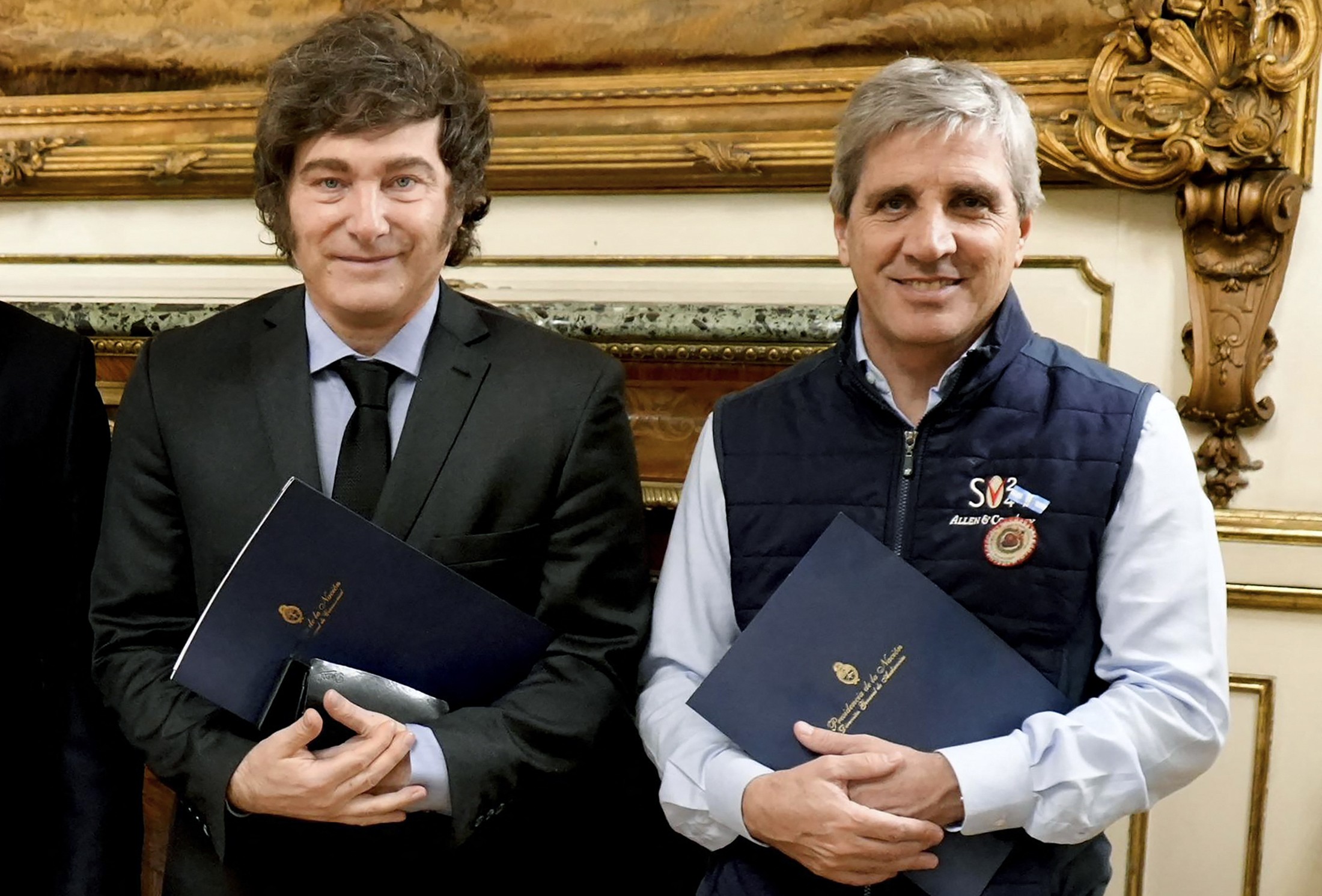
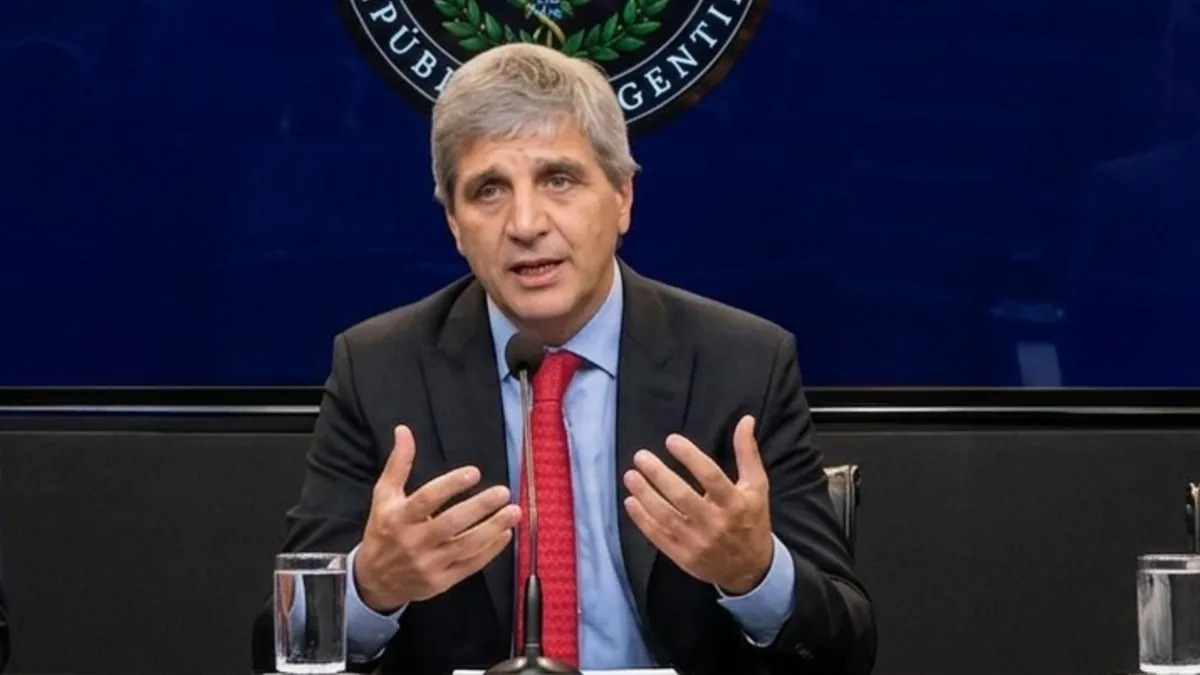
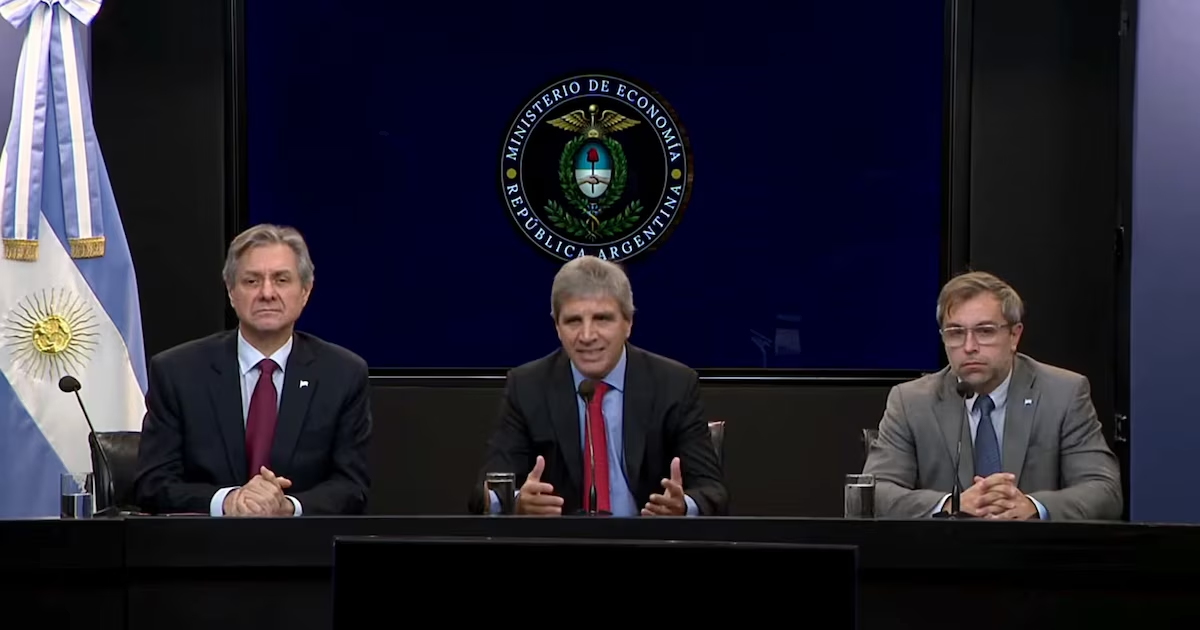
Economy Minister Luis Caputo and President Javier Milei’s administration say they’ve cobbled together a funding mix that doesn’t require testing international bond markets, where yields currently sit around 9%. The alternative playbook includes multilateral loans from institutions like the World Bank and IMF, proceeds from privatizations, local dollar-denominated bond issuances, Central Bank foreign-currency purchases, and existing Treasury deposits of roughly $4 billion.
Argentina’s total refinancing needs for 2026 are estimated at $19.2 billion, with projected funding sources totaling $22.9 billion. That leaves a $3.7 billion surplus, which officials say could extend coverage into 2027.