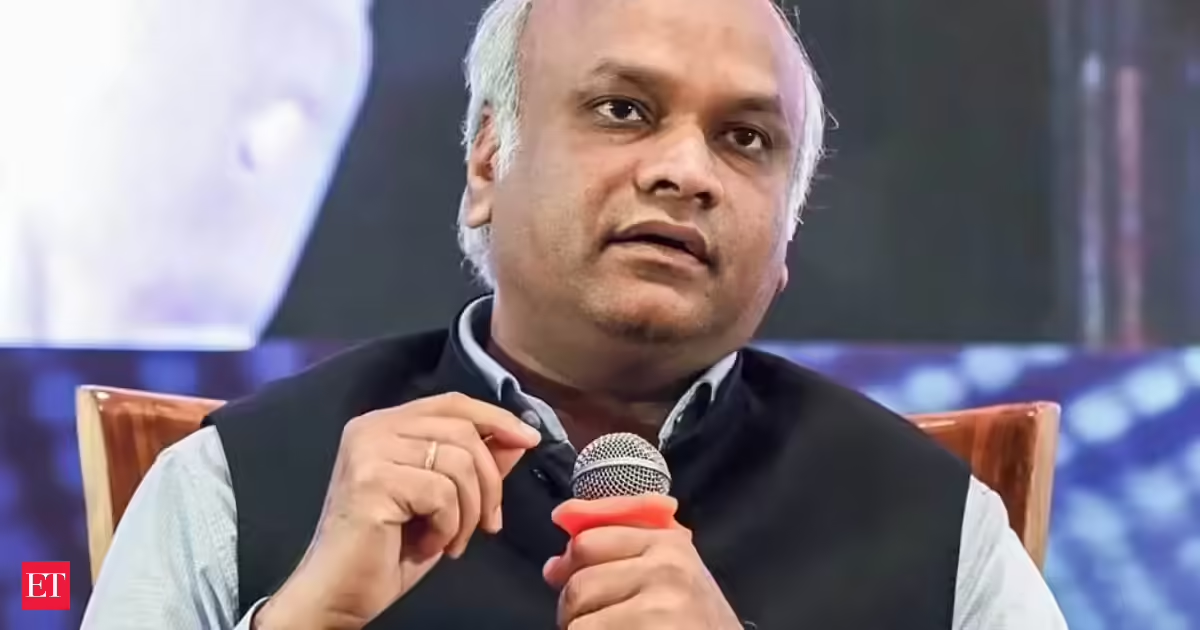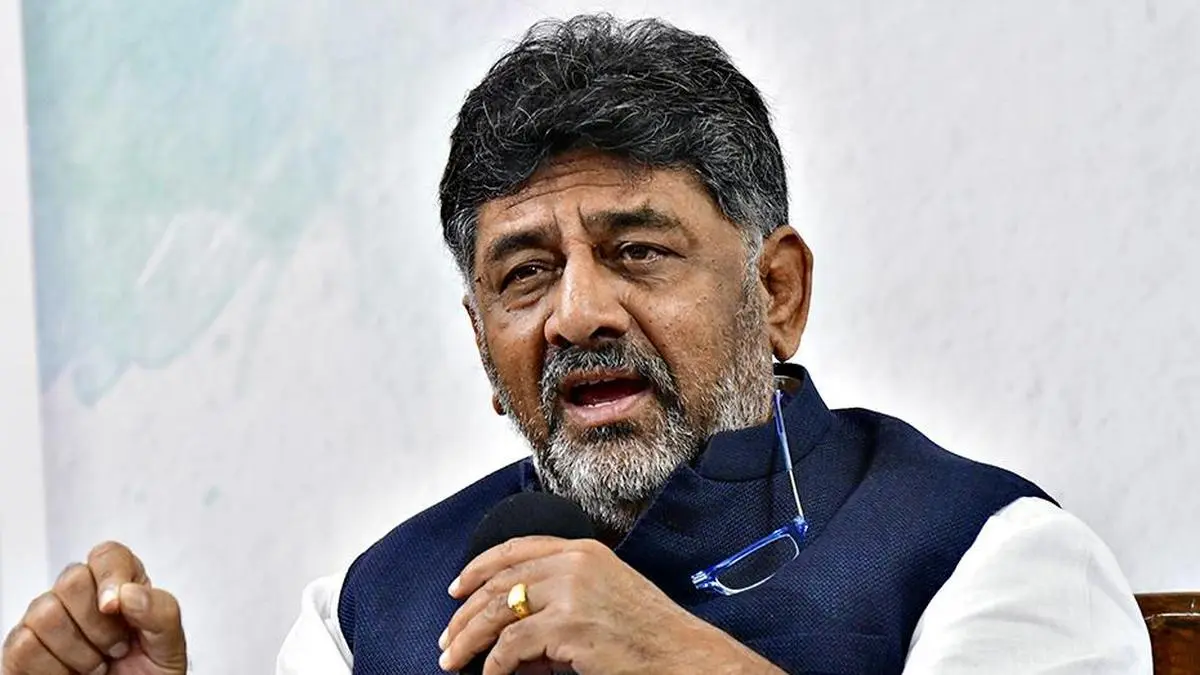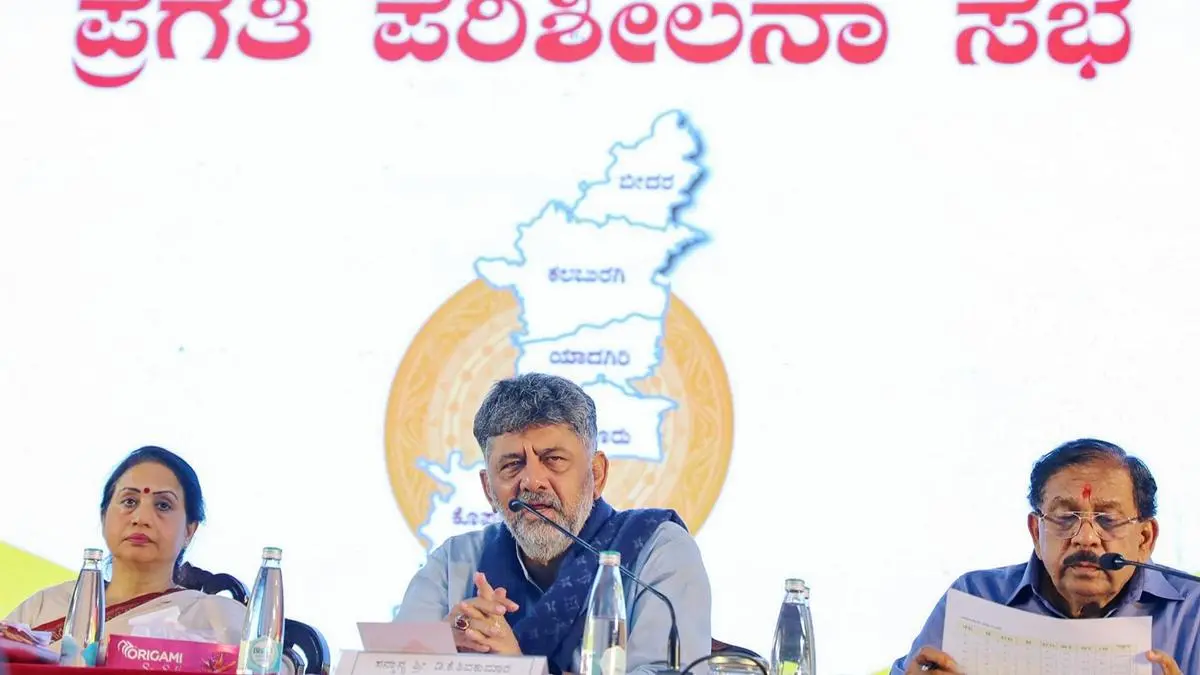
The proposal came up at the KATALYST CONNECT, an interactive meeting with 225 GCC leaders chaired by Chief Minister D.K. Shivakumar.
| Photo Credit: Getty Images
The Karnataka government is considering a structured mechanism through which Global Capability Centres (GCCs) and corporates could redistribute used laptops, computers and other usable IT equipment to rural schools and local governance institutions across the State.The proposal builds on an earlier collaboration between Fidelity National Financial India and the Government of Karnataka, through which 1,000 corporate laptops that had completed three to four years of use were redistributed to rural schools.The proposal came up at the KATALYST CONNECT, an interactive meeting with 225 GCC leaders chaired by Chief Minister D.K. Shivakumar. Minister for Home, Information Technology, Biotechnology and E-Governance Priyank Kharge was also present at the meeting.Structured programmeDuring the interaction, George Inasu, managing director and country head at Fidelity National Financial India, proposed creating a structured programme that would enable usable corporate IT equipment to be redirected for public benefit instead of being discarded or destroyed.Mr. Kharge welcomed the suggestion and said the government was willing to work with the industry to facilitate the same.“There is a significant requirement for computers and technology equipment across government institutions. Apart from providing computers to rural students, we have also equipped Village Accountants and Panchayat Development Officers with technology, which has helped improve administrative efficiency and supported the increase in rural tax collections. Earlier, rural tax collections were around ₹450 crore, and today they are close to ₹1,500 crore. Importantly, this revenue goes back to the Gram Panchayats and can be utilised for local development,” he said.He proposed making it an annual initiative that enables technology to reach rural schools and government institutions, while also reducing electronic waste and contributing to the circular economy.Nearly 60% of industry representatives present at the meeting expressed interest to participate.Sector-specific working groupsThe government has also decided to constitute sector-specific working groups under the GCC Vision Group, following a suggestion from industry leaders.The working groups will focus on sectors including cybersecurity, BFSI, retail and other key areas, creating platforms for government and industry to jointly identify emerging opportunities, challenges and policy requirements.Mr. Kharge said the government would work with the GCC Vision Group to operationalise the working groups within the next two weeks. Published - July 09, 2026 07:27 pm IST