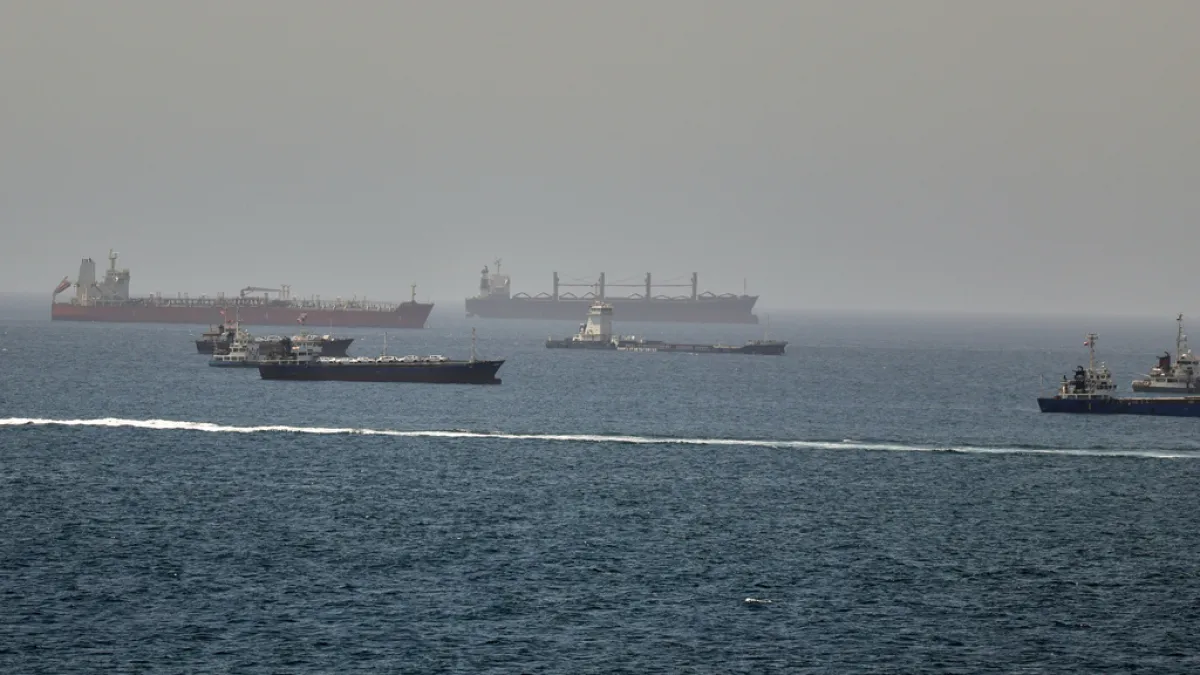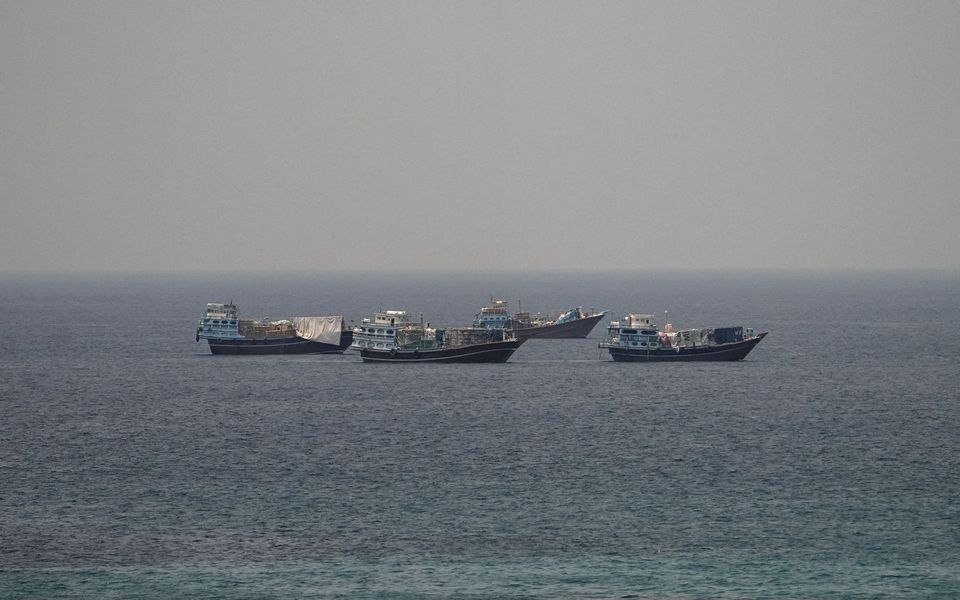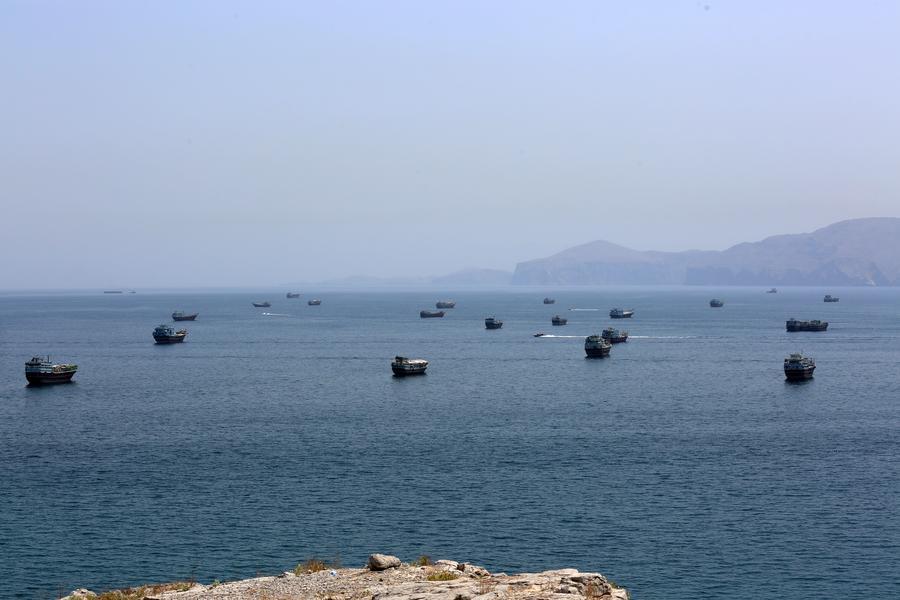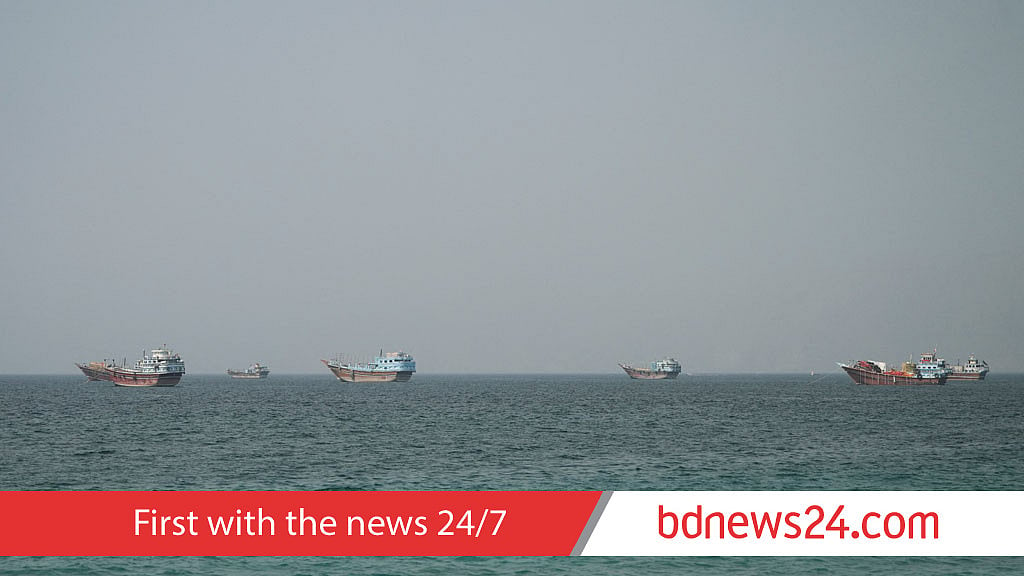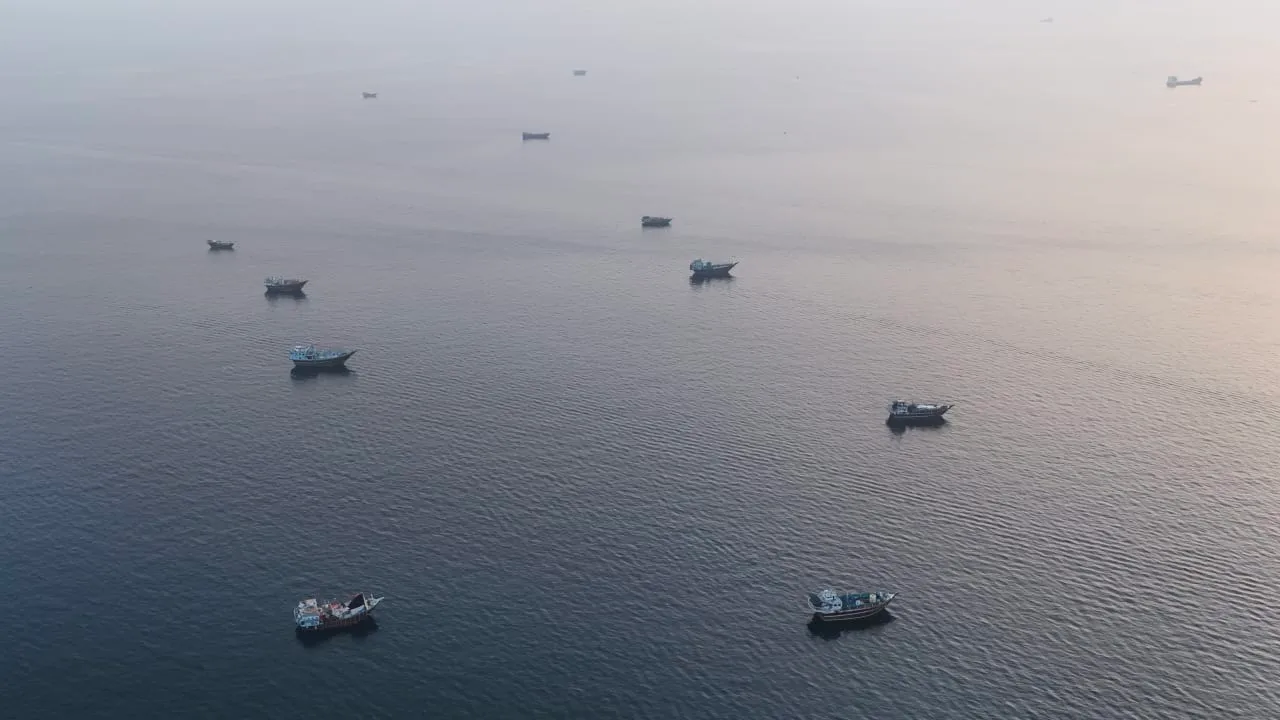
Jerusalem Post/Middle East/Iran NewsIran’s recent escalations against Gulf nations proved that the MoU, which was “intended as a vehicle for de-escalation,” has exposed the absence of any real “durable” peace framework in the Gulf.Follow us on GoogleThis aerial photograph shows boats anchored off Oman's northern Musandam Peninsula near the Strait of Hormuz on June 27, 2026.(photo credit: AFP VIA GETTY IMAGES)ByDANIELLE GREYMAN-KENNARDJULY 9, 2026 16:09Tehran is using military coercion to force Gulf states to accept the Islamic Republic’s administration over the vital Strait of Hormuz, according to a new assessment by the Institute for the Study of War.The recent attacks on Gulf nations are an attempt to circumvent the intent of Clause 5 of the memorandum of understanding, which calls for dialogue with Oman and Persian Gulf littoral states to define the future administration and maritime services in the Strait of Hormuz within the framework of international law.Parliamentary National Security and Foreign Policy Commission member Alaeddin Boroujerdi insisted on Wednesday that commercial vessel traffic through the strait must occur under Iranian oversight and management, specifically through the IRGC Navy.Similarly, on Tuesday, Iranian Foreign Ministry Spokesperson Esmail Baghaei claimed that Clause 5 confirmed Iran’s responsibility to determine arrangements for safe passage of vessels.Baghaei, writing off an allegation that a Qatari vessel was targeted as “questionable,” asserted that Iran was taking the necessary steps to absorb the responsibility for the administration of Hormuz, and insisted that ships not following Iranian orders were responsible for disrupting “Iran's efforts to facilitate safe navigation through the Strait of Hormuz,” according to the foreign ministry.aps4media-processed Sentinel-2 satellite imagery shows a broad overview of the Strait of Hormuz, including the Musandam Peninsula, nearby islands, coastal shallows, and the narrow maritime corridor linking the Persian Gulf with the Gulf of Oman. (credit: Photo enhanced and published by maps4media via Getty Images) MoU: the absence of any real 'durable' peace framework in the GulfBahraini analyst Dr Ahmed Alkhuzaie wrote to The Post to say that Iran’s recent escalations against Gulf nations proved that the MoU, which was “intended as a vehicle for de-escalation,” has exposed the absence of any real “durable” peace framework in the Gulf.“The collapse of the MoU was virtually predetermined by its design flaws. From inception, it lacked a commencement date, structured sequencing, and concrete deadlines. Without a timeline, there were no objective benchmarks to measure compliance, rendering the agreement unenforceable from day one. This procedural weakness was compounded by the absence of enforcement mechanisms; the text contained no penalties or escalation clauses if commitments were broken, leaving Iran with zero deterrent against violating the spirit of the deal,” he explained.“For Gulf capitals, the MoU was already viewed with skepticism, seen less as a genuine security guarantee and more as an American attempt to temporarily manage tensions. Iran’s renewed aggression has validated these anxieties, reinforcing the perception of US unreliability and leaving Washington caught in a dangerous strategic trap; the US must now either launch a kinetic military retaliation that risks the wider war it sought to avoid, or stand down and finalize the erosion of its regional credibility.”Follow us on Google
Tehran is using military coercion to administrative control of Hormuz | The Jerusalem Post
Iran’s recent escalations against Gulf nations proved that the MoU, which was “intended as a vehicle for de-escalation,” has exposed the absence of any real “durable” peace framework in the Gulf.
516 words~2 min read