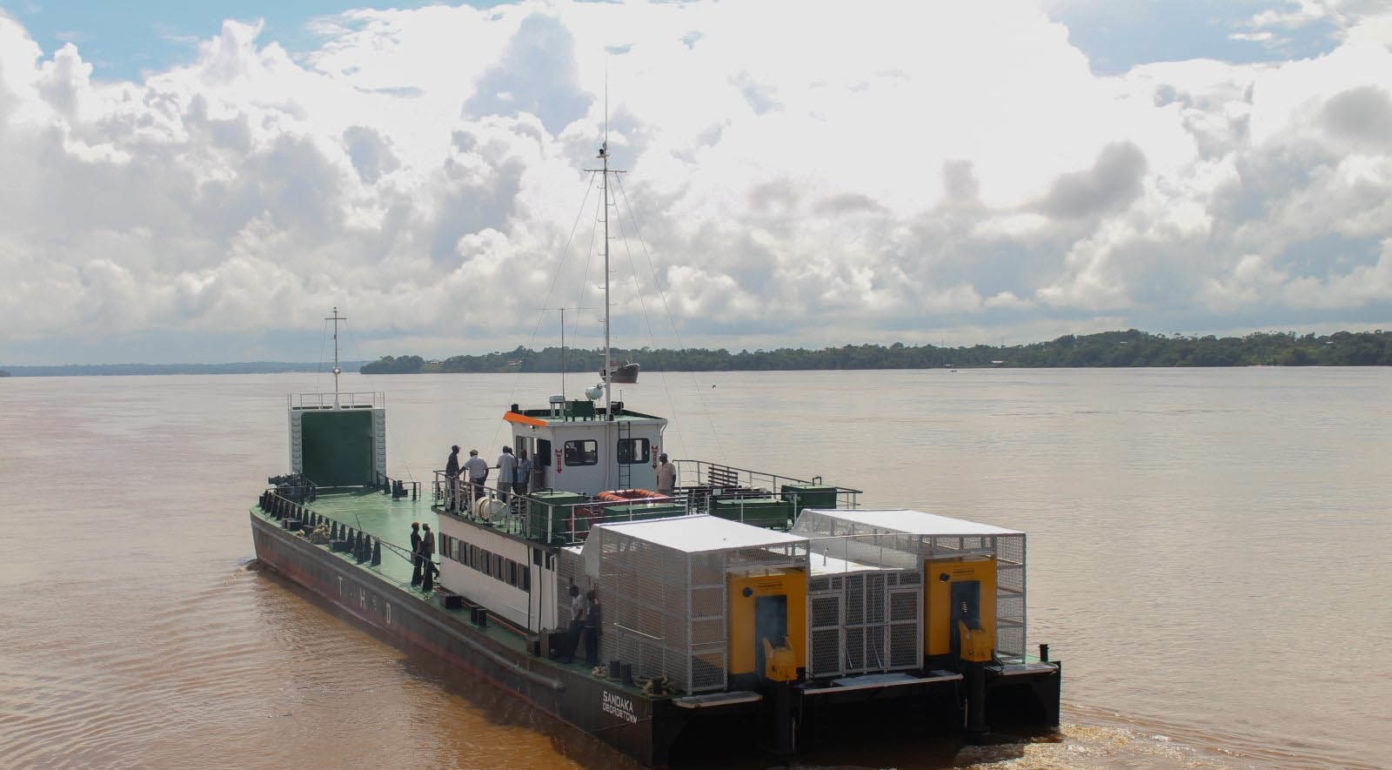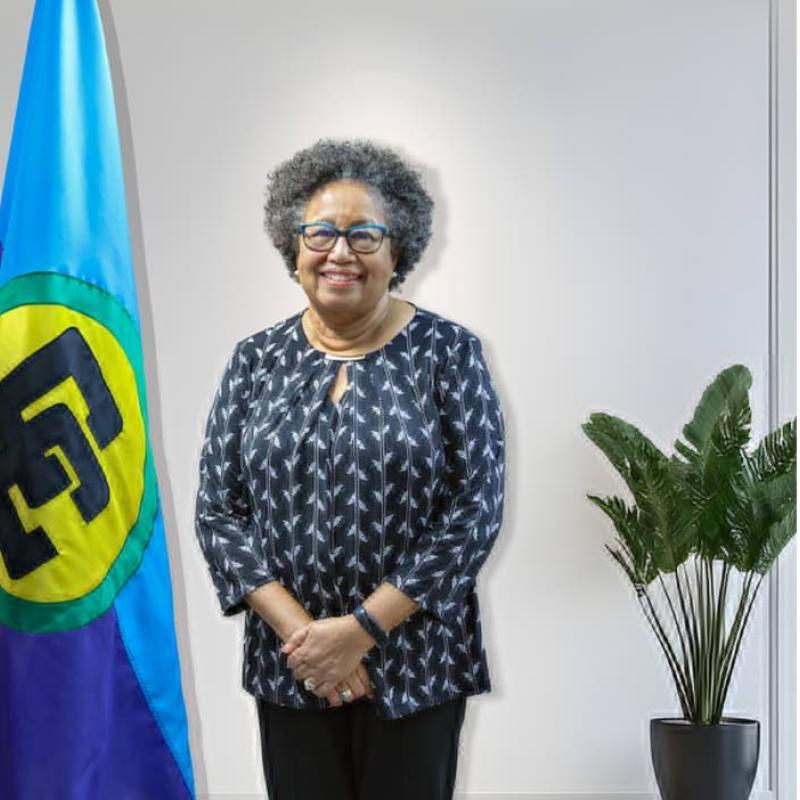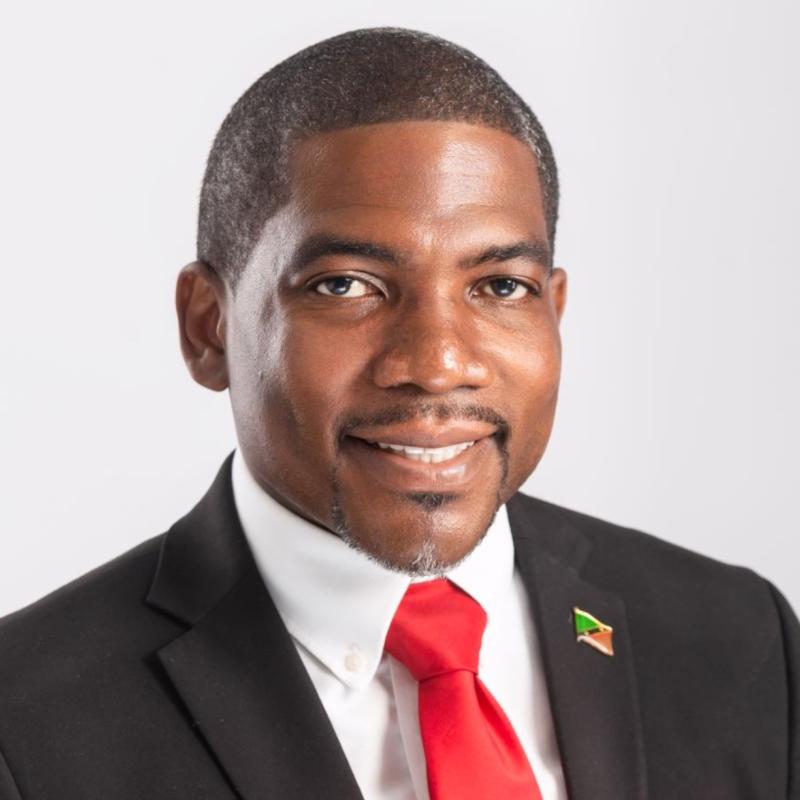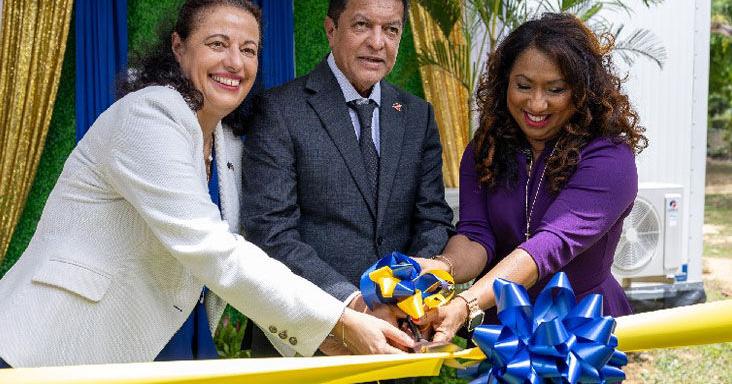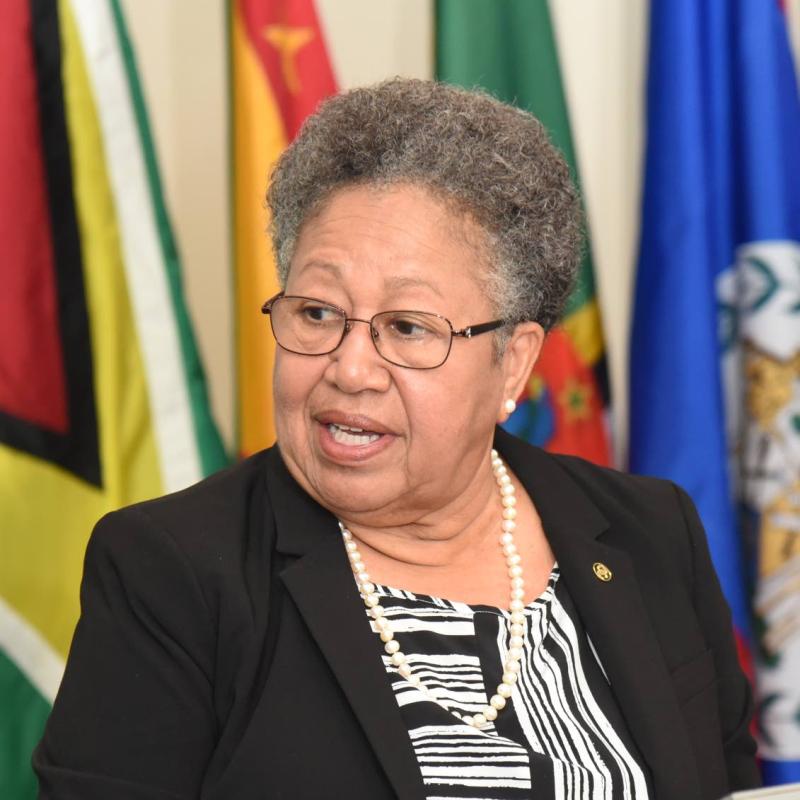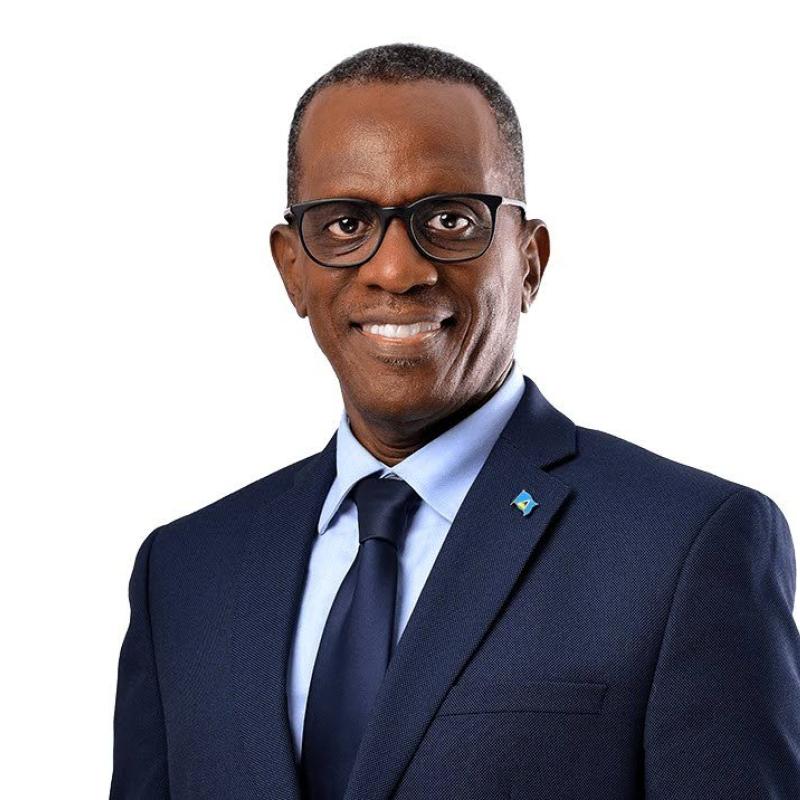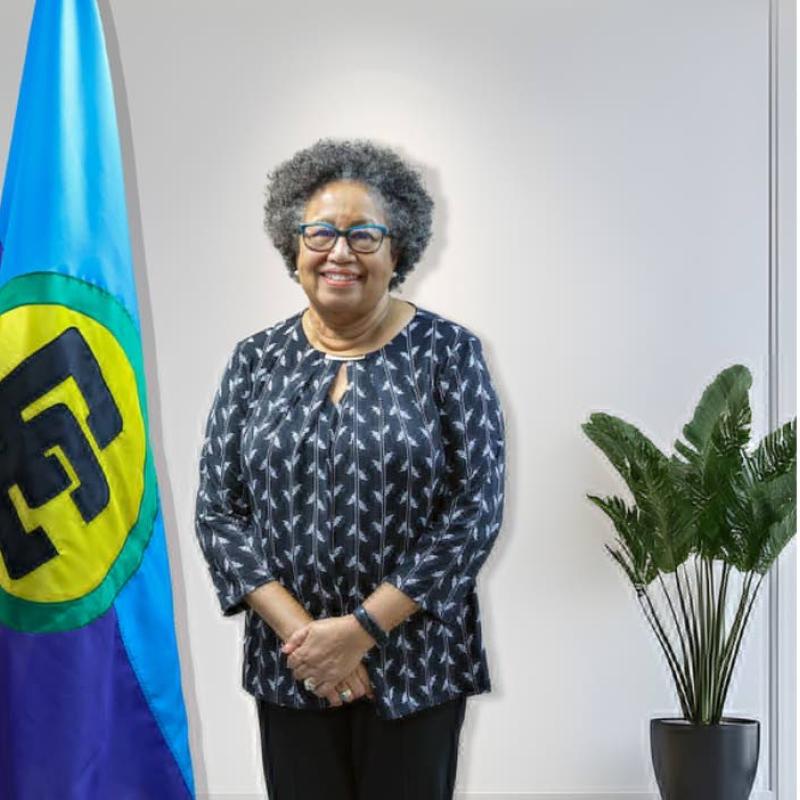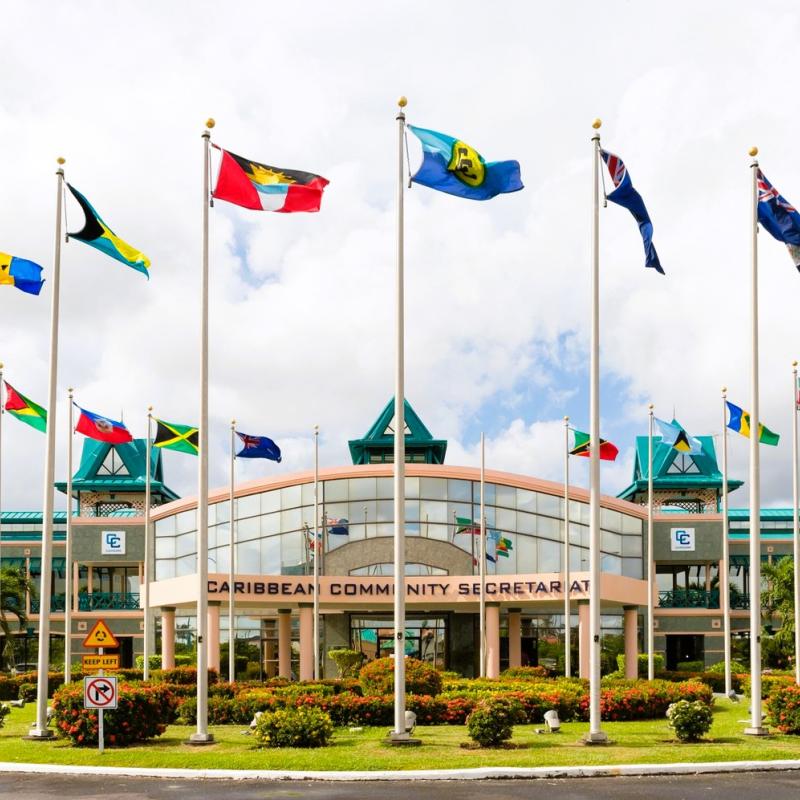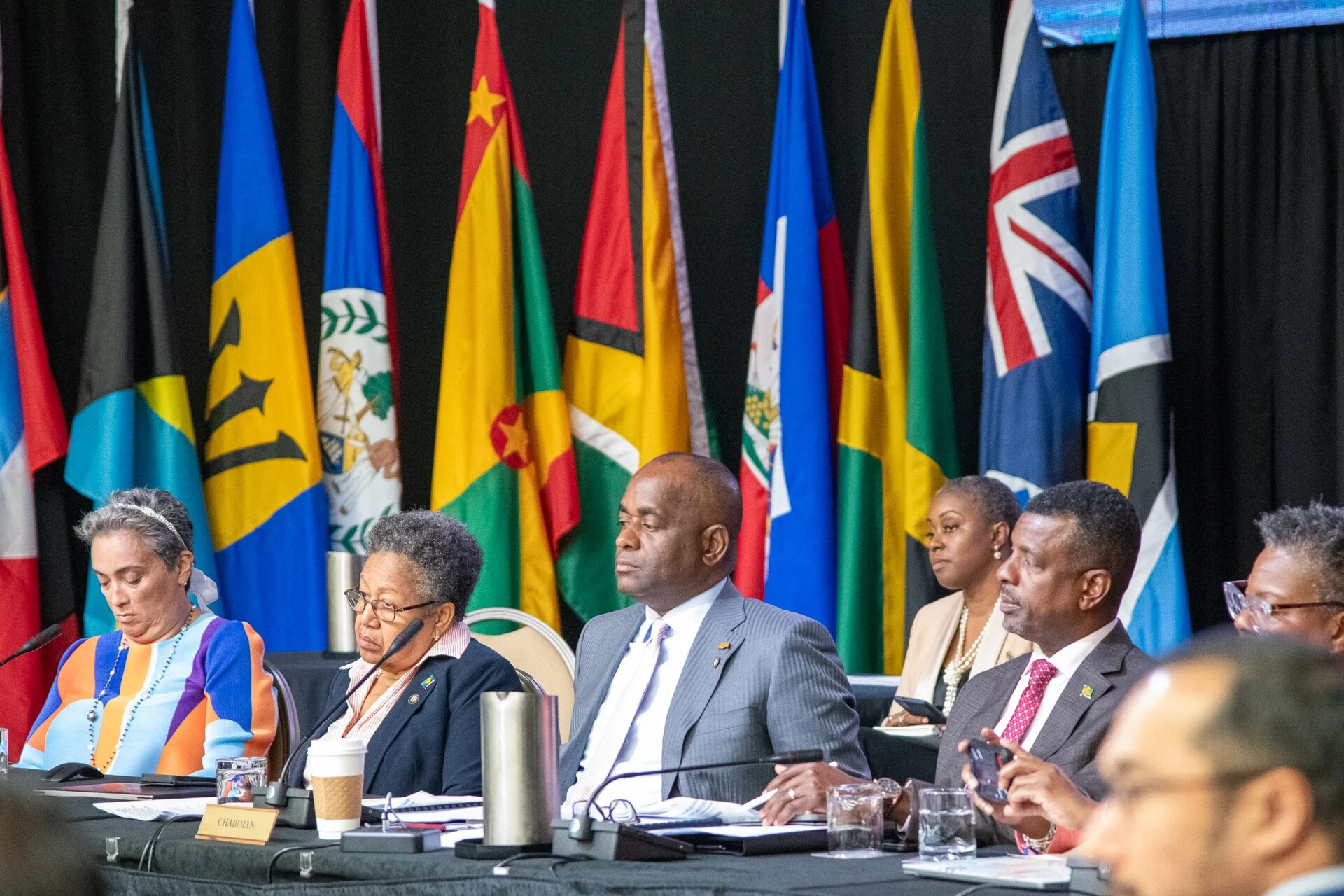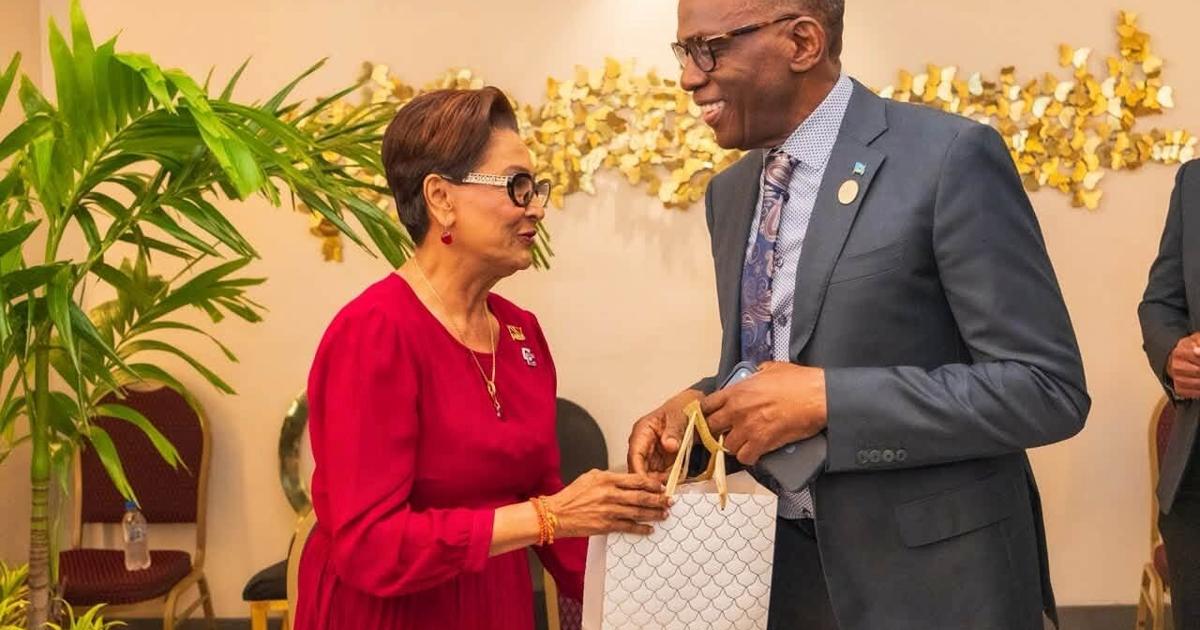
Prime Minister Kamla Persad-Bissessar has reiterated her commitment to Caricom as regional leaders yesterday presented a united front in improving the lives of Caribbean people and reducing the cost of living. Trinidad and Tobago will be lending support to reducing the cost of regional cargo by providing a ferry for inter-island transportation on a temporary basis.Caricom leaders spoke about working together to reduce inflationary pressures on the region caused by the ongoing conflict in Iran.They fielded questions at a news conference following the conclusion of the 51st Regular Meeting of the Conference of Heads of Government of Caricom in Saint Lucia.Over the past few months Persad-Bissessar has been critical of Caricom on several issues and had even described the regional bloc as an “unreliable partner”, arguing there was no support when the former Nicolas Maduro regime was criticising her administration.Asked whether her view of Caricom had changed and what was her position going forward, Persad-Bissessar said while she would have levelled some concerns about the operations of Caricom, she has always said Trinidad and Tobago remains committed to Caricom.“We have unwavering support to Caricom, for us to work together to better the region and of course, for our citizens. So, I have not changed in that position,” she said.She noted that under chairmanship of Prime Minister Philip J Pierre, Caricom Heads were able to “iron out” some of the concerns she had.“We will have issues from day to day, from time to time. In a family, you have issues. We have issues of concern. My position is that we must raise them. We must not put our heads down in the sand like ostriches,” she said.Regional ferry Persad-Bissessar pledged Trinidad and Tobago’s support to working with Caricom as leaders touched on areas of co-operation, including reducing the cost of living through cargo transportation.Barbados Prime Minister Mia Mottley said a regional ferry was something they were working on.She noted that Persad-Bissessar agreed that pending the private sector arrangements, which may take as long as a year because they have to source vessels, that Trinidad and Tobago will provide a ferry to the region.She said Persad-Bissessar as well as St Vincent Prime Minister Godwin Friday and herself will see how best they can utilise one of the Trinidad vessels as a proof of concept while the private sector procures a ferry.She said she has undertaken the responsibility of working with colleagues to be able to get the treaty arrangements for mutual recognition of licences and insurance so vehicles and cargo vehicles can go on and come off where possible.This was a work in progress, she said.Mottley noted: “It requires us to also assess whatever infrastructural arrangements might be needed at the port, whether ramps can be used. So I give you the assurance that we are singularly focused on being able to reduce the cost of intra-island cargo, which in addition to the other measures that we have taken to increase disposable income of our citizens, but also to reduce the cost of freight, the cost of gas, the cost of electricity, all of which when combined can be completely inflationary, is what we’re doing together.”Reducing cost of medical care Persad-Bissessar said while they worked together to address the pressures from external shocks, T&T will also help Caricom reduce the cost of medical support and care.She said the Trinidad and Tobago National Prosthetic Centre will provide prosthetic limbs for Caricom nationals and this will also help T&T obtain foreign exchange.She noted that these prosthetics can range between US$3,000 to US$120,000 and this cost can be brought down by sourcing from T&T.Persad-Bissessar said Trinidad and Tobago was also willing to provide fully trained doctors to the region.Addionally, she said the Couva Children’s Hospital can provide care to people across the region.Mottley concluded by saying that a Caricom subcommittee has been looking at making adjustments to the Common External Tariff (CET) on some basic food items in the region.“And some countries have already asked for different arrangements to be put in place so that they can remove the Common External Tariff, which will reduce the cost of goods,” she said.
Kamla: T&T ferry to service region
Prime Minister Kamla Persad-Bissessar has reiterated her commitment to Caricom as regional leaders yesterday presented a united front in improving the lives of Caribbean people and reducing the cost of
686 words~3 min read