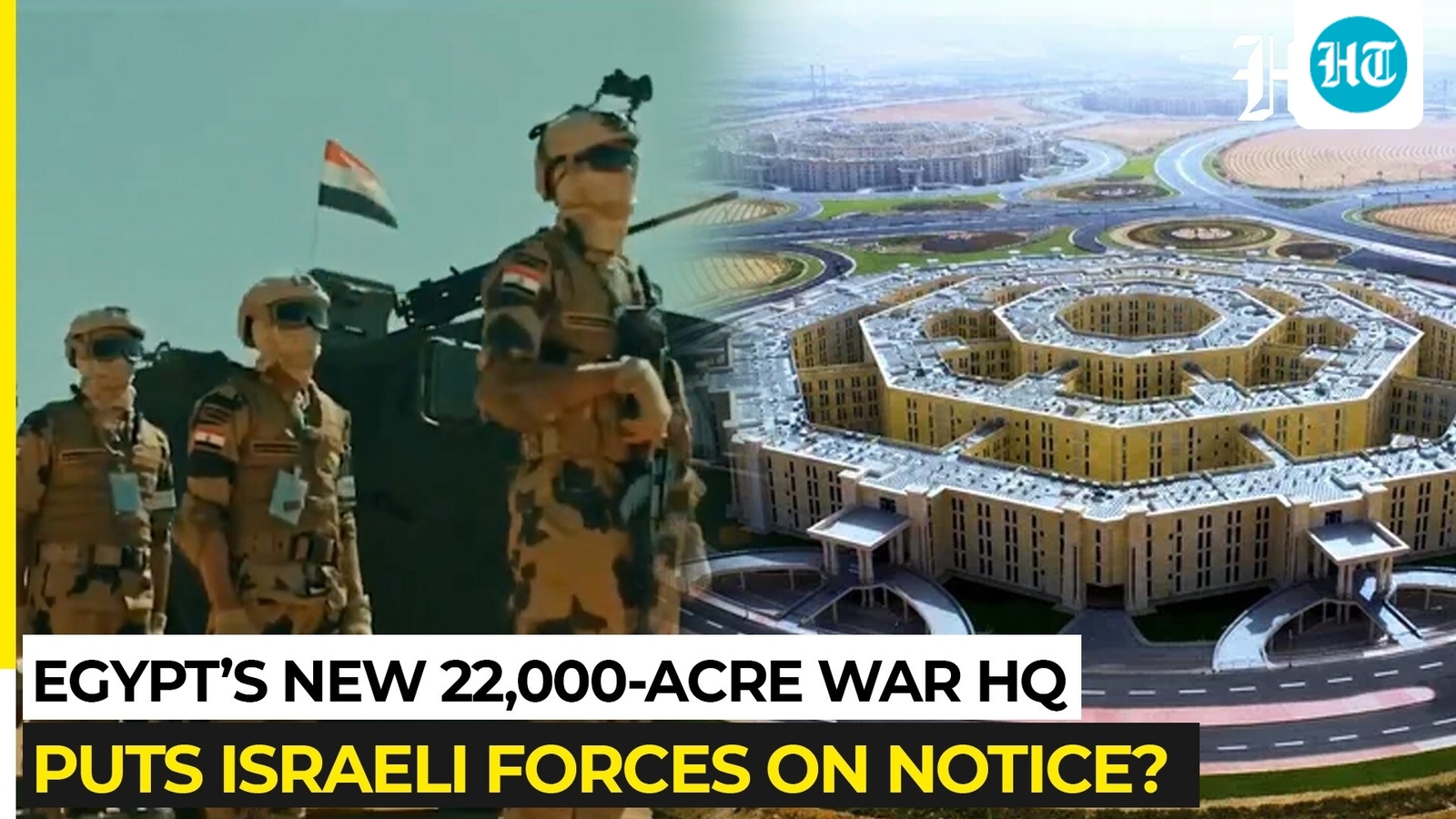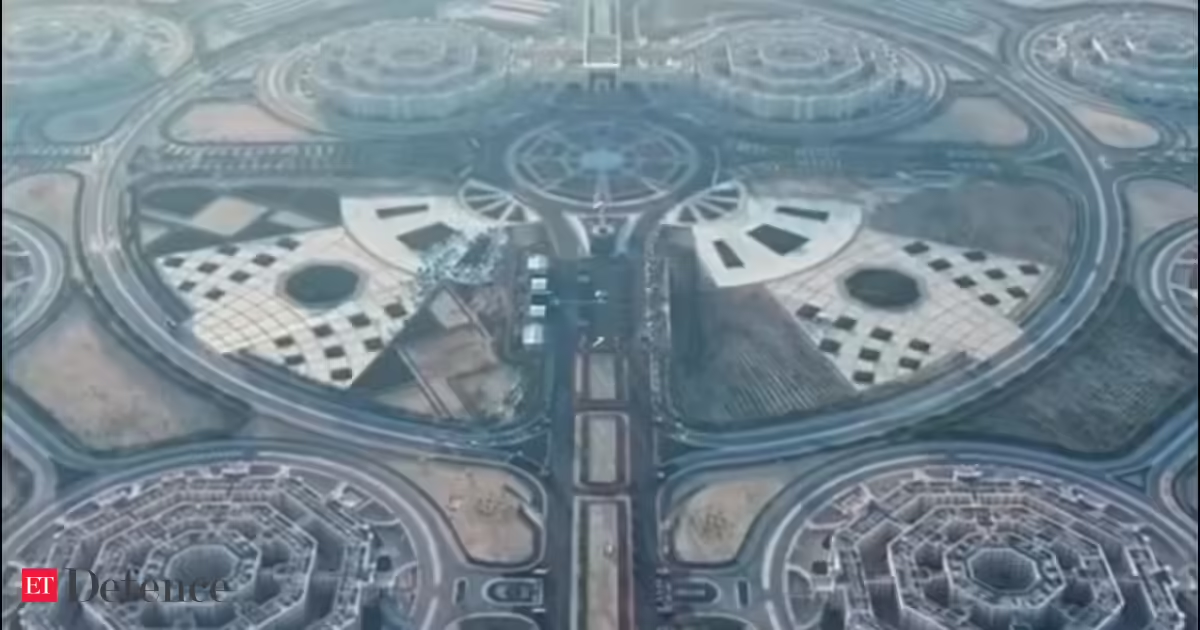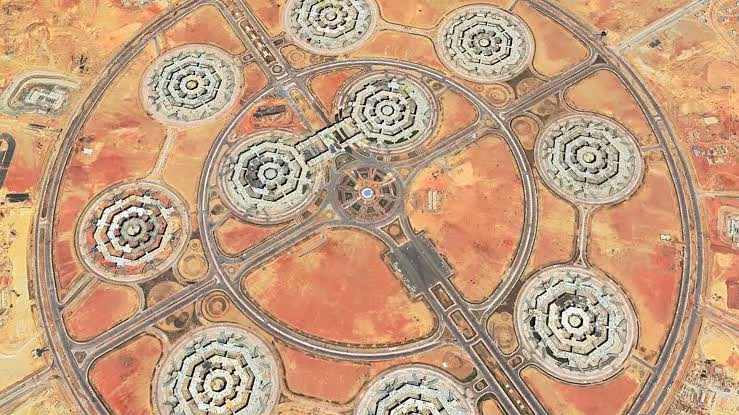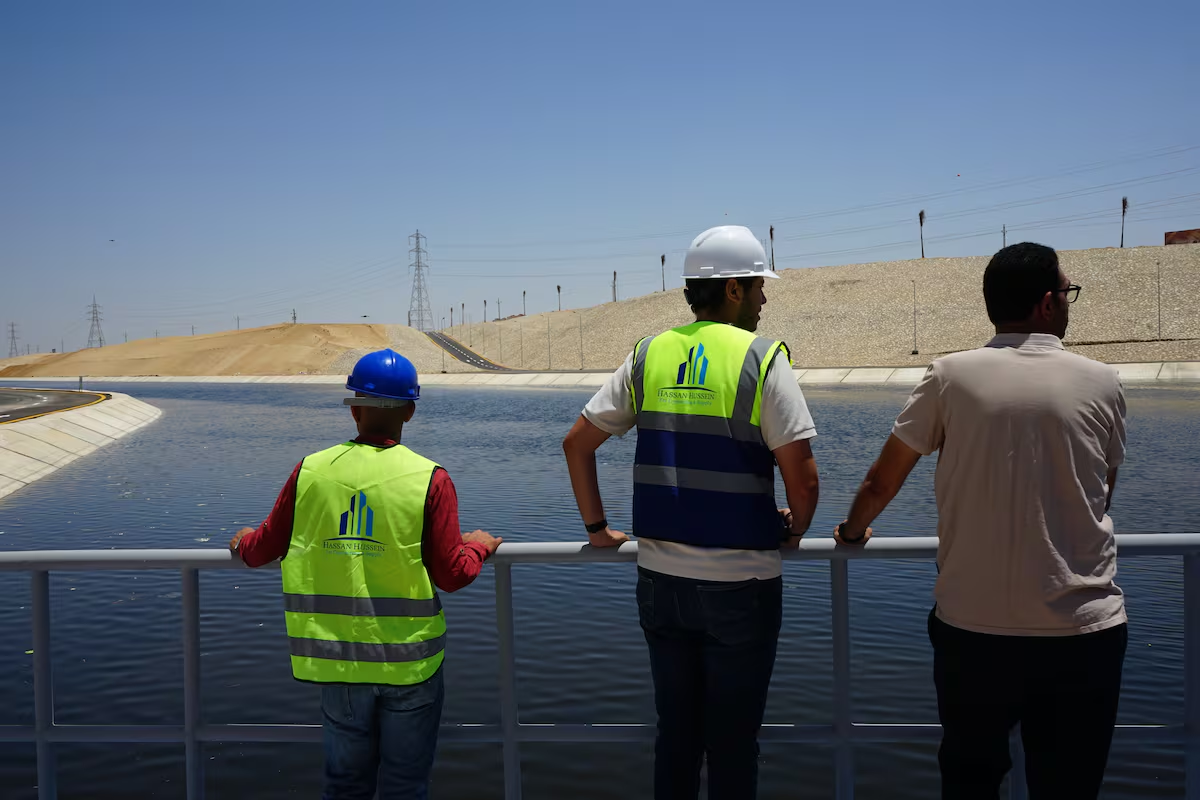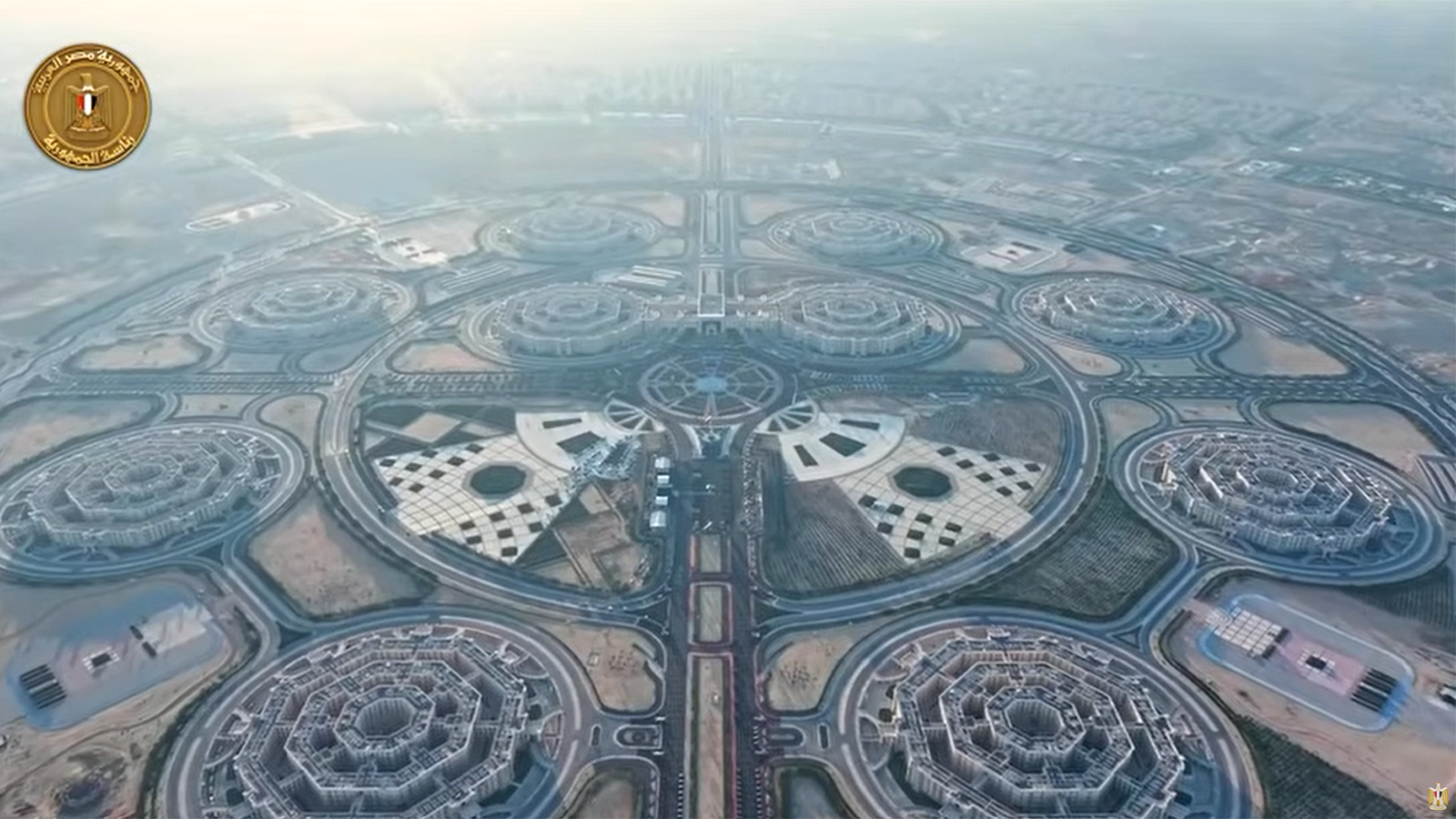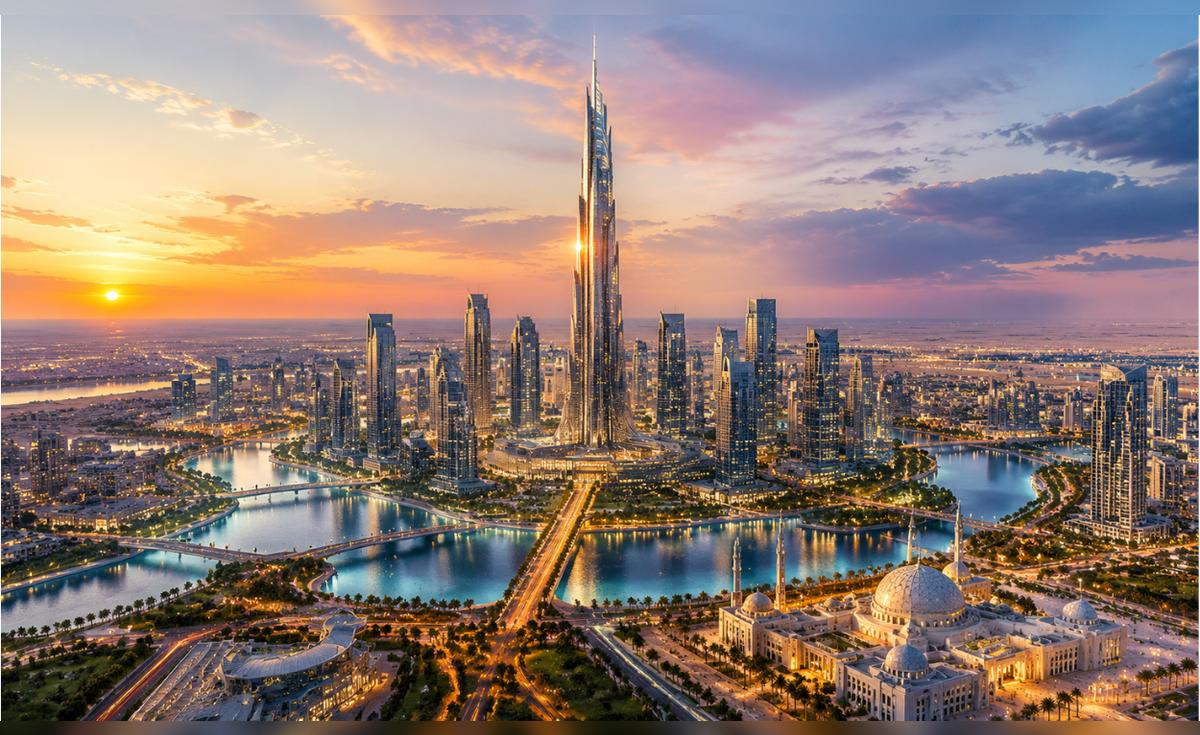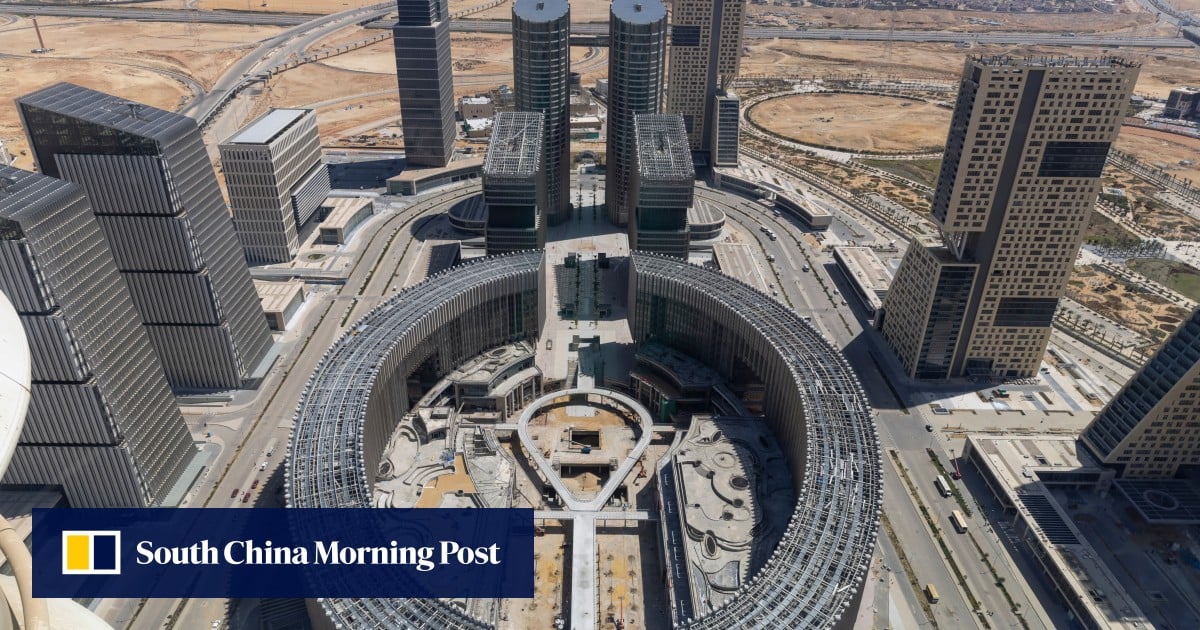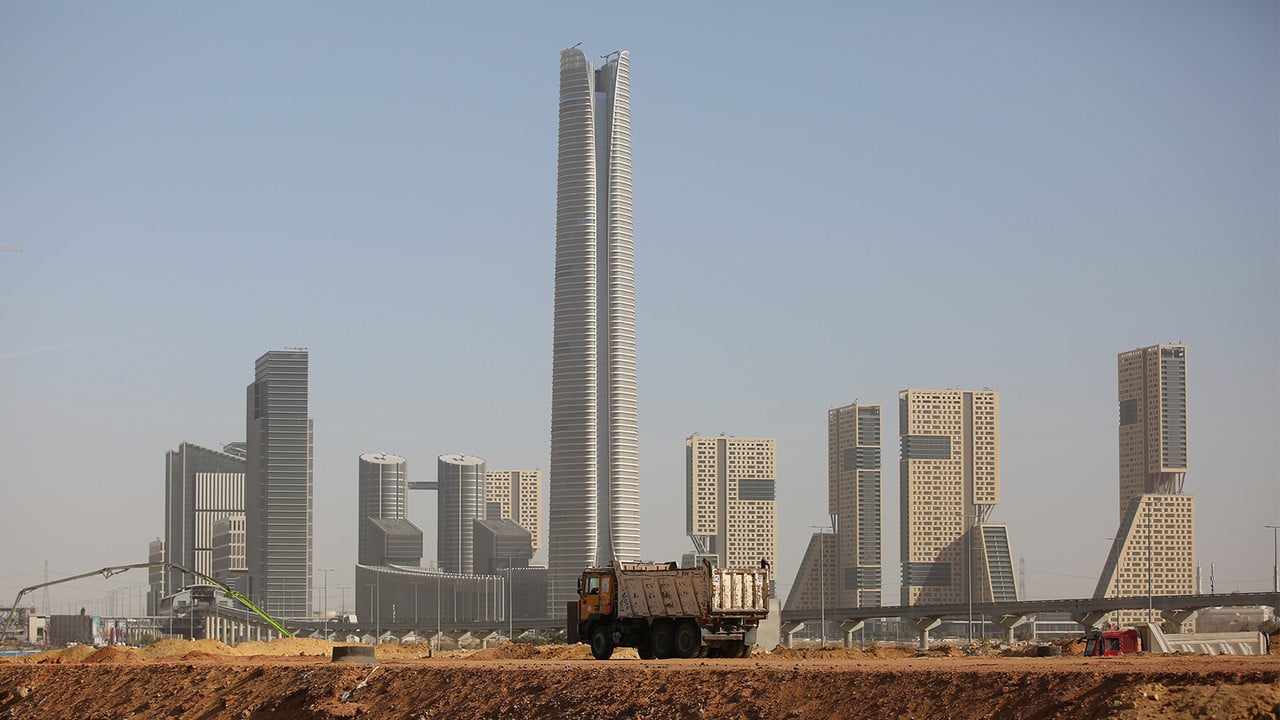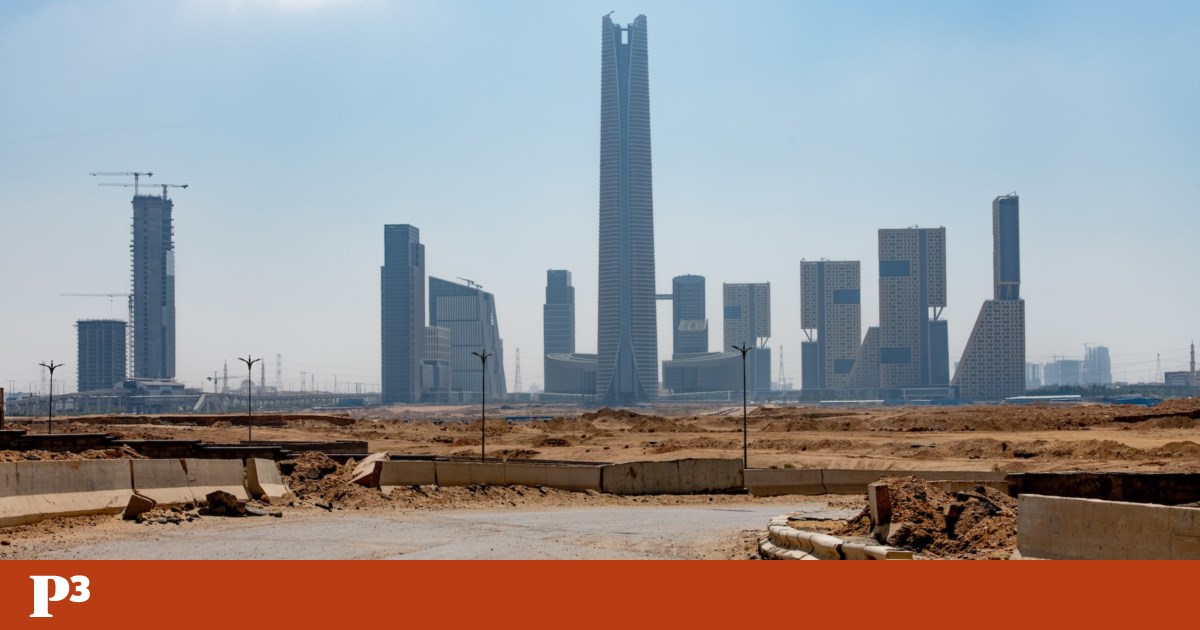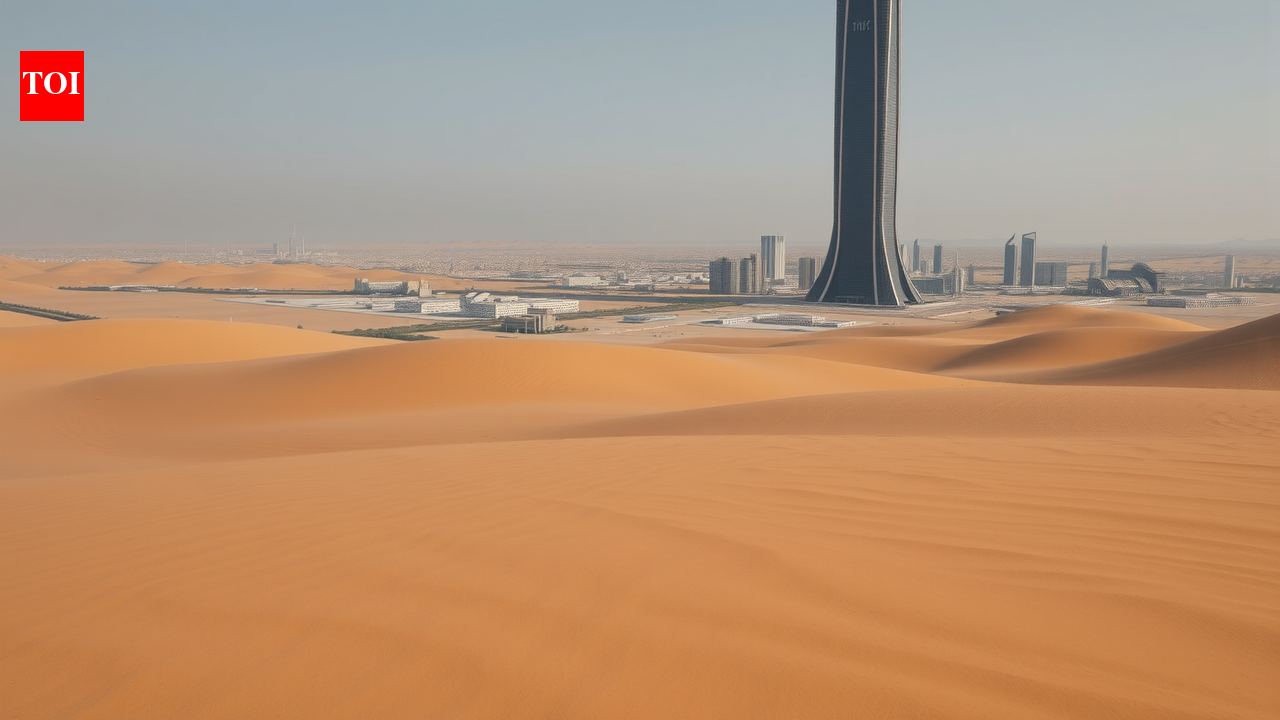
About 45 kilometres east of Cairo, in a stretch of desert that held nothing but flat, arid gravel and sand only a decade ago, Egypt has built an entire new city from the ground up.
Officially called the New Administrative Capital, and more recently renamed The New Capital, the project spans roughly 700 square kilometres between the Cairo Suez road and the Regional Ring Road, an area comparable in size to Singapore.
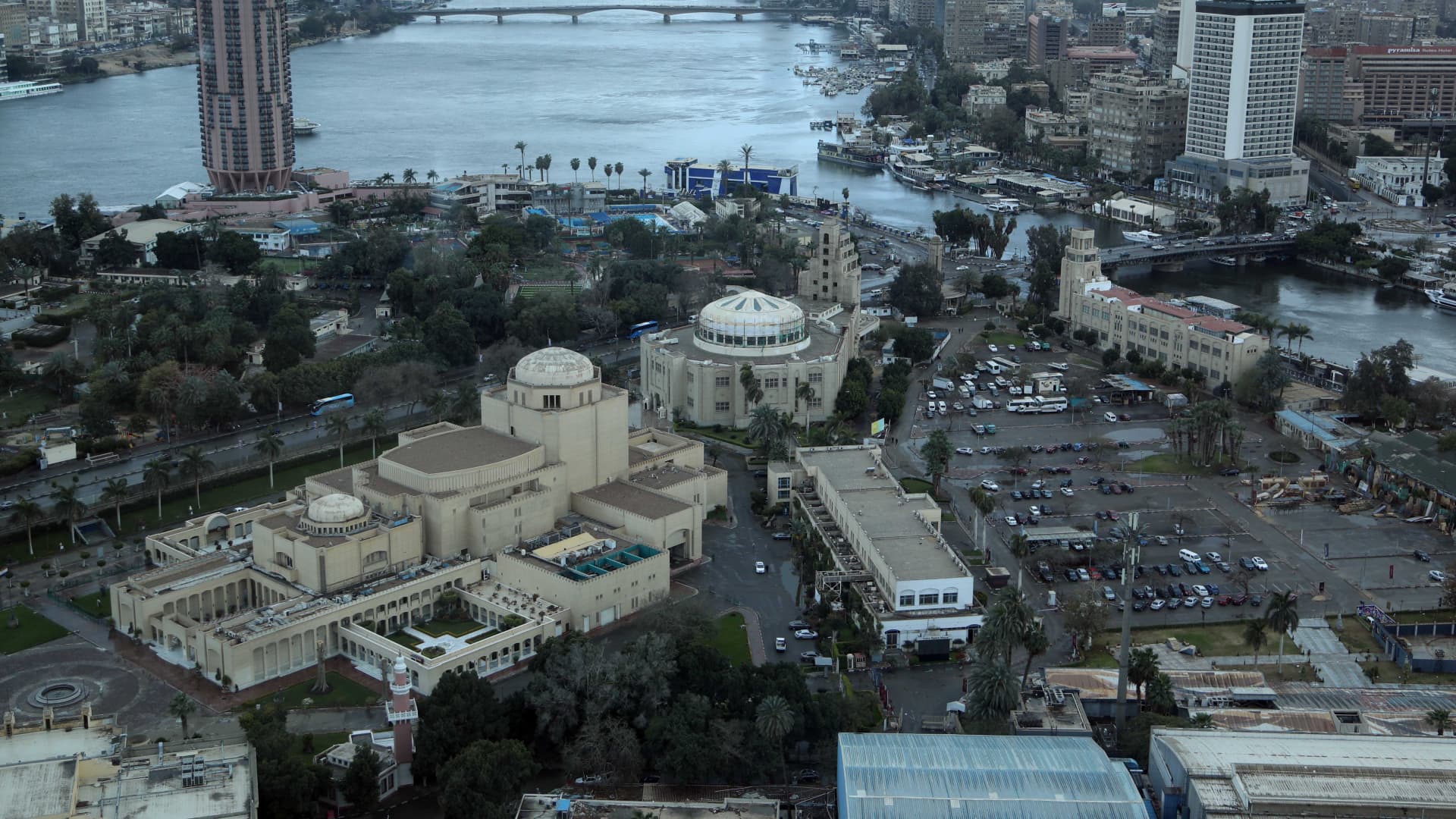
At its centre stands the Iconic Tower, a 385 metre skyscraper that became Africa's first supertall building when it was completed, its glass and steel silhouette rising out of the desert as the most visible symbol of a government project meant to relocate Egypt's administrative heart away from one of the most crowded capitals on the continent.Why Egypt decided to build an entirely new capitalCairo has long struggled under the weight of its own size, home to roughly a fifth of Egypt's population and known for chronic traffic congestion, air pollution and overcrowding that officials have described as increasingly difficult to manage within the existing city.
Plans for the New Administrative Capital were first announced by Egypt's housing minister at the time, Mostafa Madbouly, at the Egypt Economic Development Conference in March 2015, positioned as part of the country's broader Vision 2030 economic strategy.