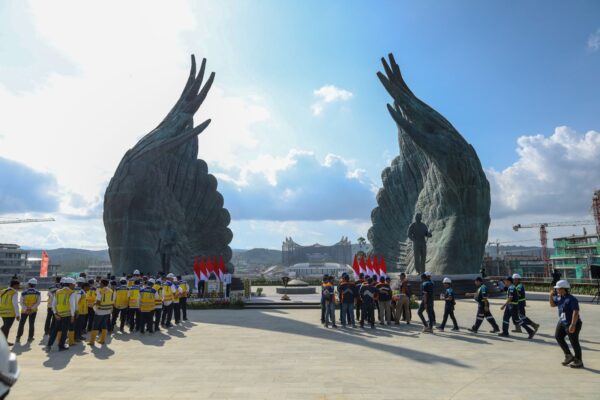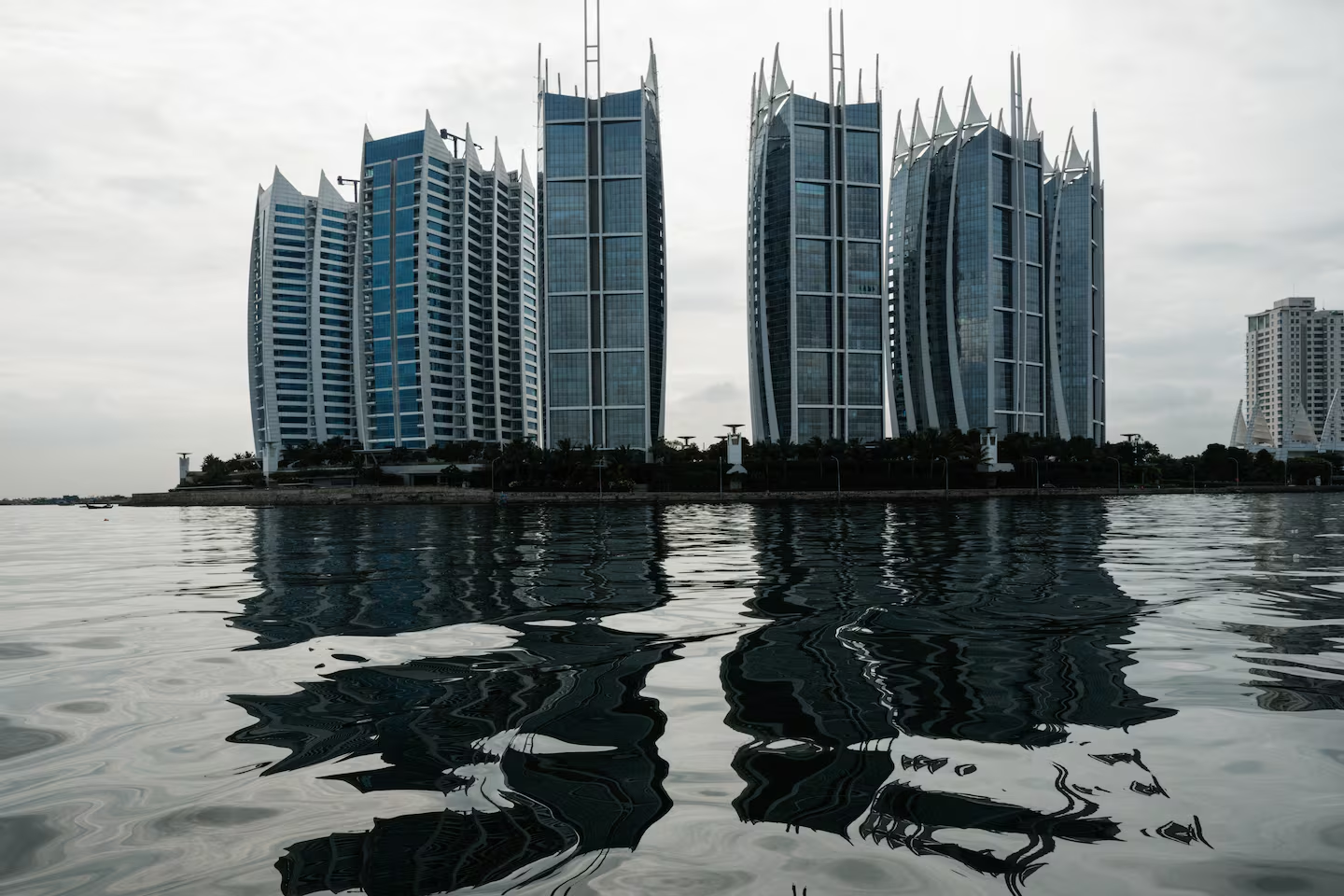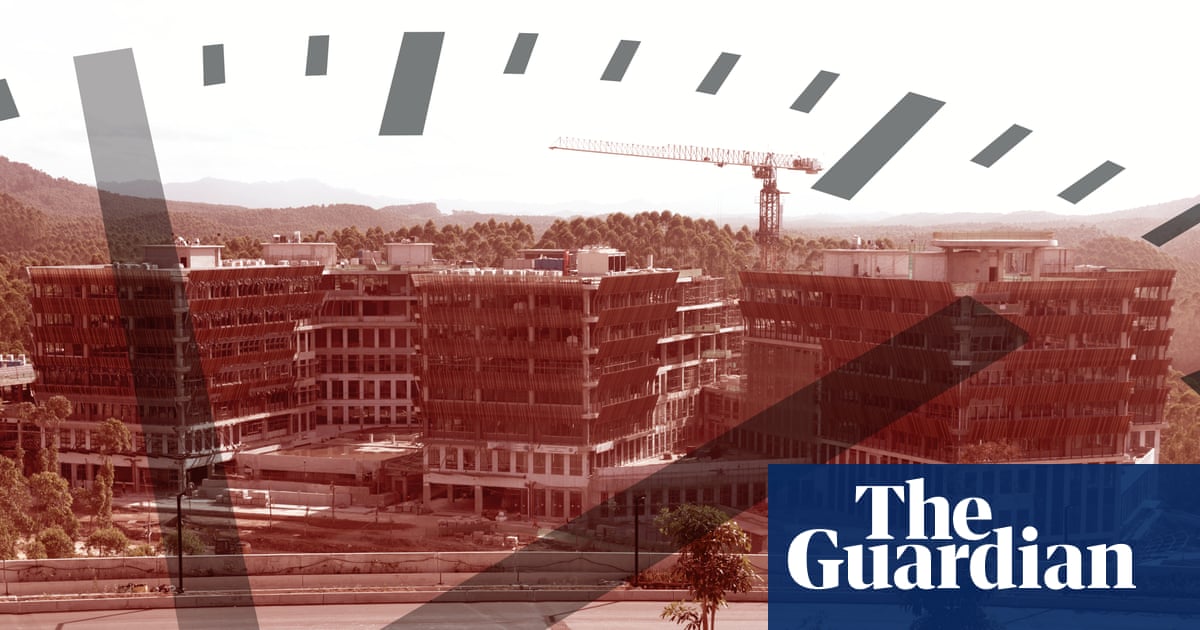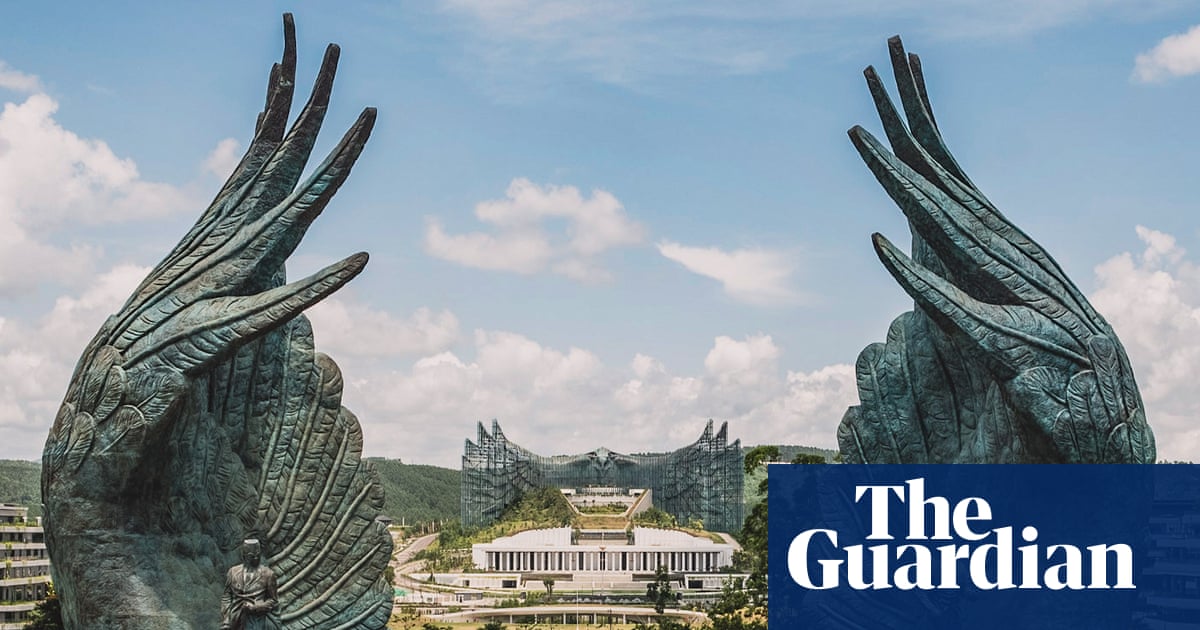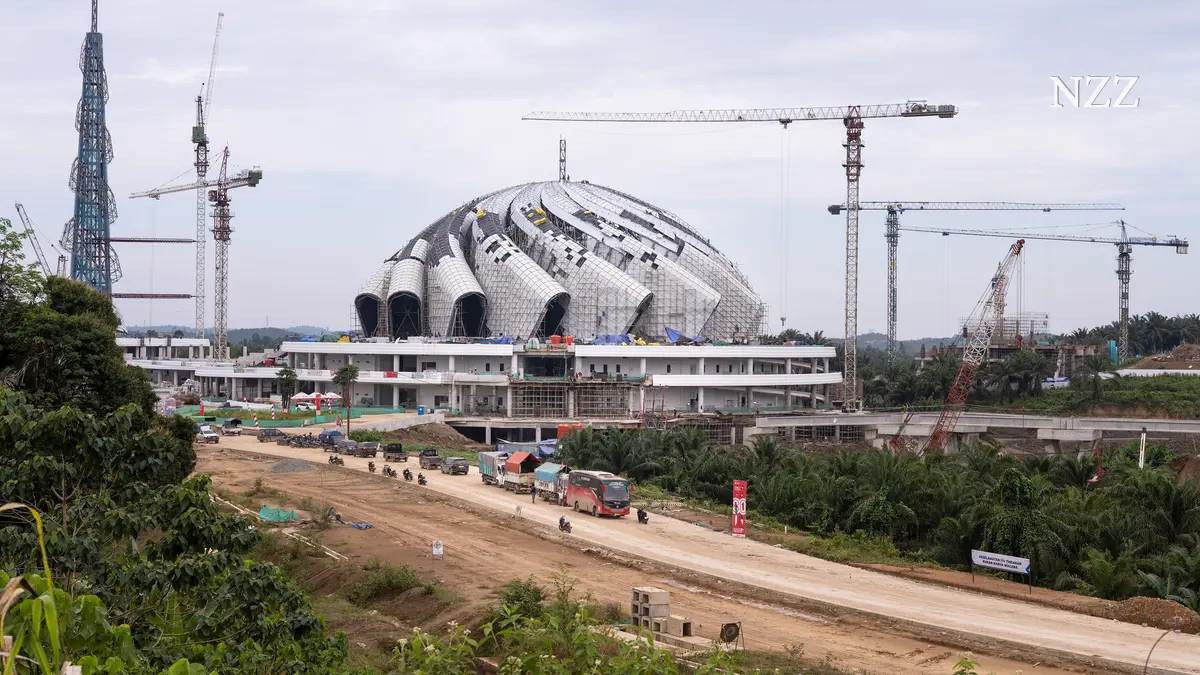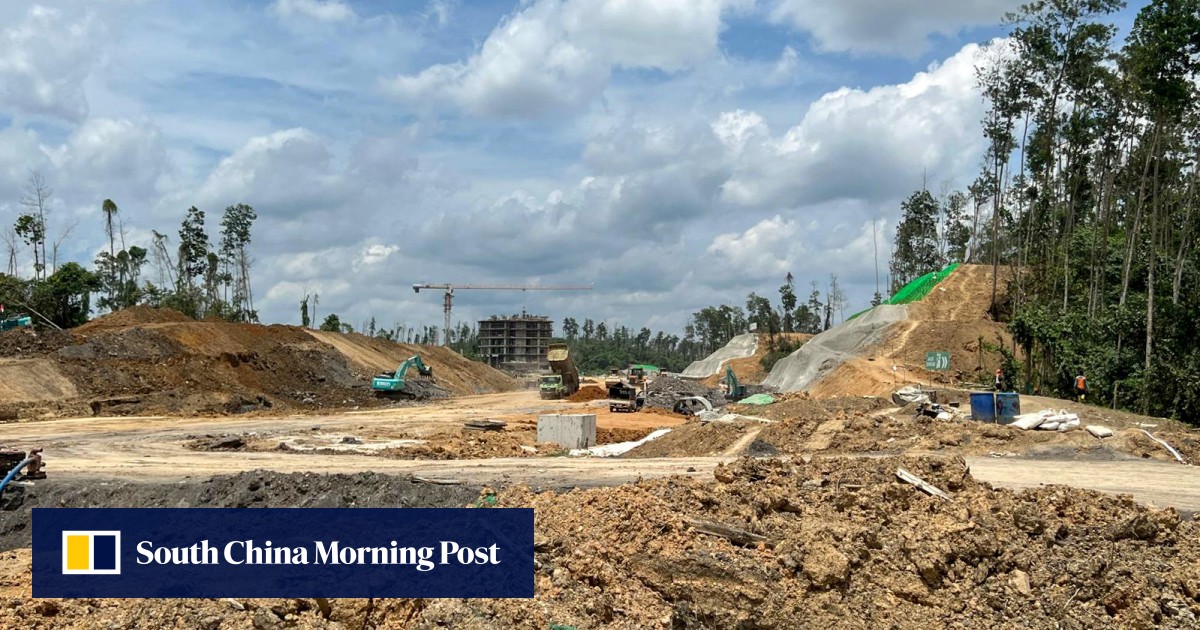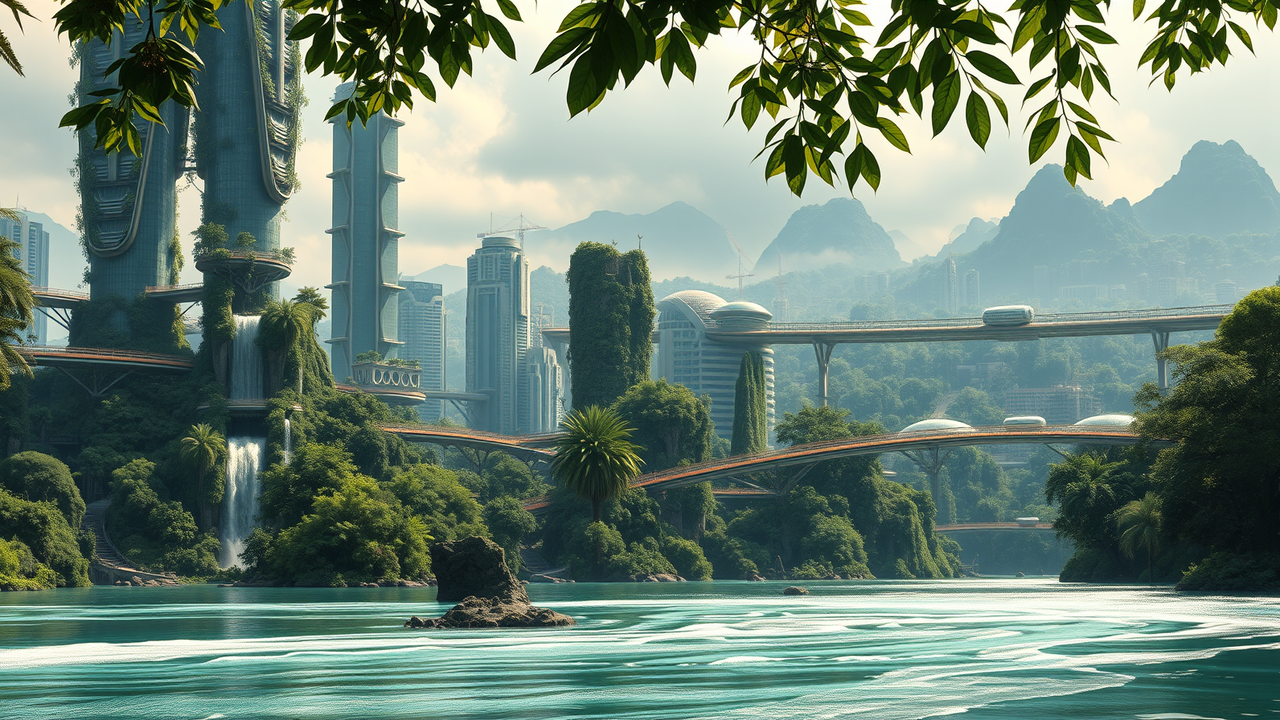
Deep in the rainforest of Indonesia's Borneo island, construction crews are building an entirely new capital city called Nusantara, a project driven by a problem the current capital simply cannot outrun, the ground beneath Jakarta is sinking.
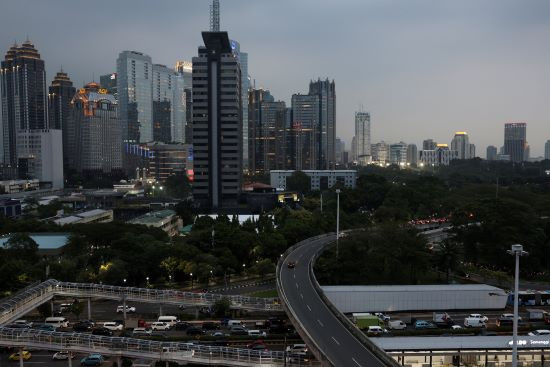
Jakarta, now the world's most populous city with more than forty million people in its wider metropolitan area, has spent decades battling chronic flooding, worsening traffic and rapidly subsiding land.
Rather than trying to fix Jakarta in place, Indonesia's government has instead chosen to start over, relocating the seat of government roughly a thousand kilometres away to a stretch of East Kalimantan forest, betting that a purpose built, forest integrated city can succeed where retrofitting an existing megacity could not.Why Jakarta simply cannot keep up with itselfJakarta's core problem is not abstract or distant; it is happening steadily beneath residents' feet.
Large parts of the city have relied for decades on residents and businesses drilling their own wells for water, a practice that has drained the aquifers beneath the city and caused the ground itself to gradually collapse and sink.
According to NPR's reporting from the site of the new capital, Jakarta is now the world's largest city and remains polluted, overcrowded, and sinking, a combination that has pushed the Indonesian government toward the extraordinary step of building an entirely new capital rather than continuing to invest solely in defending the existing one.What Indonesia's government has actually built so farAccording to the Nusantara Capital City Authority's own official account of the project, the plan for Nusantara was formally set in motion when Indonesia's government began development of Ibu Kota Nusantara following years of prior proposals dating back to the Suharto era in the 1990s, when an earlier president had floated relocating government functions away from Jakarta entirely.