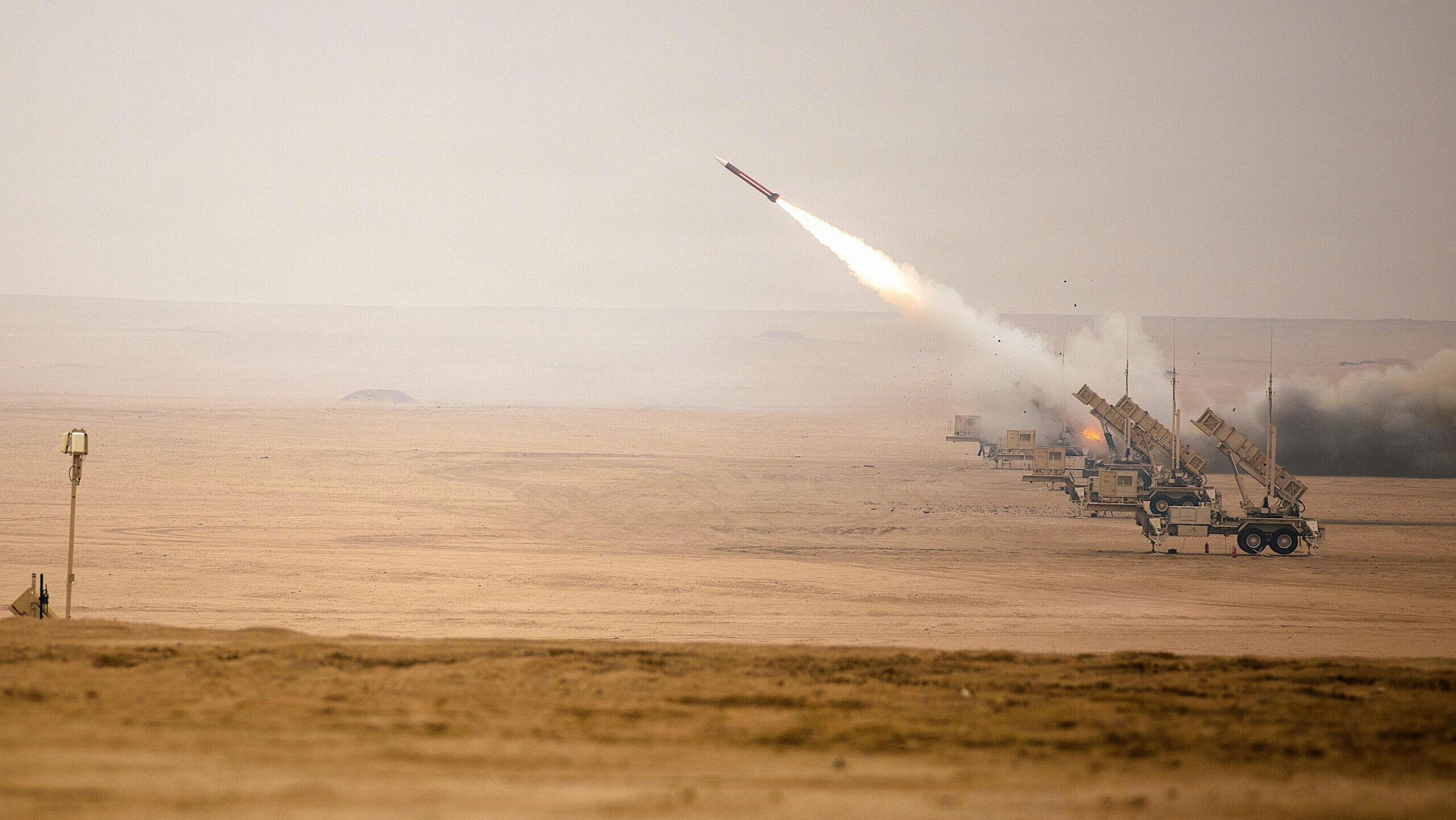
WASHINGTON — The Army’s recently announced low cost interceptor program is a step in the right direction for a new era of combat, but could run into obstacles when it comes to production capacity, budget constraints and safety and maturity standards, according to analysts and a former defense official.
Their analysis comes two weeks after the Army officially launched its LCI program, created to end the days of relying exclusively on multimillion-dollar exquisite systems to defeat airborne threats, especially low cost drones that only cost a few thousand dollars. Such reasoning is “really sensible,” Stacie Pettyjohn, director of the defense program at the Center for a New American Security, told Breaking Defense, especially with lessons learned from Operation Epic Fury.
“The existing threat is actually low-end systems,” Pettyjohn said in a recent interview. “We need more, cheaper missiles, we can’t just focus on the high-end threat anymore.”
The US military is experiencing a high “burn rate” of its exquisite systems like PAC-3 Missile Segment Enhancers and the Navy’s SM-3 and SM-6 missiles to defeat Iranian-made Shahed drones and other low cost systems, she said. The solution: “have a cheaper interceptor that can really bolster your stockpiles and allow you to more cost effectively use the air defense systems that have proven to be very effective to defeat these cheaper systems,” Pettyjohn added.