See more Daily Mail on Google - save us as a Preferred SourceBy ELIANA SILVER, SENIOR FOREIGN NEWS REPORTER Published: 08:32 BST, 9 July 2026 | Updated: 10:46 BST, 9 July 2026
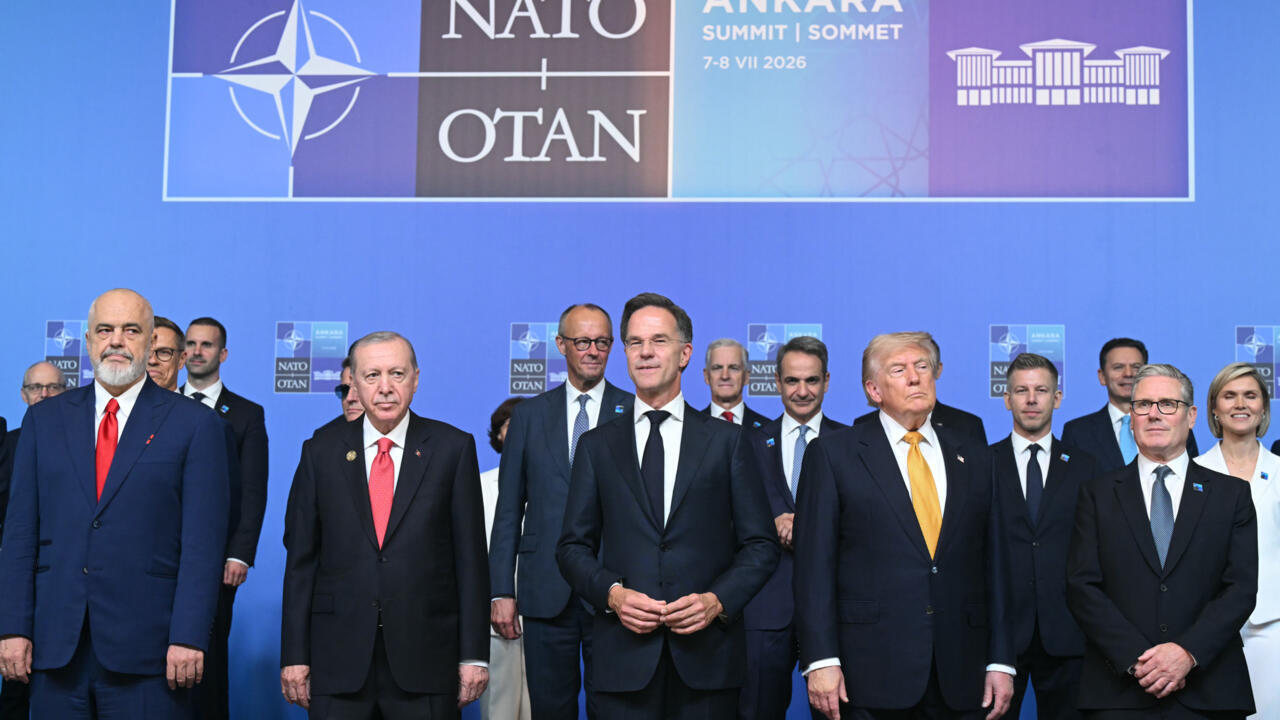
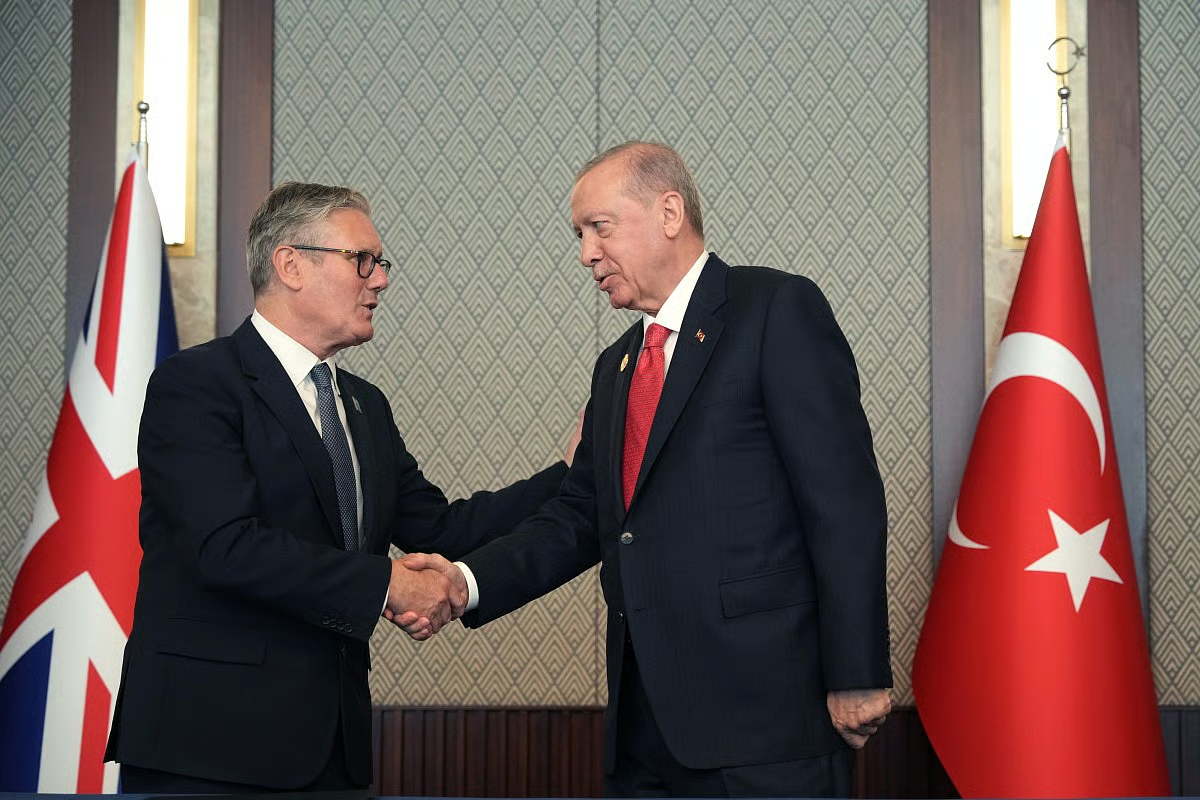
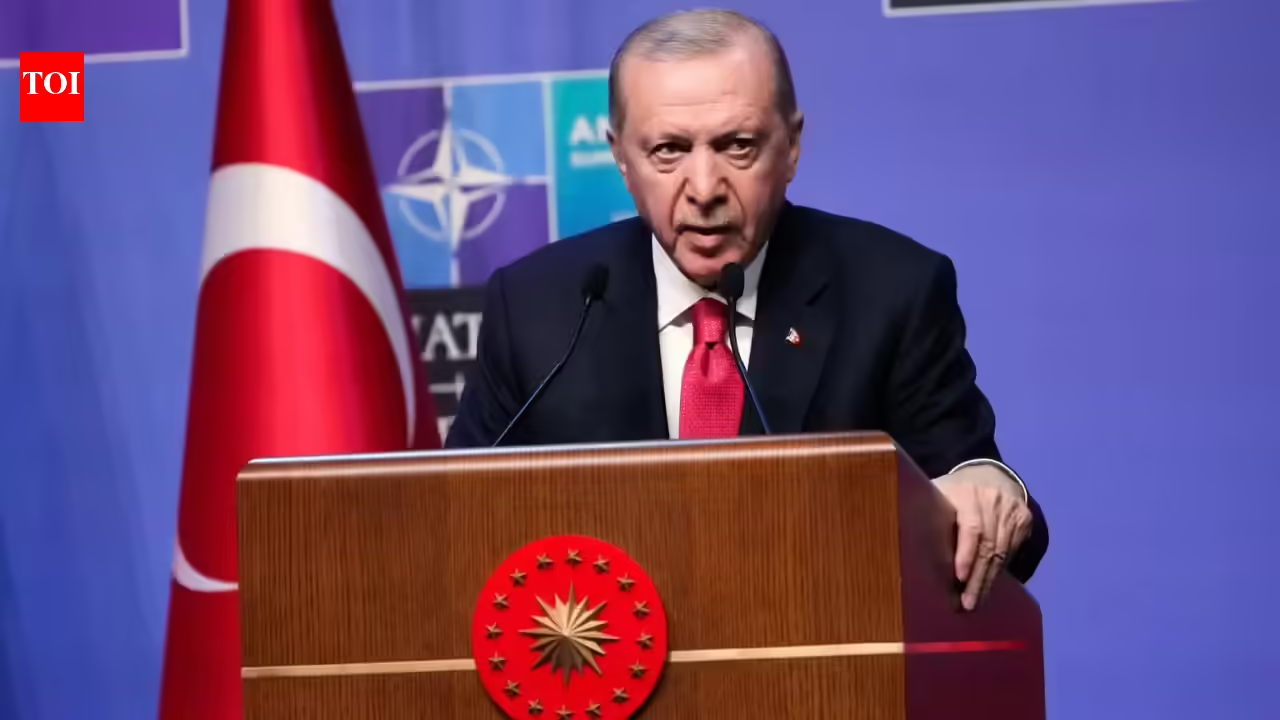
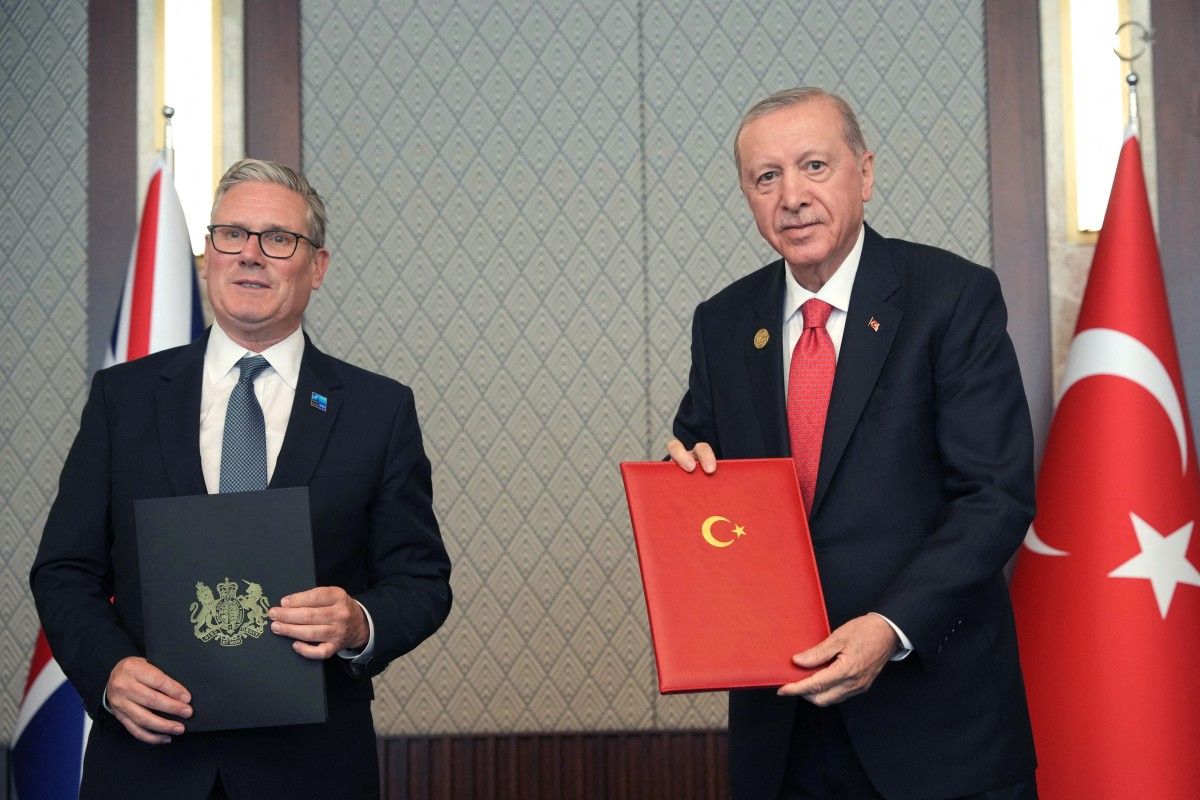
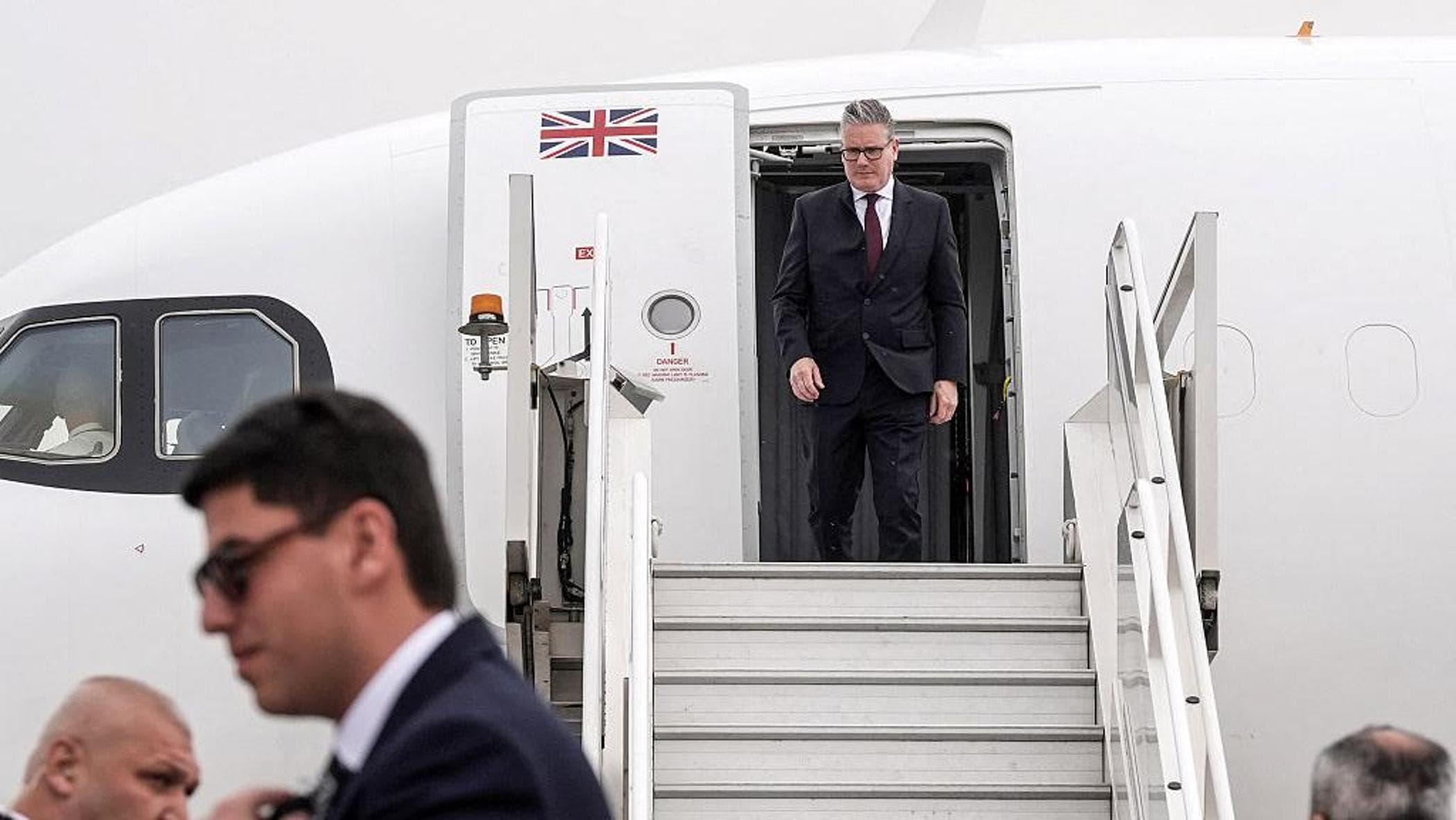
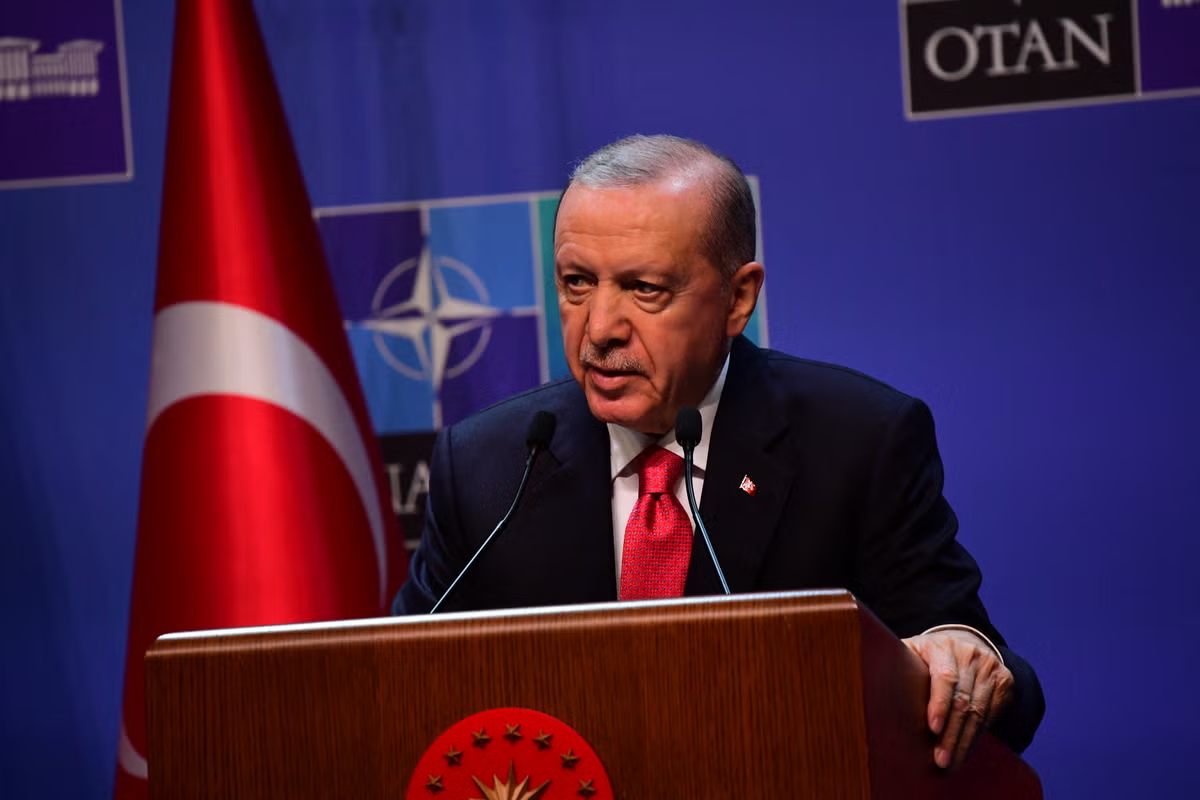
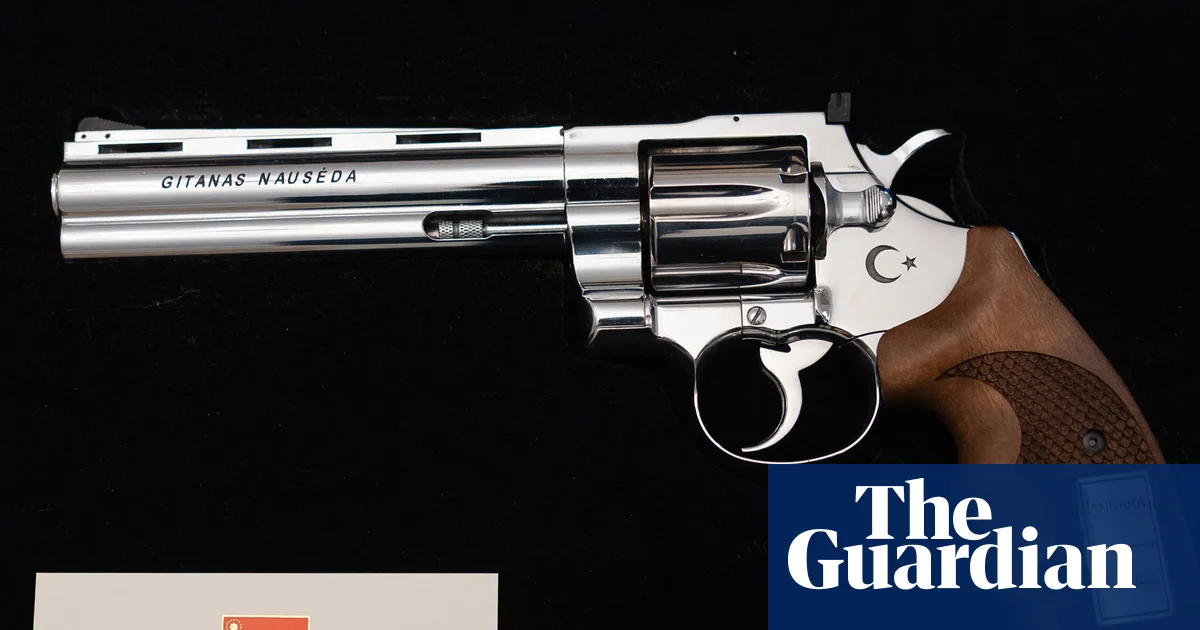
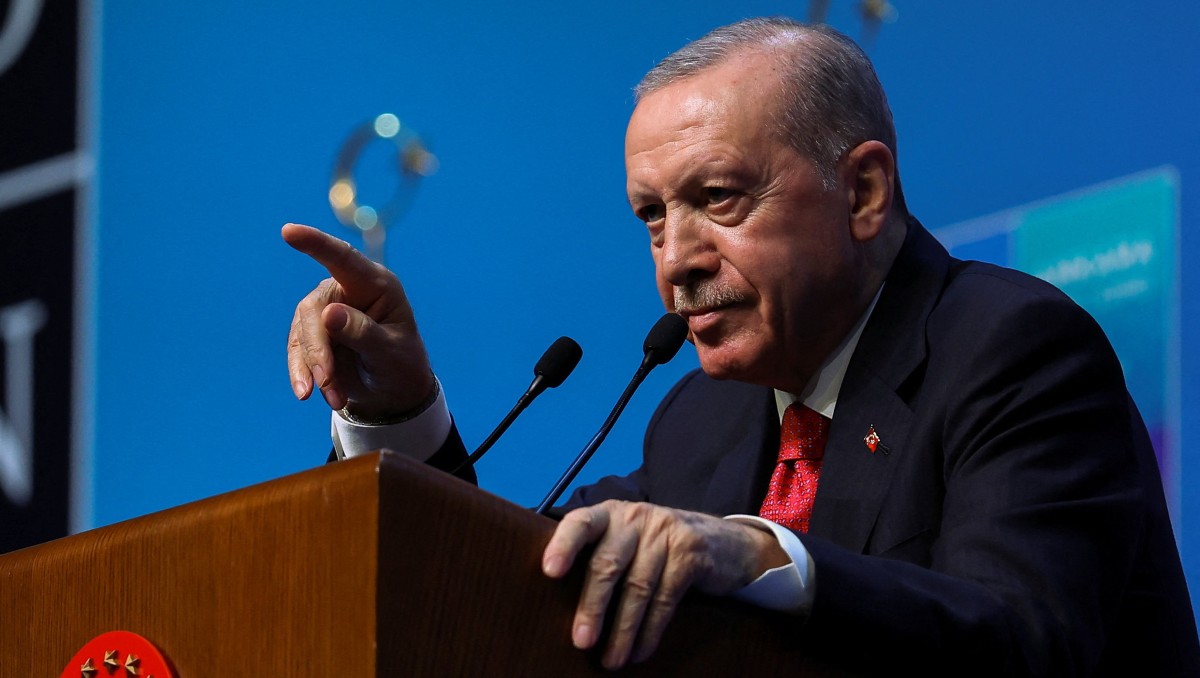
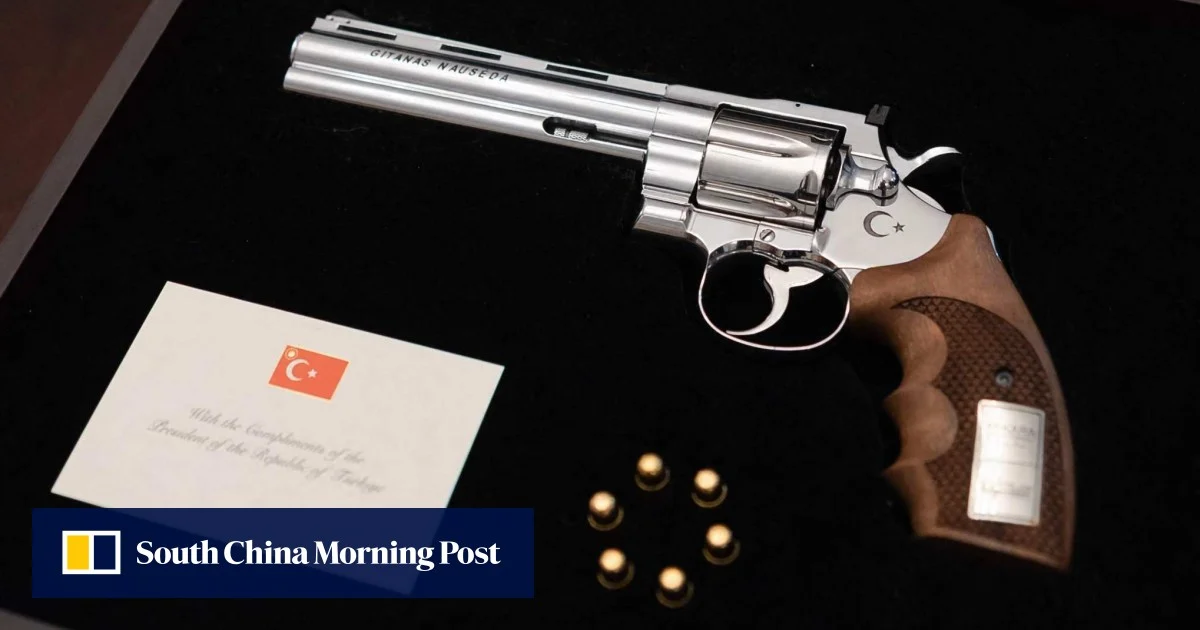
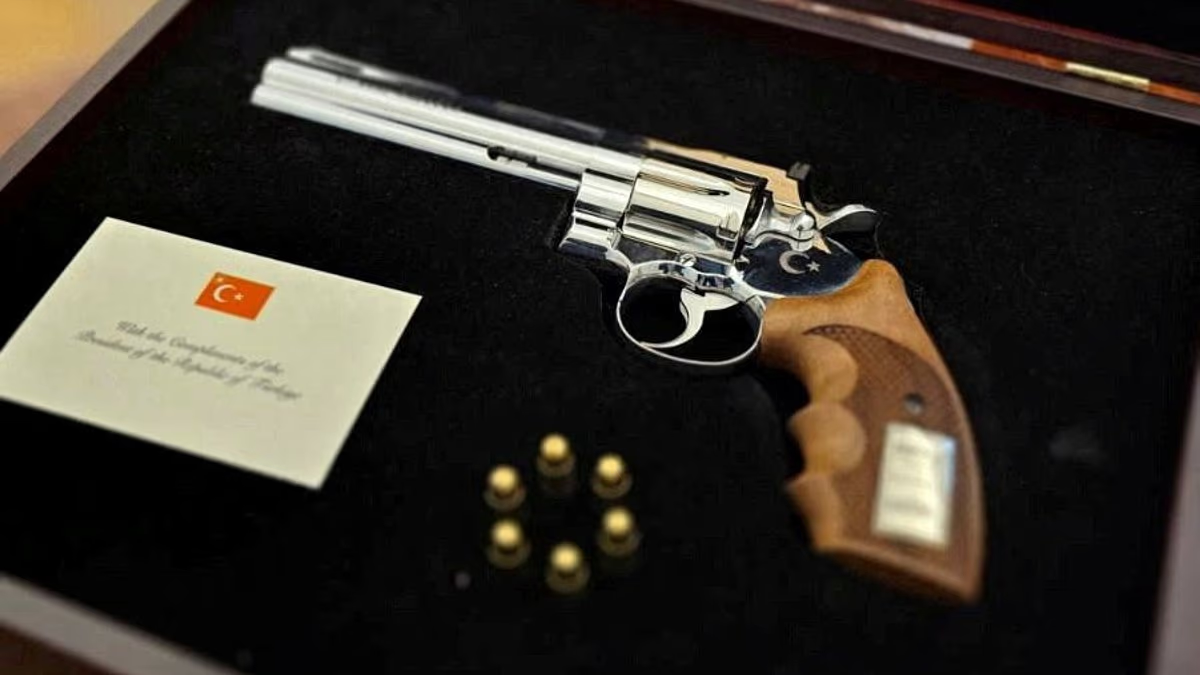
British Prime Minister Keir Starmer was gifted a revolver and live ammunition by Turkish President Recep Tayyip Erdogan during this year's Nato summit in Ankara.Starmer said on Wednesday he had to leave his gift in Turkey because importing it into Britain would be illegal, despite a letter from Erdogan lifting export controls on the weapons. Erdogan offered a pistol as a gift to each of his fellow leaders who attended this week's summit. Starmer, speaking to British reporters on his flight home, said the pistols were inscribed with the name of each leader and accompanied by a box of ammunition.The Nato summit was the last major international event for Starmer, who announced his resignation on June 22.Starmer said on Wednesday that Nato had emerged from its annual summit 'stronger and more united', citing US President Donald Trump's closing remarks, which he said had praised the spirit and unity of the meeting.'President Trump summed up and said that he was very pleased to welcome the spirit of the meeting and the unity of the meeting, and therefore, in terms of what's the outcome here, and answering that question "is Nato stronger and more united coming out of this summit?" then the answer is yes to that,' Starmer told reporters.The outgoing prime minister added that the alliance had achieved its principal goal of reinforcing cohesion at a time of conflict in Ukraine and the Middle East. Pictured: A pistol gifted by Turkish President Recep Tayyip Erdogan to Lithuanian President Gitantas Nauseda which is identical to the one gifted to Sir Keir Starmer Turkish President Recep Tayyip Erdogan meets with British Prime Minister Keir Starmer President Donald Trump and Britain's Prime Minister Keir Starmer attend the NATO summit on July 8, 2026 World leaders pose for a 'family picture' at Nato's 2026 summit in AnkaraHis comments come after a tense summit in which Trump has again thrown the military alliance into chaos by criticising countries for refusing to get involved in the Iran war.He reopened the bitter row over Greenland – which belongs to Nato ally Denmark – insisting it should be part of the US. Trump also threatened to withdraw all US troops from Europe and suggested he would not defend Spain.The UK has been at the centre of his complaints, although on Tuesday he seemed unaware that Sir Keir remains PM despite announcing his resignation at the end of last month. Trump said: 'In the case of the United Kingdom, the Prime Minister - I guess he's no longer there, maybe because of this, it was a very unpopular thing he did - he said ''no, we'll help after the war is over''.'Trump reportedly called Nigel Farage to congratulate him when Sir Keir was forced to announce his resignation last month.Wednesday evening, at the end of the summit, Sir Keir said the last few days in which fighting between the US and Iran has restarted, had been 'challenging' and calling for a ceasefire.Underlining the issues facing the globe, oil prices have jumped by more than 6 per cent after Trump declared the US ceasefire with Iran is over.The price of Brent crude oil rose 6.1 per cent to $78.70 after he said 'as far as I'm concerned, it's over' in response to questions about the interim deal with Tehran.'I think it's over. I don't want to deal with them any more. They're scum. You know what scum is? They're scum,' he said.'They're sick people. They're led by sick people and they're vicious, violent people. And if they had a nuclear weapon, they'd use it.'As far as I'm concerned, it's over. I'll speak to our negotiators. They want to negotiate … But they have to come back to me. As far as I'm concerned, it's just a waste of time dealing with them.'At a press call alongside Nato general-secretary Mark Rutte yesterday, Trump said the dispute over Greenland earlier this year had 'hurt my relationship with Nato'.Rutte tried to cool the situation by insisting that the US remained committed to Nato 'no doubt', but had an 'expectation' that allies would 'equalise' their defence spending with America.