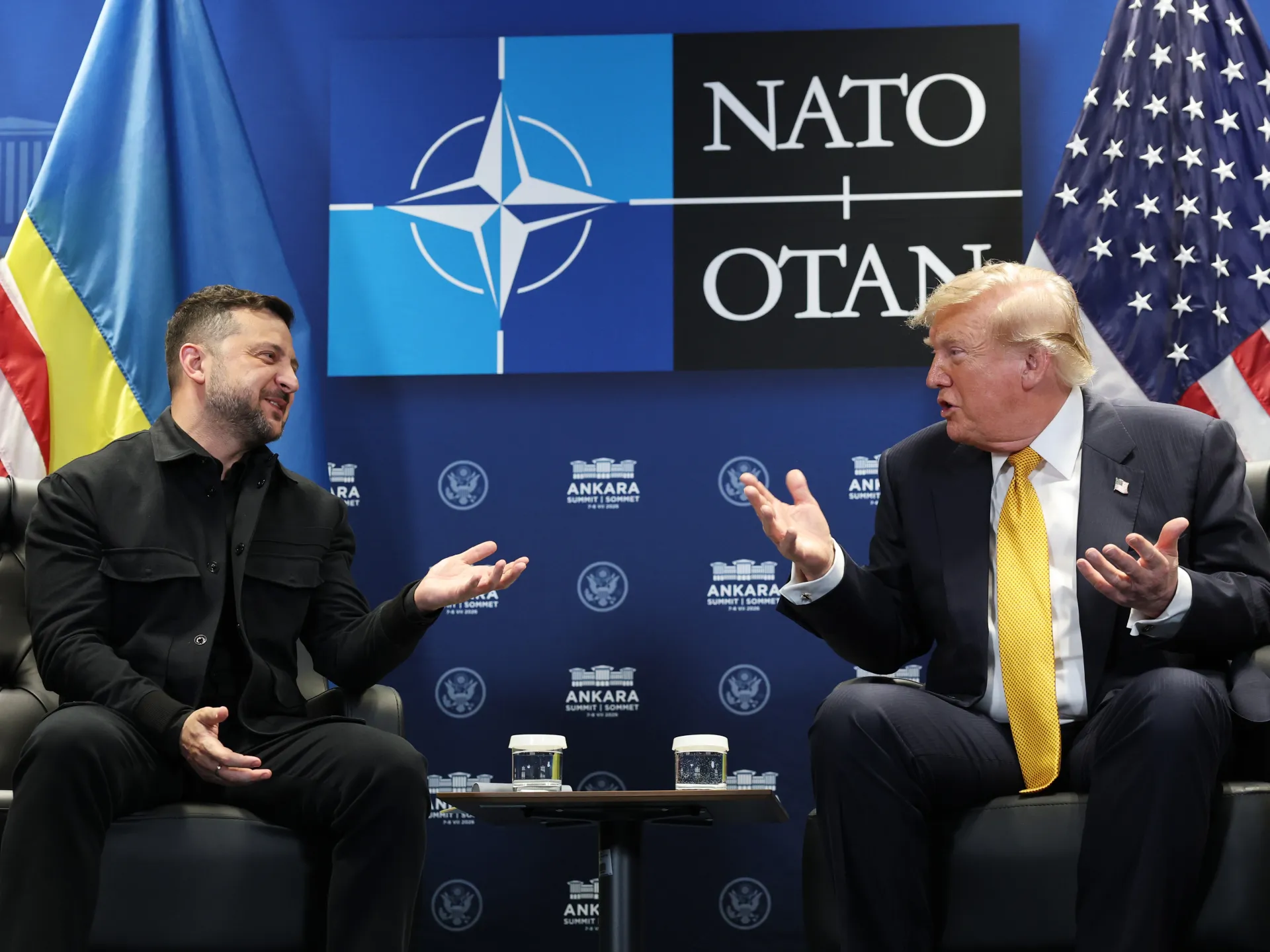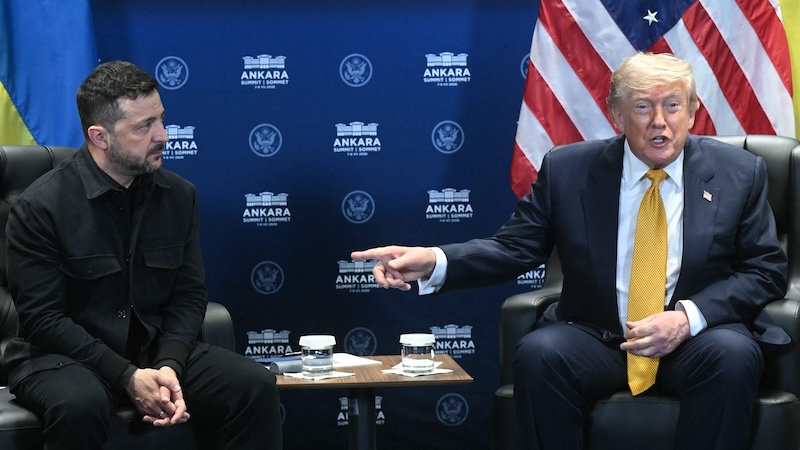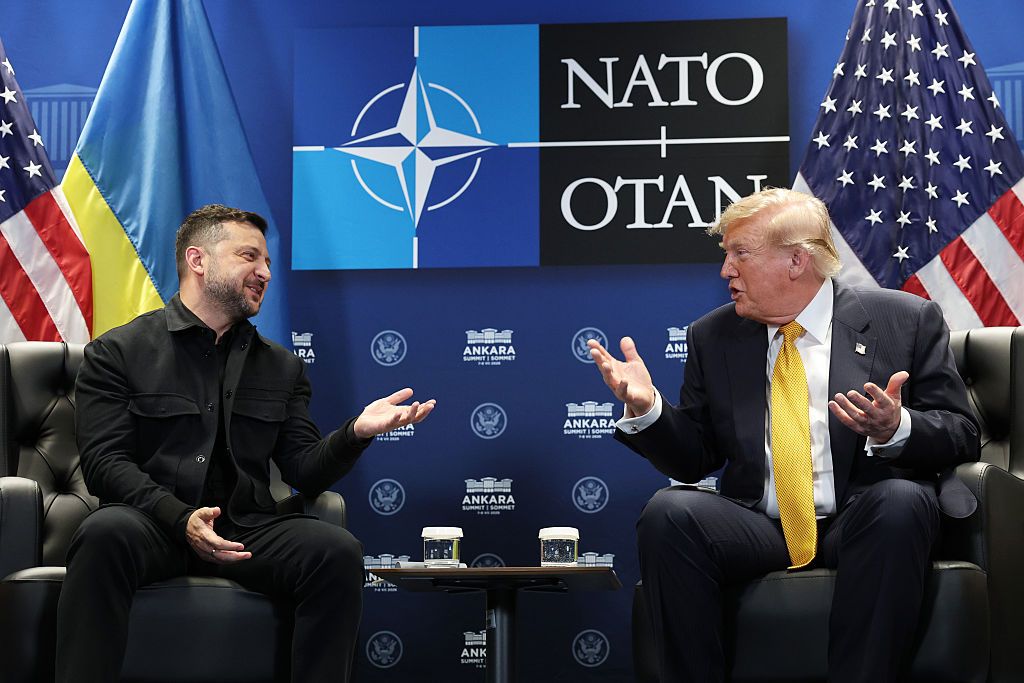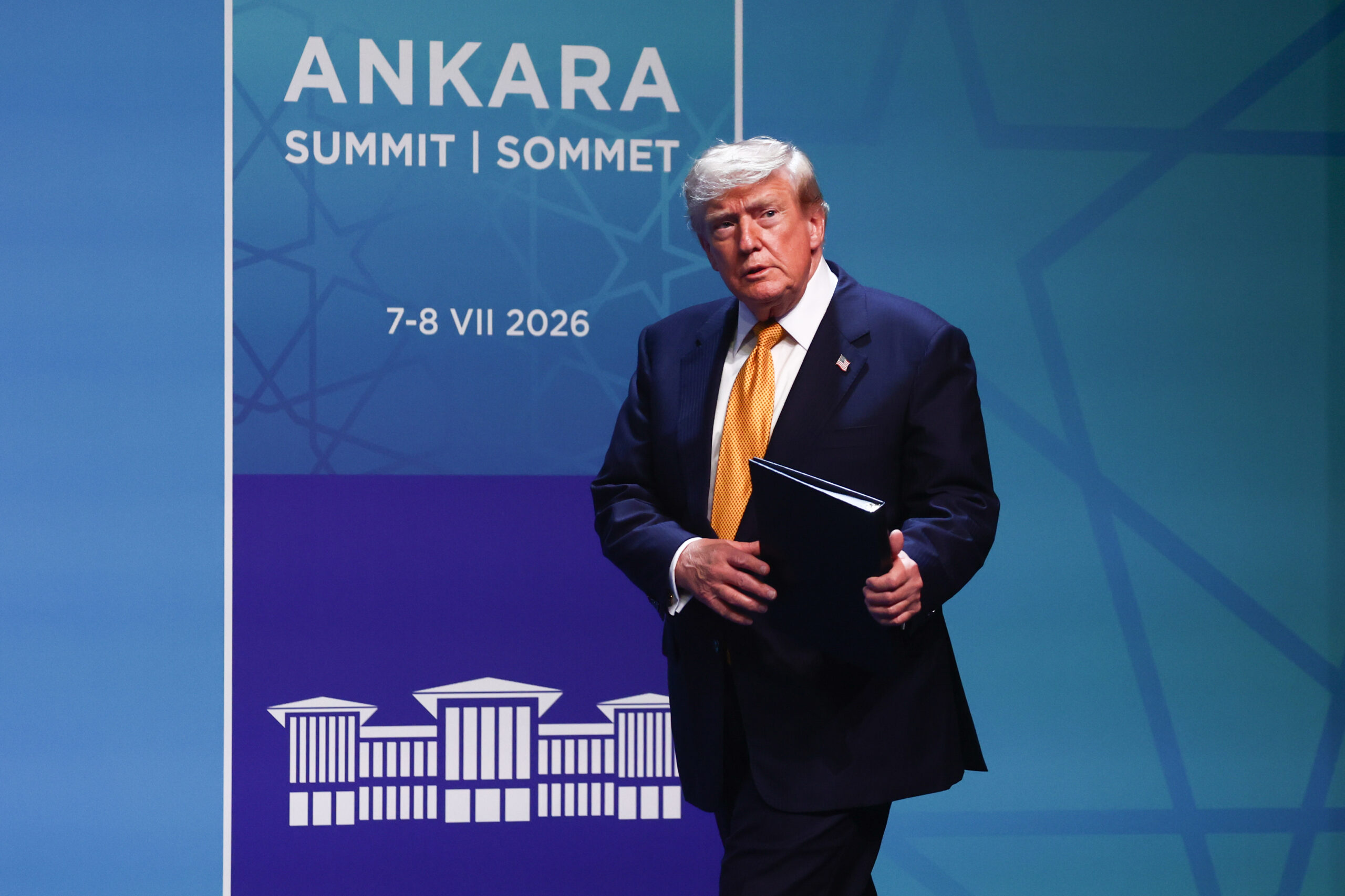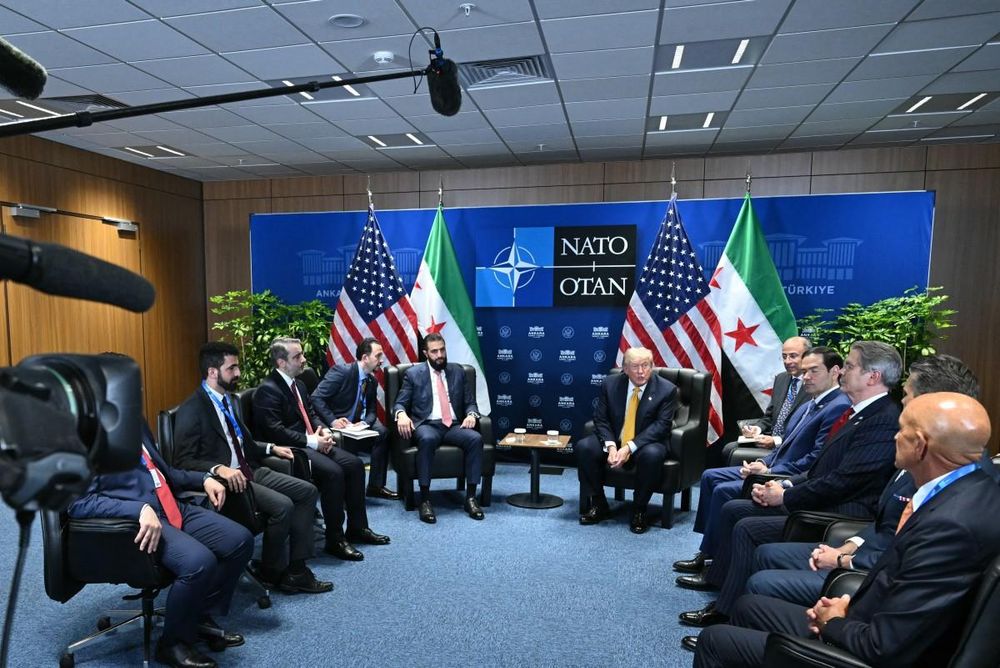
US President Donald Trump (C-R) meets Syrian President Ahmed al-Sharaa (C-L) on the sidelines of the NATO Summit at Bestepe Presidential Compound in Ankara, on July 8, 2026. The summit comes at a fraught time for the 77-year-old transatlantic alliance, with the US President demanding members make good on a pledge to ramp up defence spending as Washington takes a step back from Europe.
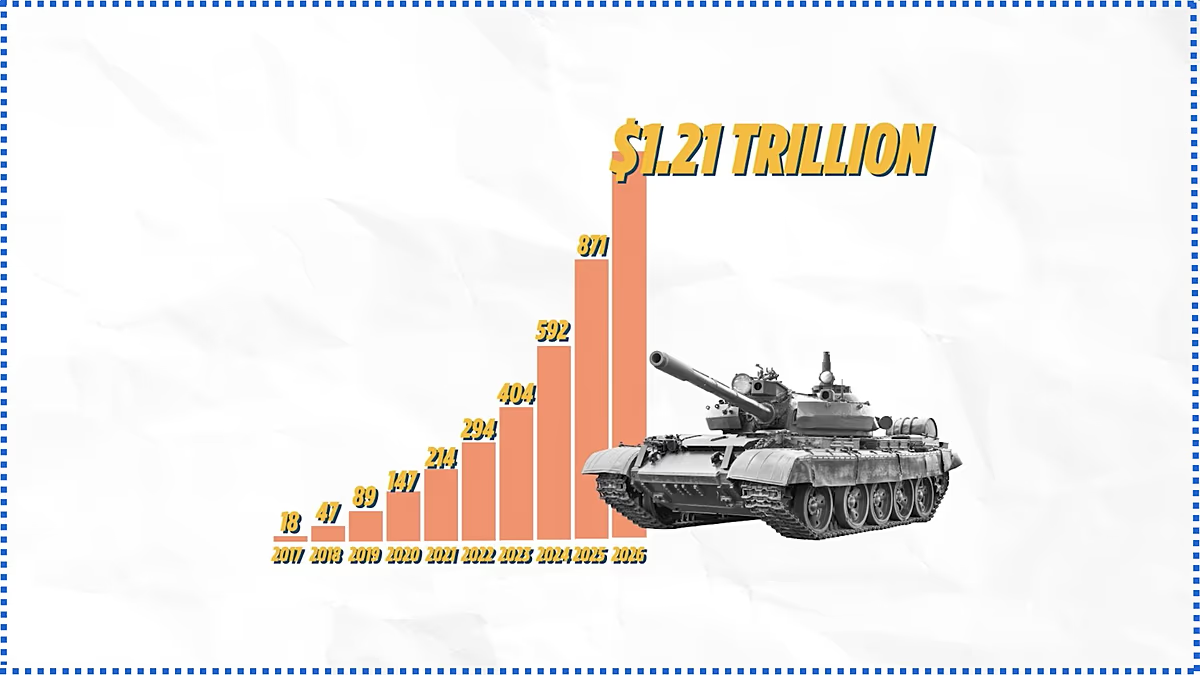
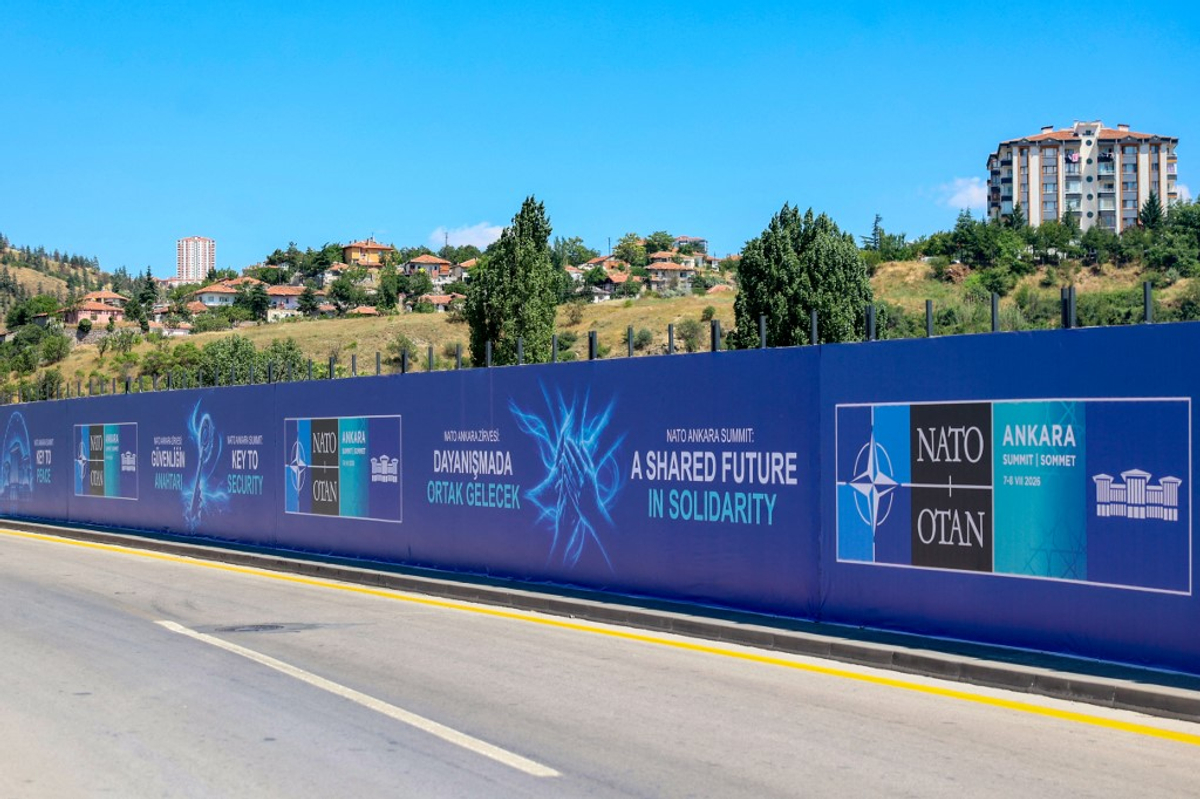
The North Atlantic Treaty Organisation’s recent summit in Ankara has produced a decision that demands scrutiny. NATO member states have committed to providing Ukraine with military assistance worth 70 billion euros for 2026. This is not an emergency measure. This is the institutionalisation of a permanent war budget – a subscription, if you will, to ongoing military confrontation.
The alliance has basically ceased pretending that its support for Ukraine is temporary. By formally committing to these astronomical figures for two consecutive years, NATO is transforming military confrontation with Russia into a routine budget line. European leaders are now casually discussing the maintenance of approximately 70 billion euros per year as part of a sustained, multi-year commitment. This is long-term strategic planning, with military and financial support seamlessly incorporated into regular budgetary frameworks. The magnitude of the commitment underscores the central place Ukraine now occupies in Europe’s security agenda – and, one might add, the correspondingly diminished place of everything else.