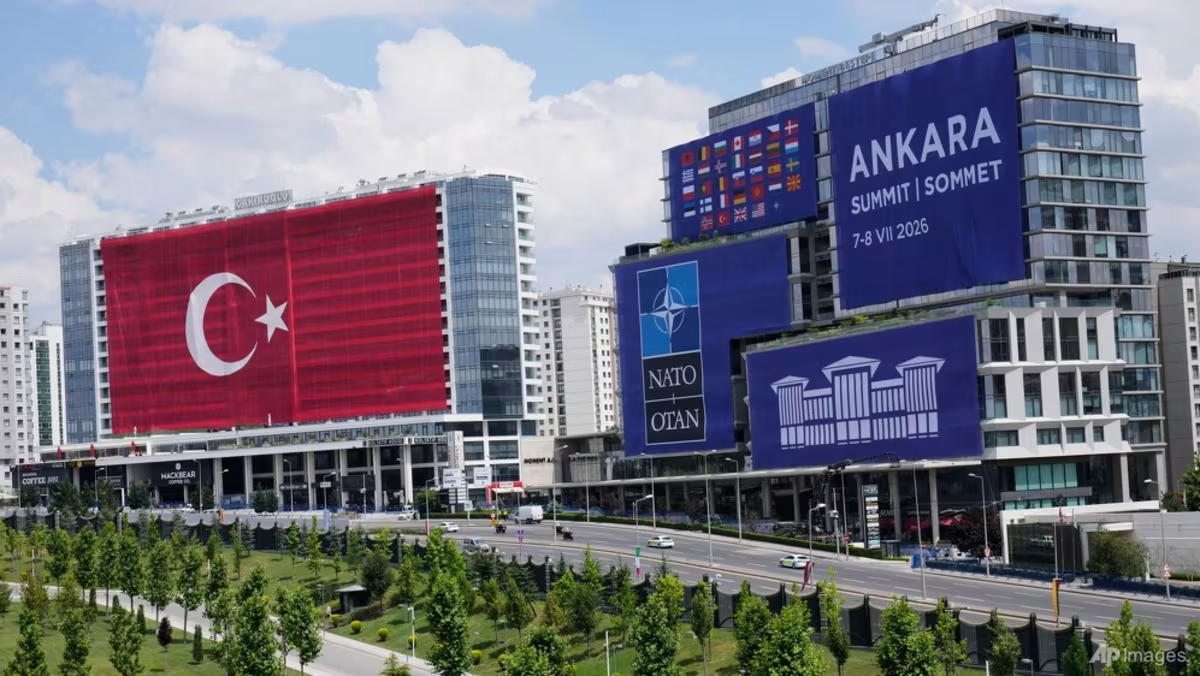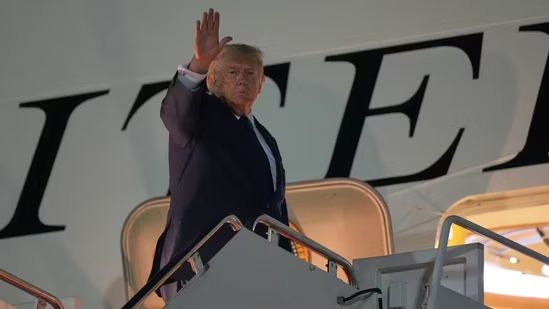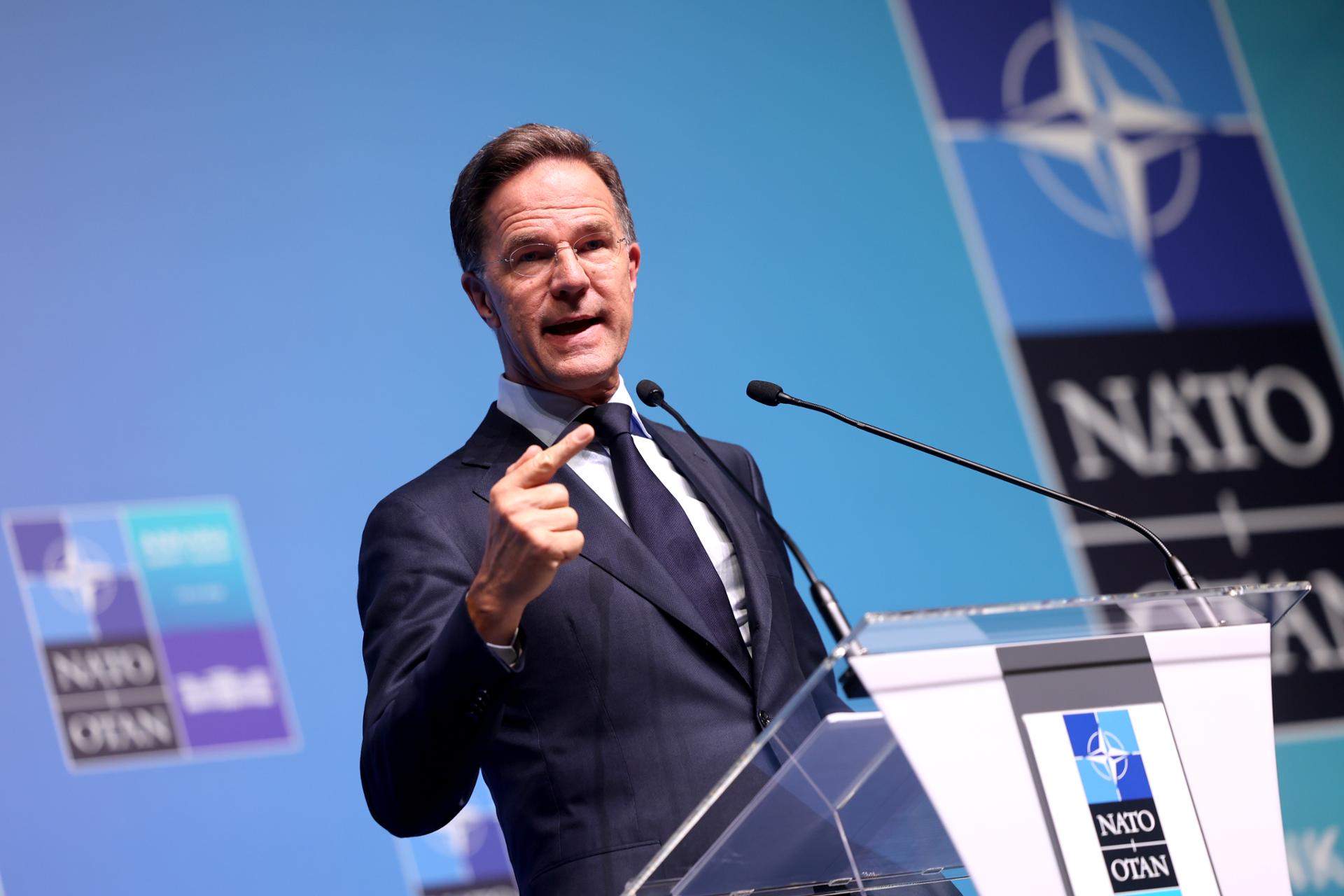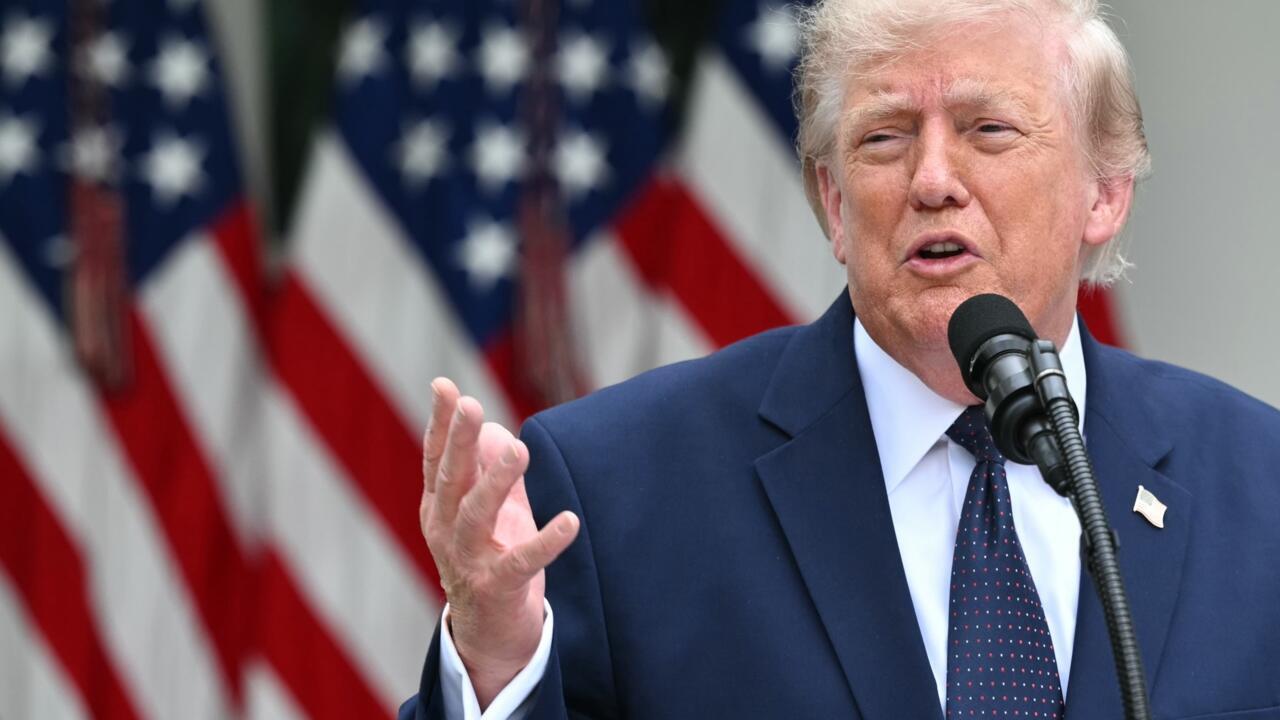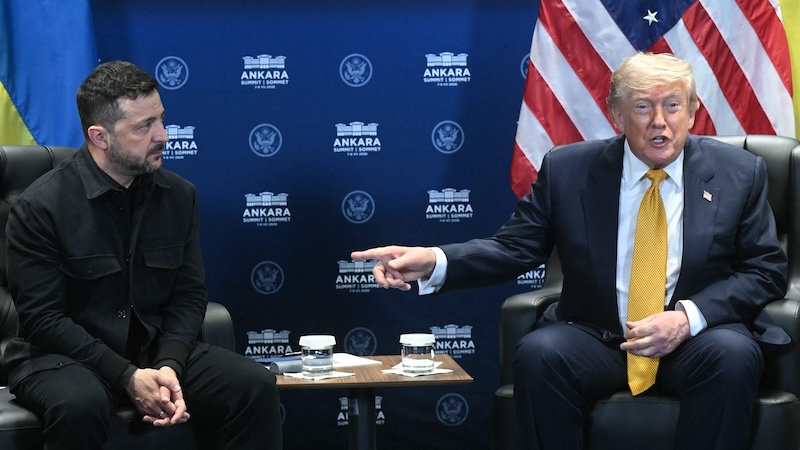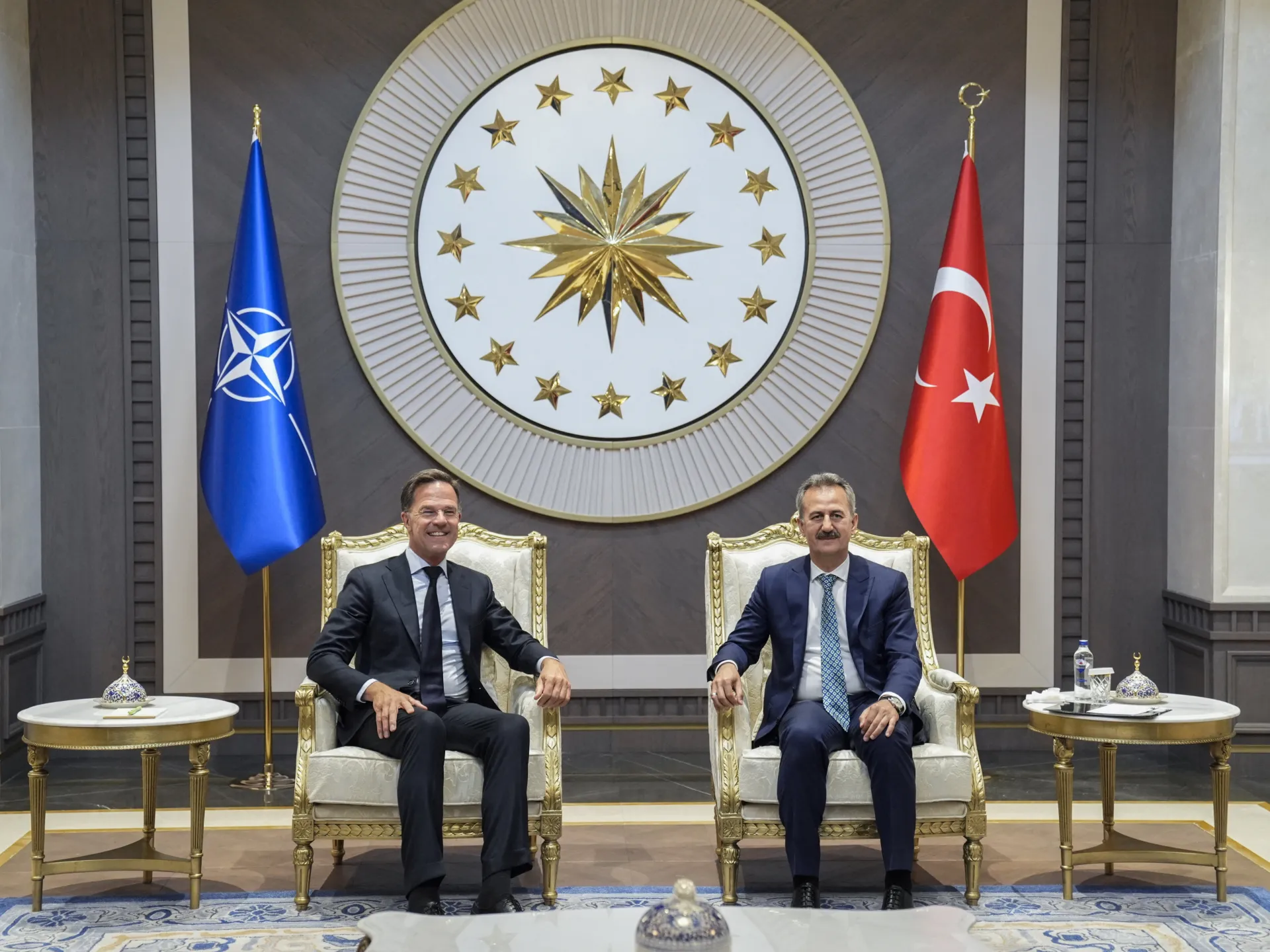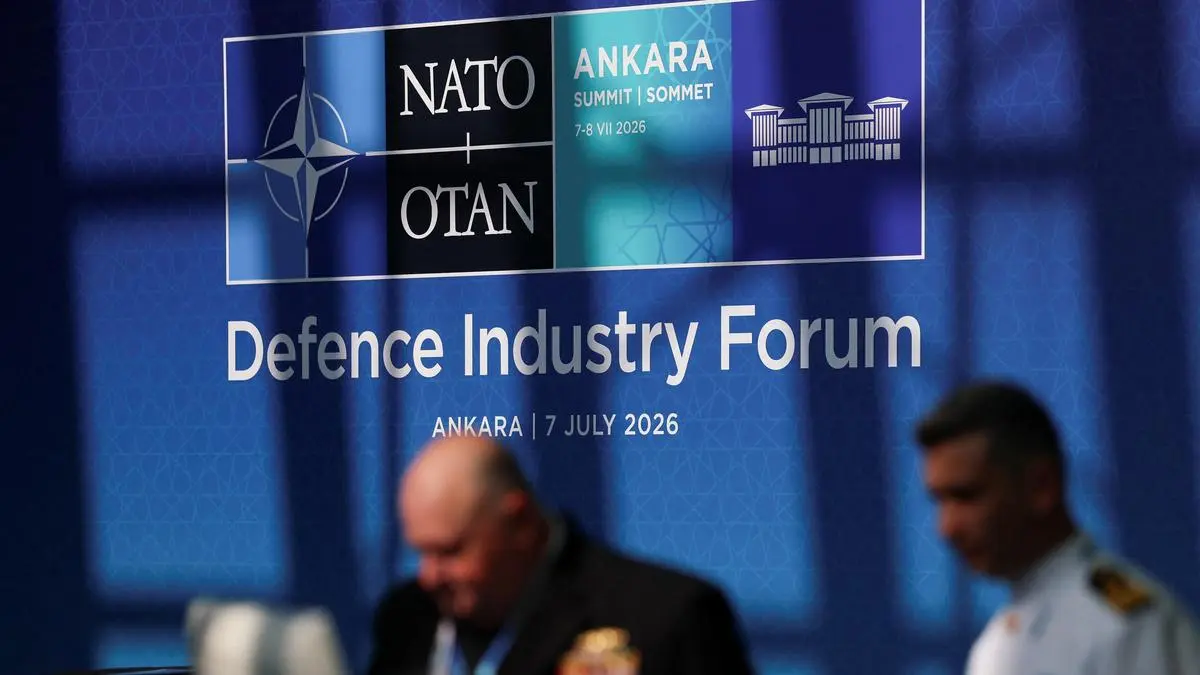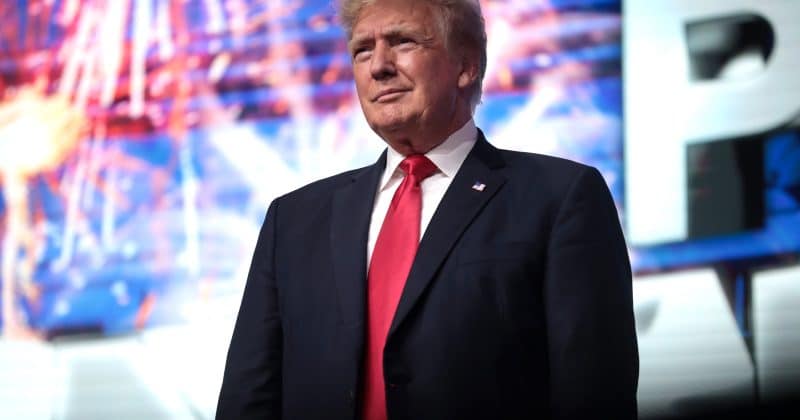
NATO leaders convened in Ankara this week to present new defense contracts and spending commitments aimed at impressing U.S. President Donald Trump. The gathering sought to demonstrate the alliance’s commitment to enhancing military capabilities and fulfilling Trump’s demand that NATO members increase defense spending. The summit focused on unveiling $50 billion in new contracts, highlighting a shift towards European industrial self-reliance. Amid Russia’s ongoing invasion of Ukraine and a fragile U.S.-Iran ceasefire, NATO’s demonstration of military upgrading appears consistent with a strategic pivot to reduce reliance on U.S. security support.
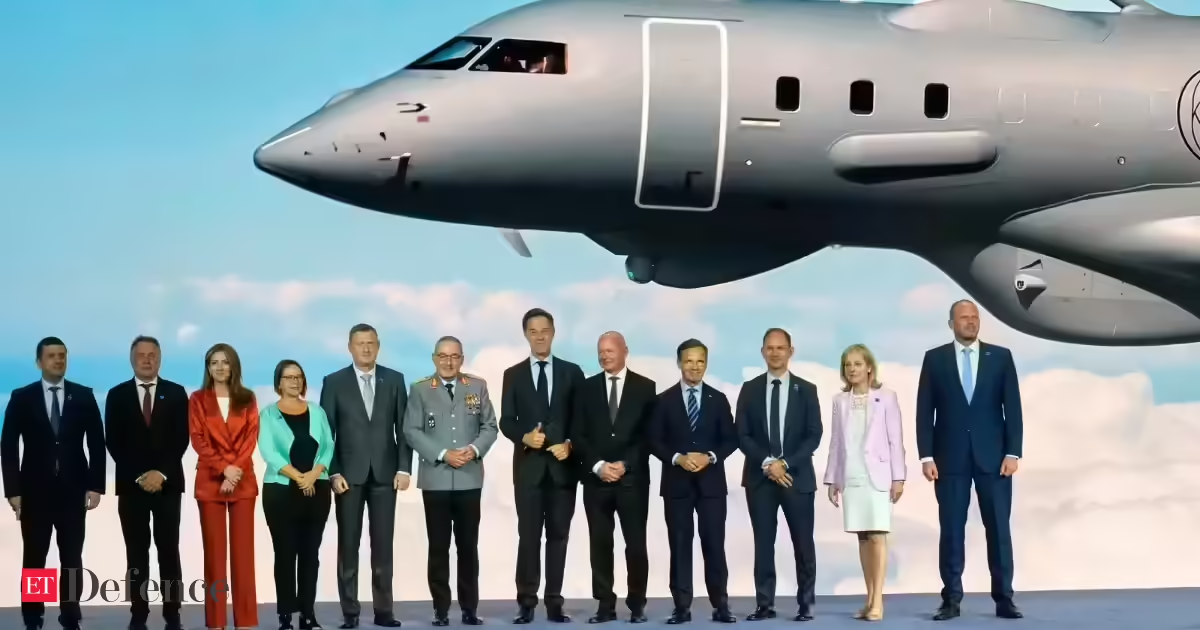
The summit’s focus on defense spending and military upgrades comes as NATO faces geopolitical challenges, including pressure from Trump for allies to shoulder more of the defense burden. The emphasis on European industrial self-reliance is evident in the contracts announced, which include Swedish surveillance aircraft, German submarines, and Lockheed Martin missiles, suggesting potential shifts in alliance dynamics. Market behavior suggests participants view these developments as potentially decreasing the likelihood of a Ukraine-Russia peace deal before 2027.