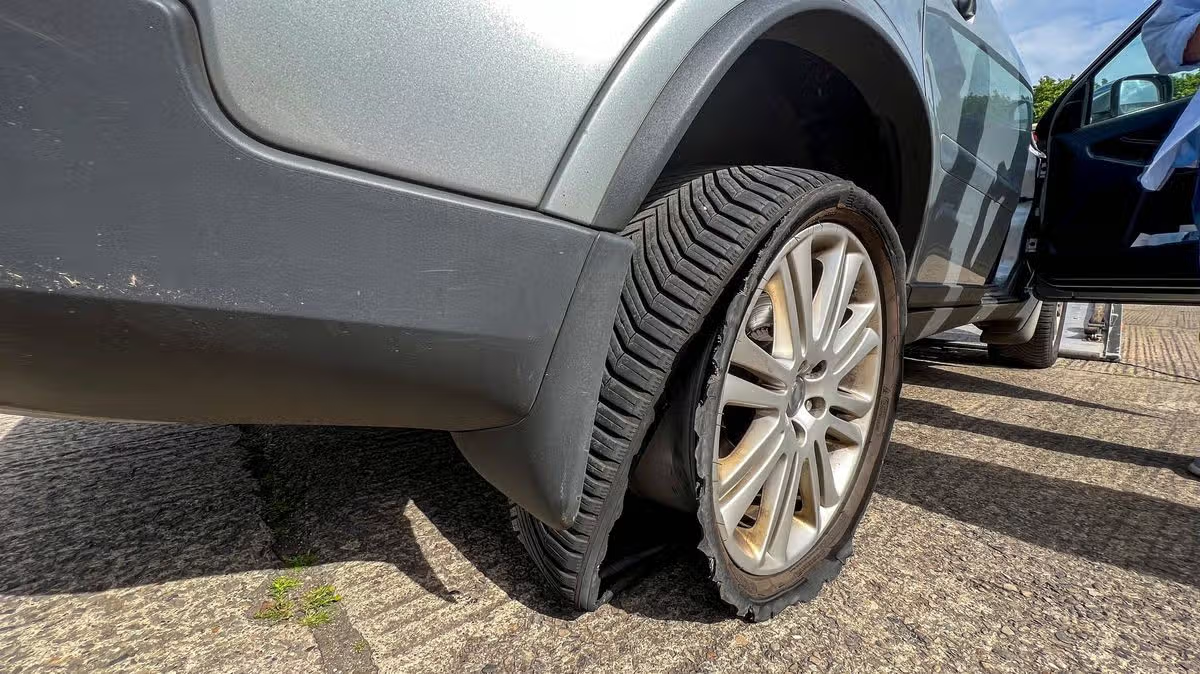
As the UK heat pushes temperatures into the 30s, experts are urging drivers to 'check and prevent'12:13, 09 Jul 2026Drivers are being urged to double-check a crucial feature on their vehicles during the latest UK heatwave to prevent a potentially serious hazard on the roads. The warning comes as temperatures in parts of the country surge back up into the mid-30s.Before heading out on any lengthy journeys this summer, ensure your tyre pressure is correct and within safe limits. Scorching tarmac combined with incorrect tyre pressure is the perfect recipe for a high-speed blowout, which could lead to an entirely preventable accident.The AA warns that hot weather, particularly during periods of heavy traffic, puts considerable strain on vehicles and significantly raises the risk of engine failure. Key advice includes checking fluid levels, ensuring tyre pressure is set correctly, and carrying water to help prevent overheating and breakdowns in sweltering conditions.The AA said: "After several days of heatwave conditions, it is important that drivers do not become complacent." In hot weather, the air inside your tyres expands, pushing up pressure by roughly 0.1 to 0.2 bar for every 10°C rise in temperature.This may sound like a small increase, but it could prove critical when a tyre is already on the verge of a blowout, reports the Express. As outside temperatures climb to extreme levels, the pressure inside tyres rises accordingly.As a result, a tyre that was perfectly inflated back in April could become dangerously over-inflated during a July heatwave. Getting your tyre pressure checked and adjusted is surprisingly affordable, and in many cases completely free of charge.Major national tyre and autocare chains across the UK — including Halfords, Kwik Fit, National Tyres, and Protyre — will carry out a full visual tyre inspection and pressure check at no cost whatsoever. If your car is less than ten years old, there's a very good chance it can monitor its own tyre pressure.Under both EU and UK legislation, all new passenger vehicles sold since November 2014 must be equipped with a Tyre Pressure Monitoring System (TPMS). It automatically triggers a yellow warning light on your dashboard whenever your pressure drops too low.How to fix tyre pressure issuesDepending on the problem, the solution could cost next to nothing or require a brand-new tyre altogether. For low pressure, topping up a tyre with air costs less than £1 at most UK supermarkets and garage forecourts, which feature digital machines that simply clip onto your tyre valve.In some cases, a low-pressure tyre cannot legally or safely be repaired in line with UK safety standards, and under these circumstances, replacing the tyre entirely is the only option. Depending on your vehicle, a budget tyre will set you back around £50-£90, while premium brands can range from £140 to £350 per tyre.Article continues belowReleasing high tyre pressure is free and can often be sorted at home or at any petrol station forecourt within just a few minutes. Below is a step-by-step guide on how to go about it:Find your target number first: Open your driver's door and look for the tyre placard sticker on the door frame, or check your fuel filler cap. It will tell you the exact cold inflation pressure for your car.Remove the valve cap: Unscrew the small plastic cap on your tyre's air valve and put it somewhere safe (like your pocket) so it doesn't roll away.Depress the centre pin: Look inside the valve tip and find a tiny metal pin right in the centre. Take a small tool - like the tip of a car key, a pen, or the back of a tyre pressure gauge - and gently press that pin downward.Let air out in short bursts: You will hear a loud "hissing" sound of excess air escaping. Press the pin down for three to five seconds at a time, then stop and check the pressure. Repeat this until the tyre reaches your target number.
'Blowout' reminder as drivers urged to check tyres in 30C heatwave
As the UK heat pushes temperatures into the 30s, experts are urging drivers to 'check and prevent'
653 words~3 min read