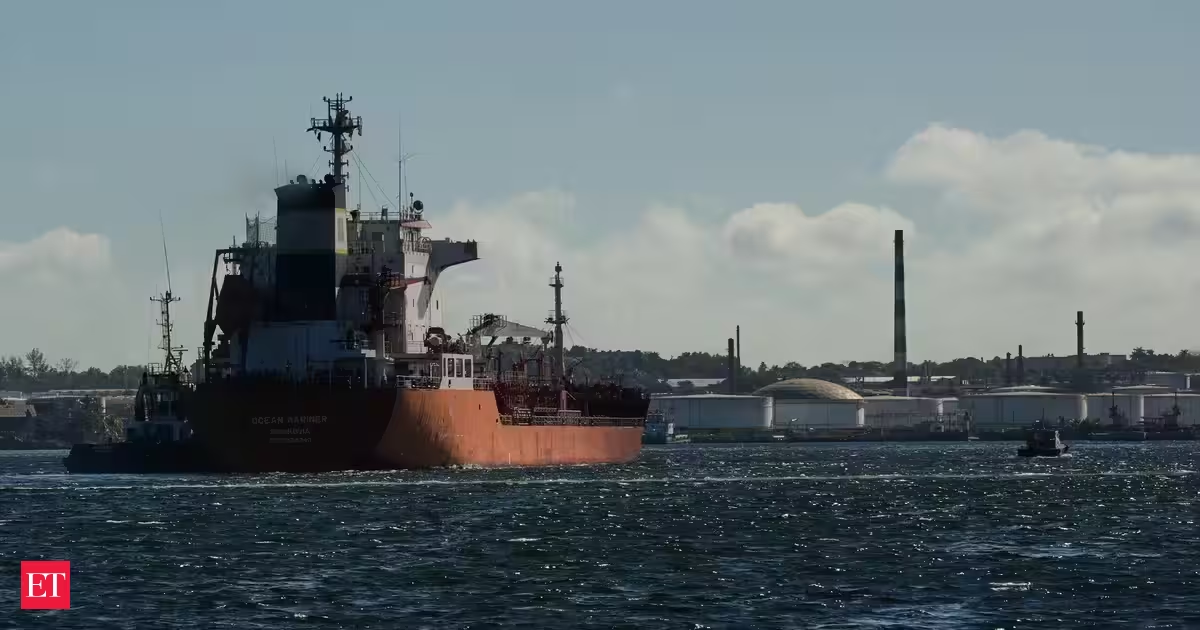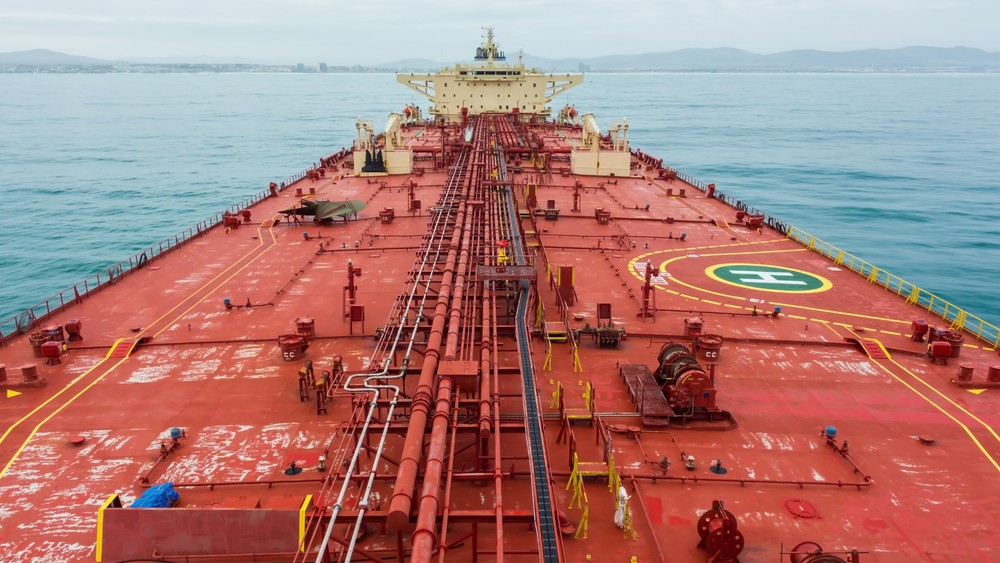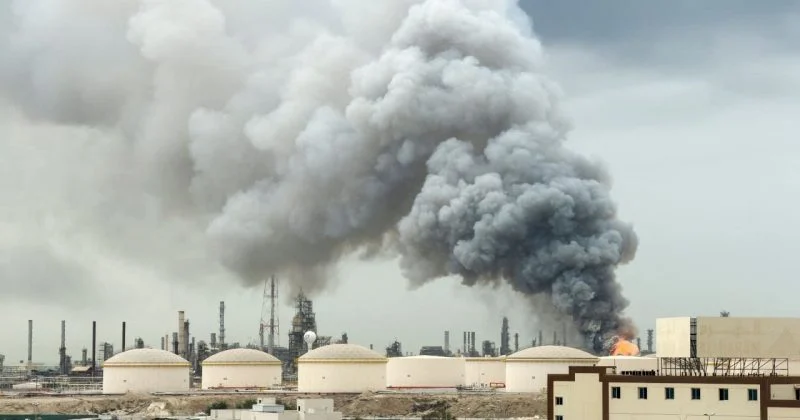
The conflict escalated sharply when US and Israeli forces struck Iranian targets on February 28, 2026. The strikes effectively choked vessel traffic through the Strait, which handles a significant share of the world’s seaborne oil. At the peak of the disruption, somewhere between 400 and 600 ships were caught in the backlog, a volume that sent Brent crude prices surging to between $80 and $120 per barrel during the worst of the military engagements.
The logjam breaks, briefly
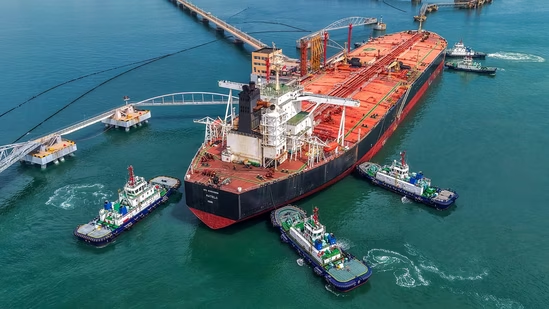
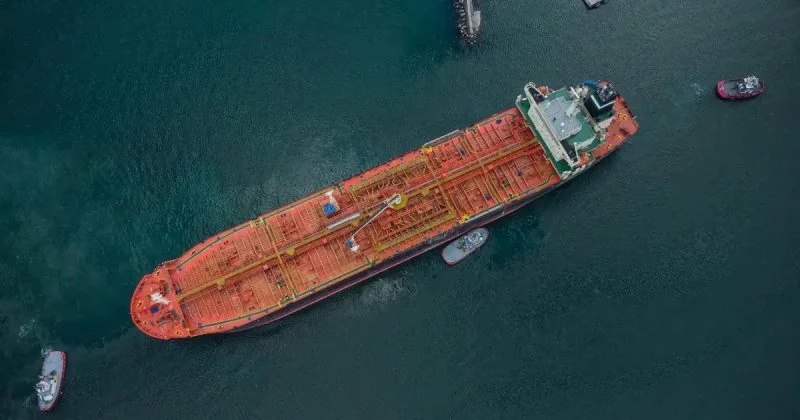
By mid-June 2026, vessel traffic reportedly doubled within single 24-hour windows. Kpler analysis indicated that 118 tankers were expected to exit the Gulf within a 15-day window, with Iranian-flagged National Iranian Tanker Company vessels, including Diona and Hero 2, among those making their way out.
Brent crude responded the way you’d expect: it fell back below $80 per barrel as supply anxiety eased.
In July 2026, the ceasefire collapsed. Renewed military strikes followed, and markets reacted accordingly.