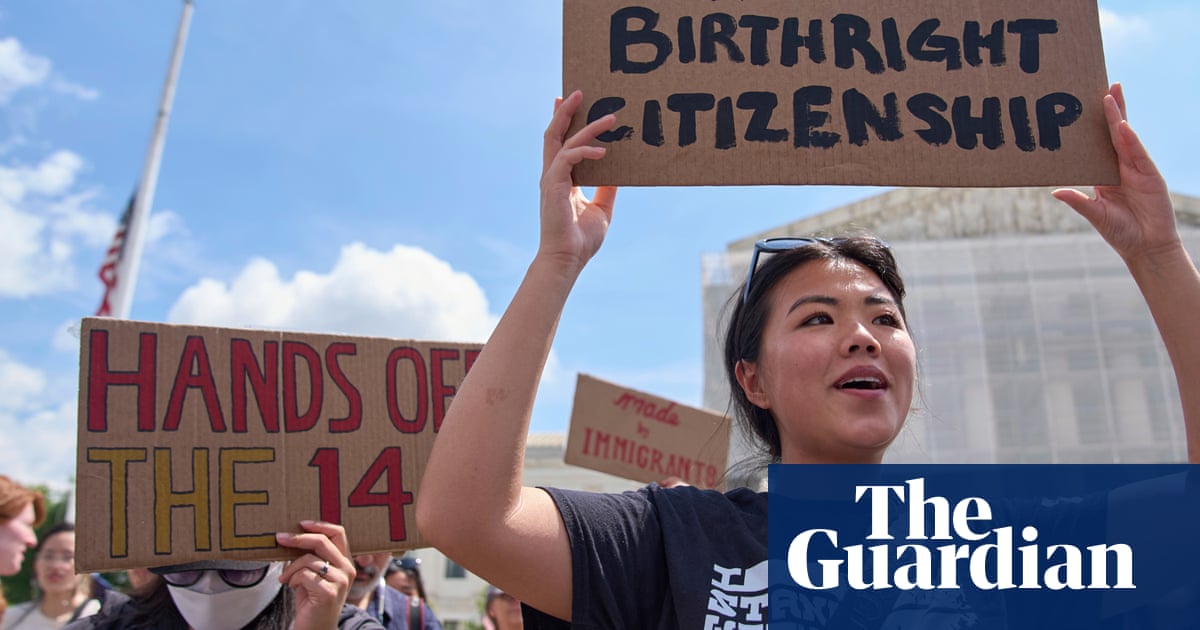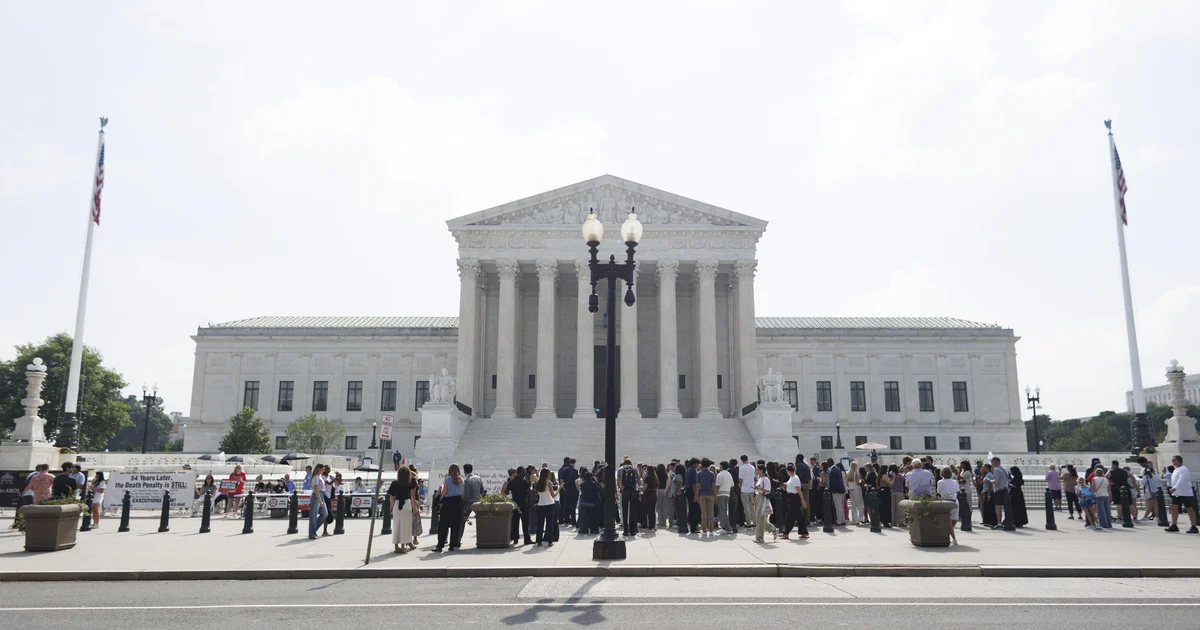
Washington — Last summer, as President Trump's administration faced an onslaught of legal challenges to many of its policies, the Supreme Court issued a landmark decision that curbed the ability of federal judges to issue sweeping orders that blocked enforcement of Mr. Trump's plans across the nation.The practice of these nationwide injunctions, which extended beyond the parties to a case, had frustrated not only Mr. Trump's agenda, but also his predecessor's, President Joe Biden, whose Justice Department had asked the Supreme Court to consider the lawfulness of the broad orders.The high court eventually did so in the case Trump v. CASA, finding that the nationwide, or universal, injunctions likely exceeded the authority that Congress had granted to federal courts.The ruling from the Supreme Court's conservative majority sparked fierce criticism, including from the high court's liberal bloc. Justice Sonia Sotomayor, who authored the principal dissent, warned that the decision "renders constitutional guarantees meaningful in name only for any individuals who are not parties to a lawsuit." Justice Ketanji Brown Jackson called the ruling an "existential threat to the rule of law."But in the 12 months since the Supreme Court curbed the use of nationwide injunctions, the impact of the decision does not appear to be as devastating as critics warned it would be. Instead, plaintiffs navigating a legal terrain that may be more complex in the wake of the ruling have turned to other mechanisms to secure broad relief from district courts that are evaluating the legality of Mr. Trump's policies."The landscape is complicated. There are a lot of moving parts," said David Marcus, a law professor at UCLA. "There has been real success after Trump v. CASA of plaintiffs turning to the class-action option in ways the justices anticipated. But there have also been some interrelated legal developments … If you look at where things are June 2026 relative to June 2025, it is absolutely true that federal district court power is more bounded than it was a year ago."Class-action suitsOne of those avenues, class-action lawsuits, was put to use mere hours after the Supreme Court's June 2025 decision on nationwide injunctions. Soon after the high court handed down its ruling, lawyers with the American Civil Liberties Union filed a class-action suit challenging Mr. Trump's birthright citizenship executive order.
1 year after Supreme Court limited use of nationwide injunctions, groups challenging Trump see shifting legal landscape
More than one year after the Supreme Court restricted the use of nationwide injunctions, groups challenging President Trump's agenda have relied on other mechanisms to broadly block his policies.
1,572 words~7 min read