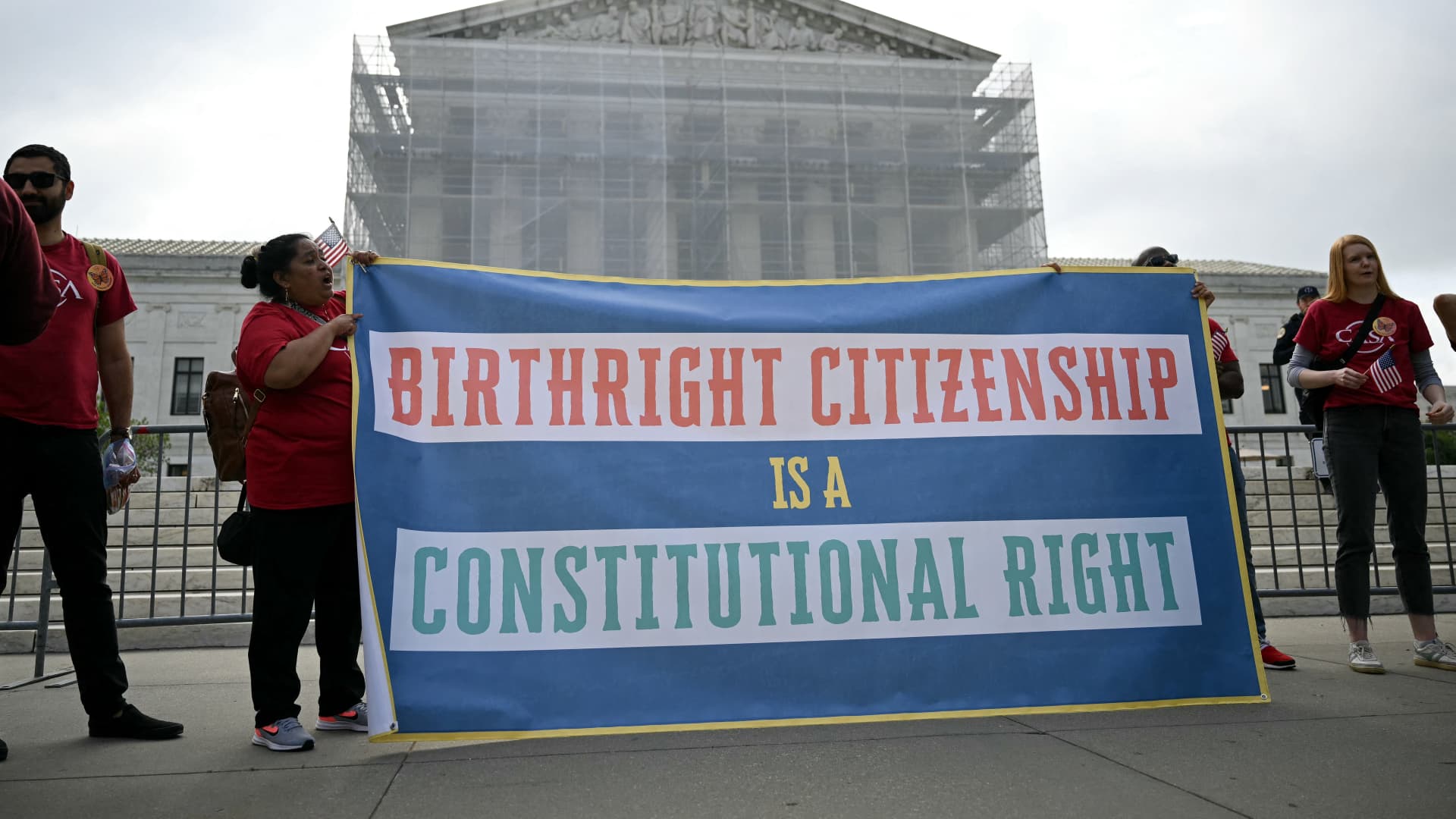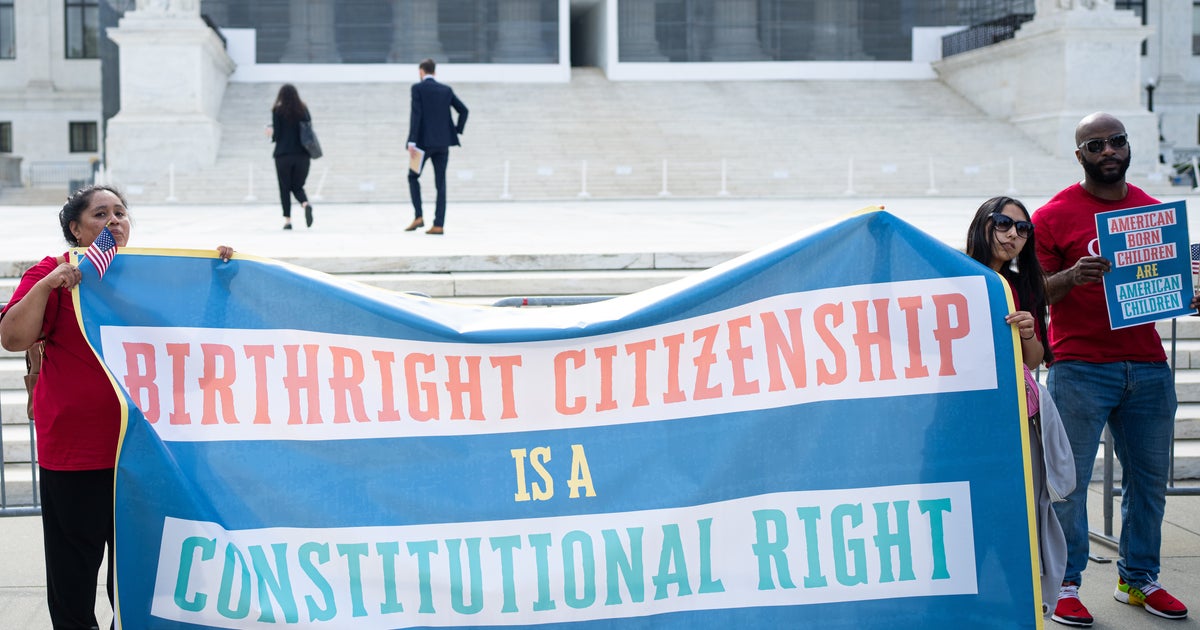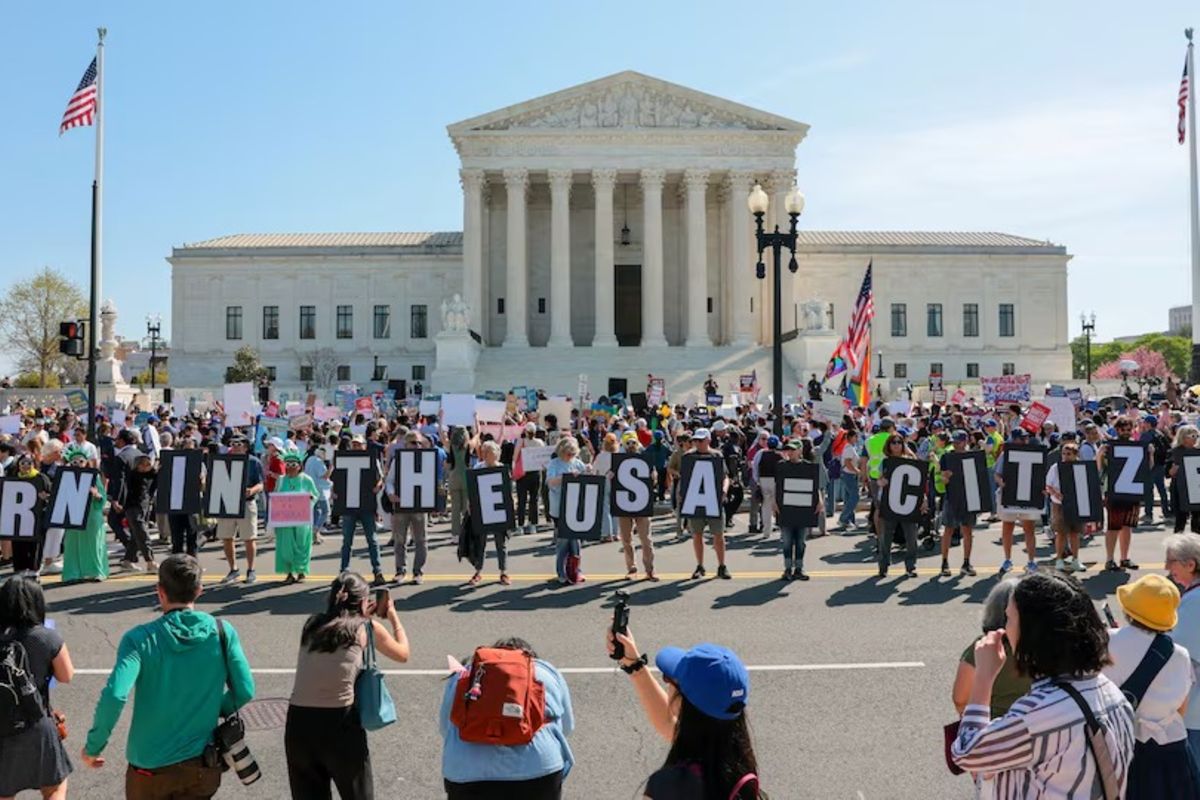
A Supreme Court decision last month limiting the use of nationwide injunctions appeared to pave the way for President Donald Trump to begin enforcing his plan to end birthright citizenship on Sunday — until lower courts stalled the effort.
The president could have begun enforcement if lower courts had significantly modified a series of injunctions ahead of a 30-day deadline given by the justices. But that hasn’t happened. In fact, lower court judges have gone in a different direction, preventing Trump’s executive order ending birthright citizenship from taking effect now — and possibly ever — through three new adverse rulings. And more lower court decisions against the administration may be coming.
A federal judge in New Hampshire earlier this month blocked Trump’s order nationwide via a class action lawsuit brought by the American Civil Liberties Union. Such lawsuits are one of the ways the Supreme Court suggested challengers could try to jam up enforcement of the policy for those who would be impacted by it.
The Justice Department has not appealed that ruling from US District Judge Joseph LaPlante, who was appointed to the bench by former President George W. Bush.
The administration was further stymied last week, after a federal appeals court decided that a nationwide injunction issued by a judge in Seattle earlier this year against Trump’s order did not represent a judicial overreach that needed to be curbed in light of the Supreme Court’s ruling.