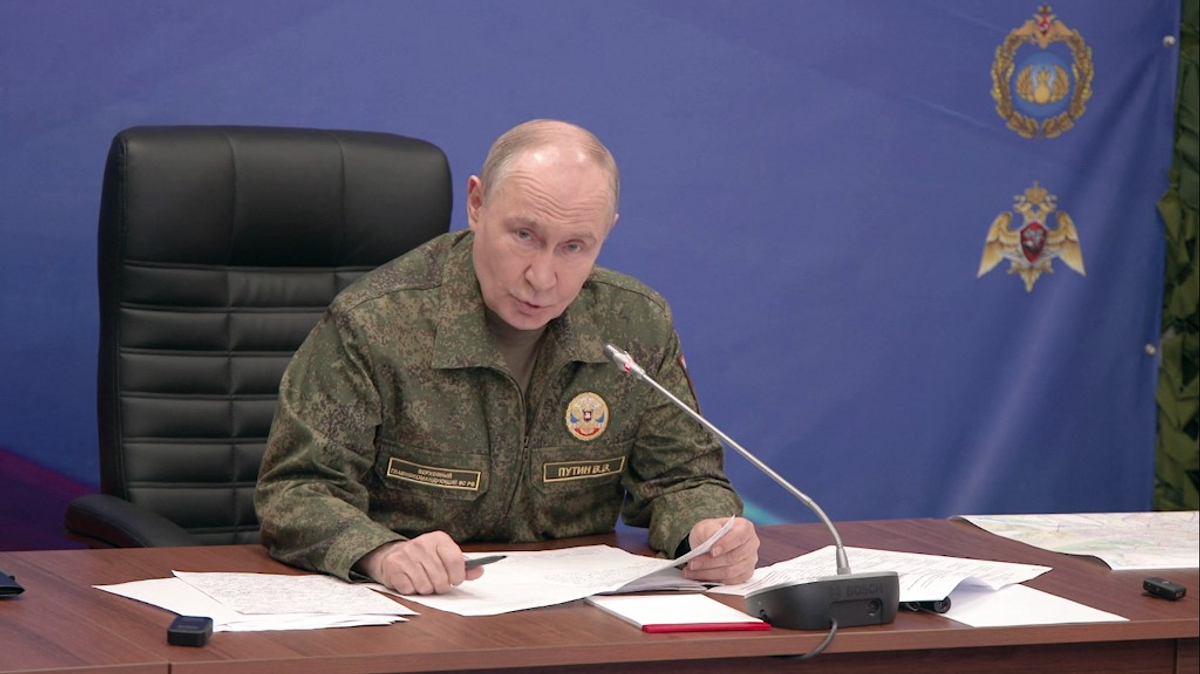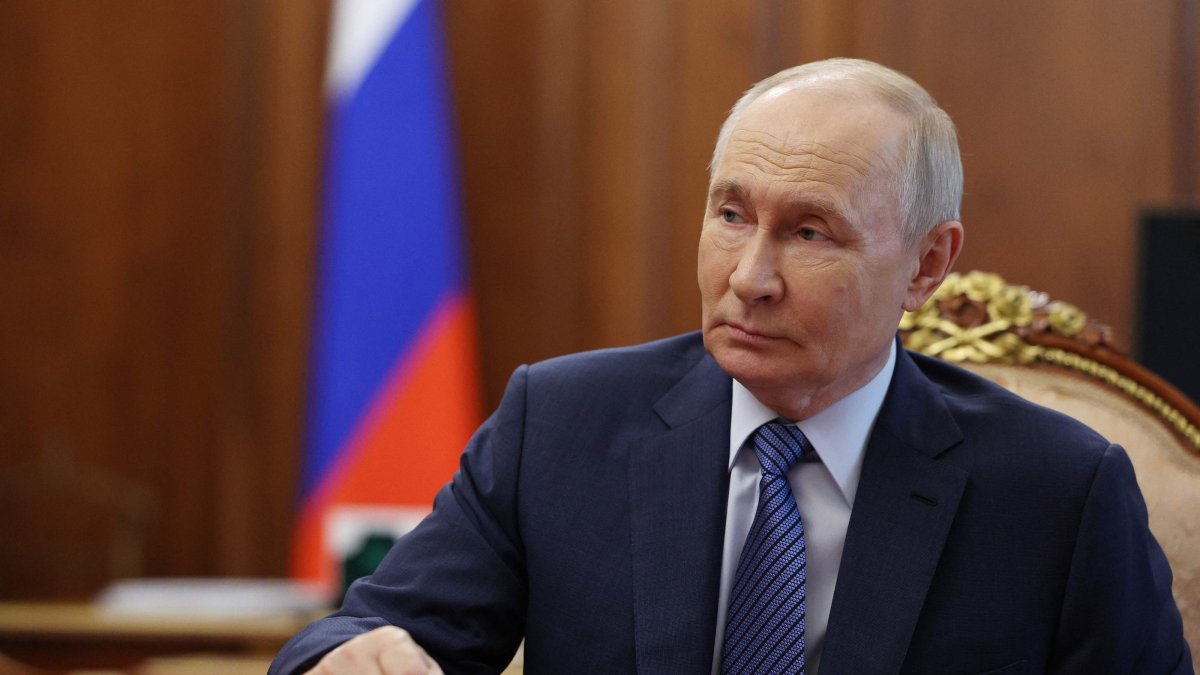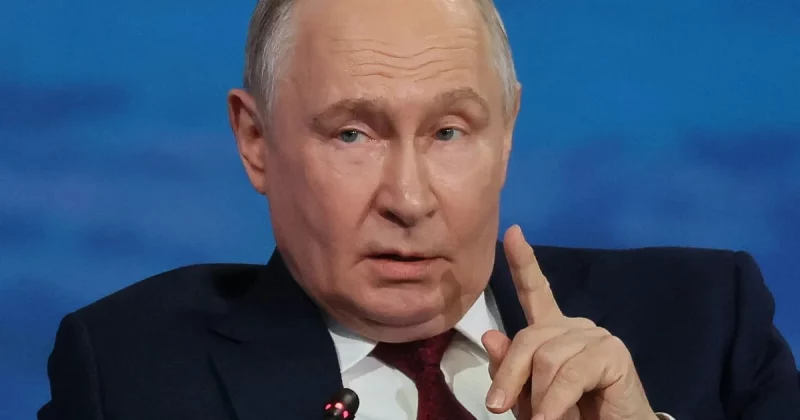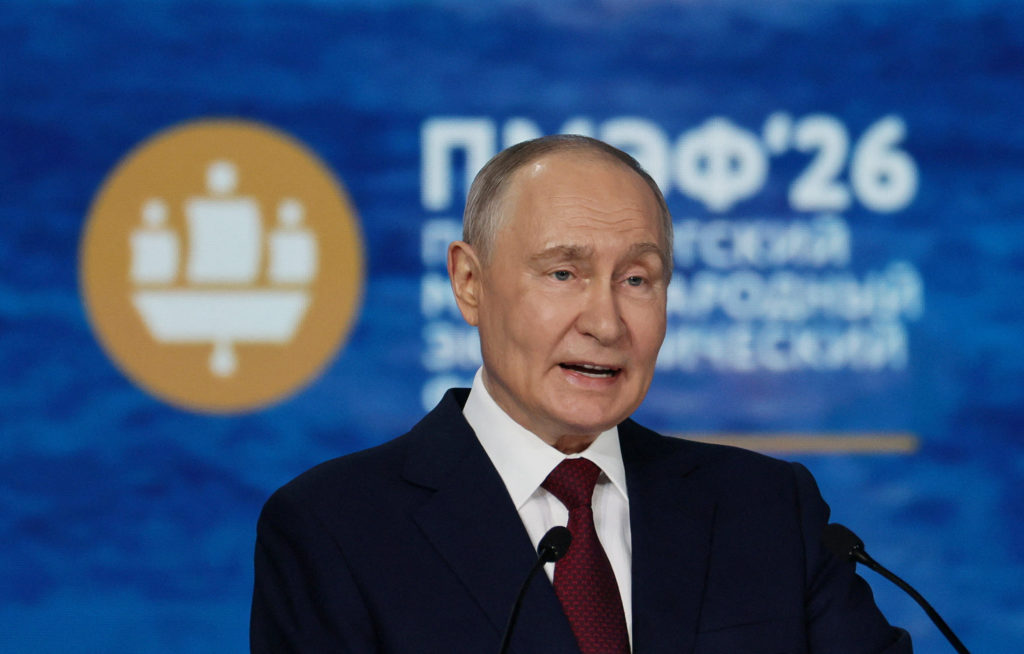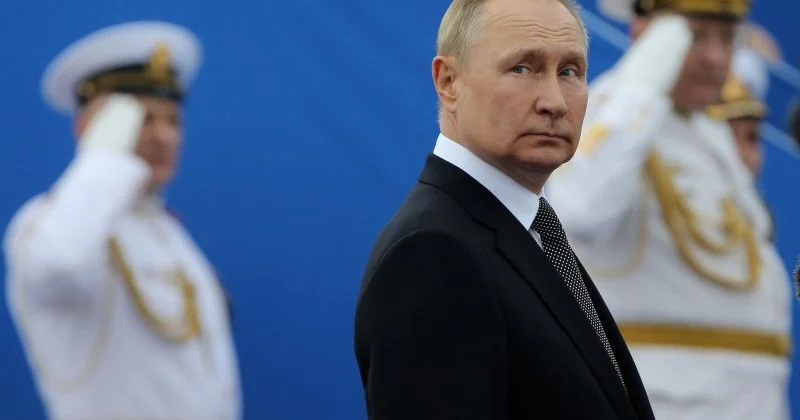
Vladimir Putin has shut the door on peace talks with Ukraine, telling audiences at the St. Petersburg International Economic Forum on June 5 that there is “no point” in meeting with Ukrainian President Volodymyr Zelenskyy. Ukrainian forces have escalated long-range strikes deep into Russian territory, reportedly triggering fuel shortages.
What Putin actually wants
Putin’s rejection isn’t new, but the framing has sharpened. At the St. Petersburg forum, he insisted that any future discussions must be rooted in the 2022 Istanbul agreements and the 2025 Anchorage modalities, two frameworks that broadly favor Russian positions. In English: he wants Ukraine to accept territorial concessions, commit to never joining NATO, and agree to terms negotiated when Russia held more leverage on the ground.
He reiterated these demands during a June 23 government meeting, explicitly dismissing the idea of unconditional ceasefires. Since March 2025, Zelenskyy has proposed multiple unconditional ceasefire arrangements. Moscow has rejected every single one.
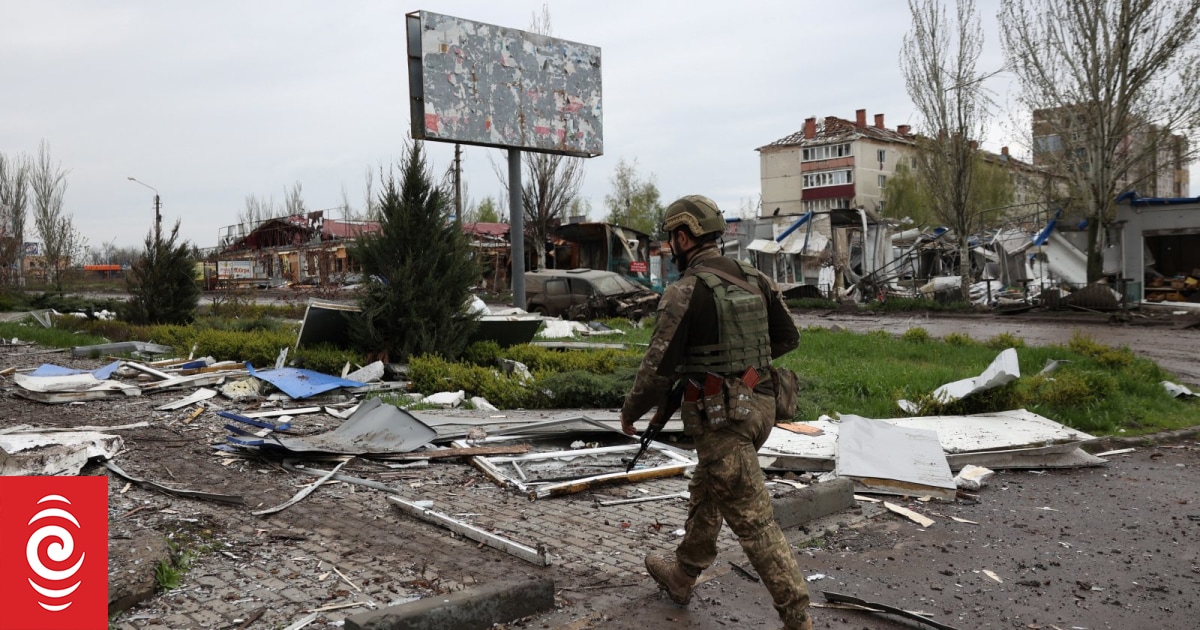
Meanwhile, Ukraine has been busy making its own statement. Long-range strikes have hit targets inside Russia, with reported impacts on fuel supply infrastructure. Putin has framed these attacks as evidence that Kyiv is trying to build negotiating leverage through force.