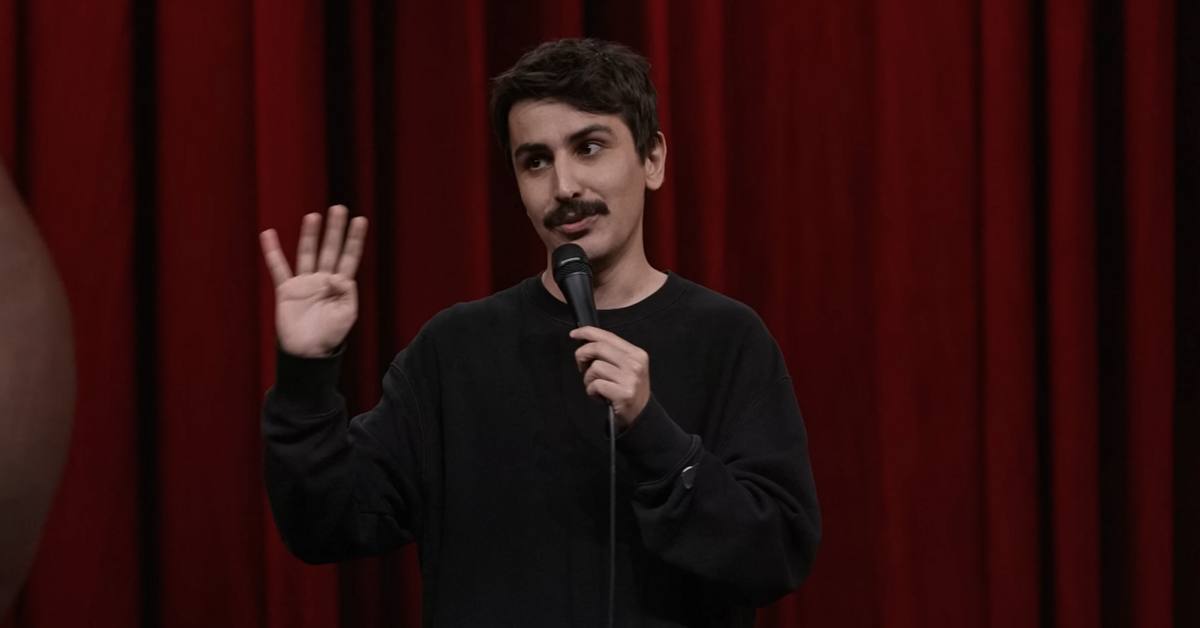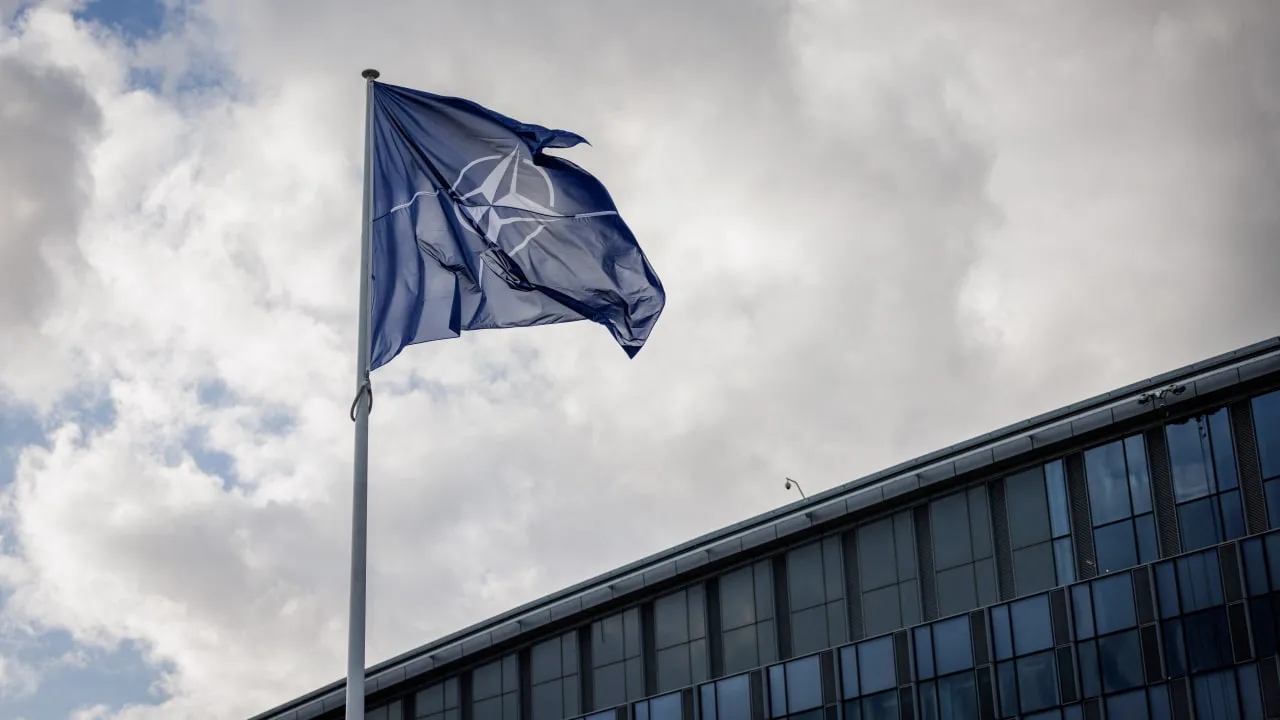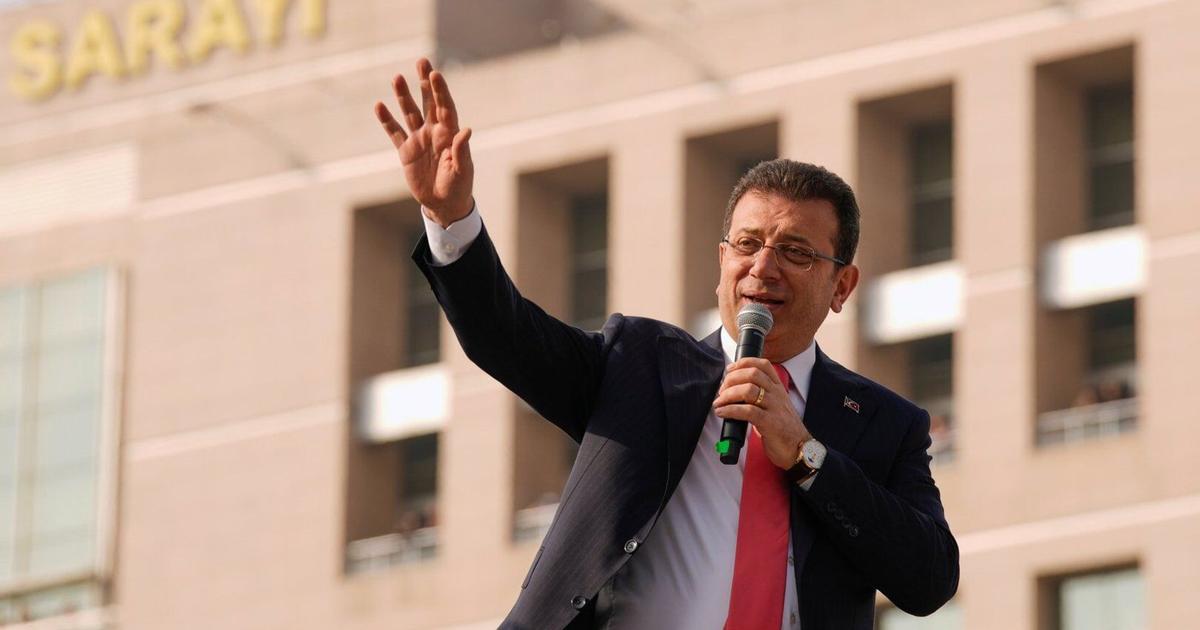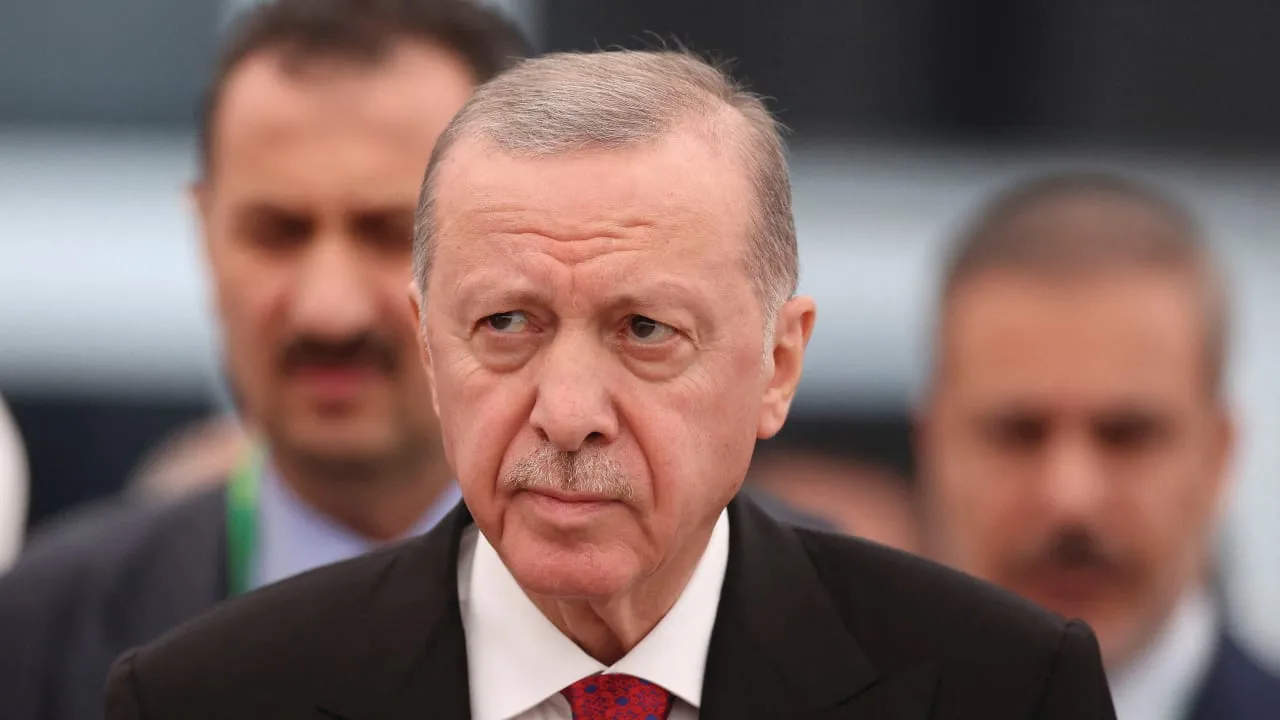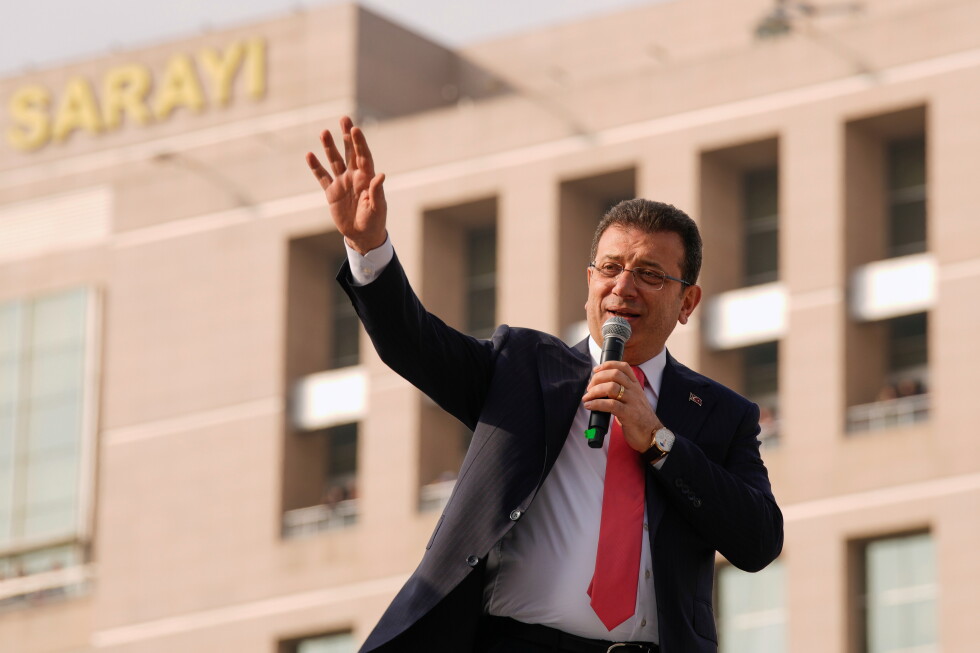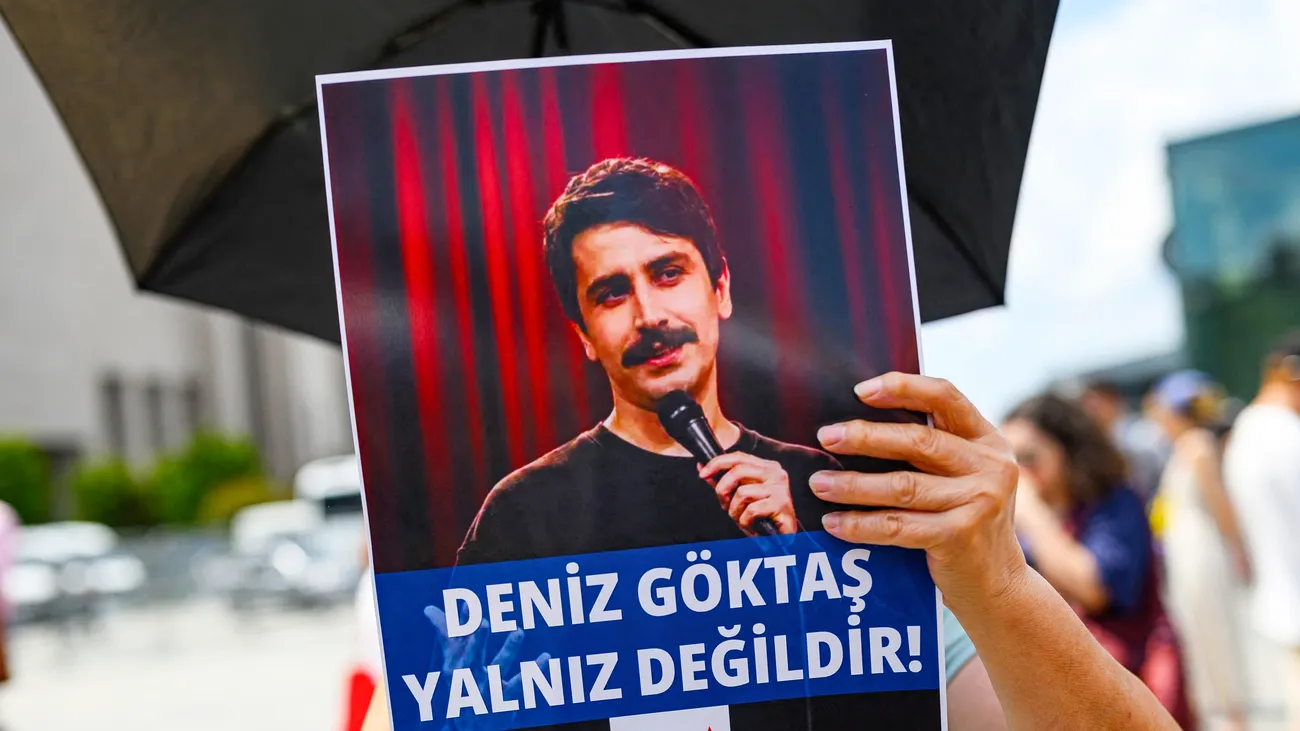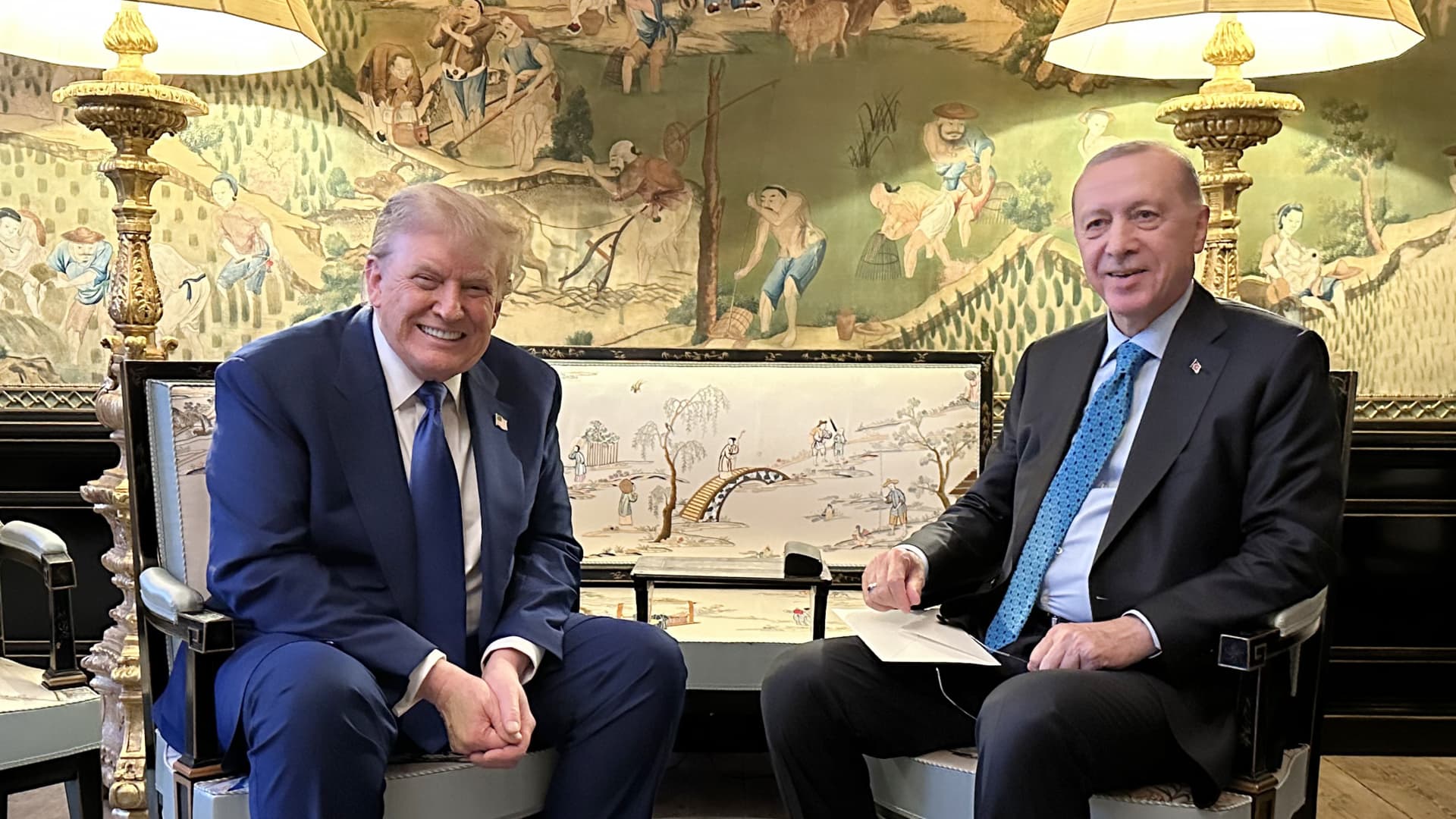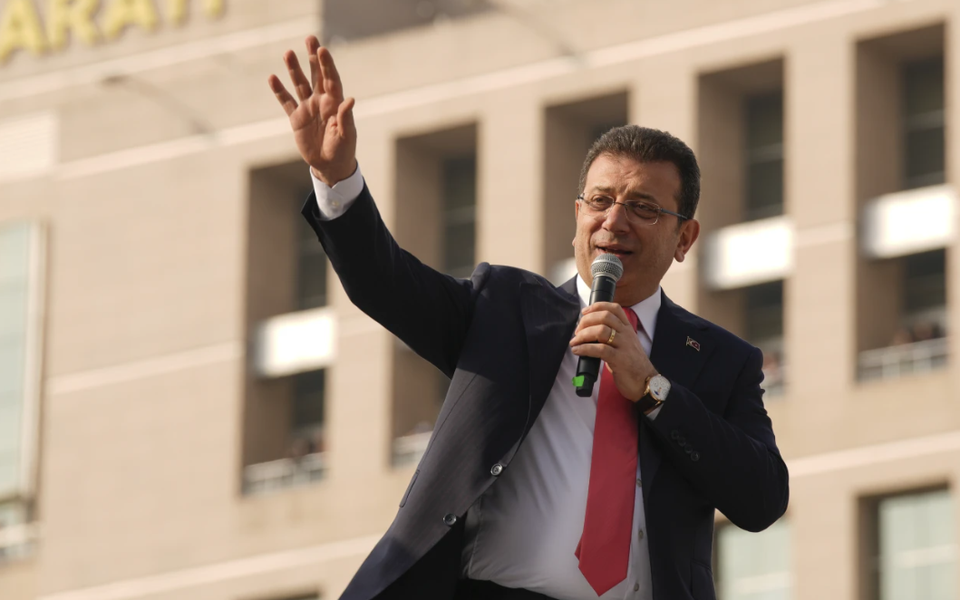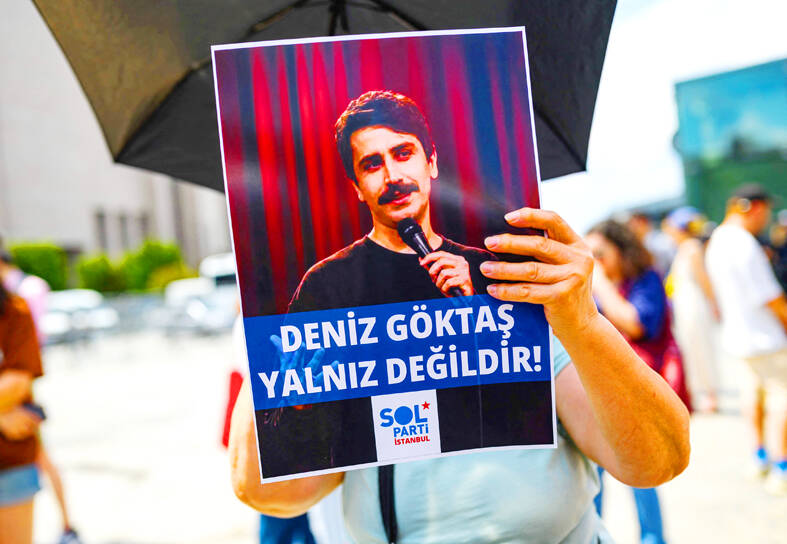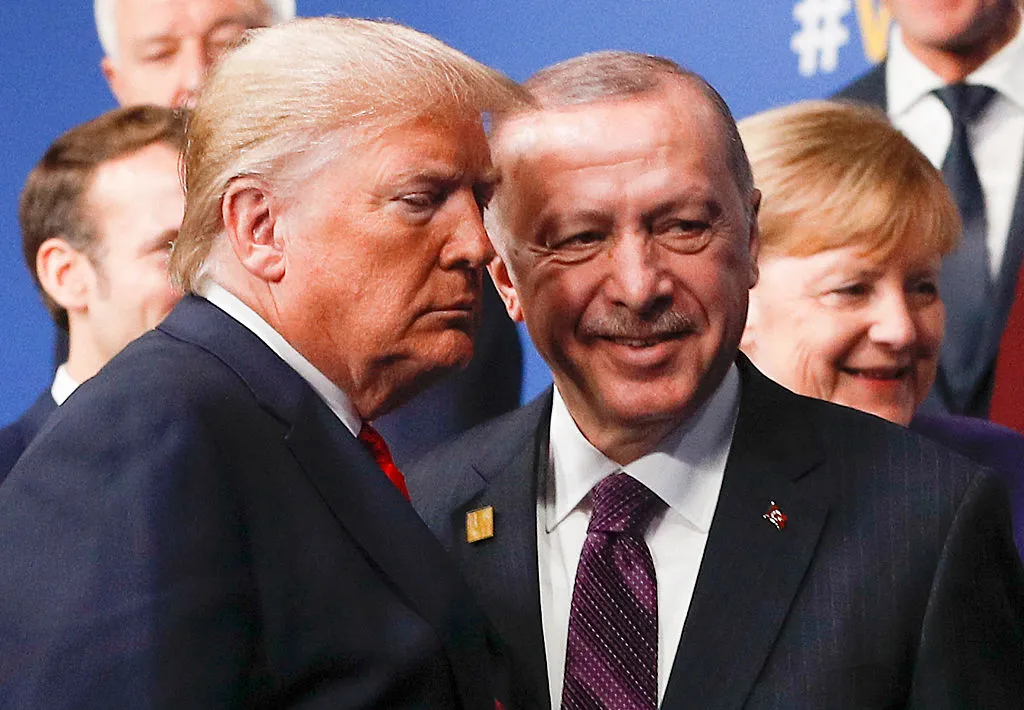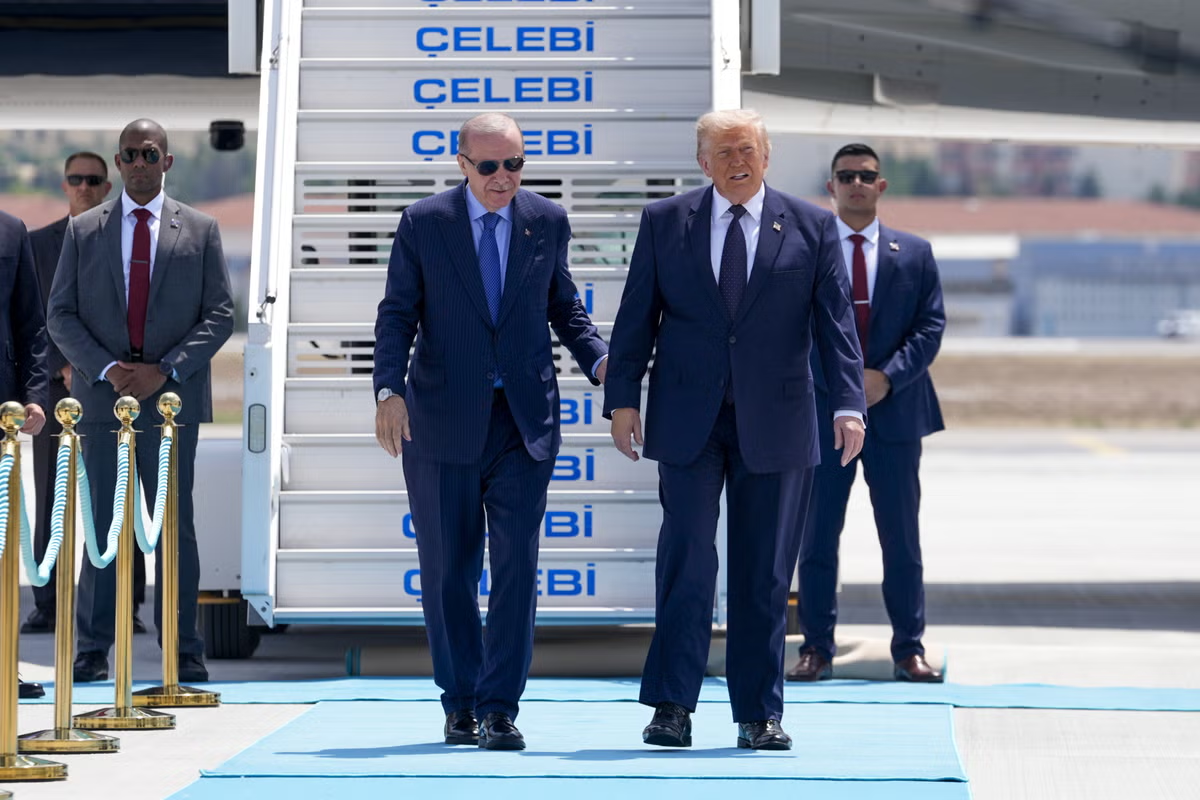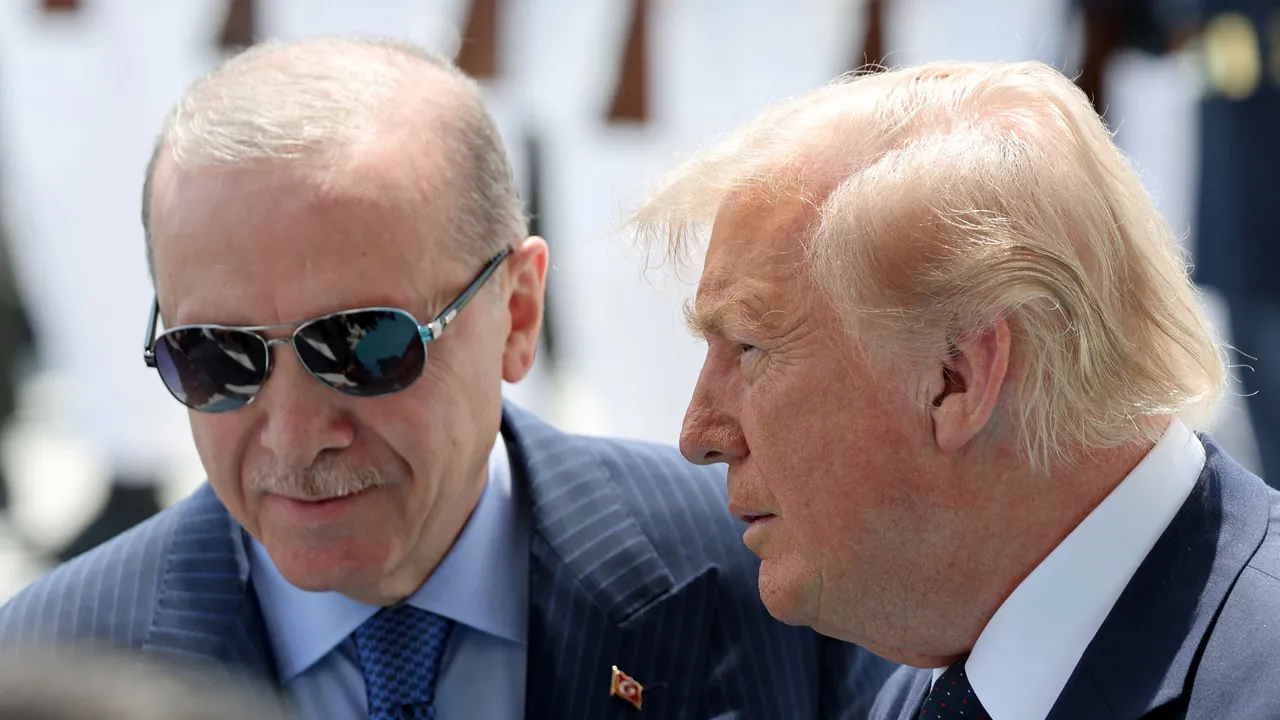
Just days before the leaders of more than thirty NATO nations arrived in Turkey, authorities there arrested a comedian for making jokes. Deniz Göktaş was detained last week at an Istanbul airport after returning from a trip abroad, and was later formally charged by a prosecutor for “insulting the President” and “inciting hatred and hostility” in a standup-comedy special released in June. During that performance, which has been watched on YouTube more than twelve million times, Göktaş, who is thirty-two, mused about the Turkish President, Recep Tayyip Erdoğan, seeking therapy and going from being a “shy dictator” to a “more-at-peace-with-himself dictator.” He also made a joke about the Quran. In court last Friday, Göktaş said that his characterization of Erdoğan was a matter of established political debate, and that he “had no intention of insulting or denigrating anyone” with his satire. If convicted, he could face a sentence of up to four years in prison.Göktaş was just one among hundreds of people swept up ahead of this week’s NATO summit in Ankara, the Turkish capital. In separate moves, Turkish authorities detained more than a hundred people participating in an anti-NATO demonstration organized by the country’s Communist Party, about a dozen environmental activists, two journalists, and a prominent L.G.B.T.Q.-rights activist. In some of these cases, officials invoked antiterror laws and security concerns. The crackdown is illustrative of an intensifying authoritarian consolidation under Erdoğan, who has been in power for more than two decades. Istanbul’s mayor, Ekrem İmamoğlu, a popular politician viewed as Erdoğan’s chief potential challenger, has spent nearly five hundred days in pretrial detention, facing charges on a number of cases ranging from corruption to espionage to the forging of a university diploma, all of which he denies, and which his supporters say are politically motivated.İmamoğlu’s party, the Republican People’s Party, or C.H.P., has seen dozens of its elected officials and members detained. In May, a Turkish court declared the C.H.P.’s internal election from three years ago null and void, ordering the removal of the Party’s leader, Özgür Özel, and of other top figures from their posts. Political scientists tend to classify Turkey’s system as an archetypal “electoral autocracy,” in which the opposition can engage in competitive races but pro-government media conglomerates and a pliant judiciary work against it. In recent years, though, Erdoğan has appeared bent on eliminating even the possibility of competition. The Turkish President “is seeking to create his own loyal opposition—one that may contest elections but can never threaten his power,” Özel wrote in a Financial Times op-ed this month. “He wants a political order in which voting survives while genuine competition disappears. Russia and Belarus stand as a warning of where this leads.”Little of this was in discussion as the NATO leaders convened in Ankara. In 2020, Jens Stoltenberg, the alliance’s then secretary-general, who is Norway’s current finance minister and its former Prime Minister, argued that NATO’s defining values were “freedom, democracy, and the rule of law”—all of which seem to be imperilled in Erdoğan’s Turkey. Yet, at a press conference on Monday, the current secretary-general, Mark Rutte, a former Prime Minister of the Netherlands, could only muster platitudes about the importance of democratic norms, and avoided directly criticizing Erdoğan’s governance. More pressing for the NATO chief was the collective goal of boosting European defense spending, rallying support for Ukraine, and appeasing President Donald Trump, whom he has spent many months wooing, at times in puzzling fashion, amid fears that the Administration would abandon NATO altogether. In an interview with Politico, Rutte praised Trump for cajoling European partners to do more when it came to their own defense; last year, most of the NATO allies agreed to Trump’s demand to increase military spending to five per cent of G.D.P. for each member nation by 2035. “I think what he is doing for NATO is great news,” Rutte said.Trump was less gracious on his arrival in the Turkish capital. He reiterated his desire for possession of Greenland, complaining about what he described as Denmark’s inadequate stewardship of the Arctic territory, and seeming to suggest that continued U.S. military deployments on the European mainland could be contingent on U.S. ownership of the island. He also bemoaned the lack of support from some European countries during the U.S.-Israeli campaign against Iran, with nations such as Spain stopping the United States from using bases on their soil for offensive operations. “Spain is a wasted cause,” Trump said on Wednesday, threatening to “cut off all trade” to the E.U. member state. Hovering in the air, too, was an awkward rift with the Italian Prime Minister, Giorgia Meloni, whom Trump fell out with over Italy’s opposition to the war. After renewed attacks in the Strait of Hormuz, Trump said he believed that the tenuous ceasefire with Iran was “over” and branded the regime’s leaders as “scum.” The NATO leaders, many of whom disagree with Trump’s military campaign, could only look on.The one leader Trump seemed to have time for was Erdoğan. The men have long shared a conspicuous rapport. On Tuesday, Trump said that, if the NATO summit had not been “held in Turkey, where my friend happens to be a very strong leader, a very strong person, it’s possible that I wouldn’t have attended.” He added that he would drop sanctions on the nation which have been in place since 2020, after Ankara bought air-defense systems from Russia, and that he would consider selling F-35 fighter jets to Turkey—a move that other allies, including Israel, oppose. “We have a better relationship with Turkey, and Turkey has been in many ways much more loyal than other countries that we think would be loyal,” he told reporters.Turkey joined NATO in 1952, and it’s fair to say that the country’s democracy has been troubled for most of three-quarters of a century since; it has experienced multiple military coups and interruptions of democratic rule. But Turkey was a frontline state in the Cold War, on multiple borders of the Soviet Union, and Western interests at that time prioritized its strategic membership within NATO. Erdoğan, who first took office in 2003, has spent the better part of a generation reconfiguring Turkey’s politics to suit his interests. If he appeared to be a liberal reformer in his first years in power, that image melted away after his rule was challenged by a wave of protests in 2013. Purges of the state bureaucracy and judiciary followed, while Erdogan whittled away at the Turkish republic’s secular foundations with his brand of religious nationalism.A failed coup attempt in 2016 accelerated Erdogan’s remaking of the nation. Following a controversial 2017 referendum, the parliamentary system was converted into a highly centralized Presidency, granting the office overwhelming control over economic and foreign policy, as well as most of the organs of state, including the judiciary, the intelligence services, and the military. The Presidential palace complex in Ankara, built under Erdoğan’s watch, is known as the Ak Saray, or White Palace; it’s more than thirty times the size of the White House and reflects the scale of Erdoğan’s authority. “They’re running the country in kind of the way that Trump seems to wish that he could run his country,” Selim Koru, an analyst at the Economic Policy Research Foundation, an Ankara-based think tank, told me. He added that, whatever visions of domination may motivate illiberal politicians in the West, they are all fully “blossoming” in Ankara.James Jeffrey, a former U.S. Ambassador to Turkey and the U.S. envoy to Syria during Trump’s first term, said that Trump “likes powerful guys who have a powerful army, which Erdoğan does have,” and pointed to the significant role that Turkey has played regarding Ukraine, closing the Black Sea to Russian naval reinforcements, while still maintaining relations with Moscow—a balancing role likely welcomed by Trump and those in his camp who are impatient with Kyiv. There’s no other NATO power that is, like the United States, “a major player in both Ukrainian and European security as well as Middle East security,” Jeffrey told me. Before the summit, the Trump Administration already seemed eager for Turkey to assume a position of geopolitical leadership. In an interview with Fox News, Tom Barrack, the current U.S. Ambassador to Turkey, noted “how strong, centralized leadership under President Recep Tayyip Erdoğan has delivered stability, economic dynamism, and assertive regional influence.” This week, Turkish officials championed a constellation of Turkish arms companies, including firms that have made the nation a powerhouse manufacturer of drones, as key to the revival of NATO’s defense-industrial base. “Undoubtedly, our country’s greatest success lies in the breakthrough we have achieved in the defense industry,” Erdoğan said on Wednesday.The value of this hard power has obscured the plight of silenced comedians and sidelined politicians. Aslı Aydıntaşbaş, an expert on Turkey and a fellow at the Brookings Institution, told me, “In this moment of polycrisis around the world, democracy and human rights are no longer the core argument for the West. Geopolitical emergency is, rearmament is.” But, while Trump’s affinity for a strongman may no longer surprise anyone, the perceived acquiescence to Erdoğan on the part of Western liberal democrats has been more concerning. “The next time a member of Congress, a Canadian official, or a European leader wags a finger about human rights violations, let’s not take them too seriously. They don’t mean it,” Steven Cook, a fellow at the Council on Foreign Relations, wrote in a piece for Foreign Policy.“Geography is everything,” Jeffrey, the former Ambassador, told me. “Erdoğan is playing fast and loose with the rules of democracy and freedom of opinion and a liberal balance of power,” he acknowledged. “But that’s been a game that I’ve seen many Turkish leaders play. Erdoğan has only been playing it harder and more problematically.” None of that is a problem for Trump. “You never know why a relationship is special,” the President told reporters as he sat across from Erdoğan in Ankara. “Sometimes you get along with the toughest people, like him, and sometimes you don’t get along with the weakest, most pathetic people.” ♦
Trump and NATO Court Erdoğan, Turkey’s Strongman
During a NATO summit in Ankara, Turkey’s leadership appeared more concerned about Western geopolitical power than about Western democratic values.
1,675 words~8 min read