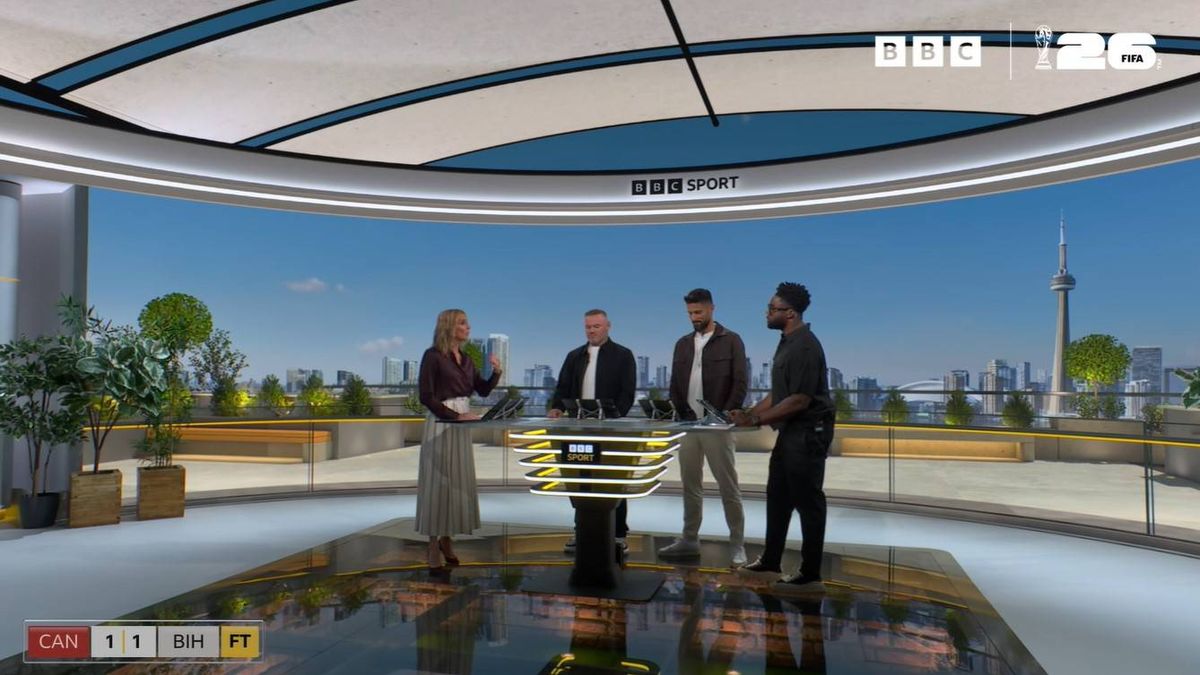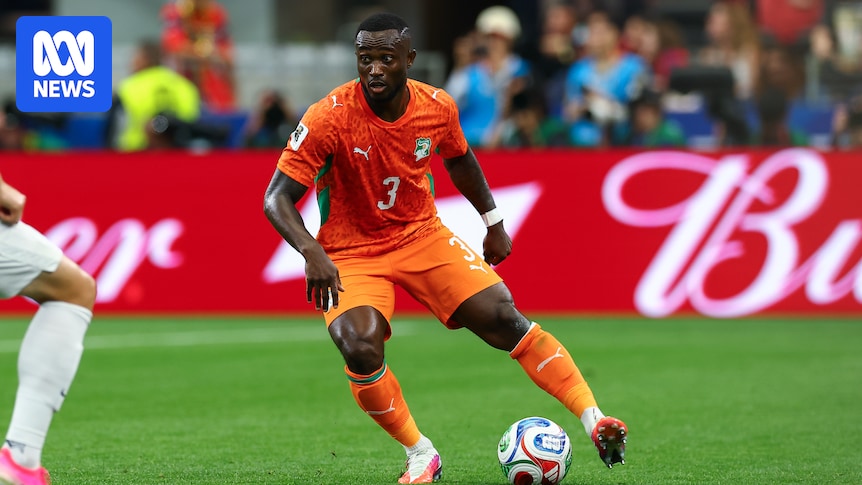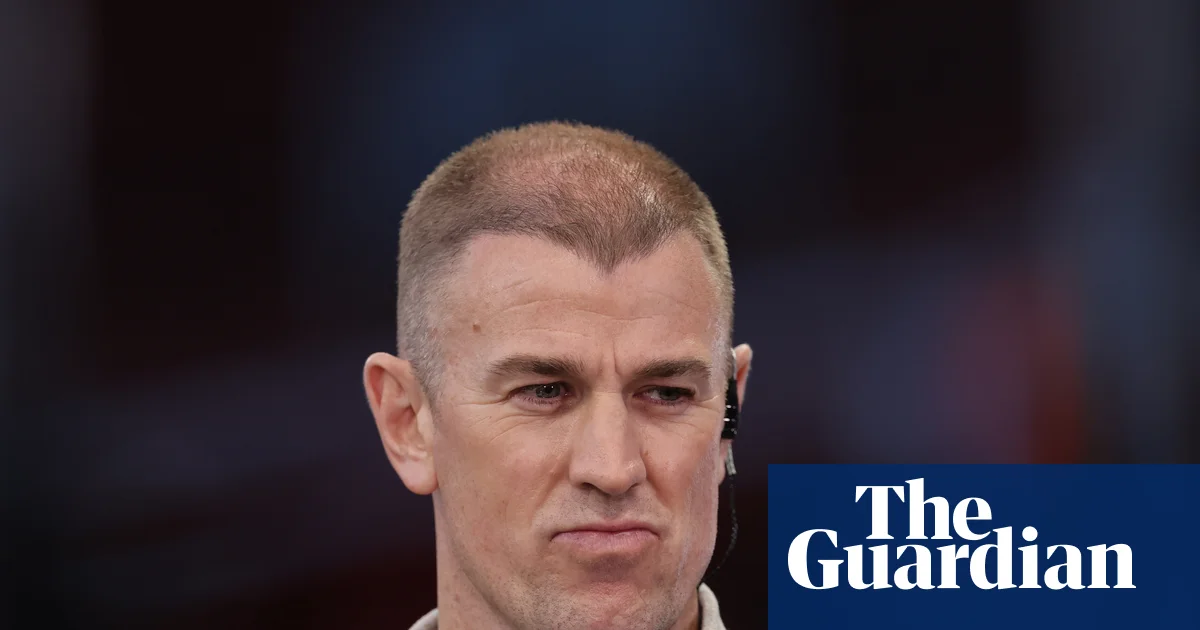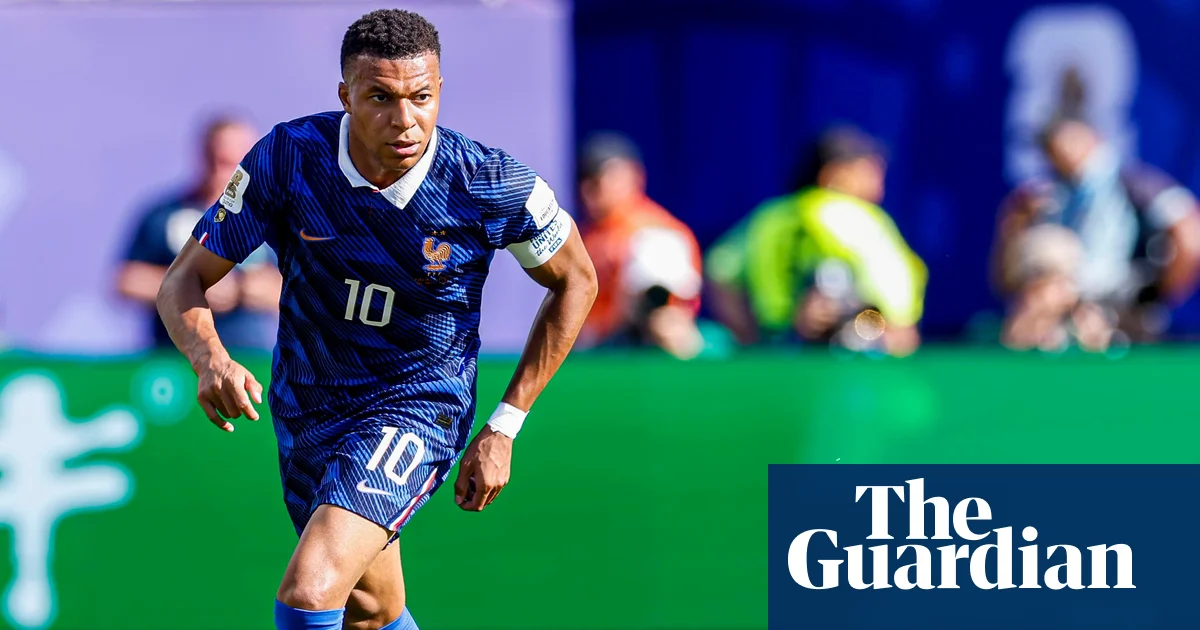
The countdown has finished, the cameras are rolling, microphones are live and millions have tuned in — now watch what you say.Players on the pitch are under intense pressure at the World Cup, but it is also a test for the TV presenters, pundits and commentators who must choose their words more carefully than ever during live broadcasts watched by huge audiences.Under scrutiny from social-media users, they also walk a tightrope in an increasingly politicised world when the spheres of global affairs and sport constantly intersect.At their best, they can provide insight, context and levity to the action on the pitch during live games.But they can also become the story, and not in a positive way — like former Germany and Bayern Munich midfielder Bastian Schweinsteiger, who described African football as “wild”, “unorthodox” and “perhaps not tactically driven” during a TV appearance.Get free access to the most comprehensive World Cup coverage in The Athletic appThe 41-year-old, who made the comments on German broadcaster ARD’s coverage before Germany beat Ivory Coast 2-1 in their second group-stage match, was widely criticised.He responded in a statement insisting he “was talking about football, not about people”, and that his words were “a football analysis. No more and no less. There’s no way I wanted to offend someone”.So how do the professionals in front of and behind the cameras prepare to avoid unwanted controversy or serious consequences from ill-thought words?There is often a clear strategy.UK broadcaster the BBC had to be careful in its coverage of the pre-match handshake between England and Ghana players prior to their Group L match last Tuesday.The question was how the English team would react when they encountered Ghana midfielder Thomas Partey, who, until last summer, played for Premier League club Arsenal alongside opponents-on-the-day Declan Rice and Bukayo Saka, and who, shortly after leaving the London side last summer, was charged with rape and sexual assault?As it turned out, everyone shook hands with Partey — except defender Djed Spence, of Arsenal’s big local rivals Tottenham Hotspur, who appeared to snub him as he walked past.Partey was charged with five counts of rape and one of sexual assault in July 2025, and two further counts of rape this February. He denies any wrongdoing and has pleaded not guilty to all charges before his trial in London, which is expected to take place next year.His lawyer, Jenny Wiltshire of Hickman and Rose, has said in a statement that her client welcomes “the opportunity to finally clear his name”.At half-time, BBC presenter Gabby Logan explained the reports that Spence had not shaken hands with Partey, and the background that the Ghanaian had been refused entry to Canada for their opening group match in Toronto against Panama, the charges against him, and that he denied them.On X, some users applauded her for addressing the allegations. Others questioned why she raised the issue at all.Partey and former Arsenal team-mate Declan Rice hug after Ghana’s draw with England (Martin Rickett/PA Images via Getty Images)The reality was that producers had agreed the issue needed to be acknowledged, and worked on a clear and legally safe way to do it without falling foul of British laws around prejudicing ongoing criminal proceedings.“You normally have a production meeting beforehand with the presenter and the pundits when you talk about the running order and topics of discussion, perhaps allocating who will speak about which topics,” explains Emma Paton, a presenter on UK digital broadcaster Sky Sports and the new host of The Athletic FC Podcast.“If there are any topics that have ongoing legal proceedings or other health warnings, we’d discuss that then, and make sure everyone is aware and can be mindful of them.“In an instance when there’s a big ongoing legal case, you’d get clear instruction on what you can say, and that will be from the executive-producer level. I’d have thought the BBC presenter will have been given the precise wording to read when the coverage addressed the Thomas Partey situation.“Of course, it’s also emphasised for pundits that those topics aren’t for discussion beyond the statement approved by the lawyers.”
Pundit and commentator pitfalls – and how they try to explain controversial topics on air
Pundits are under increasing scrutiny over what they say about topics beyond football, Greg O'Keeffe asks how they avoid problems.
2,126 words~10 min read