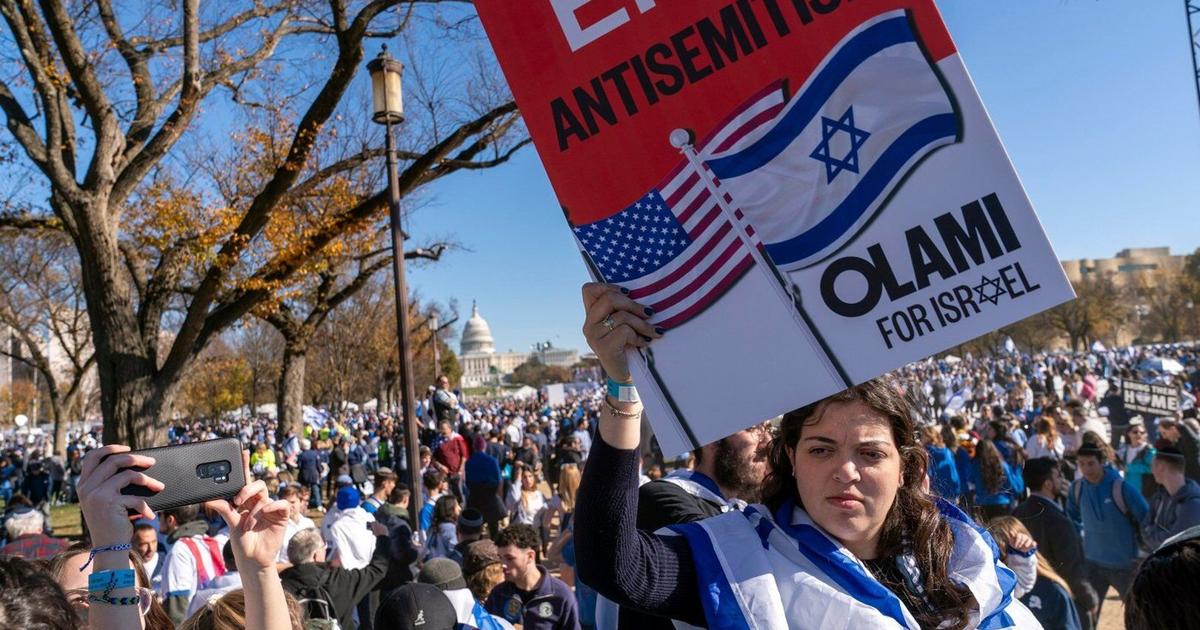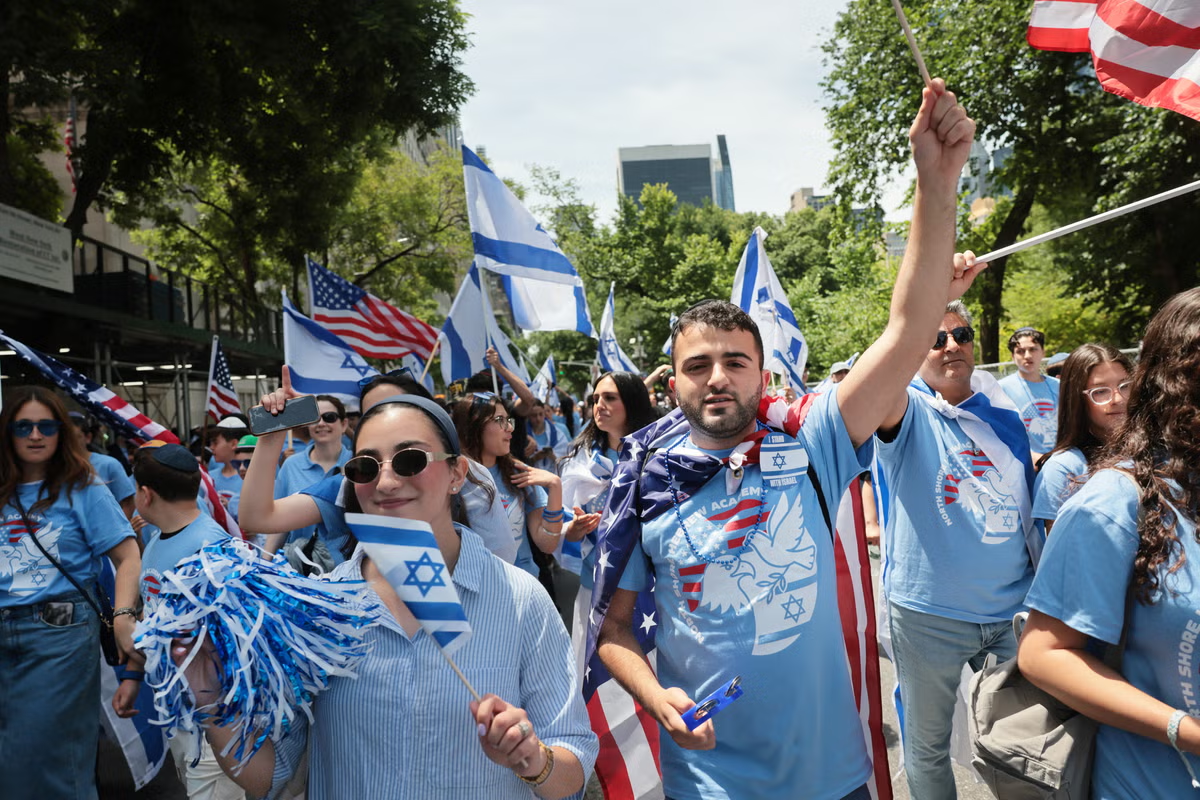
NEW YORK (AP) — Yahm Levin is a diehard Democrat who lives in one of the nation’s most liberal cities. And yet the 39-year-old Jewish woman from Los Angeles is sometimes afraid to use her first or last name when meeting people — even those who share her progressive politics.Levin has learned from recent experience that being identified as a Jew, especially one who lived in Israel, can trigger uncomfortable questions from fellow Democrats. Or worse. So, she introduces herself by her middle name, Shelly, which she said feels safer.“I don’t really feel comfortable in leftist circles anymore,” said Levin, a former librarian. “I just want to be a Jewish American who has a connection to Israel. But I feel like I can’t do that. And it’s very frustrating. And sometimes a little scary.”Nearly three years after the war in Gaza began with Hamas’ attack on Oct. 7, 2023, intensifying criticism of Israel within the Democratic Party has left Levin feeling “politically homeless.” A new poll from The Associated Press-NORC Center for Public Affairs Research finds that most Jewish adults don’t feel well represented by political leaders at a troubling moment for many in their community. Most Jewish Americans, 63%, say prejudice against Jewish people is an “extremely” or “very” serious problem in the U.S. At the same time, few believe that either party is doing a good job supporting Jewish people in the United States.
Most American Jews don't feel supported by either party or President Trump, new AP-NORC poll finds
A new AP-NORC poll finds that most Jewish adults in the U.S. don’t feel well represented by political leaders at a troubling moment for many in their community.
1,458 words~7 min read