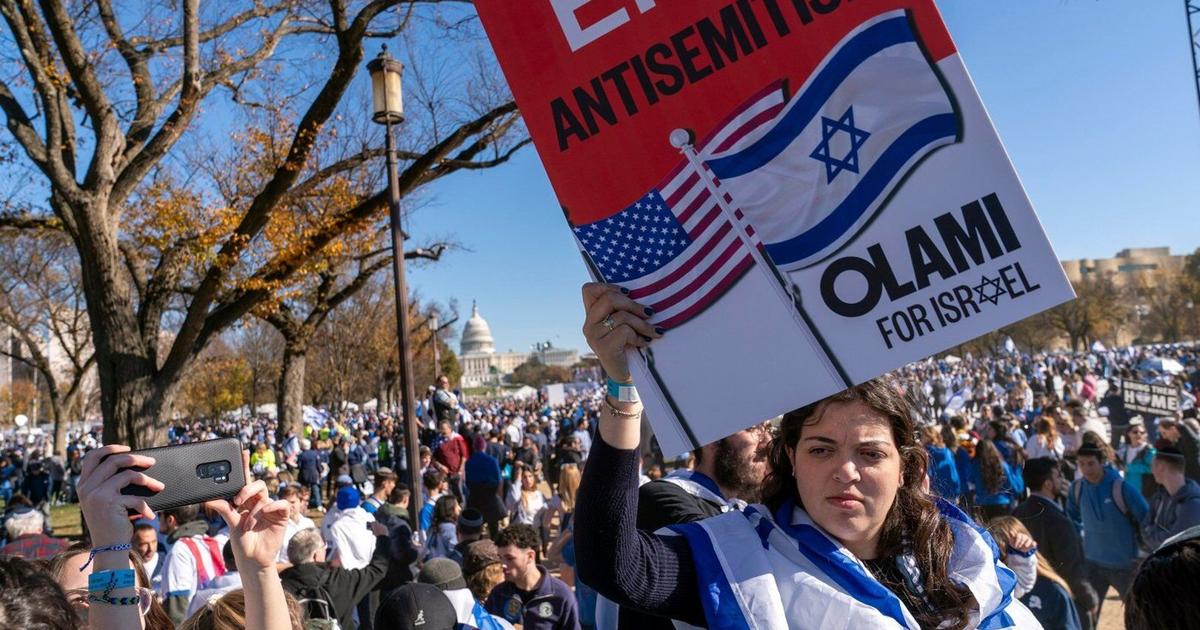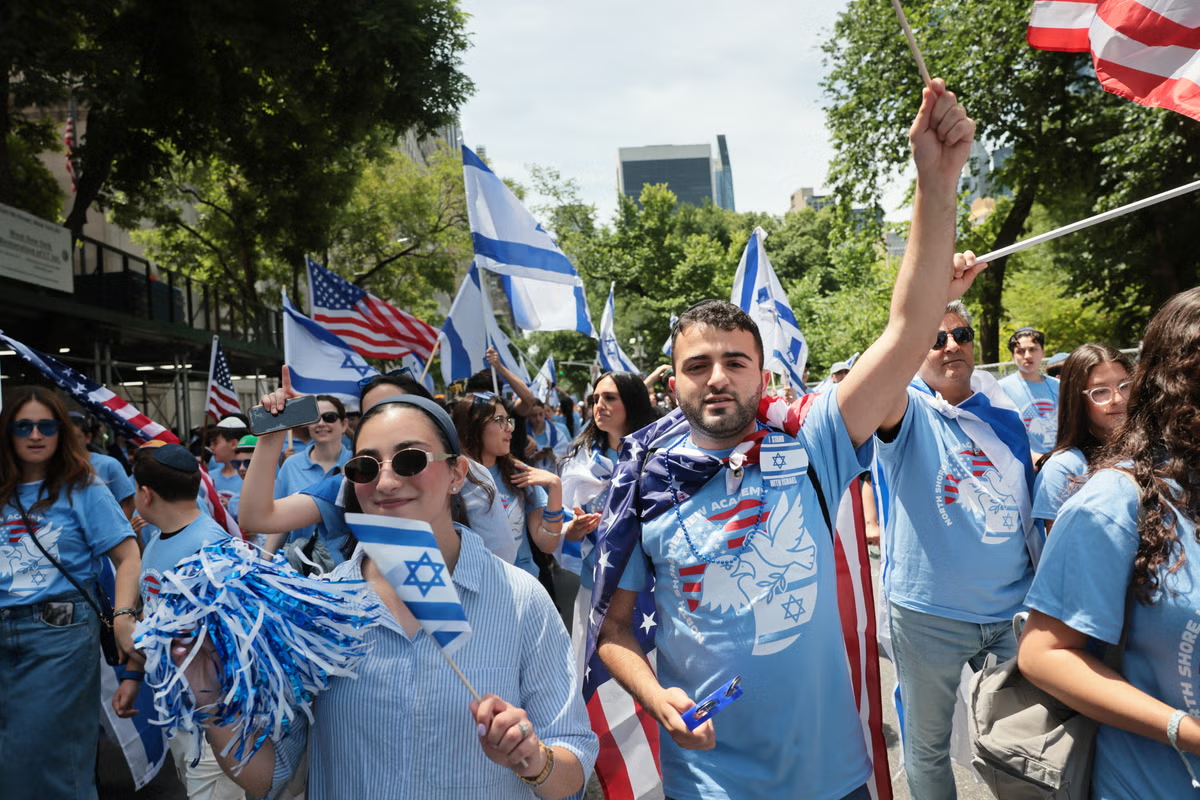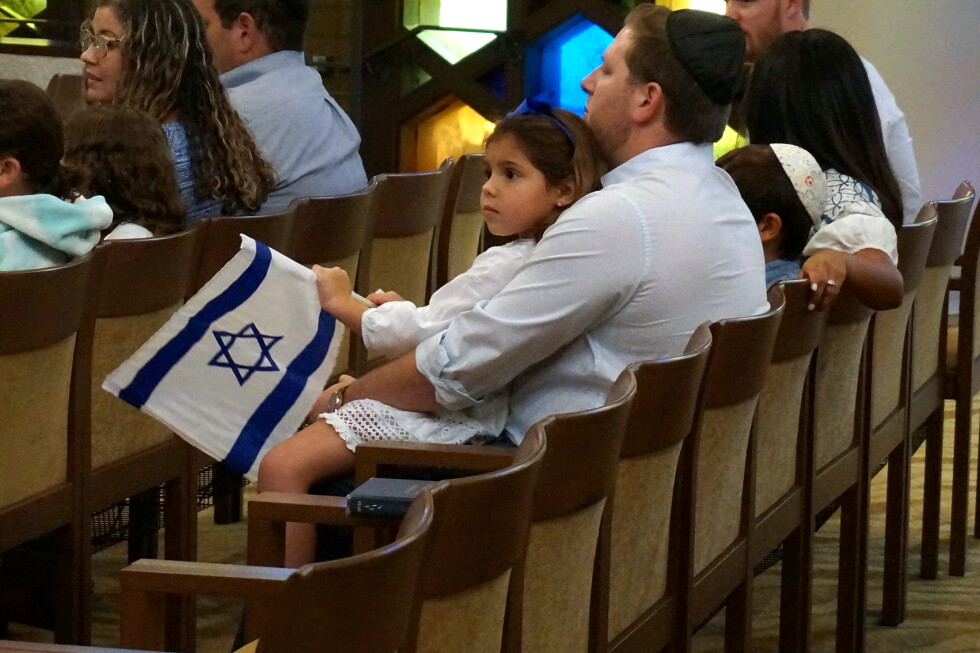
Support for Israel is a key component of the religious identity of many Jewish adults ages 45 and older in the United States, but younger Jewish adults are more likely to prioritize other forms of connection, like celebrating Jewish holidays, according to a new AP-NORC poll.That suggests the generational divide on Israel’s actions since the Hamas-led Oct. 7, 2023, attack that triggered the war in Gaza extends beyond politics to religious identity.“I pray for people in the land of Israel. I don’t need to pray for the state,” said Cameron Bernstein, a 27-year-old medical student in New Orleans. She was raised with strong ties to Israel, where she celebrated her bat mitzvah, but said that now “it doesn’t play a role in my life, more than another country with people I love.”The survey of 1,022 Jewish adults from The Associated Press-NORC Center for Public Affairs Research shows that this split on support for Israel is particularly apparent among adults like her who identify as religiously Jewish. Jewish adults who are religiously unaffiliated but identify as Jewish in other ways tend to have less of an emotional connection to Israel in general.Among the religiously Jewish adults — who make up 68% of Jewish adults overall — about 6 in 10 say that being Jewish is “extremely” or “very” important in their life, regardless of their age.
Support for Israel is less important for younger Jewish Americans, AP-NORC poll finds
A new AP-NORC poll finds that support for Israel is a key component of the religious identity of many Jewish adults ages 45 and older in the United States, but younger Jewish adults are more likely to prioritize other forms of connection, like celebrating Jewish holidays.
817 words~4 min read