Getty Images; Tyler Le/BI
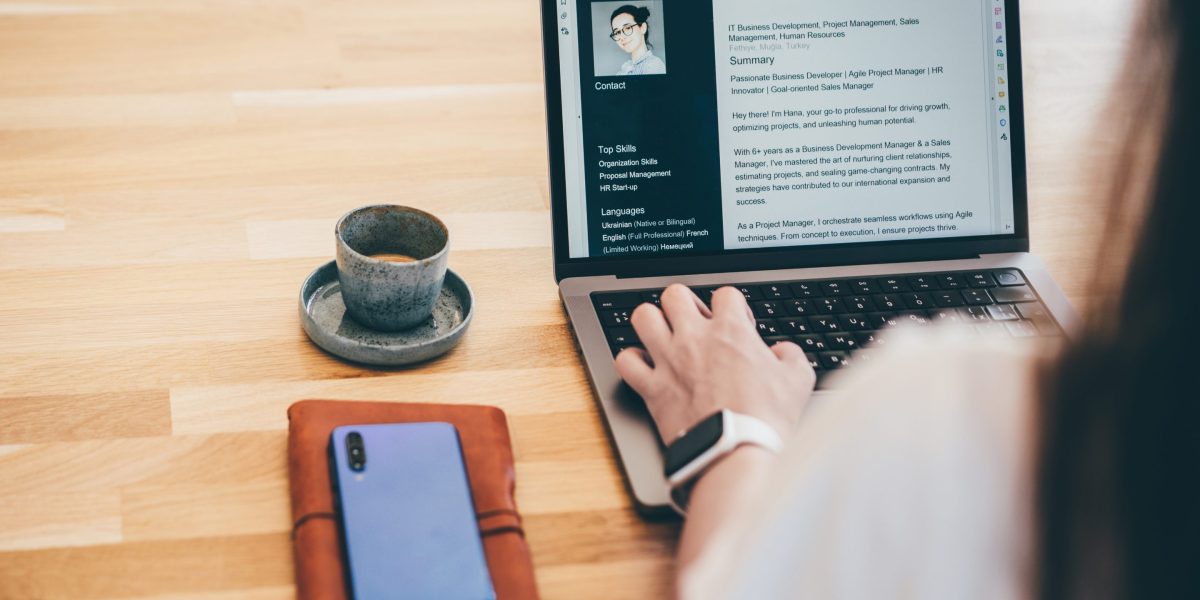
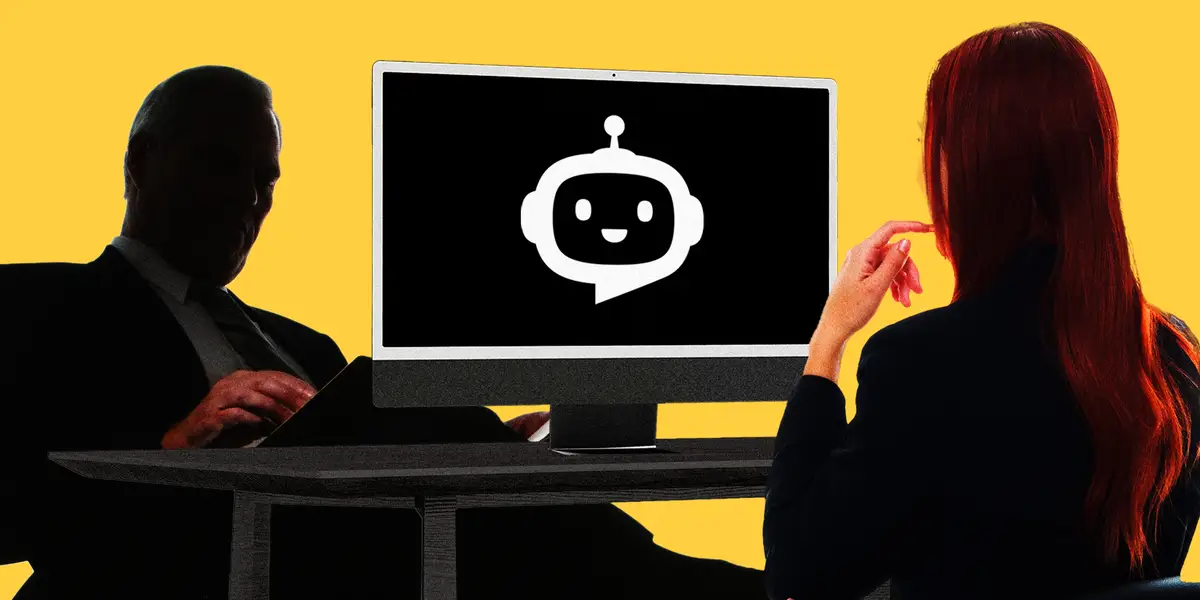
When Bijo Thomas logged onto his computer for a job interview this spring, an AI chatbot named Sophie appeared on the screen.Thomas, a 45-year-old tech professional from Austin, said Sophie resembled a real businesswoman from the neck up, with brown hair pulled back and a white top. She smiled, gestured, and asked follow-up questions during the 30-minute conversation."It was very realistic," said Thomas, who got the job — a senior AI solutions architect role at Experis, part of staffing giant ManpowerGroup — after two more interviews, both with humans. He started in May.Employers have long used technology to help sort through large stacks of résumés. Now, some are going a step further by deploying AI chatbots to conduct early-stage job interviews.This strategy, initially used mainly for high-volume, hourly hiring in industries such as retail and manufacturing, is gaining traction for full-time, white-collar roles below the director level. Experis, crypto platform Coinbase, automation software company Zapier, and others have quietly adopted it.Whether these recruiting chatbots reduce human bias or alienate candidates is already a subject of debate — and at least partly why few employers have touted their reliance on the tech."The interview process is arguably the most human part of recruiting," said Kyle Lagunas, an HR tech industry analyst. Employers, he added, may be "concerned about optics."