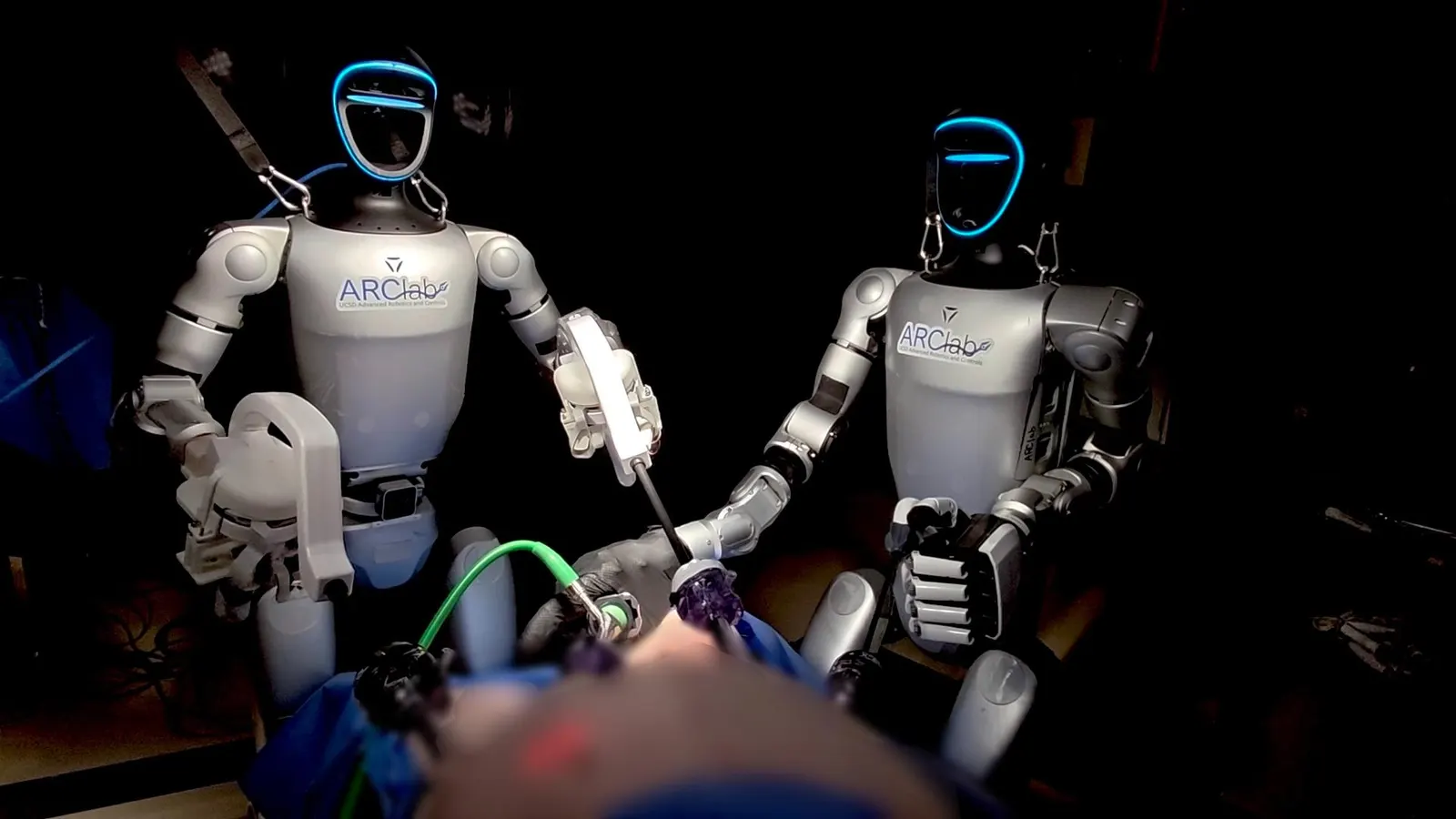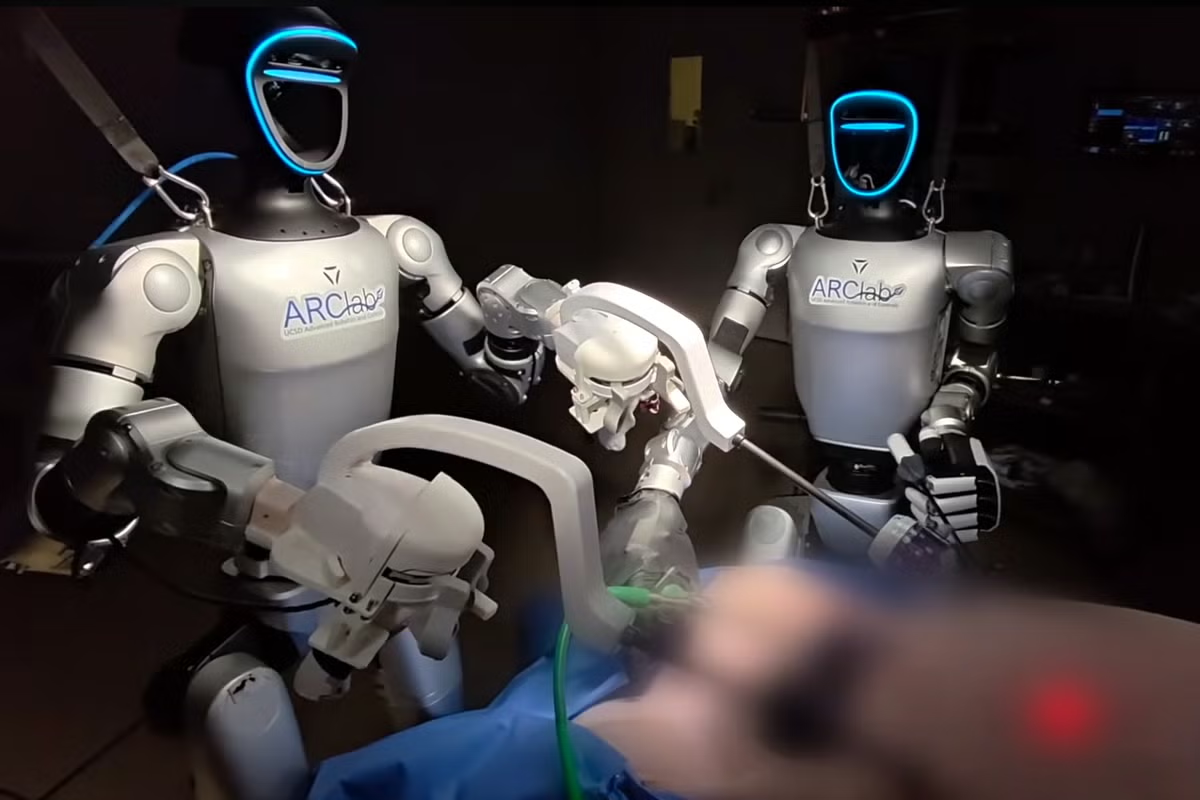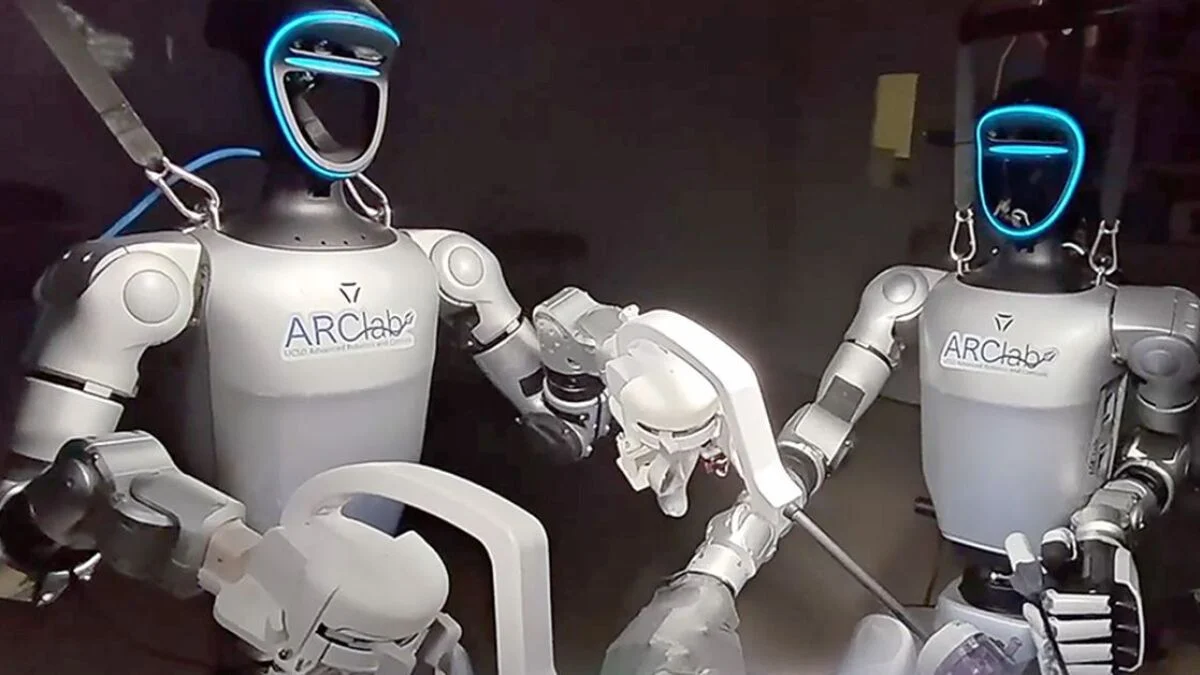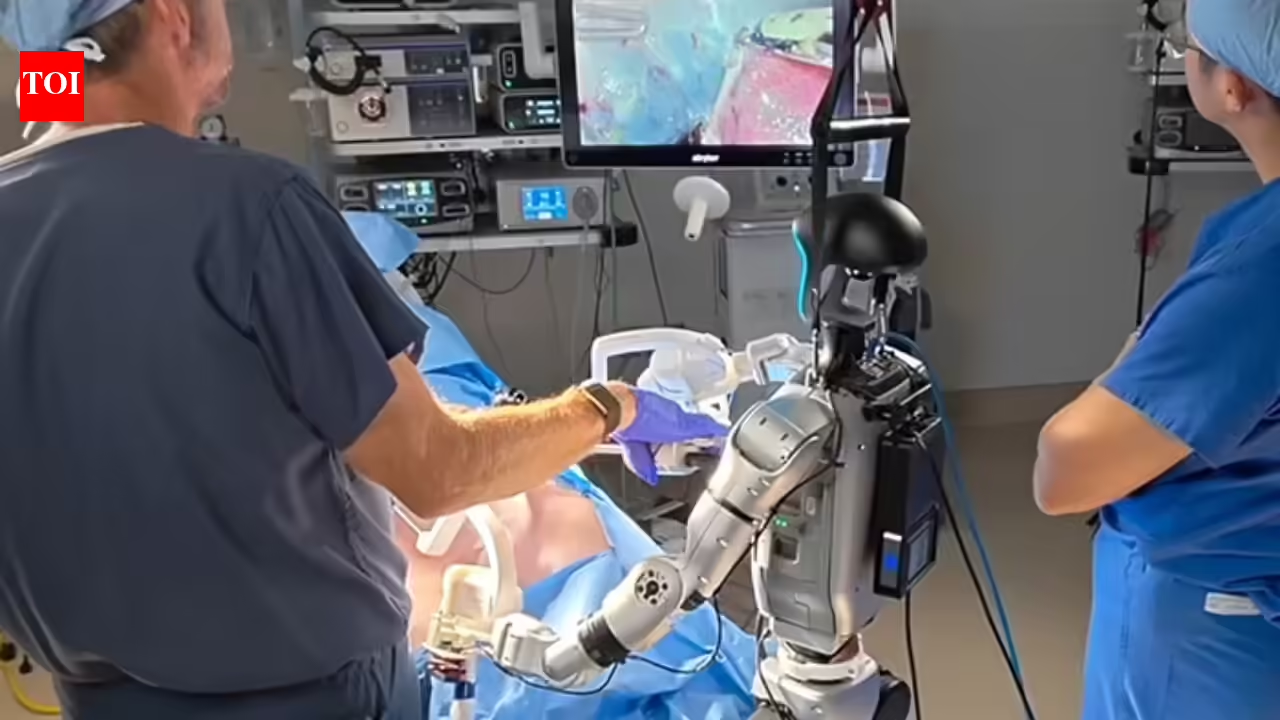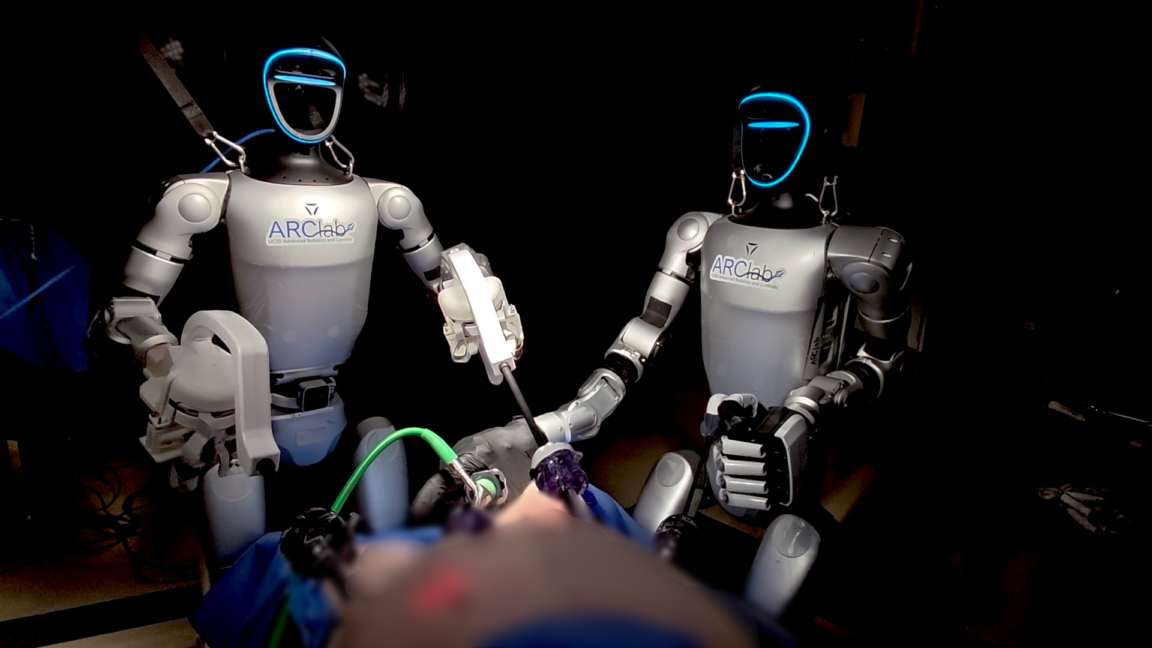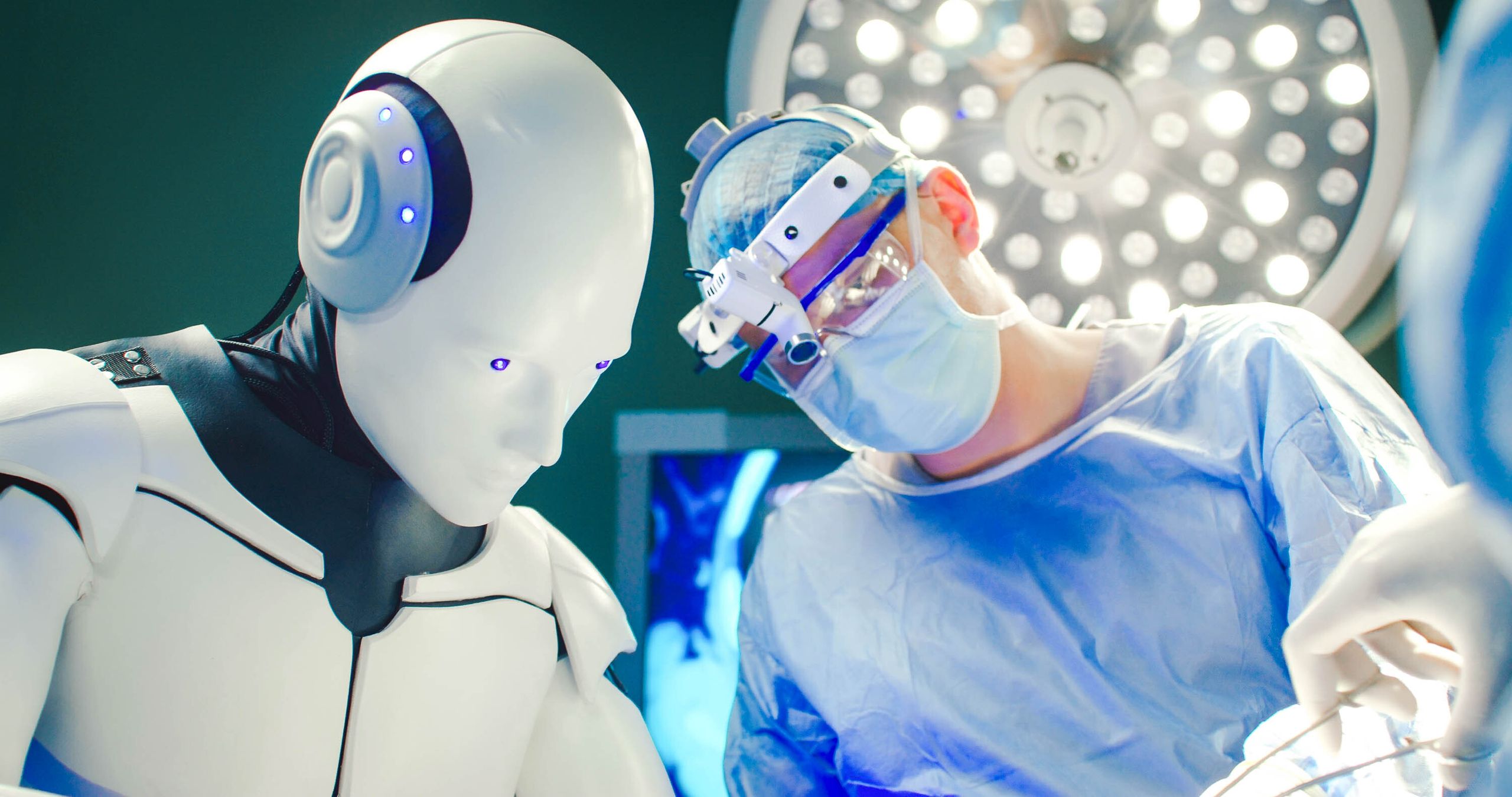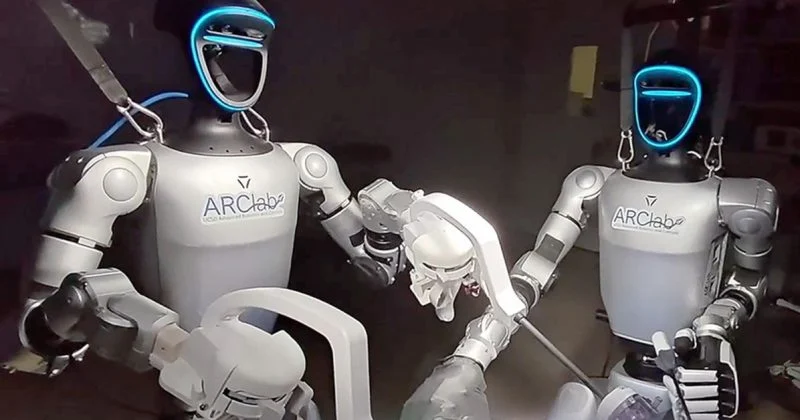
A humanoid robot just helped remove a gallbladder from a living patient.
Researchers at the University of California San Diego successfully used teleoperated humanoid robots to assist in live surgical procedures for the first time in documented history. The trials, conducted in early July 2026 at UCSD’s Advanced Robotics and Controls Lab (ARCLab), involved seven different medical procedures ranging from general examinations to complex operations like gallbladder removal.
What actually happened in the operating room
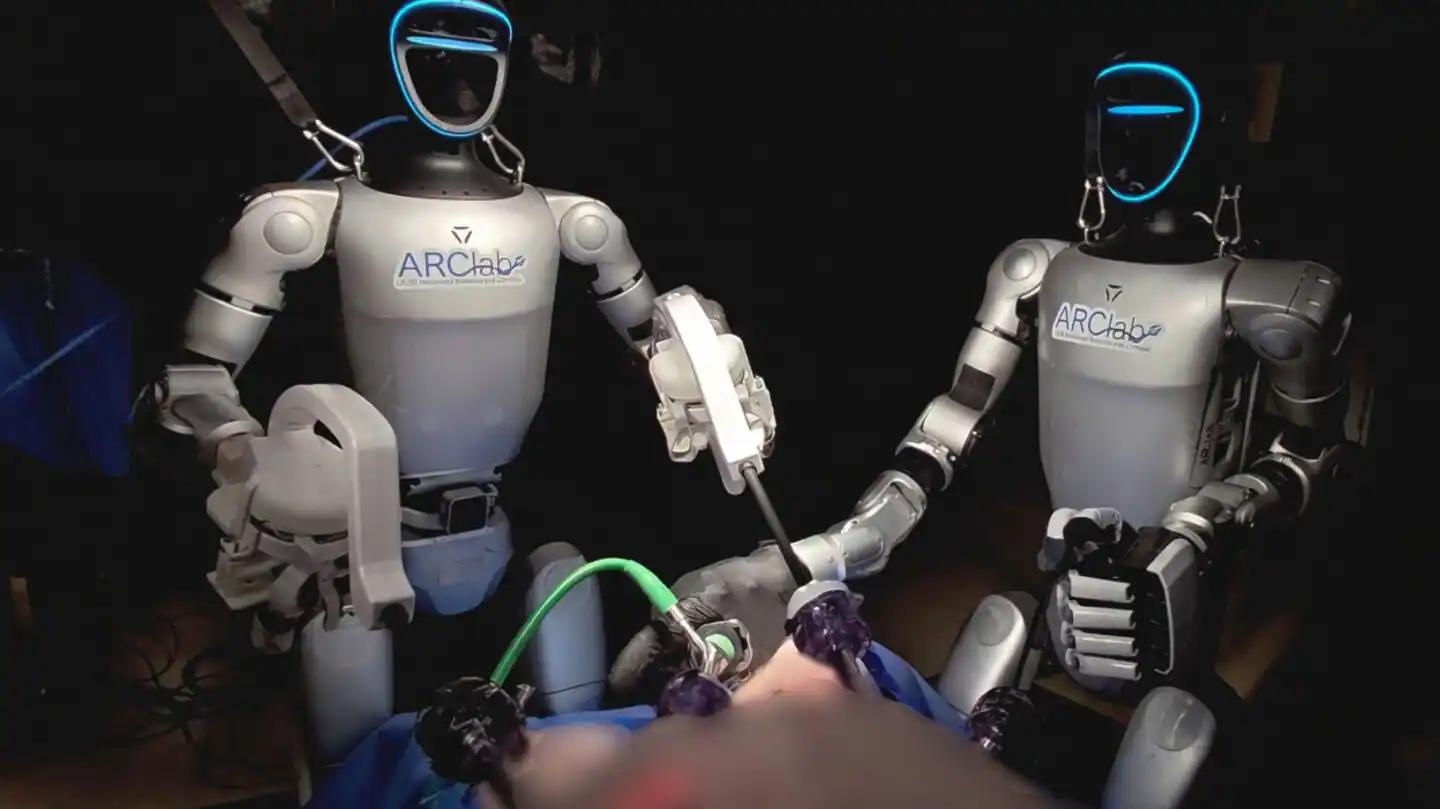
The robots in question were Unitree G1 humanoid models, controlled remotely by human operators using motion capture technology, foot pedals, and trackers. The system enabled what researchers call “bimanual teleoperation,” meaning the robot could use both arms simultaneously with the kind of coordination required for delicate surgical work — the robot could hold tissue with one hand and cut with the other, mimicking the way an actual surgeon operates.
Professor Michael Yip led the project alongside surgeons Charles Goldberg and Preetham Suresh from the UC San Diego School of Medicine. The multidisciplinary team emphasized that these were not autonomous surgeries. A human was in control the entire time, with the humanoid serving as an extension of the surgeon’s own body.