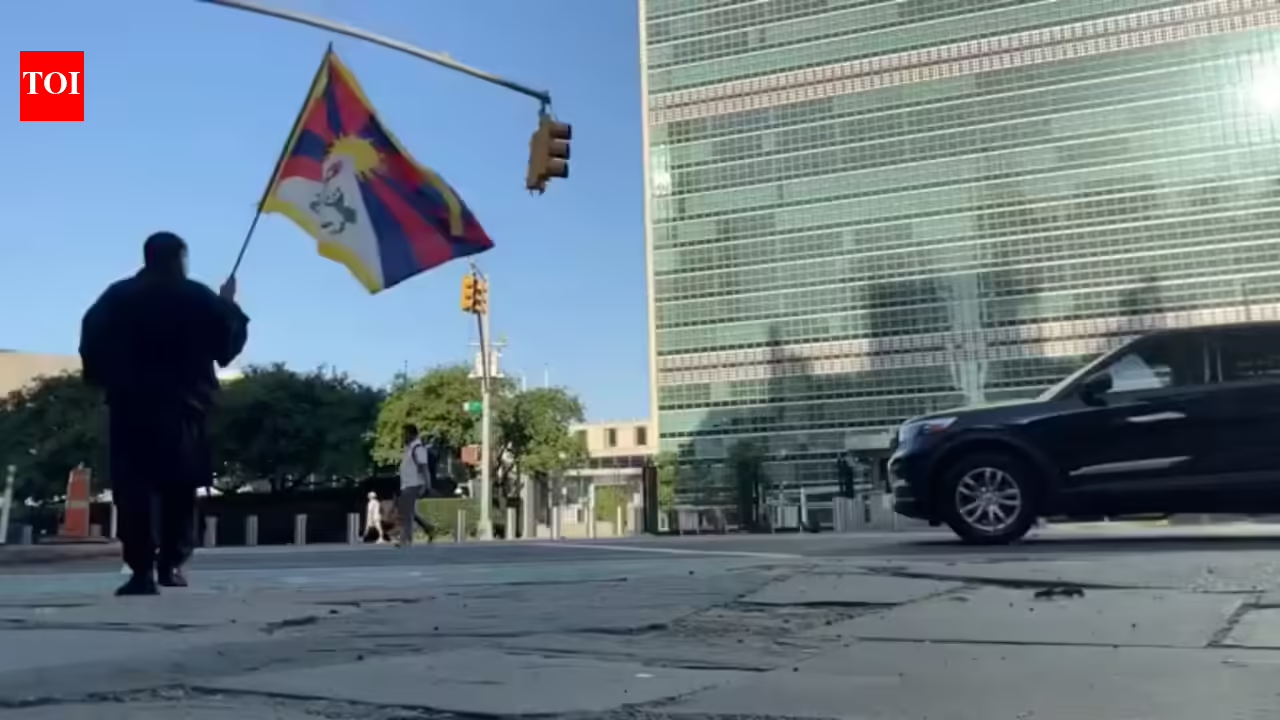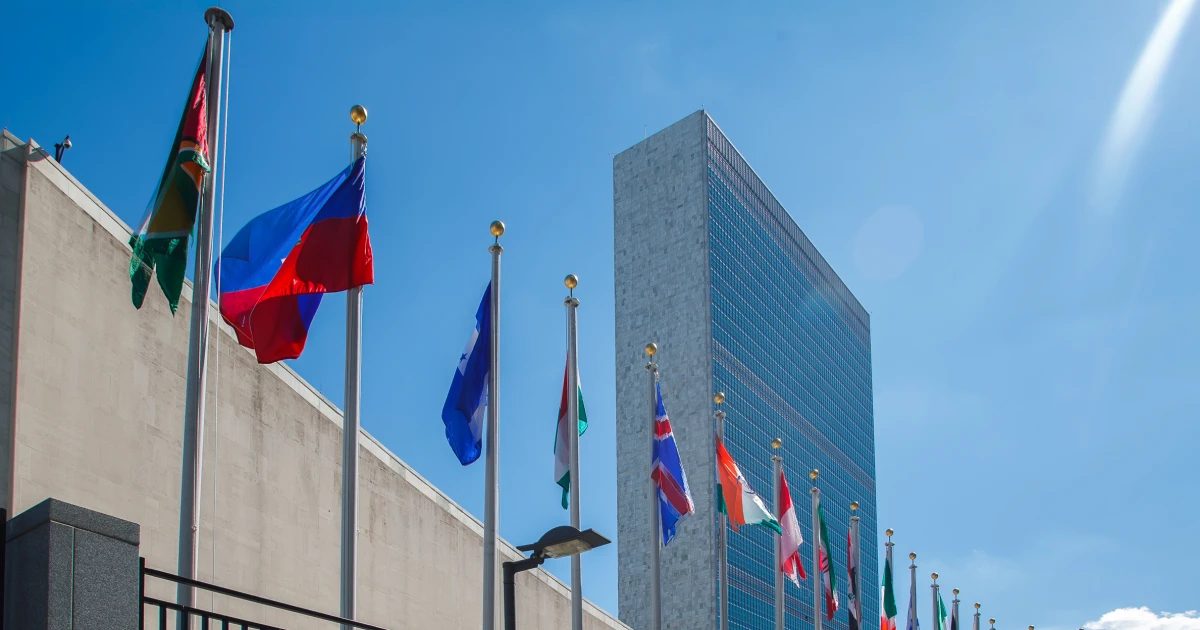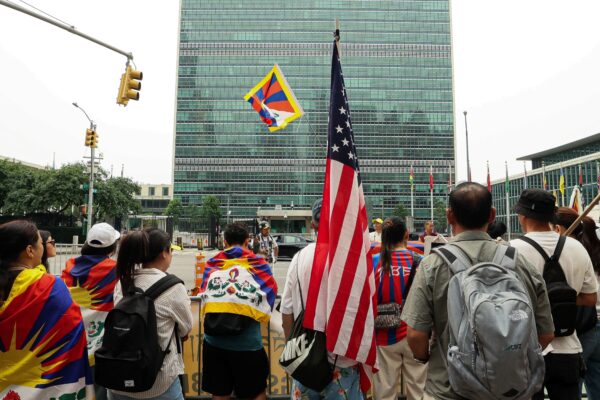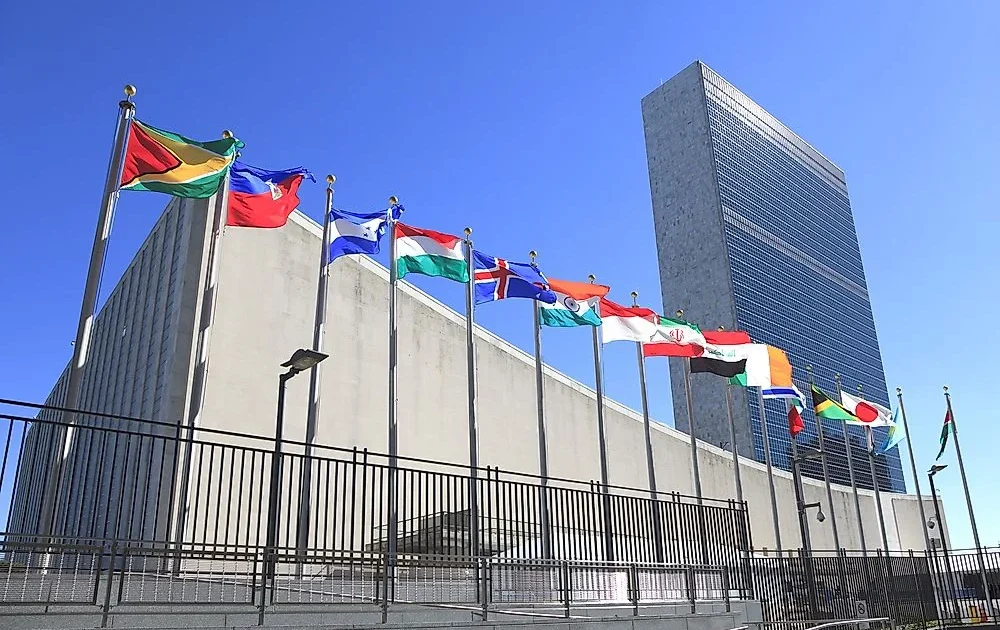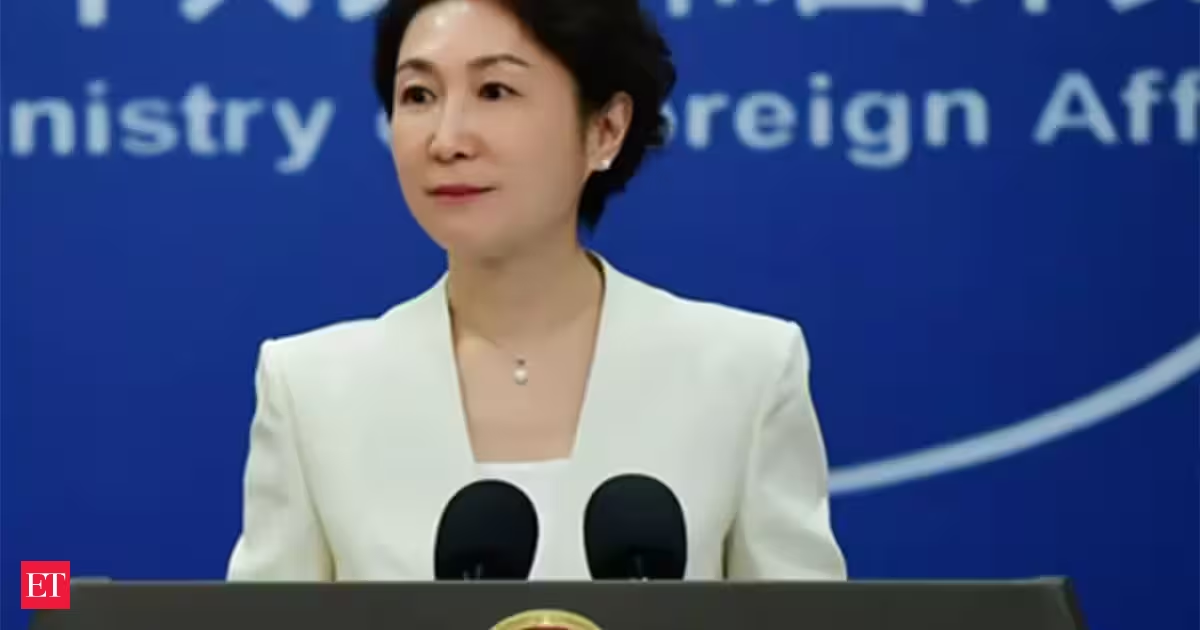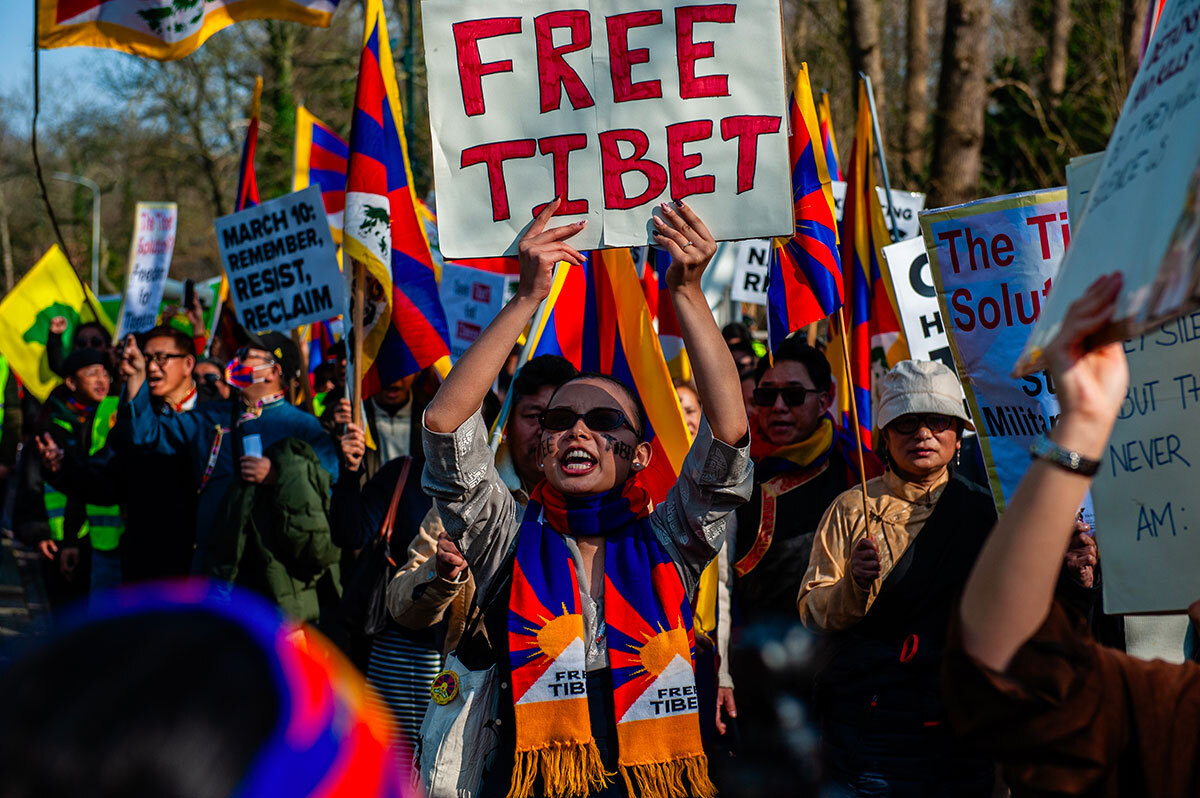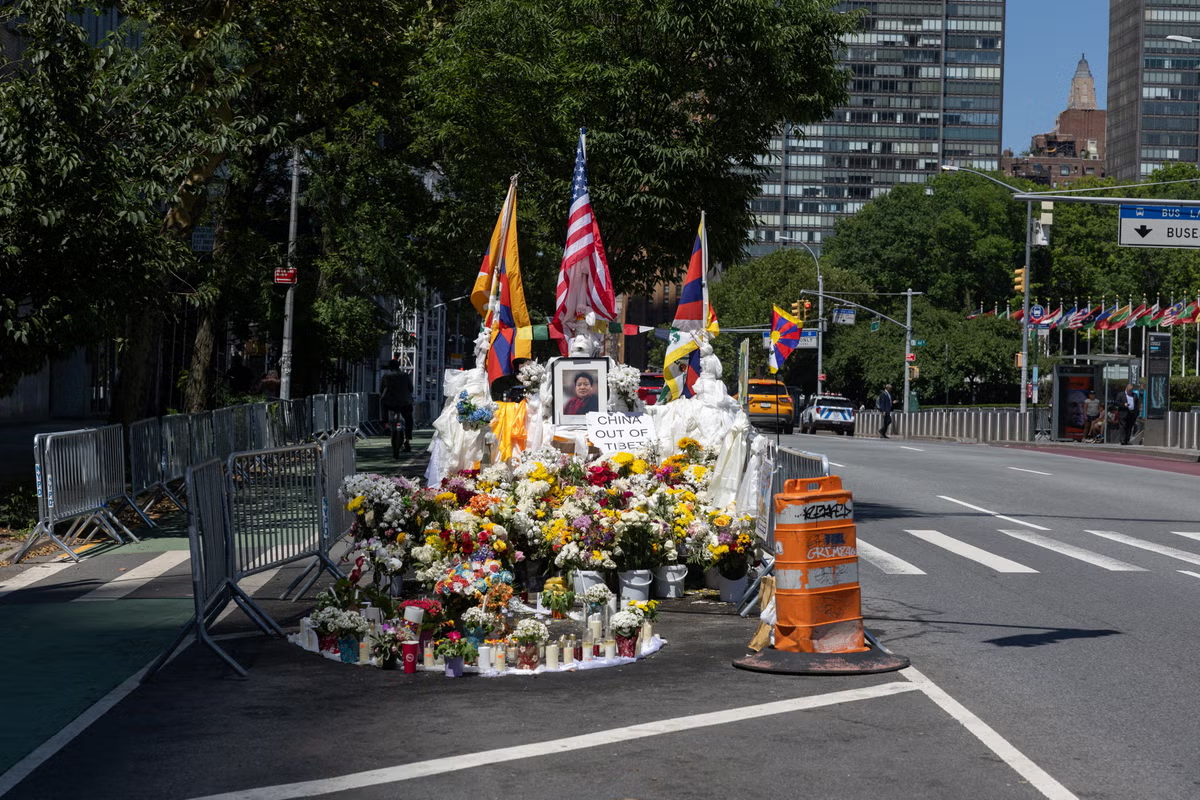
The State Department has reiterated its call for China to engage in direct dialogue with the Dalai Lama, following the self-immolation of a Tibetan man near United Nations headquarters in New York last week. The incident has brought renewed attention to the long-standing tensions surrounding Tibet's autonomy and human rights.The man, identified by activists and exiled Tibetan media as Lobga Rangzen, died a week ago from severe burns sustained outside the U.N. building. Voice of Tibet reported that he "self-immolated outside the U.N. headquarters in New York after a live appeal for Tibetan independence and unity."In response, a State Department spokesperson affirmed Washington's commitment to Tibetan rights, stating: "The United States is committed to supporting the unalienable human rights and aspirations of Tibetans to celebrate and preserve their unique culture, language, and religion without fear of interference." A makeshift memorial for Tibetan activist Lobga Rangzen, who self-immolated to protest China's occupation of Tibet outside the United Nations headquarters on July 2, in New York City (Reuters)The U.S. further urged China to "return to direct dialogue, without pre-conditions, with the Dalai Lama and his representatives, and with the democratically elected Tibetan leaders, to resolve differences and achieve meaningful autonomy for Tibetans." This stance is consistent across administrations.China, however, swiftly rejected the U.S. position. Mao Ning, spokesperson for China's Foreign Ministry, stated Thursday, "We urge the U.S. side to honor its commitments to recognize Tibet as a part of China and not support Tibet independence, and to stop using Tibet-related issues to interfere in China's internal affairs." Beijing maintains Tibet has been an inalienable part of its territory since ancient times and expects nations to handle such matters according to domestic laws. China has previously asserted Washington is "no position" to comment on Tibet-related issues.Emergency responders attend to a man identified by Voice of Tibet, a media outlet of exiled Tibetans, as Tibetan activist Lobga Rangzen, after he set himself on fire in an appeal for Tibetan independence (Reuters)Beijing, seeking to consolidate control over Tibet, regards the Dalai Lama as a separatist and insists on approving his successor, citing a centuries-old ritual. The Dalai Lama, spiritual head of Tibetan Buddhists and a Nobel Peace Prize winner, has urged followers to reject any individual chosen by Beijing. China seized control of Tibet in 1950, describing it as a "peaceful liberation" from feudalistic serfdom – a narrative disputed by international human-rights groups and exiles who condemn China's "oppressive rule."Ethnic minority issues remain highly sensitive within China, with Tibetans and other minorities subjected to heavy surveillance for any perceived "separatism." The International Campaign for Tibet reports 159 self-immolations by Tibetans in Tibet since 2009, with an additional 11 occurring among those in exile, underscoring the profound desperation felt by some within the community.
Trump administration reignites Tibet fight with new challenge to China
The U.S. State Department said on Wednesday it will continue to call on China to return to dialogue with the Dalai Lama, after a Tibetan man set himself on fire near U.N. headquarters last week
458 words~2 min read